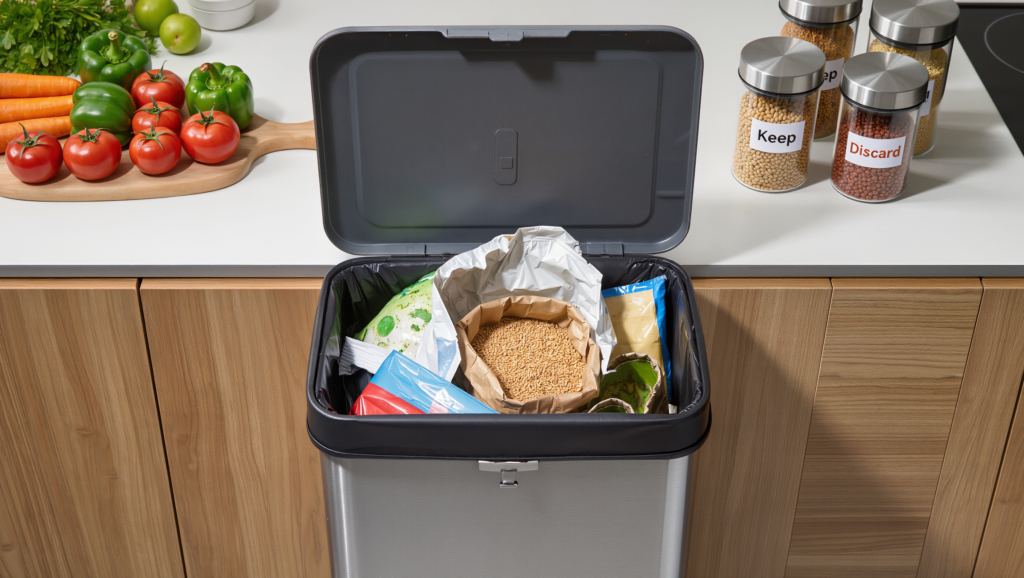












Pantry detoxes aren’t just Pinterest-pretty organizing projects—they’re one of the fastest ways to clean up your diet, reduce hidden toxins, and make healthy eating your default instead of a daily battle. When your shelves are packed with ultra‑processed snacks, mystery oils, and dusty cans, your kitchen quietly works against your energy, hormones, and gut health. A smart pantry detox flips that script.
Below is an SEO‑friendly, slightly informal deep dive on how to do a real pantry detox—plus the 10 items you should seriously consider tossing today—grounded in food‑safety guidance and evidence‑based clean‑eating principles.
Why a Pantry Detox Matters (More Than You Think)
A cluttered, outdated pantry is more than a visual headache. It can:
- Hide expired or unsafe foods that increase your risk of foodborne illness. USDA guidance specifically calls out bulging, leaking, badly dented, or rusted cans and spoiled shelf‑stable foods as must toss items for safety.
- Encourage daily exposure to additives, dyes, and endocrine‑disrupting chemicals from highly processed products and some packaging.
- Make healthy choices harder because grab‑and‑go options usually equal “refined carbs + bad fats + chemical soup.”
A pantry detox is basically a reset: remove the worst offenders, keep (or restock with) solid basics, and make your shelves support the way you say you want to eat.
Step 1: Quick Safety Sweep (Before You Get Fancy)
Start with a non‑negotiable safety check, just like food‑safety pros recommend.
Toss immediately if you see:
- Cans that are bulging, leaking, badly dented, or rusted
- These can harbor dangerous bacteria like Clostridium botulinum, which causes botulism. USDA explicitly recommends discarding these without tasting.
- Jars with loose, broken, or bulging lids or that spurt when opened
- Pressure build‑up = microbial activity. If a jar pops, hisses, or spurts liquid on opening, it’s a red flag.
- Packages with obvious pest damage or moisture
- Chewed corners, webbing, or “mystery crumbs” at the bottom of bins are common signs of pantry moths or rodents. Food safety experts recommend tossing compromised items and checking surrounding packages.
- Anything long past its “use by” date (not just “best by”)
- “Use by” means after this, toss it for safety in most cases, not just quality.
Do this sweep first. You’ll free up space and remove actual hazards before tackling nutrition and toxins.
Step 2: The 10 Pantry Items You Should Throw Out Now
Once the obvious safety issues are gone, it’s time for the “health detox.” Here are ten high‑impact categories to bin (or, at minimum, phase out) and why.
1. Ultra‑Processed Snack Foods (Chips, Cheese Puffs, “Snack Mixes”)
These are classic examples of ultra‑processed foods: refined flours, cheap seed oils, artificial flavors, and often dyes. They’re energy‑dense, nutrient‑poor, and strongly linked with weight gain, inflammation, and higher risk of chronic disease over time.
- Many “fun” snacks—especially those marketed to kids—contain artificial food colorings and dyes tied to hyperactivity and behavioral issues in some children, as well as possible links to mood changes.
Detox move:
Replace with nuts, seeds, popcorn kernels for DIY air‑popping, and simple crackers with short ingredient lists.
2. Sugary Breakfast Cereals (Especially Neon-Colored Ones)
Cereals that pour out in fluorescent colors are often a triple hit of refined grains, added sugars, and synthetic dyes. Even if the front screams “whole grain,” the label frequently reveals:
- Sugar or high‑fructose corn syrup in the first few ingredients.
- Red 40, Yellow 5, Blue 1, or similar colorants.
- “Natural flavors” plus preservatives to keep it shelf‑stable forever.
Why toss:
These spike blood sugar, don’t keep kids full, and add unnecessary chemical load before 9 a.m.
Detox move:
Swap for low‑sugar, whole‑grain cereals, plain oats, or muesli—then sweeten with fruit, cinnamon, or a drizzle of honey.
3. Artificially Colored Drink Mixes and “Sports” Beverages
Those powdered drink mixes and shelf‑stable “juice drinks” are often little more than water, sugar, and chemical cocktails.
- Many contain synthetic dyes and preservatives similar to problematic cereals and candies.
- Sugar‑sweetened beverages are strongly associated with obesity and metabolic issues when consumed regularly.
Detox move:
Replace with herbal teas, real fruit‑infused water, or sparkling water plus a splash of 100% juice.
4. Old Refined Vegetable Oils (Corn, Soybean, Generic “Vegetable Oil”)
Most pantries contain at least one mega‑bottle of cheap, refined vegetable oil. Key problems:
- Very high in omega‑6 polyunsaturated fats, which in excess and out of balance with omega‑3s may promote pro‑inflammatory pathways.
- Prone to oxidation, especially if stored for long periods in clear plastic under warm conditions. Rancid oils create off‑flavors and potentially harmful compounds.
Detox move:
- Toss clearly old, rancid, or mystery‑age bottles.
- Phase out cheap refined corn/soy/“vegetable” oil for everyday use; opt for extra‑virgin olive oil, avocado oil, or stable saturated fats (ghee, coconut) for higher heat.
5. Margarine and “Whipped” Industrial Spreads Lurking in Your Pantry
If you have shelf‑stable margarine sticks or “just add water” baking fats stored in your dry goods, check those labels.
- Older and some budget products may still contain partially hydrogenated oils (trans fats), which are strongly associated with cardiovascular disease.
- Others rely on heavily processed seed oils and a laundry list of emulsifiers and preservatives.
Though many brands have reformulated, pantry detox is a good time to clear out anything sketchy.
Detox move:
Use real butter (preferably grass‑fed), olive oil, avocado oil, or coconut oil—sparingly, but without mystery chemistry.
6. “Just Add Water” Baking Mixes with Aluminum or Mystery Additives
Convenience baking mixes (pancakes, biscuits, some cake mixes) can hide:
- Aluminum-containing baking powders (look for “sodium aluminum sulfate” or “sodium aluminum phosphate”), which some people prefer to avoid.
- Artificial flavors, dyes (even in “buttermilk” or “blueberry” products), and highly refined flours.
Detox move:
- Toss very old, yellowed, or pest‑exposed mixes.
- Replace with aluminum‑free baking powder and keep a few simple, from‑scratch recipes on hand.
7. Cans and Tetra Packs with Questionable Liners (Especially for Acidic Foods)
Many manufacturers have moved toward BPA‑free can linings, but not all. BPA and similar bisphenols are endocrine‑disrupting chemicals linked to hormonal, reproductive, and metabolic effects. Acidic foods (tomatoes, some soups) can leach more from linings.
Clean‑eating guides specifically flag BPA and related chemicals in canned goods as pantry detox targets.
Detox move:
- Prioritize discarding very old cans and brands that don’t disclose BPA‑free status.
- Over time, choose:
- Glass‑jarred sauces and beans,
- Frozen vegetables and fruits,
- Or clearly labeled BPA‑free canned brands.
8. Plastic Takeout Containers You Keep Reusing for Storage
Technically not “food,” but these live in most pantries and interact with everything you eat.
Food‑safety and clean‑kitchen checklists strongly recommend not reusing single‑use takeout plastics, especially for reheating, because they can harbor food residues and leach chemicals like phthalates when heated.
Detox move:
- Recycle warped, stained, or single‑use containers.
- Transition to glass storage jars and containers with tight‑fitting lids; clean‑kitchen detox guides consistently rank glass as the safer, low‑toxin choice.
9. Shelf-Stable, Highly Processed “Health Bars” and Protein Snacks
Your pantry may be full of bars marketed as “keto,” “low‑fat,” “energy,” or “meal replacements.” Turn them over and you’ll often find:
- Syrups and added sugars under many names.
- Sugar alcohols that cause bloating for some.
- Artificial sweeteners, flavors, or colors.
- Highly processed isolated fibers added to boost the “fiber” number without the full food matrix.
Clean‑eating pantry guides encourage minimizing these and moving back toward minimally processed foods from the perimeter of the store instead.
Detox move:
Keep a few genuinely clean bars (short ingredient lists you recognize); donate or phase out the rest and lean on nuts, seeds, jerky, or DIY trail mix instead.
10. Sugary Condiments and “Secret Sugar” Sauces
Ketchup, barbecue sauce, some salad dressings, stir‑fry sauces, and “glazes” can be stealth sugar bombs. A quick scan often reveals:
- High‑fructose corn syrup or sugar in the top three ingredients.
- Artificial colors in things like bright‑red sauces or “raspberry” dressings.
- Preservatives and flavor enhancers.
Given that food‑detox and pantry‑cleanse resources consistently flag added sugars and artificial colors as top pantry clean‑out priorities, condiments deserve a hard look.
Detox move:
- Toss anything ancient, crystallized, or you never actually use.
- Replace daily staples with lower‑sugar, dye‑free versions—or make simple DIY dressings using olive oil, vinegar, mustard, herbs, and a touch of honey.
Step 3: Upgrade What Stays (Pantry Detox is Not Just About Trash Bags)
Once you’ve cleared the first wave, reorganize and restock strategically so your “detox” sticks.
Focus Your Pantry Around:
- Whole grains: oats, brown rice, quinoa, millet.
- Legumes: beans, lentils, chickpeas (dried or in BPA‑free cans).
- Healthy fats: olive oil, avocado oil, coconut oil, nuts, seeds.
- Simple canned items: plain tomatoes (BPA‑free if possible), tuna/salmon, coconut milk.
- Functional flavor: herbs, spices, vinegars, mineral‑rich salts, no‑sugar broths.
Kitchen‑detox guides emphasize that prioritizing these basics, plus safer storage like glass containers, dramatically cuts both chemical exposure and ultra‑processed food intake at home.
Step 4: Keep It Safe and Fresh
A detoxed pantry still needs maintenance so it doesn’t slide back into chaos.
- Store in a cool, dry, dark place – optimal pantry temps are 50–70°F to extend shelf life and prevent pests.
- Use clear jars for grains and legumes – you’ll spot pests and track turnover easily.
- Label and date new items – so future you can see what’s expired at a glance.
- Wipe shelves and containers regularly – USDA and extension programs recommend cleaning crumbs, spills, and sticky bottles with warm, soapy water or vinegar to prevent contamination.
Step 5: Make Your Pantry Detox a Lifestyle, Not a One-Off
The most important part of a pantry detox isn’t the trash bag—it’s the habit shift:
- Shop the perimeter first. Nutrition and clean‑eating guides repeatedly recommend building meals around fresh produce, quality proteins, and minimally processed staples, then using the pantry for support instead of the main event.
- Read labels automatically. Scan for:
- Added sugars near the top,
- Artificial colors and flavors,
- Questionable oils (e.g., “partially hydrogenated,” “vegetable oil blend”),
- Excessive preservatives.
- Rotate stock. Keep newer purchases behind older ones so things actually get used.
Over time, you’ll notice that “detoxing” is mostly about not letting the worst stuff back in.
Final Thoughts: A Cleaner Pantry = Easier Healthy Living
A real pantry detox isn’t about perfection or throwing away everything “non‑organic.” It’s about:
- Removing the top safety and health offenders (spoiled, damaged, ultra‑processed, chemical‑heavy items).
- Upgrading storage so plastic and packaging aren’t quietly dosing your food with endocrine disruptors.
- Making it dramatically easier for you and your family to reach for real food by default.
Do one focused afternoon, follow the steps above, and you’ll walk into a kitchen that wants you to eat well—and that’s the kind of detox that actually lasts.
Did you find this article helpful? Support us by following us on our social media for more content on natural health and wellness:: Youtube, Instagram, Facebook, Pinterest, Twitter (X)