











Most organic gardeners obsess over soil health, compost, and avoiding synthetic chemicals—but quietly hook their beds up to whatever hose or tap is closest. If that water carries excess salts, chlorine, heavy metals, pathogens, or even herbicide residues, it can quietly undo a lot of the work you’re doing above ground and below it. Water quality doesn’t just keep plants alive; it shapes nutrient density, flavor, shelf life, and even the safety of your harvest.
Extension services and food‑safety agencies actually treat irrigation water as a critical input, on the same level as soil and fertilizer, because contaminated or imbalanced water can damage plants, accumulate in soil, and carry microbes onto edible leaves and fruits. For an organic garden, where the goal is nutrient‑dense, chemical‑light produce, ignoring water quality is a hidden blind spot.
Below is a deep dive into how water quality really affects your organic produce—and what you can do about it in a practical, backyard‑friendly way.
Why Water Quality Matters More Than Most Gardeners Realize
If you’re growing organically, you’re probably already thinking about:
- avoiding synthetic pesticides and fertilizers
- building soil organic matter
- encouraging beneficial microbes
But water is the vehicle for all that biology and chemistry.
Several key facts to keep in mind:
- Irrigation water is a known route for microbial contamination of fresh produce (like E. coli, Salmonella, Listeria), which is why food‑safety rules for farms focus heavily on water sources and testing.
- Dissolved minerals, salts, and pH in irrigation water can change soil structure, nutrient availability, and plant uptake, affecting yields and quality.
- Chemicals like chlorine, chloramines, and some herbicide residues can damage beneficial soil microbes or stress sensitive plants, especially in containers or small raised beds.
Most health organizations also emphasize that the nutrient content of produce is not just about genetics; it’s influenced by environmental factors (soil, water, sunlight) and agricultural practices. Water quality is a big slice of that environmental pie.
For a home organic gardener, that means two big questions:
- What’s actually in the water you’re using?
- How is it subtly shaping the food you harvest?
The Big Water‑Quality Factors That Affect Your Organic Produce
1. Microbial Contamination: Invisible Hitchhikers on Your Greens
If you’re using municipal tap water, it’s usually disinfected and microbiologically safe to drink. But if you’re watering with rain barrels, ponds, streams, shallow wells, or recycled greywater, microbiological safety becomes a real issue.
Food‑safety guidance for fresh produce points out that surface water and stored water are more likely to be contaminated with fecal bacteria from wildlife, livestock, or septic systems, especially after heavy rains.
Why this matters:
- Pathogens can survive on leaves and fruits, especially on textured surfaces like lettuce, kale, strawberries, and herbs.
- Contaminated irrigation water is a recognized outbreak source in commercial produce; small gardens aren’t immune in principle.
Key points for organic gardens:
- Overhead watering (sprinklers) increases the chance of water contacting edible surfaces; drip irrigation or soaker hoses reduce direct contact.
- Water applied closer to harvest carries more risk than water used earlier in the season, because there’s less time for UV, heat, and microbial competition to knock down pathogen levels.
If you harvest and eat raw (salads, herbs, berries), the microbiological quality of your water is just as important as your soil and compost.
2. Salinity and Hardness: Quiet Soil and Root Stress
Salinity refers to dissolved salts in water—often calcium, magnesium, sodium, chlorides, sulfates, and bicarbonates. A modest mineral content is fine; high salinity is a problem.
Extension publications on irrigation quality explain that:
- Salty water can cause physiological drought—plants struggle to take up water even when the soil looks moist.
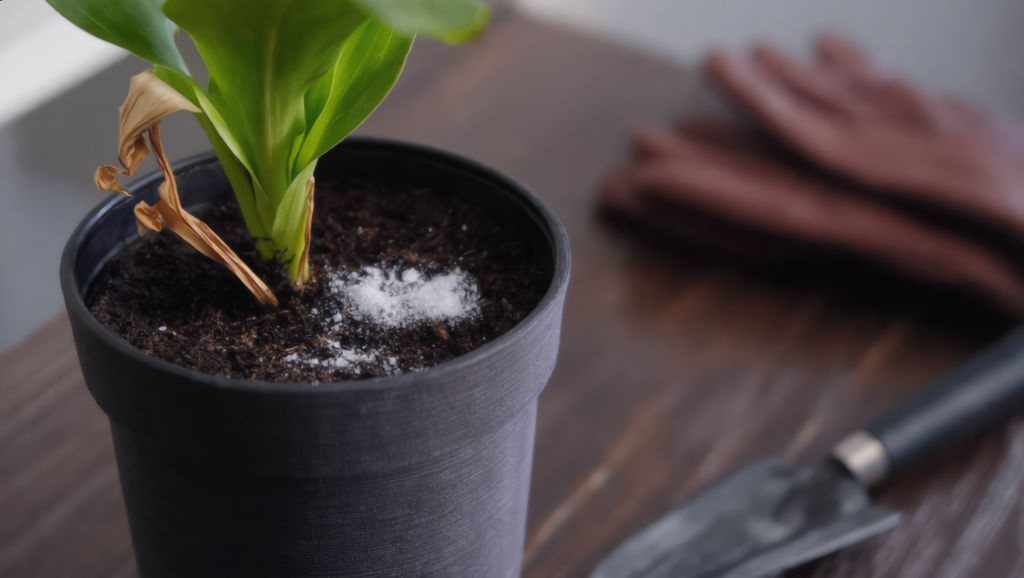
- Excess salts accumulate over time in the root zone (especially in raised beds and containers) and can burn roots or leaf edges, reduce growth, and eventually kill sensitive plants.
Hard water (high calcium and magnesium) is not automatically bad; in fact, it can supply useful nutrients. Problems emerge when:
- Sodium levels are high relative to calcium and magnesium (high sodium adsorption ratio), which can break down soil structure, reduce infiltration, and cause compaction.
- Total dissolved salts creep above levels that your crops can tolerate—leafy greens and seedlings are especially salt‑sensitive.
In organic gardens tuned for microbial life and good structure, high‑salt irrigation slowly undoes what compost and mulch are trying to build.
3. pH: Making (or Breaking) Nutrient Availability
Water pH influences soil pH over time, particularly in small volumes like raised beds and containers.
- Most vegetables prefer slightly acidic to neutral soil (pH 6.0–7.0), where nutrients like phosphorus, iron, manganese, and zinc are optimally available.
- If your water is strongly alkaline (high pH and bicarbonates), repeated irrigation can push soil pH higher, causing micronutrient lockout and chlorosis (yellowing leaves with green veins).
- Acidic water is less common in municipal systems but can matter for certain well and rainwater setups.
Nutrient‑dense organic produce depends on balanced soil chemistry, and long‑term watering with extreme pH can quietly degrade that balance even without synthetic fertilizers.
4. Disinfection Chemicals: Chlorine, Chloramine, and Soil Life
Municipal tap water is typically treated with chlorine or chloramine to kill pathogens. Safe for drinking? Usually yes. Ideal for soil microbes? Not always.
Health and gardening sources note that:
- The levels of chlorine in tap water are low and most outdoor soils buffer and break it down fairly quickly, especially with sunlight and organic matter.
- However, in containers, hydroponics, or microbially‑sensitive systems (compost teas, new beds, seedling trays), chlorine/chloramine can temporarily knock back beneficial microbes, including nitrifying bacteria and some mycorrhizae.
Chloramine is more stable than chlorine and doesn’t dissipate as quickly, so it may have a longer‑lasting effect on micro‑ecosystems in small volumes.
For an organic garden leaning heavily on microbial fertility, repeated irrigation with heavily chlorinated or chloraminated water can slow down the biological engine you’re trying to build.
5. Heavy Metals and Chemical Residues
In most well‑regulated municipal systems, heavy metals are kept below health limits. But issues can arise from:
- Aging plumbing (lead, copper)
- Contaminated wells (arsenic, lead, cadmium)
- Runoff‑affected surface water (industrial contaminants, herbicide drift)
Studies on urban gardening show that metals like lead and cadmium can accumulate in soils and be taken up by certain vegetables (leafy greens, root crops), especially in acidic conditions. Pathways include not only soil but irrigation water and atmospheric deposition.
While the exact risk depends heavily on your local context, the takeaway is simple: if your water is coming from a questionable well or open surface source and you’re growing food, testing is not optional.
How Water Quality Shapes Nutrient Density and Flavor
Beyond safety and plant survival, water quality nudges the nutrient profile and taste of what you grow.
1. Minerals in Water Become Minerals in Produce (Indirectly)
- Calcium, magnesium, and potassium in irrigation water contribute to plant nutrition, especially in low‑fertility soils.
- However, imbalanced minerals (e.g., too much sodium, too little calcium) mess with nutrient uptake, leading to deficiencies and lower nutrient density even if total minerals are present.
You may see:
- blossom end rot (Ca issues) in tomatoes and peppers
- bitter or tough leaves from stressed greens
- reduced vitamin and polyphenol synthesis under chronic stress
2. Salinity and Stress Change Plant Chemistry
Mild stress can sometimes increase phytochemicals (like some antioxidants), but chronic saline stress tends to:
- reduce overall yield and size of fruits and leaves
- disrupt photosynthesis and carbohydrate balance
- lower vitamin C and some phytonutrient concentrations in sensitive crops
So if your irrigation water is quietly salinizing your raised beds, your “organic” tomatoes may be smaller, less juicy, and less nutrient‑dense than they could be.
3. Microbial Balance Affects Root Health and Nutrient Uptake
Organic systems rely on:
- mycorrhizal fungi to extend the root system and improve phosphorus and micronutrient acquisition
- bacteria to fix nitrogen, solubilize phosphorus, and produce growth‑promoting compounds
Repeated exposure to disinfection chemicals, heavy metals, or contaminated water can shift soil microbial communities, altering:
- how efficiently plants absorb minerals
- how much they invest in defensive vs growth compounds
Over time, this shapes both yield and food quality—even if you never add a synthetic fertilizer.
Practical Steps to Assess and Improve Your Garden Water Quality
The good news: you don’t need a lab coat to make meaningful improvements. A few pragmatic steps go a long way.
1. Identify Your Source and Its Likely Risks
- Municipal tap:
- Pros: microbiologically safe, regulated.
- Cons: chlorine/chloramine, possibly hard/alkaline, sometimes older pipes.
- Private well:
- Pros: no chlorine, often mineral‑rich.
- Cons: potential for high hardness/salinity, metals, nitrates, bacteria; no routine monitoring.
- Rainwater (barrels, cisterns):
- Pros: naturally soft, slightly acidic, chlorine‑free, great for most plants.
- Cons: roof and gutter contamination (bird droppings, dust), microbial growth in storage; not potable by default.
- Surface water (ponds, streams):
- Pros: can be abundant and unchlorinated.
- Cons: highest risk for pathogens, ag runoff, and chemical contamination; variable quality.
Match your tactics to the source’s risk profile.
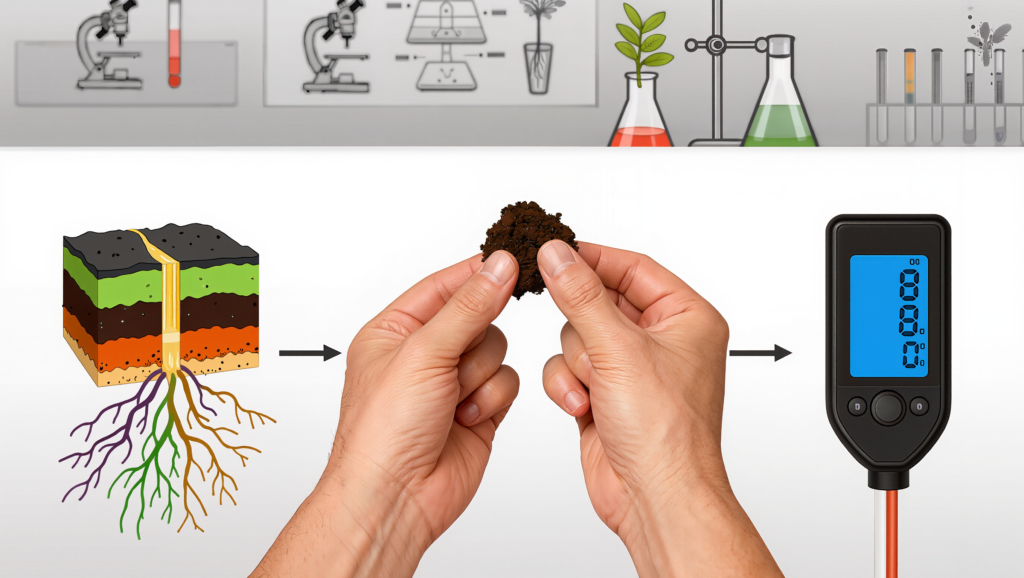
2. Get a Basic Water Test (Especially for Wells and Surface/Rainwater)
Local extension services and many labs offer affordable testing panels for irrigation/drinking water that look at:
- pH
- electrical conductivity (salinity)
- major cations/anions (Ca, Mg, Na, K, bicarbonate, chloride, sulfate)
- sometimes metals (Fe, Mn, Pb, As) and nitrates
For wells or suspect surface water, also check for total coliform and E. coli. Food‑safety guidance for produce strongly recommends periodic microbial testing if you’re using non‑municipal water on edible crops.c
3. Protect Soil Life from Disinfection Chemicals
If you use chlorinated or chloraminated tap water:
- For outdoor in‑ground beds with healthy organic matter, you often don’t need to panic—soil and sunlight break chlorine down relatively quickly.
- For containers, seedling trays, hydroponics, or compost teas, consider:
- Letting water sit in open containers 24 hours (helps with chlorine, not chloramine).
- Using an activated carbon filter (inline hose filter or under‑sink unit) to reduce chlorine and some chloramine.
- Blending tap water with rainwater when possible.
These tweaks are particularly helpful if you’re investing in microbial inoculants or biologically active compost.
4. Manage Salinity and pH
If tests show high salinity or sodium:
- Prioritize rainwater collection for the saltiest‑sensitive crops (lettuce, herbs, seedlings).
- Use deep watering with occasional leaching (where drainage is good) to flush salts below the root zone.
- Increase organic matter—compost, mulches—to buffer salts and improve soil structure.
If your water is strongly alkaline (high bicarbonate):
- Monitor soil pH annually, especially in raised beds.
- Use acidifying amendments if needed (elemental sulfur, acidified fertilizers like cottonseed meal) based on soil tests.
- Consider blending with rainwater to reduce alkalinity impact.
5. Reduce Microbial Risk for Raw‑Eaten Crops
If your water source is microbiologically questionable:
- Prefer drip or subsurface irrigation to minimize water on edible surfaces.
- Avoid overhead irrigation in the 3–7 days before harvest of leafy greens and eaten‑raw produce.
- Rinse harvests under clean water and, when appropriate, use a mild vinegar soak for leafy greens and herbs.
Food‑safety guidance sees these as basic risk‑reduction practices even in small‑scale gardens.
A Simple, Garden‑Friendly Water Strategy
For most organic home gardens, a hybrid approach works best:
- Use rainwater as your “gold standard”
- Collect from clean roofs with first‑flush diverters and leaf guards.
- Store in opaque barrels or tanks to reduce algae and microbial growth.
- Use for seedlings, containers, and salt‑sensitive crops.
- Use tap water smartly
- For robust, in‑ground plantings, standard tap irrigation is usually fine, especially if you’re not in an area with extreme hardness or chlorine.
- If you notice salt crusts, leaf burn, or chlorosis, get a test and adjust (filters, soil amendments, or partial rainwater blending).
- Test wells and surface water, don’t guess
- Do at least a baseline lab test and retest every few years—or sooner if land use around you changes.
- Apply extra caution with overhead watering on raw‑eaten crops.
- Keep building soil
- High organic matter and healthy biology are your biggest buffer against water‑quality issues: they help process contaminants, buffer pH, and protect roots from stress.
The Bottom Line
The hidden impact of water quality on your organic garden produce is bigger than most people think. Water can:
- carry pathogens onto your lettuce and berries
- quietly salinize and compact your soil
- nudge your pH and nutrient balance off target
- stress or support the microbes you rely on for organic fertility
Paying attention to what’s coming out of the hose is as much a part of organic growing as skipping synthetic pesticides. With a bit of testing, some smart use of rainwater and filtration, and ongoing soil‑building, you can turn water from a wild card into a real ally—helping your garden produce be not just organic on paper, but safer, cleaner, and more nutrient‑dense in practice.