











“Organic cotton” has become one of those feel‑good phrases that shows up everywhere: on baby onesies, yoga leggings, tote bags, and luxe bedding. It signals purity, safety, and sustainability—like you’re wrapping your skin and your conscience in something clean. But the truth is more nuanced. Organic cotton does offer real environmental and health advantages over conventional cotton, especially for farmers and local ecosystems, yet it’s not a perfect solution and it comes with its own trade‑offs, blind spots, and marketing spin.
If you care about both the planet and your skin, it’s worth understanding exactly what organic cotton changes, what it doesn’t, and where the biggest impacts actually fall.
What “Organic” Cotton Means And Why It Was Needed
Cotton is often called “the world’s dirtiest crop” because conventional production is heavily dependent on synthetic pesticides, herbicides, and fertilisers. A fact sheet on conventional cotton notes that just 10 active ingredients account for most of the pesticides used, including organophosphates and other chemicals associated with acute and chronic health risks. These inputs:
- Contaminate groundwater, rivers, and soils
- Harm local biodiversity and beneficial insects
- Contribute to soil degradation and greenhouse gas emissions
Organic cotton, under standards like USDA Organic or GOTS (Global Organic Textile Standard), must:
- Be grown without synthetic pesticides, herbicides, or fertilisers
- Use non‑GMO seeds
- Rely on crop rotation, compost, manures, and biological pest control to manage fertility and pests
The aim is cleaner soil and water and less chemical exposure for farmers and surrounding communities. It’s an agricultural standard; it doesn’t automatically guarantee fair labour, renewable energy in spinning mills, or non‑toxic dyes later in the supply chain.
Still, at the farm level, the shift away from synthetic agrochemicals is significant—for both environment and human health.
Environmental Impacts: Organic vs Conventional Cotton
One of the most cited analyses is the Textile Exchange Life Cycle Assessment (LCA) of organic cotton fibre. It compared organic and conventional cotton and found big differences:
- 46% lower global warming potential for organic cotton
- 70% less acidification potential (less acid rain and soil acidification)
- 26% less eutrophication (nutrient pollution leading to algae blooms)
- 91% reduction in blue water consumption (irrigation water taken from rivers, lakes, and aquifers)
- 62% lower primary energy demand
These numbers are averages from a specific dataset, but they consistently show that, when managed well, organic cotton has a smaller environmental footprint on several key metrics.
Water use: not as simple as one statistic
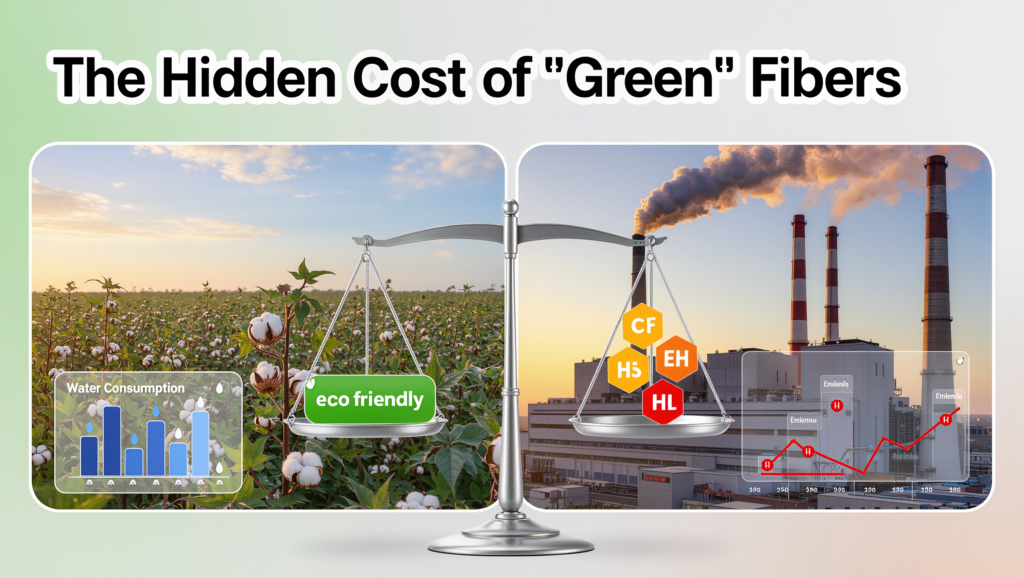
Water is where organic cotton often gets a halo. Textile Exchange’s LCA, amplified by brands, points out that up to 80% of organic cotton is rain‑fed, drastically cutting irrigation needs and protecting freshwater sources. That’s where the headline “91% less blue water use” comes from.
However, deeper analyses and critical summaries urge caution:
- Water footprint varies hugely by region, climate, and irrigation practice, sometimes more than by organic vs conventional label.
- Some organic cotton in India, Turkey, and other regions is also irrigated, and because yields are lower, it may use more water per kilogram of fibre than rain‑fed organic cotton in other areas.
One 2025 overview notes that while organic practices can improve soil health and water retention, the “overall water footprint of organic cotton is a subject of ongoing debate” and depends heavily on whether fields are rain‑fed or irrigated. Another points out that organic cotton “doesn’t necessarily grow in regions with a lot of rainfall” and that many organic crops “also rely on irrigation, particularly in India or Turkey.
The takeaway: organic cotton can be much better on water, especially when rain‑fed; but it’s not a universal law. The local context and farming practices matter as much as the certification.
Soil, biodiversity, and chemicals
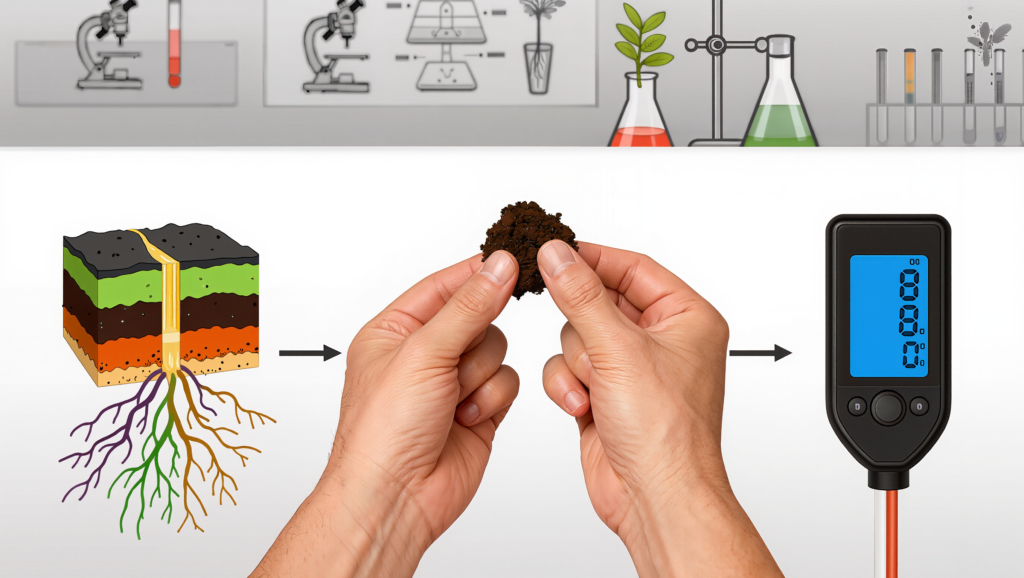
Organic systems forbid synthetic insecticides, herbicides, and most synthetic fertilisers, which has several knock‑on effects:
- Less soil and water pollution from nitrates, phosphates, and pesticide residues
- Healthier soil structure and microbial life due to composts and rotations
- More on‑farm biodiversity (weeds, insects, birds) compared with heavily sprayed monocultures
A 2025 explainer on organic cotton’s environmental profile notes that conventional agrochemicals “contaminate groundwater, destroy local biodiversity and impoverish soils,” whereas organic standards avoid these chemicals and instead focus on soil restoration and ecosystem health.
Organic cotton is still a monocrop in many landscapes, so it doesn’t automatically restore full ecosystem complexity—but it generally reduces chemical pressure and improves soil health compared with conventional cotton.
Health Impact Of Organic Cotton: It’s More About Farmers Than Your T-Shirt
From a wearer’s perspective, one of the biggest marketing claims is that organic cotton is “better for your skin” or “chemical‑free.” The reality is more subtle.
The major health win: less pesticide exposure for farmers
A 2023 study of cotton farmers in Burkina Faso compared self‑reported health effects from pesticide use between conventional and organic growers. The differences were stark:
- 88.95% of conventional farmers vs 48.71% of organic farmers reported nervous system symptoms (e.g., severe headaches, dizziness) after pesticide contact.
- 88.10% of conventional vs 67.67% of organic farmers reported respiratory problems (runny nose, persistent cough, chest tightness).
- 85.27% of conventional vs 65.52% of organic farmers reported skin effects; 79.60% vs 54.31% reported eye irritation.
- Symptoms like trembling, temporary limb impotence, hearing difficulties, and irregular heartbeat were significantly more frequent among conventional farmers.
The authors concluded that neurological, respiratory, ocular, and cardiovascular signs were all significantly associated with conventional cotton farmers due to their higher pesticide exposure.
This is where organic cotton makes a huge difference: it dramatically reduces the acute and chronic chemical exposure of people growing your fibre.
What about the health of the person wearing the cotton?
Finished cotton textiles—organic or not—generally contain very low residues of agricultural pesticides because:
- Cotton lint goes through ginning, scouring, bleaching, and repeated washing.
- Most agrochemical residues are removed before fabric is made.
The bigger health factors for wearers often come from dyes, finishing agents, and flame retardants, not from farm pesticides.
Organic cotton certification at the farm level doesn’t automatically control dyes or finishes. That’s where textile standards like GOTS matter: they restrict not just field chemicals but also many hazardous dyes, heavy metals, formaldehyde‑releasing resins, and certain solvents.
So:
- Organic cotton fibre reduces occupational health risks dramatically.
- To reduce skin exposure to problematic chemicals, look for both organic cotton and certified low‑toxicity processing (e.g., GOTS), or undyed/low‑finish garments.
The Drawbacks of Organic Cotton: Yield, Cost, and Hype
Organic cotton is not impact‑free, and some critics worry that the hype can obscure trade‑offs.
Lower yields and more land per T-shirt
Multiple analyses report that organic cotton has lower yields per hectare than conventional cotton—often around 20–30% lower, depending on region and management.
One 2025 deep dive puts it bluntly:
- Organic cotton has “lower yield per hectare than conventional cotton (around 20 to 30% less according to studies), which means that more land is needed to produce the same amount.”
- Because there are fewer chemical inputs to stimulate growth and yield, “more water and more labor are often needed” for weeding and disease control.
This raises two concerns:
- Land use: If demand for organic cotton rose sharply without yield improvements, more land could be needed, potentially increasing pressure on ecosystems.
- Farmer economics: Lower yields and higher labour can mean higher production costs and more financial risk for farmers unless they receive significantly higher prices.
Critics argue that these factors make organic cotton less economically viable and harder to scale as a dominant global fibre, especially without strong price premiums and support.
Cost, availability, and certification challenges
Some key structural issues:
- Higher retail prices: Lower yields + more labour + certification costs = more expensive garments, which limits accessibility and keeps organic cotton concentrated in premium markets.
- Limited supply: Organic cotton still represents a small fraction of global cotton production; brands sometimes struggle to secure consistent volumes.
- Certification hurdles: Smallholder farmers may find organic certification complex and expensive, and verifying integrity across long supply chains (ginning, spinning, weaving, sewing) is challenging.
Investigations into “organic cotton fraud” have found cases where conventional cotton was passed off as organic in some supply chains, highlighting traceability problems. There are also ongoing concerns about labour abuses—child labour, debt bondage, unsafe working conditions—in both conventional and organic cotton regions, which organic certification alone does not eliminate.
In other words, “organic” doesn’t automatically equal “ethical” or “fraud‑proof.” It’s one piece of a much bigger picture.
Is Organic Cotton Always Better for the Environment?
Zooming out, most comparative work concludes that organic cotton is usually better than conventional cotton, but both have meaningful impacts.
A 2022 sustainability analysis comparing organic cotton to other materials states:
- Organic cotton has a smaller carbon footprint because it’s less reliant on synthetic fertilisers and pesticides.
- It uses significantly less blue water on average, though both organic and conventional cotton are water‑intensive relative to some alternative fibres like linen or certain cellulosics.
- Overall, organic cotton tends to be “better for the environment and the people who farm it,” but it’s still far from impact‑free.
The Organic Center similarly notes that organic cotton production “significantly reduces the amount of water pollution via soil erosion and nutrient leaching” compared with conventional systems.
However, critics point out that focusing only on “organic vs conventional cotton” can distract from deeper questions:
- Should we be using less cotton overall and more lower‑impact fibres?
- Are we overproducing and overconsuming textiles regardless of fibre type?
- Are brands using “organic cotton” as a green halo while still pushing fast‑fashion volumes?
From an impact perspective, buying fewer, longer‑lasting garments and choosing fibres thoughtfully often matters more than the organic logo on a large haul.
How to Make Organic Cotton Actually Work for People and Planet
If you want your organic cotton purchases to mean more than marketing, a few practical shifts help.
1. Look for organic + robust textile standards
For genuinely lower chemical exposure and better processing practices, aim for:
- Organic cotton fibre (USDA Organic, EU Organic, etc.)
- GOTS or similar standards that cover dyes, finishes, wastewater, and some social criteria across the supply chain
This combination addresses both field‑level pesticides and many processing‑stage chemicals.
2. Pay attention to where and how it’s grown
Where brands share it, favour organic cotton that is:
- Rain‑fed, rather than heavily irrigated in water‑stressed regions
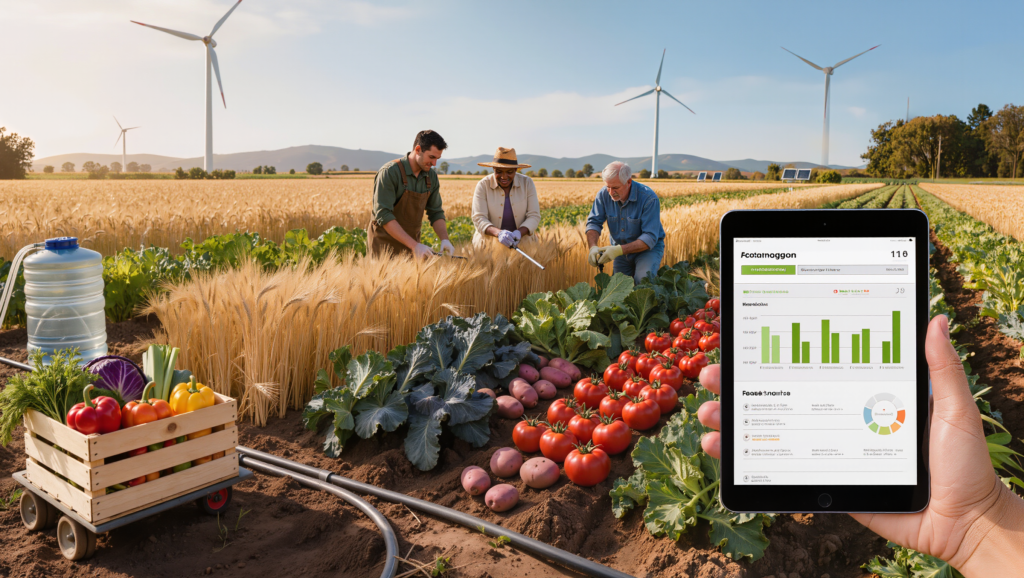
- Grown as part of regenerative or agroecological systems that include crop rotation, intercropping, and soil‑building practices
These nuances often appear in brand impact reports or independent assessments, not just hangtags.
3. Don’t let “organic” justify overconsumption
The most sustainable cotton piece is the one you:
- Actually wear often
- Care for gently and repair
- Keep in circulation (resale, donation) as long as possible
Organic cotton is a better input, but if it’s feeding the same fast‑turnover, buy‑and‑bin pattern, the environmental benefits shrink fast.
4. Remember the worker side
Organic standards reduce pesticide exposure, but they don’t automatically guarantee living wages or safe factories in ginning, spinning, weaving, and sewing.
Look for brands that talk about:
- Fair trade or credible labour programs
- Transparent supplier lists and independent audits
- Long‑term relationships with farms and mills, not just spot‑buying “organic” bales
The Bottom Line: Helpful, Not Holy
The truth about organic cotton is refreshingly middle‑ground:
- It significantly reduces pesticide use, improves soil and water outcomes in many contexts, and measurably lowers global warming potential and energy use compared with conventional cotton.
- It markedly reduces acute and chronic pesticide‑related health problems for farmers, who are otherwise exposed to neurotoxic and irritant chemicals.
- It still has drawbacks: lower yields, higher land and labour needs, higher costs, certification challenges, and ongoing social issues in some supply chains.
So yes, organic cotton is generally a better choice than conventional cotton when everything else is equal. But it’s not a magic fabric. The biggest environmental and health wins come when organic cotton is combined with:
- Thoughtful water and land management
- Strong processing and social standards
- And, most importantly, buying less, choosing better, and keeping clothes in use longer
Think of organic cotton not as the end of the conversation, but as a solid first step in turning the fashion industry from toxic and extractive into something genuinely kinder—to the soil, the farmers, and yes, eventually, to your skin.
https://pmc.ncbi.nlm.nih.gov/articles/PMC10522852