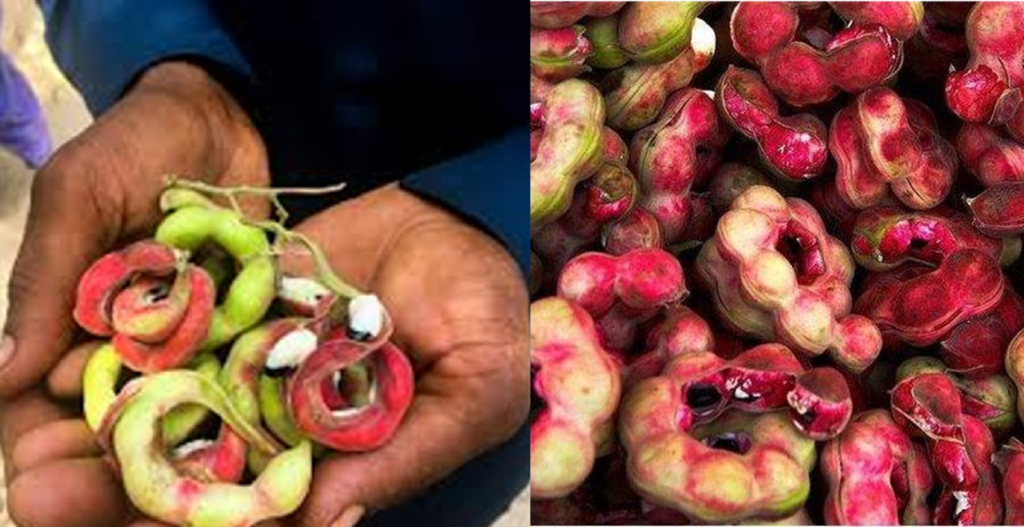












If you’ve ever seen jungle jalebi hanging off a roadside tree, you know why it gets so much attention: long, twisted pods that look like neon‑green spiral fries, filled with tangy‑sweet, cottony pulp kids (and monkeys) love to snack on. Also called camachile, Madras thorn, Manila tamarind, or by its scientific name Pithecellobium dulce, this odd little fruit has quietly built a reputation in folk medicine for “treating diabetes.
But does jungle jalebi really “fight diabetes,” or is it just another traditional remedy with more romance than science behind it? The answer is surprisingly encouraging—if you read the evidence carefully and keep your expectations realistic.
Below is a deep dive into what we actually know about camachile’s antidiabetic potential, what parts of the plant have been studied, and how that lines up with the way people traditionally eat the fruit.
Meet Jungle Jalebi: The Tangy – Twisted Pod
Jungle jalebi is the common name for Pithecellobium dulce, a medium‑sized, thorny tree native to Central and South America but widely naturalized across India, Southeast Asia, and parts of Africa. It thrives in hot, dry conditions and poor soils, which is why you often see it along roadsides and in scrubby areas.
The pods:
- Start green and twist into tight spirals as they mature.
- Turn reddish‑pink or brownish when fully ripe.
- Contain a whitish, cottony pulp around shiny black seeds.
The taste is usually described as:
- Mildly sweet and tart, a bit like tamarind crossed with guava candy.
Traditional use (Ayurvedic and folk):
- Fruit pulp eaten fresh or in chutneys and sherbets.
- Bark decoctions used for diarrhoea and dysentery.
- Leaves and bark used for skin issues, eye irritation, and as a mild pain‑relieving or anti‑inflammatory remedy.
Many local write‑ups mention it being “used in diabetes” long before laboratory studies existed.
What’s in Jungle Jalebi Nutritionally?
Nutrient analyses of P. dulce fruit show it’s more than just a sour candy:
- Carbohydrates – it’s a real food, not a calorie‑free herb; the pulp provides sugars and some complex carbs for energy.
- Plant protein and small amounts of fat.
- Dietary fibre – both soluble and insoluble, particularly when fruit flour or whole fruit powder is used.
- Minerals – calcium, phosphorus, iron have been noted in local nutrient profiles.
- Vitamin C and other antioxidants – Netmeds and research summaries emphasize vitamin C, fibre, and antioxidant content for immunity and general metabolic health.
A 2023 paper on the physico‑functional properties of jungle jalebi fruit powder reported:
- High bulk density, water absorption, and swelling capacity, indicating good fibre content.
- Noted that the fruit is known to have “various therapeutic properties such as antidiabetic, gastroprotective, anti‑inflammatory, hepatoprotective, cardioprotective, nephroprotective, antidiarrheal and antimicrobial activities,” referencing prior pharmacological studies.
So nutritionally, you’re looking at a fibre‑ and antioxidant‑containing sour‑sweet fruit that can fit into a balanced diet. The antidiabetic claims, however, rest on specific extract and flour studies.
The Lab Science: Camachile and Blood Sugar in Animal Models
Most of the strong evidence for jungle jalebi’s antidiabetic effects comes from experimental studies in diabetic rodents, not humans. That’s important context.
1. Fruit extract in streptozotocin (STZ) diabetic rats
A 2013 study titled “Biochemical evaluation of antidiabetic properties of Pithecellobium dulce fruit extract” used STZ‑induced diabetic rats to assess the effect of the fruit pulp.
Key findings:
- Fruit extract significantly improved oral glucose tolerance (OGTT) in diabetic rats, meaning blood glucose spiked less after a glucose load and returned to baseline more efficiently.
- HbA1c (glycated haemoglobin), a long‑term marker of blood sugar control, was improved towards normal values in treated rats.
- Hepatic glycogen content (stored glucose) improved, suggesting better glucose handling and storage.
- Liver enzymes AST, ALT, and ALP, which were elevated in untreated diabetic rats, moved back toward normal in fruit‑extract‑treated animals, indicating both nontoxicity and possible hepatoprotective effects.
The authors concluded:
“The results of the present study clearly indicate that Pithecellobium dulce fruit extract possesses significant antidiabetic activity which is evidenced from improved OGTT, HbA1c and glycogen content… The possible mechanism… may be through improved peripheral utilization of glucose and/or enhancement of insulin secretion.”
Translation: the fruit extract seemed to help diabetic rats handle sugar better and, importantly, it didn’t damage the liver at the doses used.
2. Fruit peel extract in diabetic rats
Another study looked specifically at the aqueous extract of P. dulce fruit peel (PDFPAQ) in STZ‑induced diabetic rats:
- Treatment with peel extract significantly lowered blood glucose levels compared to untreated diabetic controls.
- Key enzymes involved in glucose metabolism (hexokinase, glucose‑6‑phosphatase, fructose‑1,6‑bisphosphatase) were shifted toward normal activity levels in treated rats.
- Elevated liver enzymes (AST, ALT, ALP) seen in diabetic rats were normalized after peel extract treatment, again suggesting hepatoprotective and non‑toxic effects.
- Antioxidant status improved, indicating free‑radical scavenging potential of the peel extract.
The authors concluded that P. dulce fruit peel has “hypoglycemic and free radical scavenging potential” in diabetic rats.
3. Leaf and seed extracts with antidiabetic effects
The antidiabetic story isn’t limited to the pulp and peel.
- A study on P. dulce leaves in dexamethasone‑induced insulin resistance showed that leaf extracts at 200 and 400 mg/kg significantly reduced blood sugar and improved lipid profiles in rats, indicating antidiabetic and antihyperlipidemic activity.
- Another 2015 study on methanolic seed extract reported that seed extract attenuated hyperglycemia, oxidative stress, and inflammation in STZ‑diabetic rats, improving blood glucose and lipid profiles.
Collectively, these studies suggest that multiple parts of the plant—fruit, peel, leaves, seeds—contain compounds that can improve glucose handling in diabetic animal models.
Human-Relevant Evidence: A New Fruit Flour Study
The most interesting recent development is a 2025 study on Pithecellobium dulce fruit flour (PDF) in a model that tries to mirror human intake patterns more closely.
In this study (PDF: “Pithecellobium dulce Fruit Flour Intake Enhances Glycemic Regulation…”):
- Researchers analysed PDF and found:
- High dietary fibre, especially soluble fibre.
- Total phenolic content of 526 mg GAE/100 g – substantial antioxidant capacity.
- PDF consumption improved glycaemic regulation:
- Lower fasting blood glucose levels.
- Enhanced glucose clearance in tolerance tests compared to controls.
- There was increased production of short‑chain fatty acids (SCFAs), particularly propionic and butyric acids, in the colon.
- SCFA production was associated with improved intestinal health and higher goblet cell counts in the colon, indicating better epithelial barrier integrity.
The authors suggest that:
- Fermentation of PDF’s dietary fibre and phenolic compounds by gut bacteria → more SCFAs → better glucose homeostasis and gut barrier function.
- A moderate dose of PDF (6.15 mg/kg/day) was particularly effective at achieving near‑basal glucose levels in OGTT tests.
This reinforces a key idea: the antidiabetic effect is probably not a “magic insulin‑like molecule,” but a combination of viscous fibre, polyphenols, and their microbiome‑mediated by‑products, all acting to tame post‑meal glucose spikes and improve insulin sensitivity.
Still: this is not a human clinical trial; it’s an animal and mechanistic study. Yet it strongly hints that regularly consuming jungle jalebi flour or whole fruit, as part of a diet, could help smooth blood sugar responses.
How Might Jungle Jalebi Help with Blood Sugar?
Based on the studies, a few mechanisms are likely in play:
- Dietary fibre slowing glucose absorption
- Soluble fibre in the pulp and fruit flour increases chyme viscosity, slowing carbohydrate digestion and glucose uptake in the small intestine.
- This leads to lower and slower post‑meal blood sugar spikes—exactly what you want in diabetes or prediabetes.
- Polyphenols modulating enzymes and oxidative stress
- Phenolic compounds in the fruit and peel can inhibit carbohydrate‑digesting enzymes (like α‑amylase and α‑glucosidase) and reduce oxidative stress.
- Antioxidant action reduces β‑cell damage and improves insulin signalling pathways in animal models.
- Improved hepatic glucose handling
- Normalisation of liver enzymes and improvement of glycogen storage suggest better liver health and glucose metabolism.
- Microbiome and SCFA production
- PDF fermentation by gut bacteria increases SCFAs like propionate and butyrate, which are known to improve insulin sensitivity, reduce inflammation, and support gut barrier integrity.
In simple terms: fibre + polyphenols + microbiome form a three‑way alliance that helps your body avoid wild glucose swings.
Is Jungle Jalebi a “Diabetes Cure”?
Not so fast.
What the science supports
- In animals: Robust evidence that P. dulce fruit, peel, leaves, and seeds can improve blood sugar control, insulin sensitivity, oxidative stress markers, and lipid profiles in diabetic rodent models.
- Mechanism: Likely via fibre‑driven slowing of glucose absorption, polyphenol‑induced enzyme modulation and antioxidant effects, and microbiome‑mediated SCFA production.
- Safety: Studies generally describe fruit and peel extracts as nontoxic and hepatoprotective at studied doses, with liver enzymes trending toward normal in treated animals.
What we don’t yet have
- Human clinical trials showing that eating jungle jalebi fruit, juice, or flour lowers HbA1c, fasting glucose, or medication needs in people with type 2 diabetes.
- Standardised doses or preparations—most studies use specific extracts or flours at mg/kg doses under controlled conditions, not “eat a handful of pods when you feel like it.”
Traditional and popular health articles (like Netmeds) understandably lean optimistic, stating that jungle jalebi “helps control blood sugar levels” and that the pod juice’s anti‑hyperglycemic attributes make it useful for people with type 2 diabetes. Those claims are directionally supported by animal data—but they skip the nuance that we’re extrapolating to humans.
What “fight diabetes” honestly means
The most responsible way to put it:
- Jungle jalebi fruit and its components show promising antidiabetic and metabolic benefits in animal models, likely due to their fibre, phenolic compounds, and impact on gut microbiota.
- As part of a balanced, whole‑food diet, especially in whole or lightly processed form (fruit, chutneys, flour), it could support better blood sugar control and metabolic health.
- It is not a stand‑alone cure or a substitute for medications, medical supervision, or broad lifestyle changes in human diabetes.
Think of it as a potentially helpful ally in a broader anti‑diabetes lifestyle—not a magic bullet.
How to Use Jungle Jalebi in Everyday Life
If you live in a region where jungle jalebi grows or is sold, here are practical ways to fold it into an anti‑diabetic or metabolic‑health‑friendly pattern:
- Fresh fruit in moderation
- Eat the pulp inside the twisted pods fresh; it’s tangy‑sweet and fibre‑containing.
- Pair it with protein and fat (like nuts or yoghurt) to further blunt glucose spikes.
- Avoid adding lots of sugar or jaggery in preparations if blood sugar is a concern.
- Chutneys and condiments
- Use pulp in chutneys, relishes, and salsas alongside herbs and spices.
- This keeps serving size modest while still giving you fibre and polyphenols.
- Homemade fruit flour or powder (advanced)
- Some research uses fruit flour (PDF) as a functional ingredient; if you have access to clean fruit and drying facilities, you can experiment with low‑temperature drying and grinding.
- Add small amounts to flatbreads, porridges, or smoothies as a fibre‑rich component.
- Tea or decoctions from peel or bark
- Traditional use includes decoctions from bark or peel for digestive and blood sugar support, but here the risk of over‑concentration or contamination goes up.
- If you explore this route, do so under guidance from a herbalist or Ayurvedic practitioner who knows local usage patterns.
Always remember: dose and context matter. Even beneficial plant compounds can cause issues if taken in very high doses or instead of essential medical care.
Safety, Caveats, and Practical Advice for People with Diabetes
If you have prediabetes or diabetes and are curious about jungle jalebi:
- Do not stop or adjust any medications without your doctor’s input.
- Monitor your blood sugar more closely if you start eating significant amounts regularly; any change in diet can affect glucose patterns.
- Remember that jungle jalebi still contains natural sugars—it’s not sugar‑free. Portion control still applies.
- Pay attention to your overall diet: the benefits seen in studies are unlikely to override the effects of a high‑refined‑carb, ultra‑processed diet.
Given the lack of robust human trials, most diabetologists would frame jungle jalebi as a:
“Potentially beneficial traditional fruit with supporting animal evidence for blood sugar control—but one that should be integrated thoughtfully into a comprehensive management plan, not used as stand‑alone treatment.”
The Bottom Line
The sweet, twisted jungle jalebi pod isn’t just local wild candy. Under the microscope, Pithecellobium dulce fruit, peel, leaves, and seeds show real antidiabetic and metabolic promise in animal studies—improving glucose tolerance, HbA1c, liver function, oxidative stress, and even gut barrier integrity.
Most of this appears to come from dietary fibre and phenolic compounds, not from some exotic hormone mimic. That’s good news: it means jungle jalebi behaves more like a particularly helpful whole food than a pharmaceutical sledgehammer.
For now, the “sweet, twisted fruit that fights diabetes” headline is partly true, but ahead of the human data. Enjoy jungle jalebi as a nutrient‑rich, fibre‑containing fruit and potential ally in blood sugar management—just keep it firmly in the “supportive food” category, not the “miracle cure” one.