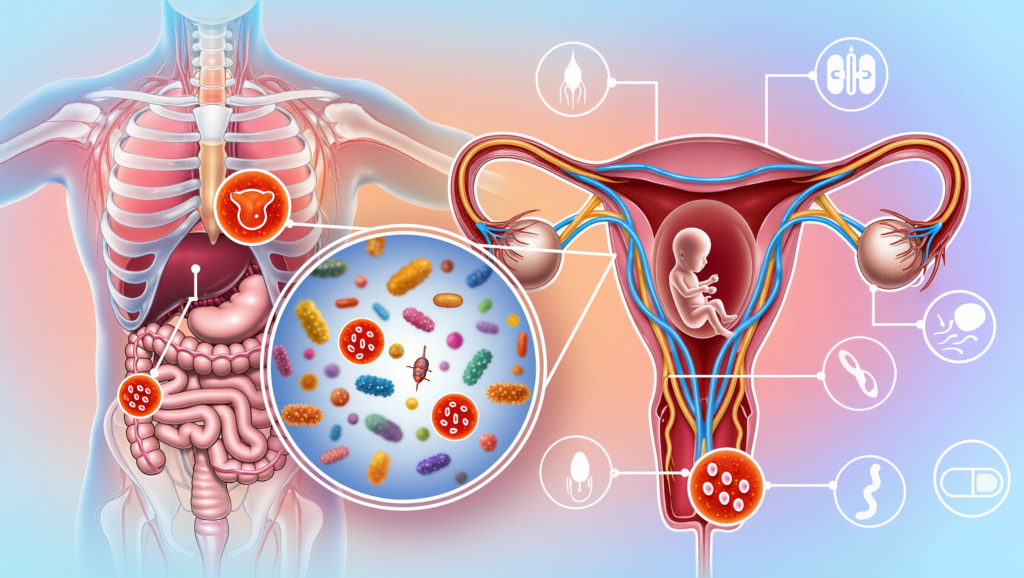












Your fertility doesn’t start in your ovaries or testicles—it starts in your gut. Not in a woo‑woo, “trust your gut” metaphorical sense, but in a very literal way: the microbes lining your intestines, the integrity of your gut barrier, and the level of inflammation leaking out of your gut all send constant signals to your hormones, immune system, and reproductive organs.
When that gut system is inflamed or leaky, those signals can quietly sabotage egg quality, sperm health, implantation, and pregnancy maintenance—even if your bloodwork looks “fine” and your ultrasounds are normal. Understanding this gut–fertility axis is one of the most empowering shifts you can make if you’re trying to conceive, dealing with miscarriage, or planning for a healthy pregnancy.
What is The Gut-Fertility Axis in Plain Language?
Researchers now talk about the gut microbiome as a full‑fledged endocrine and immune organ. It produces hormones and hormone‑like molecules, trains your immune system, regulates inflammation, and even talks to your ovaries, testes, uterus, and placenta via its metabolites and immune messengers.
A 2025 commentary in Cell Host & Microbe puts it bluntly:
- Women with reproductive disorders such as primary ovarian insufficiency, Polycystic Ovary Syndrome , decreased ovarian reserve, endometriosis, and early menopause show distinct gut microbiome signatures compared to healthy controls.
- Gut dysbiosis has been associated with infertility, poor response to IVF, recurrent implantation failure, and adverse pregnancy outcomes.
- Animal studies show that gut microbes and their metabolites influence both oocyte quantity and quality, as well as the speed at which females deplete their egg reserves.
A 2023 review on gut microbiome and reproductive endocrine diseases comes to a similar conclusion: dysbiosis and chronic low‑grade inflammation are woven into the story of PCOS, endometriosis, and unexplained infertility.
Bottom line: your gut ecosystem is not a side character; it’s a central player in whether conception is easy, difficult, or risky.
How Gut Inflammation Sabotages Reproductive Health
So what actually goes wrong when your gut is inflamed or “leaky”?
1. Metabolic endotoxemia: when bacterial toxins escape the gut
A 2023 Mendelian randomization study and a 2025 mechanistic review describe metabolic endotoxemia as a key link between dysbiosis and infertility.
Here’s the chain:
- When the gut microbiome is imbalanced and the intestinal barrier is compromised, LPS)—an endotoxin from Gram‑negative bacteria—leaks into the bloodstream.
- LPS binds to TLR4 (Toll‑like receptor 4) on immune cells and reproductive cells, triggering the MyD88–NF‑κB inflammatory pathway.
- This ramps up pro‑inflammatory cytokines like IL‑1β, IL‑6, and TNF‑α, leading to chronic low‑grade systemic inflammation.
That inflammation doesn’t just make you tired and puffy; it hits your reproductive system directly.
- In men, LPS‑driven inflammation damages blood vessels, disrupts the blood–testis barrier, and impairs spermatogenesis and sperm viability.
- In women, higher gut permeability and endotoxin levels correlate with higher CRP and IL‑6 in follicular fluid and lower progesterone production, suggesting LPS‑driven ovarian inflammation.
The 2023 MR paper notes that endotoxemia from gut dysbiosis is also negatively associated with luteinizing hormone (LH) production, which can:
- Disrupt ovulation timing
- Impair endometrial preparation
- Contribute to infertility or recurrent early pregnancy loss
In short: a leaky, inflamed gut floods your system with signals that say “crisis,” not “carry a baby.”
2. Immune dysregulation and autoimmunity
The gut is where your immune system learns the difference between “self” and “not self.” With dysbiosis:
- Regulatory T‑cells and other tolerance‑promoting mechanisms become less effective.
- Autoantibodies and aberrant immune responses become more likely.
A 2023 review points out that autoantibodies (thyroid antibodies, antiphospholipid antibodies, antinuclear antibodies) significantly reduce IVF success rates and are linked to infertility and miscarriage. Gut dysbiosis is increasingly implicated in driving these autoimmune patterns by maintaining a chronic inflammatory state and disturbing immune tolerance.
If your immune system is chronically mis‑calibrated because of your gut, it’s more likely to attack your own reproductive tissues, interfere with implantation, or treat an embryo as a threat instead of a guest.
3. Hormone disruption via the “estrobolome” and metabolic pathways
Your gut microbes help regulate:
- Estrogen metabolism – the “estrobolome” is the collection of gut bacteria that metabolise estrogens.
- Insulin sensitivity and lipid metabolism – key for PCOS and metabolic syndrome.
- Production of short‑chain fatty acids (SCFAs) like butyrate that improve insulin sensitivity and reduce inflammation.
When dysbiosis kicks in:
- β‑glucuronidase and other microbial enzymes can deconjugate estrogen in the gut, leading to altered recirculation and estrogen dominance or deficiency patterns.
- Shifts in microbial composition promote insulin resistance, hyperinsulinemia, and increased androgen production in PCOS.
- SCFA production often drops, removing a major anti‑inflammatory and insulin‑sensitising signal.
Reviews now argue that gut microbiome disruption is a key driver in PCOS, endometriosis, and other hormone‑related fertility disorders, both via metabolic and inflammatory routes.
Gut Health and Specific Fertility Conditions
PCOS: insulin resistance and androgen excess
PCOS is a classic gut–hormone–fertility triangle.
A 2023 review and clinical commentary note:
- Women with PCOS frequently show gut dysbiosis, with altered bacterial richness and composition.
- Dysbiosis contributes to insulin resistance, which worsens hyperandrogenism and anovulation.
- Certain genera (e.g., Coprococcus2) are associated with both PCOS and chronic low‑grade inflammation tied to obesity and ectopic fat.
The Coyle Institute’s 2025 clinical overview summarises it clearly: an unhealthy gut can promote systemic inflammation and metabolic dysfunction that directly exaggerate hormonal imbalances and symptom severity in PCOS.
Translation: if you’re only treating PCOS at the ovary or with metformin, but ignoring the gut, you’re leaving a major driver untouched.
Endometriosis: estrogen, inflammation, and pain
Gut microbiome dysbiosis is also increasingly implicated in endometriosis:
- Dysbiosis disrupts immune function, elevates inflammatory cytokines, and alters immune cell profiles.
- Over time, this chronic inflammation creates an environment conducive to lesion implantation, adhesion, angiogenesis, and pain.
- The gut microbiome also influences estrogen metabolism, potentially sustaining the high‑estrogen environment that feeds endometriotic lesions.
Clinicians now emphasise that improving gut health can reduce systemic inflammation and may help manage endometriosis pain and progression, alongside surgical and hormonal therapies.
Unexplained infertility, poor IVF outcomes, and miscarriage
Beyond diagnosable syndromes, several lines of evidence link gut dysbiosis and endotoxemia to “unexplained” fertility challenges:
- Women with infertility show different gut microbiota composition and higher inflammatory markers than fertile controls.
- Endotoxemia is associated with lower progesterone production, reduced LH, impaired endometrial transformation, and higher risk of implantation failure or early loss.
- The gut microbiome influences oocyte quality and ovarian reserve in animal models, and emerging human data suggest similar trends.
A 2025 paper notes that metabolic endotoxemia from gut dysbiosis can lead to habitual abortion by disrupting luteal hormones and inflaming ovarian and uterine tissues.
So that frustrating “everything looks normal” verdict on your fertility workup may actually mean “we’re not yet looking deeply enough at your gut and immune signatures.”
Pregnancy Outcomes: Your Gut Keeps Talking After Conception
The gut–fertility axis doesn’t shut off once you’re pregnant; it morphs into a gut–placenta–fetus axis.
A 2023 review on the microbiome in female reproductive health notes:
- The microbiome plays a critical role in conception and pregnancy outcomes.
- Disruptions in microbiome homeostasis are linked to gestational diabetes, preeclampsia, preterm birth, and other complications.
- High‑fibre diets, which support a healthier gut microbiome and more SCFAs, have been shown to improve health markers in women with gestational diabetes and shift their gut bacteria in a beneficial direction.
A University of Pittsburgh research group recently showed in animal models that gut bacteria regulate the rate at which females deplete their egg reserves and that dietary fibre can help preserve fertility and improve egg quality and pregnancy outcomes, even on a Western high‑fat diet.
In other words: your gut health before and during pregnancy influences not just whether you conceive, but how your pregnancy unfolds and how healthy your baby’s environment is.
Practical Ways to Calm Gut Inflammation and Support Fertility
All of this science is only helpful if it translates into things you can actually do. While you should work with your doctor or fertility specialist, there are clear, evidence‑aligned levers you can pull.
1. Build a microbiome-supportive, high-fibre plate
High‑fibre, whole‑food diets:
- Increase beneficial SCFAs like butyrate, which strengthen the gut barrier, reduce inflammation, and improve insulin sensitivity.
- Shift microbiome composition away from pro‑inflammatory patterns seen in metabolic and reproductive disorders.
A study following 120 women with gestational diabetes showed that a higher‑fibre diet improved health status and induced parallel changes in gut microbiota composition across pregnancy.
Foundational moves:
- Emphasise vegetables, fruits, legumes, whole grains, nuts, and seeds as daily staples.
- Reduce ultra‑processed foods rich in refined sugars and industrial fats, which promote dysbiosis and endotoxemia.
- Prioritise fermented foods (if tolerated) like yoghurt, kefir, sauerkraut, kimchi for microbial diversity.
2. Cut the drivers of gut permeability
High‑fructose, ultra‑processed, and alcohol‑heavy patterns are well‑known to disrupt barrier function:
- A 2023 study showed that high dietary fructose increased gut permeability, endotoxin levels, and mucosal inflammation.
- Chronic endotoxemia then feeds the same inflammatory and hormonal disruptions harming fertility.
Practical steps:
- Limit sugary drinks, desserts, and high‑fructose processed foods.
- Moderate alcohol, especially if fertility is a priority.
- Manage NSAID and other gut‑irritating drug use under medical guidance.
3. Support the gut–immune axis
Since immune tolerance is essential for implantation and pregnancy:
- Focus on stress management (chronic stress alters microbiota and gut permeability).
- Ensure adequate sleep, which stabilises immune and endocrine rhythms.
- Consider anti‑inflammatory dietary patterns (Mediterranean‑style) rich in omega‑3s, colourful plant foods, and minimal trans fats.
4. Look beyond the gut: vaginal and endometrial microbiomes
While this article focuses on the gut, reproductive microbiomes matter too:
- Lactobacillus‑dominated vaginal and endometrial microbiota (especially L. crispatus) are associated with higher implantation and live‑birth rates after IVF.
- Dysbiosis in these niches can amplify inflammation and impair implantation.
Because gut microbes can seed and influence other body sites, fixing the gut can indirectly improve downstream reproductive microbiomes.
When to Get Professional Help
If you’re facing:
- PCOS, endometriosis, or unexplained infertility
- Recurrent implantation failure or miscarriage
- Significant digestive issues (IBS, IBD‑like symptoms, chronic bloating, food intolerances)
…it’s worth involving both a reproductive specialist and someone comfortable working with gut health (functional medicine MD, GI specialist, or a dietitian familiar with the microbiome).
Emerging work from groups like the University of Pittsburgh stresses the need for integrating microbiome insights into fertility care, not treating the ovaries or uterus in isolation.
The Takeaway: No Healthy Pregnancy Without a Healthy Gut
We’re still in the early days of mapping every pathway in the gut–fertility axis, but the direction of evidence is clear:
- Gut dysbiosis and inflammation worsen PCOS, endometriosis, and unexplained infertility, and impair hormone balance and gamete quality.
- Increased intestinal permeability and metabolic endotoxemia interfere with progesterone, LH, implantation, and pregnancy maintenance, and are tied to miscarriage and poor IVF outcomes.
- Microbiome‑supportive nutrition and lifestyle—especially high‑fibre, whole‑food diets—can improve metabolic and inflammatory markers and may preserve fertility and improve pregnancy outcomes.
So while fertility workups still start with hormone panels, ultrasounds, and semen analyses, one essential, often‑neglected question is:
Tending that inner ecosystem—cooling inflammation, restoring barrier integrity, and feeding a diverse, resilient microbiome—isn’t a side project. It’s one of the most direct ways to make your body feel safe enough to conceive, carry, and nourish a new life.
https://pmc.ncbi.nlm.nih.gov/articles/PMC7971312 https://pmc.ncbi.nlm.nih.gov/articles/PMC10436605/ https://pmc.ncbi.nlm.nih.gov/articles/PMC12465865/