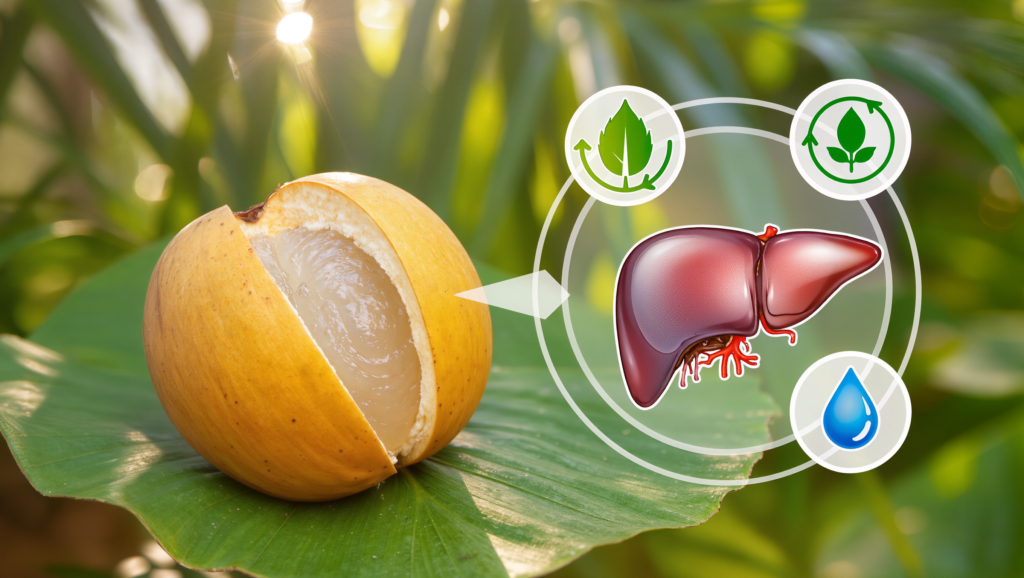












If your liver’s been on your mind lately—maybe your labs came back a bit off, you’re dealing with fatty liver, or you’re just feeling sluggish—it’s tempting to hunt for a single “detox” superfruit to fix it all. That’s where langsat (also called lanzones or Lansium domesticum) sometimes shows up online as a supposed “liver detox fruit.” In reality, langsat is a nutritious, antioxidant‑rich tropical fruit with some intriguing liver‑related science around its seeds and leaves—but it is not a magic detox button, and what’s been studied in labs is very different from just snacking on the fresh fruit.
Here’s a clear, science‑backed look at what langsat actually is, what parts of the plant show liver‑related effects, where the detox hype overshoots the evidence, and how you can realistically use fruits like langsat to support (not replace) proper liver care.
Meet Langsat: The Tangy Tropical You’ve Probably Never Tried
Langsat is a small, round to oval fruit native to Southeast Asia, especially Indonesia, Malaysia, and the Philippines, often sold under the names langsat, lanzones, duku, or kokosan depending on the cultivar.
- The fruit has a thin, pale or light‑brown skin that peels away to reveal translucent, segmented flesh.
- The taste is sweet‑tart and slightly grape‑like; the seeds are bitter and usually not eaten.
- Nutritionally, langsat flesh is a decent source of carbohydrates, some protein, vitamin C, vitamin A, B‑complex vitamins (especially thiamine and riboflavin), minerals (calcium, phosphorus, iron, potassium), and dietary fiber.
General wellness blogs and regional health sites highlight potential benefits like:
- Supporting digestion thanks to its fiber
- Providing antioxidants that help quench free radicals
- Contributing vitamins involved in cell growth, red blood cell production, and immune function
Those are all helpful for overall health, including the liver—but that’s very different from a specific, proven “liver detox” effect.
Where the “Liver Detox” Hype Comes From
The more dramatic claims about langsat and the liver usually come from three directions:
- General antioxidant content in the fruit flesh (vitamin C, polyphenols).
- Stronger antioxidant activity found in extracts from the seeds and sometimes the peel, which traditional medicine has used, and which lab studies show can neutralize free radicals.
- A broader body of research on other tropical fruits with hepatoprotective (liver‑protecting) activity, which gets loosely lumped together under “detox fruits,” even when the data is from completely different species.
For example:
- A methanolic extract of langsat (Lansium domesticum) seeds was shown to have strong antioxidant activity in vitro, with an IC₅₀ of ~57.7 µg/mL in one DPPH assay—comparable to what researchers call “strong” radical scavenging.
- A related study on duku (a langsat cultivar) found that methanol extracts of its seeds contained alkaloids, flavonoids, triterpenoids, tannins, and saponins, and exhibited very strong antioxidant activity.
Antioxidant activity matters because oxidative stress is a major driver of liver injury. But these findings don’t mean “eating langsat fruit detoxes your liver”—they mean that concentrated seed extracts show lab‑grade antioxidant power, a very different thing from a few ripe segments on your snack plate.
What We Actually Know About Langsat and Liver Health
There are three important caveats when you look at the actual science:
- Most liver‑related research is not on the edible flesh.
The strongest data are from seed or leaf extracts, often in alcohol (methanol or ethanol), tested in test tubes or with cell lines—not from people eating the whole fruit. - Not all studies are even about liver support.
For instance, one paper on Lansium parasiticum (a synonym for Lansium domesticum) looked at anti‑parasitic silver nanoparticles made with leaf extract, targeting gut worms. That’s interesting medicine, but not liver detox. - High‑dose extracts can be mildly toxic in animals.
An acute toxicity study on ethanol extract of Lansium domesticum leaves (a kokosan cultivar) in rats found that very high doses (up to 17,500 mg/kg) altered liver, kidney, brain, and heart weights and caused histological signs of tissue disruption—though not dramatically different from controls at lower doses. That’s a reminder that “more extract” is not automatically safer or more healing for the liver.
By contrast, there are well‑designed hepatoprotective studies on other fruits:
- Fruit rind extract of Garcinia dulcis showed significant protection against chemically induced liver damage in animals, normalizing liver enzymes and improving liver histology in a dose‑dependent manner.
- A standardized polyherbal extract including emblic (Indian gooseberry), tea, mango, pomegranate, and acacia demonstrated strong antioxidant and hepatoprotective effects on liver cells exposed to oxidative toxins in vitro.
These studies show clearly that fruit‑derived polyphenols and antioxidants can protect liver tissue—but they are not direct evidence that langsat flesh alone functions as a liver detoxifier in humans.
Antioxidants, Polyphenols and the Liver: How Fruits Can Help
Even if we strip away the “detox” marketing, there’s still a solid, plausible link between antioxidant‑rich fruits like langsat and better liver resilience:
- Oxidative stress and inflammation are central to liver injury in conditions like alcohol‑related damage, non‑alcoholic fatty liver disease (NAFLD), and toxin exposure.
- Fruit‑based polyphenols (like gallic acid, ellagic acid, flavonoids, and tannins) can reduce oxidative stress, lower inflammatory signaling, and modulate lipid metabolism in the liver.
- A 2025 review on longan (another tropical fruit historically used for liver support) showed longan by‑products contain polyphenols like corilagin, gallic acid, ellagic acid, and flavonoids that decrease oxidative stress and inflammation and modulate detoxification and lipid pathways relevant to fibrosis, hepatitis, and NAFLD.
Langsat’s seeds and possibly its peel have similar classes of compounds—phenolics, flavonoids, triterpenoids—that can, at least in lab settings, neutralize free radicals and potentially protect tissues from oxidative damage. That doesn’t prove liver‑specific action, but it does support the idea that regular consumption of antioxidant‑rich fruits, including langsat when available, contributes to a more favorable oxidative environment for the liver.
Langsat vs True “Detox”: Setting Realistic Expectations
From a liver‑health perspective, here’s what langsat can and can’t do:
What Langsat Can Realistically Contribute
- Antioxidant support: The flesh contains vitamin C and other antioxidants, and the seeds and peel contain potent antioxidant phytochemicals (in extracts). These compounds help reduce systemic oxidative stress, which indirectly benefits liver cells.
- Support for digestion and regularity: Langsat is “fibrous” and traditionally used for easing constipation and mild digestive issues; fiber helps with bile acid binding and waste elimination, which is supportive for liver load over time.
- General micronutrient support: Riboflavin and thiamine (B‑vitamins) in langsat are important for energy metabolism and may assist liver enzymes in normal metabolic functions.
What Langsat Cannot Do
- It cannot “flush” toxins out of your liver overnight. True detoxification is enzyme‑driven in the liver (Phase I/II detox pathways) and kidneys. Fruit can support those systems, but it doesn’t turn your body into a conduit that “washes toxins out” in the pop‑culture sense.
- It cannot reverse significant liver disease on its own. Conditions like NAFLD, hepatitis, or cirrhosis require medical care, consistent dietary and lifestyle changes, and sometimes medications—not just a fruit habit.
- It is not a clinically proven hepatoprotective therapy. Unlike some better‑studied botanicals (e.g., milk thistle) or fruit rinds like Garcinia dulcis in animal models, there is no strong human clinical trial showing langsat fruit intake alone restores liver function markers.
In other words: see langsat as a potentially helpful, antioxidant tropical fruit—not as your one and only liver cure.
How to Use Langsat (Safely) as Part of a Liver‑Friendly Diet
If you can find fresh langsat or lanzones where you live and want to include it as part of a liver‑supportive pattern, here’s how to do it sensibly:
1. Focus on the Flesh, Not DIY High‑Dose Extracts
- Eat the peeled fruit segments, avoiding the bitter seeds, which are not typically consumed and are where most extract studies focus.
- Do not try to copy methanolic/ethanolic seed or leaf extracts at home. Those were tested under controlled conditions, and high‑dose leaf extracts showed signs of organ weight changes and histological disruption in rat livers at very high doses.
2. Make It Part of a Rainbow, Not a Single Superfruit
Your liver thrives on diversity:
- Combine langsat (when in season) with other high‑antioxidant fruits known to have liver‑relevant compounds, like berries, pomegranate, citrus, and perhaps longan if available.
- Consider more than just fruit: green tea, turmeric, cruciferous vegetables, and whole grains all contribute polyphenols and sulfur compounds that help detox enzymes work efficiently.
The best evidence for dietary liver protection comes from overall patterns (Mediterranean‑style, plant‑rich diets), not single foods.
3. Pair It With the Fundamentals of Liver Health
No fruit will help much if the basics aren’t addressed:
- Limit alcohol or avoid it entirely if you already have liver troubles.
- Keep added sugar and refined carbs low; fatty liver is strongly linked to excess fructose and simple sugars from sweetened drinks and processed foods—not from moderate whole fruit.
- Maintain a healthy weight and waist circumference; even modest weight loss can significantly improve liver fat and enzyme levels in NAFLD.
- Exercise regularly to improve insulin sensitivity and fat metabolism, which strongly influence liver health.
Langsat can be a tasty, antioxidant‑rich dessert or snack that replaces ultra‑processed sweets—that is how it most realistically helps your liver.
4. Talk With Your Clinician Before Using Any Concentrated Extracts
If you see supplements made from langsat seed, peel, or leaf extracts, remember:
- Human safety data are very limited; most work is in vitro or in animals.
- Leaf extracts at high doses showed organ weight changes and subtle tissue disruption in animal livers and other organs, even though not statistically dramatic at mid‑range doses.
- Always disclose any herbal extracts to your doctor, especially if you’re on medications or have diagnosed liver disease.
How Langsat Compares to Other “Liver Fruits”
To put things in perspective:
- Longan: Traditional use for liver support is backed by modern reviews showing its by‑products’ polyphenols can reduce oxidative stress, inflammation, and dysregulated lipid metabolism in liver disease models.
- Garcinia dulcis: Fruit rind extract shows clear hepatoprotective effects against chemical liver injury in animals, normalizing enzymes and improving histology.
- Mixed fruit polyphenol blends (amla, tea, mango, pomegranate, acacia): In vitro work demonstrates robust antioxidant and protective effects on liver cells exposed to toxins.
Langsat’s specific liver data are thinner and more indirect. Its strongest credentials are:
- Seed and peel extracts with strong antioxidant activity in lab tests.
- General antioxidant and digestive support from the fresh fruit flesh.
So while langsat may well be “liver‑friendly,” it’s more accurate to call it a nutritious, antioxidant tropical fruit with promising phytochemicals, not a uniquely proven “powerful liver detox fruit.”
Bottom Line: A Helpful Ally, Not a Liver Miracle
If your liver numbers are off or you’re worried about long‑term liver health, langsat can absolutely be part of a smart plan:
- It provides vitamin C, fiber, and antioxidants that help reduce oxidative stress and support overall metabolic health.
- Extracts from non‑edible parts (seeds, leaves) show interesting antioxidant and even anticancer activities in liver cell lines—but those are early‑stage, high‑tech lab findings, not ready‑made detox cures.
- Overdoing concentrated extracts can stress organs in animals, underscoring that natural is not the same as harmless at any dose.
Use langsat the way traditional diets have: as one piece of a varied, plant‑rich eating pattern, not as a one‑fruit solution. Combine it with lifestyle fundamentals—low alcohol, low ultra‑processed sugar, healthy weight, regular movement—and evidence‑based medical care. That’s the real recipe for a healthier liver, with or without the trendiest tropical fruit of the moment.
- https://pmc.ncbi.nlm.nih.gov/articles/PMC5541483/
- https://pmc.ncbi.nlm.nih.gov/articles/PMC3371432/
- https://tis.wu.ac.th/index.php/tis/article/view/6437