











When you whip up your daily green smoothie, you probably picture a glass of pure health: leafy greens, maybe some fruit, maybe a dollop of yogurt—it’s practically a wellness halo in a cup. But what if that virtuous habit is quietly sabotaging your health or weight-loss goals? If you find yourself bloated, a slave to sugar cravings, or perplexed by sneaky weight gain despite your “healthiest” habit, you might be doing your smoothie all wrong. Let’s pull back the (kale) curtain and dive into the science, diet pitfalls, and smart tweaks—so your green smoothie actually helps you, not hurts you.
Why Green Smoothies Aren’t Always Diet Superstars
Green smoothies can absolutely be healthy—they’re a great way to boost your veggie intake, get fiber, and sneak in a few antioxidants. However, not all green smoothies are created equal. The trouble starts when healthy intentions mix with some sneaky mistakes.
Mistake 1: The Sugar Bomb
Too many home blender fans (and even so-called “healthy” juice bars) load up their greens with fruit juice, honey, sweetened yogurts, or a mountain of bananas and mango. The result? Sugar overload, even if it’s “natural.” One tablespoon of honey adds over 60 calories—and that’s on top of already-sweet fruit. Processed juices and sweetened nut milks add hidden sugars that spike your blood sugar, trigger insulin surges, and can set you on a hunger and crash rollercoaster.
The Fix:
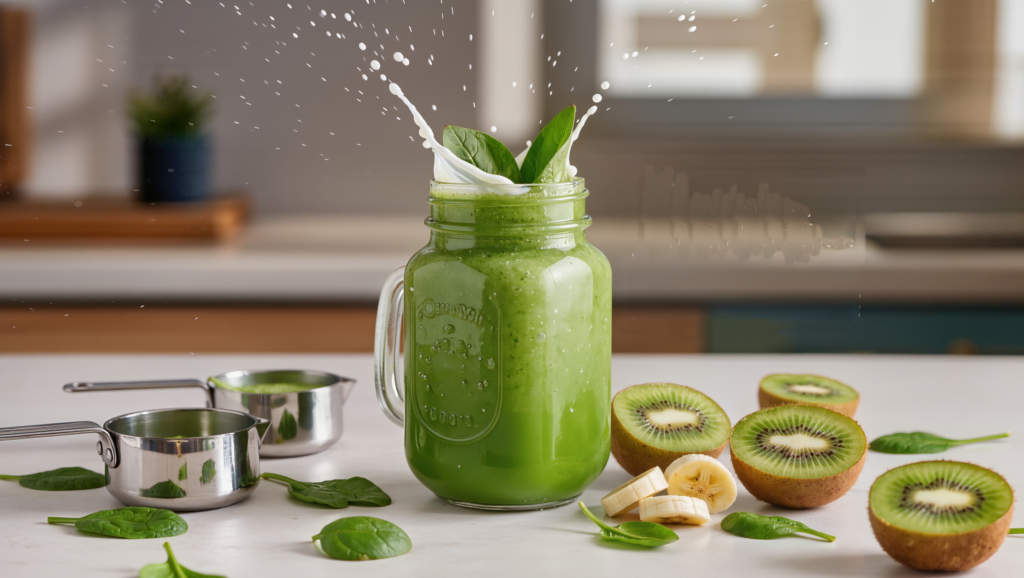
Rely on low-sugar fruit like berries or kiwi. Choose water, unsweetened almond milk, or coconut water as your liquid. If sweetness is a must, toss in a chunk of frozen sweet potato or pumpkin puree—they’ll add creamy texture with less sugar impact than fruit or refined sweeteners.
Mistake 2: Too Much Dairy (or the Wrong Kind)
A big splash of full-fat yogurt, milk, or even ice cream (be honest!) can quietly rack up excess calories and saturated fat. For those with mild dairy intolerance, this habit can cause bloating, discomfort, and inflammation that sabotages your gut and metabolism.
The Fix:
Opt for unsweetened plant-based milks (almond, oat, hemp, coconut) or a little plain yogurt if you digest it well. Skip “dessert-style” add-ins, especially from coffee shop menu boards that rely on creamers or sugary blends.
Mistake 3: Skipping Protein and Healthy Fats
A smoothie of just greens and fruit, while nutrient-rich, is rarely filling for long—and it won’t help with weight loss unless it includes protein and healthy fat to slow down the absorption of those natural sugars and control your appetite.
The Fix:
Add nut butter, hemp or chia seeds, Greek yogurt, or a scoop of unflavored protein powder. A little avocado offers fiber and creaminess, turning a veggie fruit drink into a balanced meal that keeps you full.
Mistake 4: Going Overboard on Fruit
Even fruit has calories, and a smoothie brimming with bananas, mango, pineapple, and oranges can add up fast—some smoothies clock in at 400+ calories. Worse, when fruit is blended, you lose the satiety cons of eating whole pieces (like chewing)—making it easy to slurp down a lot more than you’d eat as whole fruit at breakfast.
The Fix:
Make greens the base, use ½–1 small banana or a half cup berries for sweetness, and prioritize fiber-adding extras (think hemp hearts, chia, ground flax.
Mistake 5: Hidden Oxalates and “Too Much of a Good Thing”
Raw spinach, kale, and other cruciferous greens have plenty of health benefits but can be high in oxalates—compounds that, in excess, may contribute to kidney stones or interfere with mineral absorption for some people. Some greens (like raw kale) can also be goitrogenic, potentially interfering with thyroid function if eaten in very large amounts, especially if your diet is low in iodine.
The Fix:
Rotate your greens—switch between spinach, kale, chard, romaine, and arugula. Lightly steam more robust greens before blending or balance them with vitamin C-rich fruit to reduce antinutrient impact.
Mistake 6: Store-Bought Smoothie Surprises
Pre-made smoothies, even from high-end juice bars, often load up on fruit juice, added sugars, and mysterious syrups. Many are 300–500 calories per serving with sky-high sugar (30–50 grams is not uncommon). If you’re not reading the label, you might be drinking more dessert than breakfast.
The Fix:
DIY at home or check ingredient lists and nutrition panels carefully. Look for under-20g sugar, real-food ingredients, and at least 5g fiber per serving.
Science-Backed Perks of Green Smoothies (When Done Right)
Despite the pitfalls, the green smoothie still has loads of potential—if you optimize the recipe:
- Weight-loss support: Fiber and water volume from greens plus slow-digesting fats/proteins help with satiety and calorie control.
- Lower blood pressure and improved waistlines: A small randomized trial found daily green smoothie drinkers improved their waist circumference and some digestive symptoms after just 4 weeks, even without radical diet changes.
- Nutrient boost: Greens add magnesium, vitamin K, folate, and antioxidants to your diet, combatting oxidative stress and inflammation behind many modern diseases.
- Convenience: Fast, portable, and easy to customize for allergies or family tastes.
How to Make the Perfect Green Smoothie (That Won’t Wreck Your Goals)
- Start with 1–2 cups of leafy greens (spinach, kale, romaine, chard).
- Add ½ cup low-sugar fruit (berries, green apple, kiwi, or citrus).
- Choose a protein source: ½ cup Greek yogurt, scoop of plant-based powder, or a tablespoon of nut butter.
- Blend in healthy fats: Tablespoon chia or flax seeds, or ¼ avocado.
- Add liquid: Water, chilled herbal tea, or unsweetened plant milk.
- Enhance with extras: Cinnamon (for blood sugar), ginger (for digestion), or cacao (for taste and mood).
- Limit sweeteners: If using any, opt for small amounts of date, stevia, or monk fruit (and skip altogether if possible).
Pro Tips and Daily Habits
- Don’t treat your smoothie like a sip-and-forget snack: Use as a meal or a well-constructed snack, not just a vitamin chaser.
- Balance smoothie days with solid meals: Chewing signals satiety to your brain in ways blended drinks can’t.
- Freeze greens and herbs in advance: Great for reducing waste and improving blendability.
Final Thoughts: Don’t Let Your Green Smoothie Be Your Downfall
Green smoothies are classic “health food”—but too many well-intentioned blends are calorie bombs in disguise, loaded with sugar and missing the satisfying protein/fat you need for true wellness. Swap in a smarter recipe, use ingredients that suit your needs, and let your smoothie be a genuinely healthy staple—not just a sweet, green-colored treat.
Did you find this article helpful? Support us by following us on our social media for more content on natural health and wellness:: Youtube, Instagram, Facebook, Pinterest, Twitter (X)