











Peat bogs don’t look like much at first glance—just soggy ground, scrubby plants, maybe a few stunted trees. But if you grow (or buy) organic food, those “wet wastelands” are quietly doing you a huge favor. They filter water, lock down carbon, and slowly concentrate plant‑based bioactives in a way that essentially turns them into a giant, living Brita filter and pharmacy for surrounding landscapes and crops.
They’re also under massive pressure from drainage, extraction, and agriculture—so understanding how they work (and how to farm with them, not on top of them) is becoming a core piece of climate‑smart, organic agriculture
Let’s dig into what peat bogs actually are, how they act as filters and medicine chests, and what that means for organic crops and consumers.
Peat Bogs 101: Ancient Wetland, Not Just “Dirt”
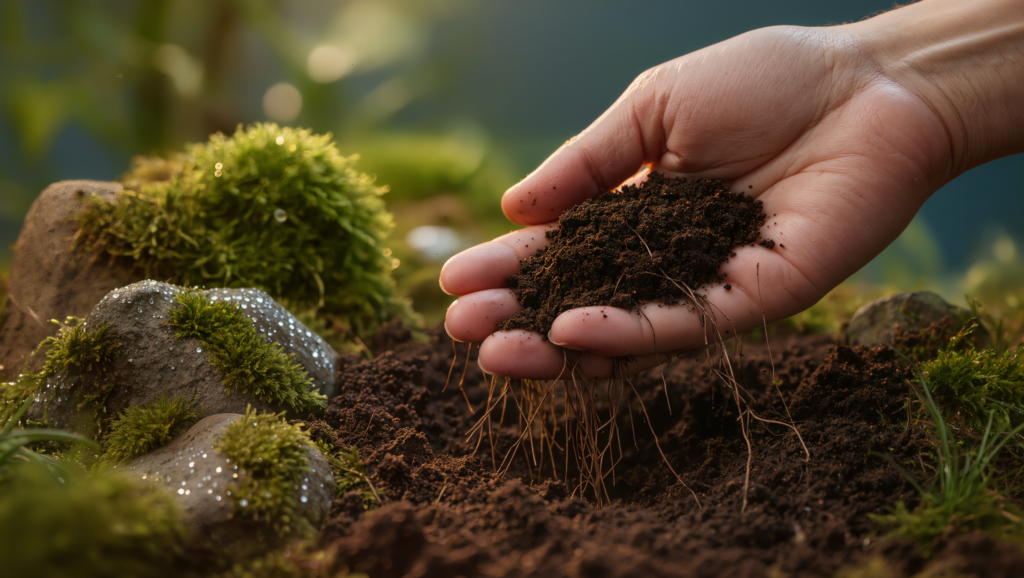
A peat bog is a type of peatland—waterlogged, acidic, low‑oxygen soils built from partially decomposed plant material (peat) that’s been accumulating for thousands of years.
Key features:
- Ultra‑slow decay: Cold, wet, acidic conditions slow decomposition so much that dead mosses and plants build up in layers, often several meters deep.
- Carbon vaults: That half‑rotted plant matter locks away carbon that would otherwise be released as CO₂. Intact peatlands are among the planet’s most efficient long‑term carbon sinks.
- Nutrient‑poor but specialized: Bogs are extremely low in available nutrients, so only specialist plants—like sphagnum mosses, cotton grass, and carnivorous sundews—thrive there.
The Ramsar Convention (the main global wetlands treaty) describes intact peatlands as systems that trap and store carbon, regulate water cycles, purify water, and support unique biodiversity. The Institute for Environmental Research makes essentially the same list: carbon storage, water regulation, natural filtration, and habitat.
That’s already more than “dirt.” But for organic growers, two functions stand out: water filtering and bioactive concentration.
Nature’s Brita Filter: How Peat Bogs Clean and Regulate Water
1. Giant sponges that smooth out extremes
Think of a bog as a slow‑motion water battery:
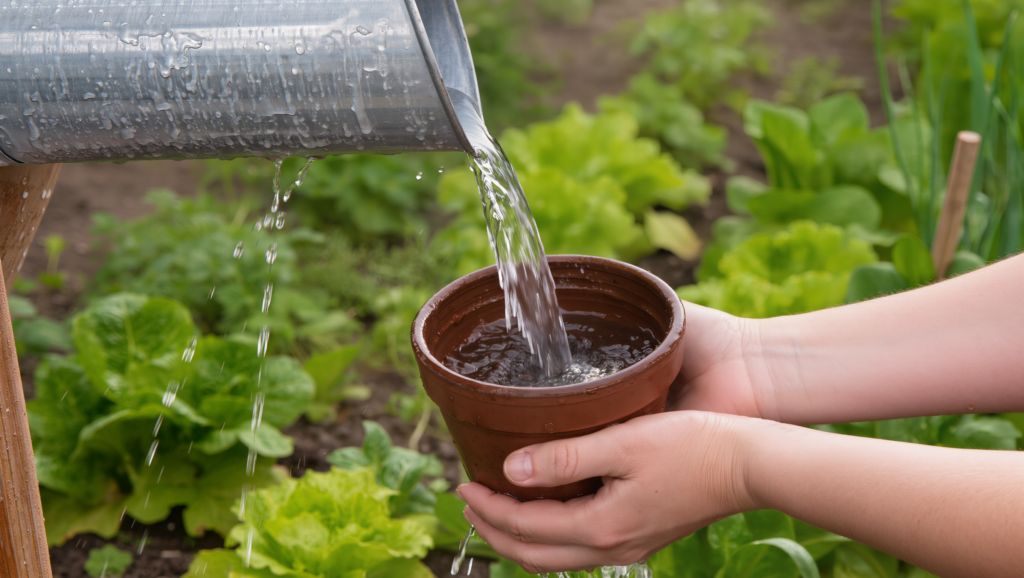
- During heavy rain, peatlands soak up and store water, reducing peak flows and downstream flood risk.
- During dry spells, they release water slowly, maintaining base flows in streams and raising local humidity.
Biology Insights notes that peat bogs “act like natural sponges, absorbing water during periods of heavy rainfall and slowly releasing it over time,” which helps prevent floods, maintain streamflow, and stabilize water supply. Ramsar describes the same buffering effect as a core ecosystem service.
For organic farms and gardens downstream, that means:
- Less violent water swings (fewer erosion‑causing floods, fewer bone‑dry ditches).
- More stable moisture regimes, which support soil life and crop resilience.
2. Natural filters for metals, nutrients, and organic pollutants
Peat is rich in humic and fulvic substances—complex organic molecules with lots of charged sites that behave like a giant ion‑exchange resin.
These compounds can:
- bind heavy metals and some organic pollutants
- trap excess nutrients (like nitrogen and phosphorus) before they wash into rivers
- physically and chemically filter water moving through the bog
Ramsar explicitly states that peatlands “purify water” as it passes through, while Europe‑wide guidance for peatlands describes them as filters that remove pollutants and regulate water quality.
From a farmer’s perspective, intact upstream peat bogs:
- improve the raw irrigation water quality reaching fields
- reduce the nutrient and contaminant load hitting downstream ecosystems
- help maintain cleaner groundwater and surface water for organic operations that can’t rely on aggressive chemical treatment
It’s not as simple as “peat cleans everything,” but it’s a powerful, landscape‑scale filtration layer that conventional agriculture often takes for granted.
Peat as a Pharmacy: 40,000 Years of Plant Chemistry in One Place
Here’s where peatlands get really interesting for organic “health‑focused” growers and consumers.
1. Bogs as living herb gardens
A peat bog is effectively a hyper‑specialized medicinal plant garden.
Sphagnum mosses, cranberries, bog rosemary, heathers, sundews, and dozens of other species grow in these nutrient‑poor, stressed conditions. To survive, they produce:
- antimicrobial compounds
- antioxidant polyphenols
- unique polysaccharides and acids
A clinician who has worked with medicinal peat (“moor mud”) notes that bog systems they visited in the Czech Republic and Hungary contained “over 300 medicinal plants” in a single moorland complex, describing these bogs as “extraordinary herbal apothecaries.”
Over thousands of years, as these plants die and partially decompose:
- their enzymes, trace minerals, plant hormones (phytohormones), amino acids, fatty acids, and vitamins are transformed
- humic and fulvic acids accumulate from this slow biodegradation
- complex mixes of bioactive compounds concentrate in the peat peloids (peat used therapeutically)
The same author emphasizes that medicinal peat is the result of tens of thousands of years of biodegradation and transformation of plant and microbial material, aided by a diverse benthic community of microorganisms and soil fauna. Without water and that microbial engine, “the production of peat peloids would be nearly impossible.
2. Medicinal peat in human therapy
Historically, peat and sphagnum bog materials have been used as:
- topical therapies and baths for joint pain, arthritis, and skin conditions
- wound dressings: Sphagnum moss and some peats were used as surgical dressings and in field hospitals during World War I because of their absorbency and mild antiseptic properties.
- balneotherapy (mud baths) in European spa medicine—especially in Central Europe—for anti‑inflammatory, hormonal, and detoxification support
The medical literature describes moor mud/peat as rich in humic acids with anti‑inflammatory, astringent, and potential endocrine‑modulating effects, plus a spectrum of trace elements and phytohormones. Sphagnum‑derived polysaccharides (like sphagnan) have been investigated for antimicrobial and wound‑healing properties.
From an organic‑soil and crop perspective, this matters because:
- Many of the same humic and fulvic substances that make peat medicinal in balneotherapy also influence nutrient availability, root growth, and microbial life when present in soils or peat‑based substrates.
- Peat environments act as long‑term reactors for plant secondary metabolites, concentrating and transforming them into forms that can interact with biology—including soil microbes, plant roots, and ultimately human consumers.
You’re not “feeding your crops a medicine” every time you use peat, but you are tapping into a medium with a very long history of plant‑based biochemistry and bioactivity.
Peat, Organic Crops, and the Big Sustainability Tension
Here’s where things get complicated—and where “more than just dirt” becomes a policy issue.
1. Peat is a powerful growing medium—but it’s effectively non‑renewable
Peat is:
- fluffy, sterile (when processed), and excellent at holding both water and air
- naturally acidic, which can be adjusted to suit many crops
- ideal for seedling plugs, potting mixes, and specialty crops in controlled organic systems
Not surprisingly, the horticultural industry (organic and conventional) has leaned heavily on peat as a soilless substrate.
But:
- Peat accumulates at ~1 mm per year in many bogs—so commercial extraction that strips centimeters or meters in a decade is mining an ancient resource faster than it can regenerate.
- Draining bogs for peat extraction or agriculture flips them from carbon sinks to major CO₂ emitters, as oxygen rushes in and millennia of stored carbon oxidize.
The EU and conservation groups are now explicit: “To reach climate neutrality by 2050, virtually all drained peatlands in the EU need to be rewetted.” Targets under proposed nature laws call for restoring 30% of agricultural peatlands by 2030, 40% by 2040, and 50% by 2050, with significant portions rewetted at each step.
So while peat is an amazing medium for organic seedlings, mining intact bogs to get it directly undermines climate and water‑regulation goals that organic farming claims to support.
2. Organic rules are tightening on peat use
European organic standards and high‑bar labels have started to restrict peat:
- A Naturland vs. EU organic comparison document notes that peat use is capped at 80% for seedlings and 50% in other substrates (like potted herbs and ornamentals) in some advanced organic standards.
- There’s intense pressure in the EU to phase down horticultural peat use and switch to renewable alternatives (composted bark, coir, wood fiber, etc.), especially as peatland restoration targets ramp up.
For organic growers, that means:
- You can’t treat peat as an infinite, guilt‑free input.
- You need to think in terms of “peat‑lite” or peat‑free systems while supporting peatland restoration upstream.
How Peat Bogs Indirectly Support Organic Crops
Even if you never use a bag of peat moss, intact peat bogs still act as invisible infrastructure for organic systems.
1. Cleaner, more predictable water
As noted above, bogs:
- regulate flows (fewer floods and drought shocks)
- filter water, improving quality downstream
If your organic farm draws from a watershed with intact peatlands:
- You benefit from fewer sediment and nutrient spikes, which can otherwise throw off soil life and crop performance.
- You get more stable irrigation reliability, which supports organic practices like reduced tillage, cover cropping, and biologically active soils that hate “feast or famine” moisture extremes.
2. Climate stability and local microclimates
Intact peatlands store massive amounts of carbon:
- Globally, peatlands are estimated to contain hundreds of gigatons of carbon, with each hectare of tropical peatland storing about 60 tonnes of carbon per 10 cm of depth.
- Scottish restoration case studies emphasize that peat bogs, though nutrient‑poor, keep plant carbon “trapped in perpetuity” as long as they stay waterlogged and undisturbed.
Keeping that carbon in the ground:
- slows climate warming
- stabilizes regional hydrology and weather patterns
- reduces the likelihood of extreme events that stress organic systems first, because they often rely on biological instead of hard‑chemical buffers
In simpler terms: a world with healthy peatlands is easier to farm organically in.
How To Use Peat’s “Filter and Pharmacy” Power Responsibly
If you’re a grower or serious organic home gardener, you’re stuck in a tension:
- Peat‑based substrates are fantastic for seedlings and some specialty crops.
- But draining and mining peat bogs for horticulture undermines the very ecosystem services that make organic agriculture viable long‑term.
Here’s how to navigate that.
1. Treat peat as a specialist ingredient, not the default
- Use high‑quality peat mixes only where they truly change outcomes (e.g., propagation of difficult seedlings, high‑value perennials in pots).
- Follow strict ratios (e.g., ≤50% peat in general potting mixes) where standards recommend them.
- For bulk soil improvement, use compost, well‑managed manure, green manures, and local organic matter, not peat.
2. Shift toward peat‑reduced or peat‑free mixes
Experiment with blends that include:
- composted bark or wood fiber
- coir (with sustainability caveats)
- leaf mold and high‑quality compost
- biochar and other structure‑builders
These can mimic some of peat’s structure and water‑holding while drastically reducing demand on living bogs. Over time, this reduces pressure to drain and cut peatlands that are far more valuable left in place as filters and pharmacies.
3. Support peatland restoration in your region
If you’re in Europe or other peat‑rich regions, look for and support:
- peatland restoration projects under national or EU programs (like Peatland ACTION in Scotland, or EU Nature Restoration initiatives targeting peat soils).
- local conservation groups working to rewet drained bogs currently under low‑intensity agriculture or forestry.
For growers, this isn’t just charity; it’s self‑interest:
- rewetted peatlands reduce flooding risk to fields
- they stabilize water tables for irrigation
- they lock down carbon in your broader production landscape
What This Means for Organic Consumers
If you’re on the eating, not farming, side, peat bogs and organic crops still intersect in ways worth caring about.
1. Organic labels don’t automatically mean peat‑friendly
Most baseline organic standards focus on inputs and residues, not landscape‑level ecosystem services. Many certified‑organic greenhouse herbs, seedlings, and potted veg are still grown in peat‑heavy substrates.
Ways to nudge the system:
- Ask nurseries and box schemes if they use peat‑free or peat‑reduced composts.
- Prefer producers that explicitly mention peat‑free practices.
- Support organic standards or brands that go beyond the minimum and restrict peat use more tightly.
2. Eating more organic, plant‑rich food still helps peatlands
Global peatland policy is now tightly tied to climate targets: EU guidance estimates that restoring and rewetting drained organic soils could cut tens of millions of tonnes of CO₂‑equivalents annually by 2030.
Shifting diets toward:
- less beef and dairy from drained peatland pastures
- more plant‑based foods grown on mineral soils or rewetted landscapes
…reduces pressure to keep peatlands drained for intensive livestock and feed production.
In other words, a plant‑rich, organic‑leaning diet indirectly supports peatland restoration, which in turn supports cleaner water and climate resilience for agriculture as a whole.
The Take‑Home: Think of Peat Bogs as Infrastructure, Not Inputs
When you zoom out, peat bogs are:
- Carbon vaults that slow climate change.
- Water sponges and filters that smooth extremes and purify what flows into fields and wells.
- Ancient herbal reactors where plant chemistry, microbes, and minerals build up into humic‑rich “moor mud” with documented therapeutic and bioactive properties.
For organic agriculture, that makes peatlands:
- part water utility,
- part climate‑control system,
- part upstream pharmacy for the landscape.
The more we treat peat simply as “cheap potting dirt” to be mined, the faster we dismantle those services. The more we value and restore bogs as living infrastructure—and use peat sparingly and intelligently—the easier it becomes to grow clean, nutrient‑dense organic crops in a world that still has stable water, climate, and wild plant chemistry working quietly in our favor.
Sources
https://pmc.ncbi.nlm.nih.gov/articles/PMC5849649 https://pmc.ncbi.nlm.nih.gov/articles/PMC5849649/