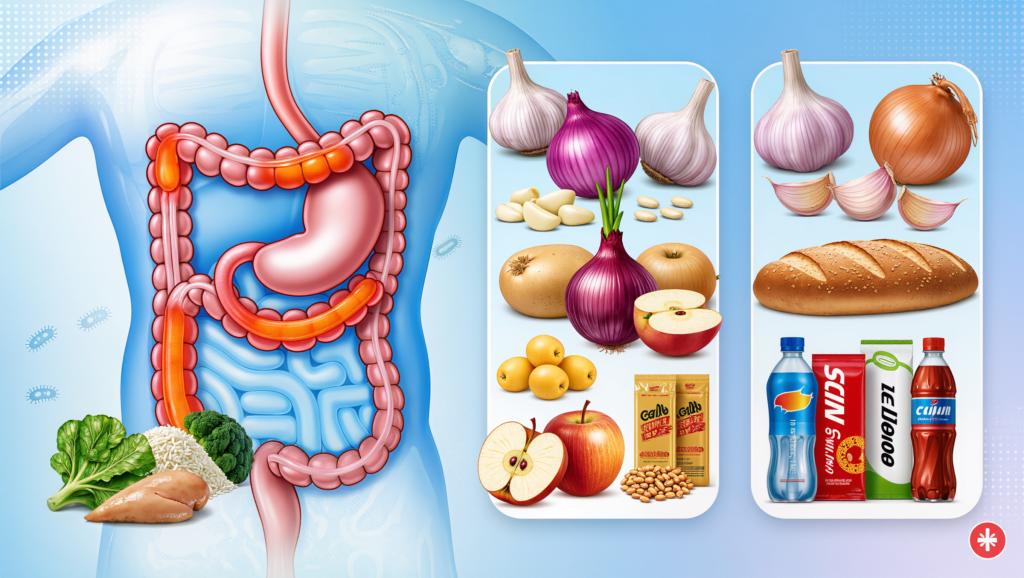












If you’re living with small intestinal bacterial overgrowth (SIBO), it can feel like your gut is reacting to literally everything: bloat after “healthy” salads, pain after beans, brain fog and fatigue after snacks that never used to bother you. Diet absolutely matters here—but not because food alone can “cure” SIBO. The current consensus is that nutrition is best used as a symptom‑management and support tool, alongside medical or herbal treatment, not as a standalone fix. Diets that reduce fermentable carbohydrates can ease gas, bloating, and pain by starving bacteria of some of their fuel, but they don’t reliably clear overgrowth by themselves.
So instead of “the” SIBO diet, think in terms of phases and principles: a time‑limited period of reducing fermentable carbs to calm symptoms, layered into a bigger plan that may include antibiotics or herbal antimicrobials, prokinetics, and motility support. The ultimate goal is not to eat almost nothing forever—it’s to relieve symptoms, treat the overgrowth, then rebuild a broad, diverse, higher‑fibre diet you can live with long‑term.
Below is a deep dive into what to eat, what to avoid (for a time), how long to stay restrictive, and how to work your way back to “normal” without triggering constant flares.
What Is SIBO?
Small intestinal bacterial overgrowth means you have too many bacteria, and/or the wrong types, in the small intestine—an area that normally has relatively low counts compared to the colon. This can happen when
- Motility (peristalsis, migrating motor complex) is impaired.
- Stomach acid is low, or the ileocecal valve is dysfunctional.
- Structural issues, surgery, or other conditions change the small bowel environment.
Excess bacteria ferment carbohydrates too early, in the small intestine instead of the colon, leading to:
- Bloating, distension, and pain.
- Gas (often very fast after eating).
- Diarrhoea, constipation, or alternating patterns.
- Nutrient deficiencies and malabsorption (e.g., vitamin B₁₂, iron).
Because the small intestine is where most nutrients should be absorbed, a crowded, inflamed small bowel can also lead to fatigue, low B‑vitamins, iron deficiency and weight changes.
Diet’s Role: Powerful, But Not a Standalone Cure
Several SIBO‑focused clinicians and guideline summaries make the same core points:
- Diet can significantly reduce symptoms by limiting fermentable substrates (carbs bacteria love).
- It can support treatment (antibiotics or herbs) and improve quality of life.
- Diet alone does not reliably eradicate overgrowth; it’s symptom‑supportive, not curative.
- Over‑restricting for too long can harm the broader microbiome and nutrient status, so restriction should be as strict as necessary, for as short as possible.
In short: food is part of the therapy, but it is not the therapy.
Common evidence‑informed dietary frameworks for SIBO include:
- Low‑FODMAP diet (classically used in IBS).
- Specific Carbohydrate Diet (SCD).
- SIBO‑Specific Food Guide (SSFG, by Dr Allison Siebecker – a hybrid of low‑FODMAP + SCD).
- Bi‑phasic diet (two‑phase, structured SIBO plan by Dr Nirala Jacobi).
- Low‑fermentation diet (focus on timing and fermentability, popular in motility clinics).
All of them work on the same core idea: cut back fermentable carbs to deprive bacteria of easily fermentable fuel and calm symptoms.
The Big Idea: Fermentable Carbs Are the Main “Lever”
Most SIBO diets focus on reducing FODMAPs—Fermentable Oligo‑, Di‑, Mono‑saccharides And Polyols. These are short‑chain carbs that are poorly absorbed and readily fermented by gut bacteria.
Main FODMAP categories that often trigger SIBO symptoms:
- Fructose – in some fruits, honey, agave.
- Lactose – in milk and some dairy.
- Fructans – in wheat, onions, garlic, some other veg.
- Galactans – in beans, lentils, certain pulses.
- Polyols – sugar alcohols like sorbitol, mannitol, xylitol (in sugar‑free gums, candies; also in some fruits).
A lower‑FODMAP or low‑fermentation pattern reduces the amount of these carbs reaching the small intestine, so there’s less substrate to ferment, less gas and distension, and often less pain.
What to Foods To Avoid When You Have SIBO
Remember: this is not forever. The elimination/restriction phase is usually 2–6 weeks, not a permanent lifestyle.
1. High‑FODMAP grains and starches
- Wheat‑based bread, pasta, crackers.
- Rye and barley (especially in large amounts).
- Large portions of white rice with other fermentables can also be problematic for some, though rice itself is low‑FODMAP; you may simply need moderate, not huge, portions.
SIBO protocols like the SIBO‑Specific Food Guide and Bi‑phasic diet also reduce or temporarily remove many refined carbs and added sugars, which can worsen dysbiosis.
2. Gas‑heavy vegetables
Particularly in early phases, many people with SIBO do better limiting:
- Onion (all forms) and garlic.
- Cauliflower, cabbage, Brussels sprouts (especially raw).
- Large amounts of mushrooms, artichokes, and asparagus.
- Very large salads of raw crucifers.
Often, these can be reintroduced later in small, cooked amounts once symptoms and overgrowth are under better control.
3. Legumes and pulses (initially)
- Beans (kidney, black, pinto, chickpeas).
- Lentils.
- Soybeans (including some textured soy products).
Many protocols remove these in the first phase because they’re rich in galacto‑oligosaccharides, which are highly fermentable. Proper soaking and pressure cooking can improve tolerance later, but they’re rarely first‑line foods in active SIBO.consc
4. Lactose‑rich dairy
Some researchers note that SIBO can damage the small intestine and reduce lactase activity, leading to secondary lactose intolerance. In that case yoeu should:
- Avoid most milk and soft cheeses.
- If desired, try lactose‑free dairy or use lactase enzymes.
- Some people tolerate yogurt and aged cheeses, where cultures have pre‑digested much of the lactose.
Many SIBO diets make dairy optional or include only lower‑lactose options in early phases.
5. Sugar, sugar alcohols, and ultra‑processed sweets
- Table sugar in large amounts.
- High‑fructose sweeteners (HFCS, agave).
- Sugar alcohols (sorbitol, mannitol, xylitol, maltitol)—often very gas‑producing.
- Ultra‑processed baked goods and candy.
While simple sugars are technically absorbed high in the small intestine, they can worsen dysbiosis and motility issues and are usually reduced in SIBO programs.
What You Can Eat When You Have SIBO
Even in a SIBO‑friendly elimination phase, you’re not condemned to steamed chicken only. The idea is to give your body and bacteria as few fermentable triggers as necessary, while still providing adequate nutrients and calories.
1. Proteins: your safe backbone
Most unprocessed proteins are low‑FODMAP and SIBO‑friendly:
- Meat and poultry (ideally unprocessed: chicken, turkey, beef, lamb, pork).
- Fish and seafood.
- Eggs.
- Firm tofu, tempeh (depending on tolerance and phase—check protocol).
Protein is crucial for maintaining muscle, immune function, and tissue repair, especially if you’re under‑eating due to symptoms. SIBO guidelines emphasise addressing nutrient deficiencies (e.g., B₁₂, iron) as part of treatment.
2. Fats: energy and satiety
Fats are non‑fermentable and energy‑dense, so they’re key in SIBO diets where carbs are limited:
- Olive oil, avocado oil, coconut oil.
- Butter or ghee (if tolerated).
- Avocado (often tolerated in moderate portions; technically high‑FODMAP at large amounts, so check your response).
- Nuts and seeds in small to moderate servings (some SIBO protocols limit certain nuts in early phases; others allow most but emphasise portion control).
Be cautious if you have fat‑malabsorption or gallbladder issues—some SIBO patients need moderate fat rather than very high fat to avoid loose stools.
3. Lower‑fermentable vegetables (especially cooked)
Most SIBO diets still encourage vegetables, but emphasise lower‑FODMAP varieties, often cooked and in moderate portion sizes at first. Examples commonly allowed in early phases:
- Carrots, parsnips, pumpkin, zucchini (courgette).
- Spinach and many leafy greens (cooked are often better tolerated).
- Cucumber (without heavy skins/seeds if sensitive).
- Bell peppers, green beans, tomatoes.
- Small portions of beetroot or sweet potato may be tolerated depending on the plan.
Cooking breaks down fibres and often improves tolerance. Raw salads can be tough in active SIBO; many protocols recommend limiting raw veg initially.
4. Carefully chosen carbs
Most protocols don’t eliminate all carbs; they focus on type and dose.
Depending on the specific framework and your tolerance, lower‑fermentable options can include:
- White rice or jasmine rice in moderate portions (often better tolerated than wheat; low in FODMAPs).
- Certain gluten‑free grains like quinoa, millet, or oats (often in small portions, depending on the diet).
- Some root veg (e.g., peeled potatoes) in controlled amounts.
The SIBO‑Specific Food Guide and Bi‑phasic diet give detailed food lists; they tend to be stricter on grains in phase 1 and expand options in phase 2.
5. Fermented foods and probiotics: case‑by‑case
This is more controversial:
- Some people do well with small amounts of fermented vegetables or yogurt, which can support gut flora.
- Others find any extra bacteria or fermentation worsens gas and bloating during active SIBO.
Guidelines suggest probiotics and “leaky gut” supports should be individualised, and some mucopolysaccharide‑rich agents (e.g., certain prebiotics or gels) may aggravate symptoms for some while SIBO is active. Many clinicians delay high‑dose prebiotics until overgrowth is better controlled.
How Long Should You Stay on a SIBO Diet?
This is one of the most important (and often overlooked) questions. Over‑restriction is a real risk.
Practical, guideline‑based advice is:
Only as strict as necessary, for as short a time as possible—and then expand systematically.
For example, for low‑FODMAP (often used in Irritable Bowel Symdrome (IBS) and SIBO):
- Elimination phase (strict):
- Typically 2–6 weeks.
- Sharp reduction of high‑FODMAP foods to calm symptoms.
- Reintroduction/testing phase:
- Gradually reintroduce one FODMAP group at a time (e.g., lactose, then fructans, then polyols), watching which specifically trigger symptoms.
- Maintenance/personalised phase:
- Long‑term pattern aiming for maximum diversity tolerated with good symptom control.
The Bi‑phasic diet follows a similar pattern: a more restrictive first phase (4–6 weeks) then a gradual rebuilding phase, often coordinated with herbal or antibiotic therapy, motility support, and gut‑lining support.
Staying in a heavily restricted phase for months or years can:
- Worsen nutrient deficiencies (iron, B‑vitamins, calcium, etc.).
- Reduce beneficial microbial diversity in the long term.
- Increase anxiety and food fear around eating.
So, strict SIBO diets are tools, not permanent identities.
Beyond Food Lists: Key Eating Habits That Help SIBO
Several SIBO‑focused resources and clinicians also emphasise how you eat, not just what.
1. Meal spacing and the migrating motor complex (MMC)
The MMC is a sweeping wave of motility that helps clean the small intestine between meals. It’s most active when you’re not eating.
- Many clinicians recommend spacing meals 3–5 hours apart (no constant grazing) to allow MMC cycles to run.
- Snacks are either minimised or planned so that you still have decent gaps between caloric intake.
This can reduce stagnation and help prevent relapse once overgrowth is treated.
2. Chew thoroughly and eat slowly
Digestion starts in the mouth. SIBO guides often advise:
- Chew until food is very well broken down, especially proteins and fibrous veg.
- Avoid wolfing down meals under high stress, which impairs stomach acid and motility.
Better‑chewed food = less residue for bacteria to ferment and easier absorption for you.
3. Hydration—between meals
Good hydration keeps stool soft and motility moving, but:
- It’s often recommended to avoid huge volumes of water right with meals, which may dilute stomach acid and slow digestion.
- Sip with meals, drink more between them.
4. Stress reduction and gentle movement
Stress and poor sleep slow motility and change pain perception. Lifestyle supports such as yoga, tai chi, walking, and acupuncture are frequently recommended adjuncts in SIBO care to reduce relapse risk and support the gut–brain axis.
Individualisation: Why There Is No Single “Right” SIBO Diet
If you’ve read conflicting advice (“I can have rice but not oats”, “beans are fine if pressure‑cooked”), that’s because SIBO is heterogeneous and people’s responses differ.
Recent expert discussions emphasise:
- Use established frameworks (low‑FODMAP, SCD, SIBO‑specific, Bi‑phasic) as starting templates, not rigid rulebooks.
- Personalise based on your symptoms, your SIBO subtype (hydrogen vs methane vs hydrogen‑sulfide), co‑conditions (IBS, IBD, celiac, histamine issues, etc.), and response to test foods.
- Reintroduction can involve “micro‑dosing” foods—trying very small amounts, repeating over days, and adjusting based on clear patterns.
- Food tolerance can change as you treat underlying motility issues, resolve overgrowth, and repair the gut lining.
Working with a practitioner experienced in SIBO (doctor, dietitian, or functional practitioner) is extremely helpful, especially if you’ve been on restrictive diets for a long time or have multiple diagnoses.
An Example of Simple SIBO‑Friendly Day Diet Plan
This is not a universal prescription, but a sample of what a gentle, low‑fermentation day might look like in an early phase:
- Breakfast
- Scrambled eggs cooked in olive oil with spinach and zucchini.
- Side of a small portion of white rice or half a baked potato (if tolerated).
- Mid‑morning – usually skip snacking; if needed:
- Handful of walnuts or a boiled egg.
- Lunch
- Grilled chicken or fish.
- Cooked carrots and green beans in olive oil.
- Small serving of quinoa or rice.
- Afternoon
- Herbal tea; maybe a small portion of lactose‑free yogurt if tolerated.
- Dinner
- Baked salmon with herbs.
- Cooked pumpkin or sweet potato (moderate portion) and sautéed leafy greens.
- Olive oil or ghee for extra calories.
- Evening
- Light walk to stimulate motility; no heavy snack right before bed.
From here, you’d begin testing additional foods (e.g., small amounts of lentils, different veg, small portions of fruit) in a structured reintroduction phase once symptoms improve and treatment progresses.
When to Seek Professional Help
Diet is powerful, but SIBO is complex. You should involve a qualified practitioner if you:
- Have significant weight loss, anaemia, or known nutrient deficiencies.mayoclinic+1
- Have other conditions like IBD, celiac disease, or significant structural gut issues.
- Have tried restrictive diets on your own for months with little improvement or worsening tolerance.
- Need guidance on antibiotics vs herbal antimicrobials, prokinetics, or testing.
Treatment plans often combine diet + antimicrobial therapy + motility support + nutrient repletion, tailored to your underlying causes and relapse risks.
Bottom Line
If you’re dealing with SIBO, what you eat absolutely shapes how you feel day to day—but food is just one pillar. Short‑term, low‑fermentable diets (low‑FODMAP, SCD hybrids, Bi‑phasic, low‑fermentation) can dramatically reduce bloating, pain and gas by cutting bacterial fuel, while you and your clinician work on clearing overgrowth and fixing motility.
The key is to:
- Use restriction strategically, not forever.
- Focus on adequate protein, healthy fats, and lower‑fermentable veg and carbs during active phases.
- Then rebuild diversity through structured reintroductions once symptoms and overgrowth are under better control.
That way, you’re not just surviving on a tiny list of “safe” foods—you’re moving toward a diet that both your small intestine and the rest of your body can thrive on.
Sources: