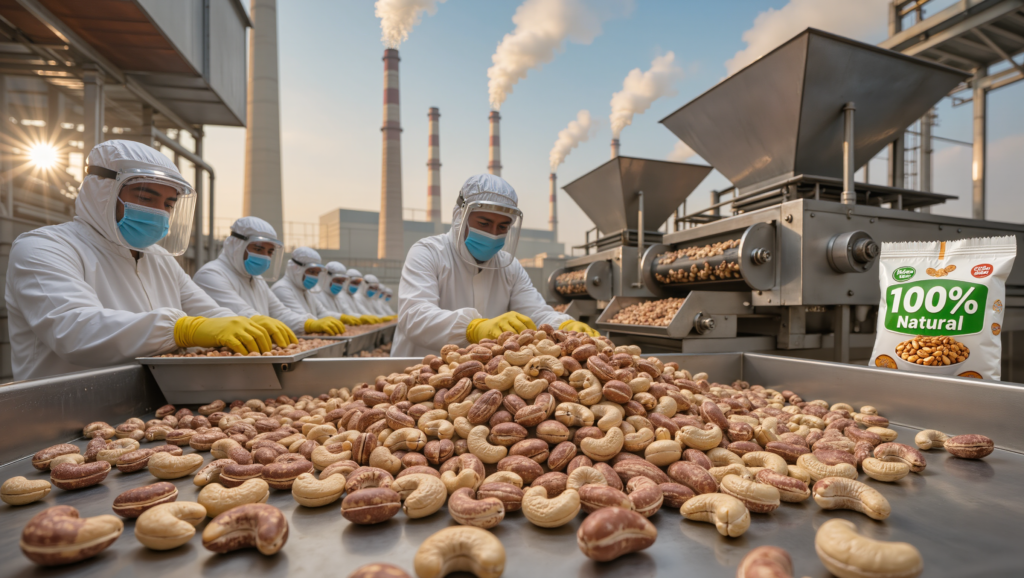












Most people meet cashews in a pretty, beige, “wholesome” form—sprinkled over salads, blended into vegan cheesecake, or scooped from a bulk bin labelled “natural” or even “raw.” The reality behind many of those innocent‑looking nuts is a lot darker (and sometimes literally more bitter) than most shoppers realise.
Cashews belong to the same botanical family as poison ivy and poison oak, and the shell around the nut contains a caustic, toxic oil that can burn skin and cause severe reactions if it isn’t handled and processed correctly. Add to that the risks of mold, rancidity, and sometimes sloppy processing in low‑cost “natural” cashews, and you get a bitter truth: not all cashews are created equal, and the cheapest or “rawest‑looking” ones can be the worst choice for your health.
This deep dive unpacks what’s actually hiding behind those “natural” labels, why bitterness and off‑flavours in cashews should never be ignored, and how to buy (and store) cashews in a way that’s genuinely safe.
Cashews Are Literally Related to Poison Ivy
Cashew trees (Anacardium occidentale) produce two main edible parts:
- The cashew apple (juicy, pear‑like fruit), and
- The cashew nut, which sits in a hard shell under the apple.
That shell is where the trouble starts.
The toxic Cashew shell oil: urushiol and friends
Cashew shells contain a highly irritating, caustic mixture known as cashew nutshell liquid (CNSL), made up mainly of:
- Anacardic acid – a phenolic compound related to urushiol, causes skin burns and allergic reactions.
- Cardol – another phenolic irritant.
- Urushiol – the same toxin found in poison ivy and poison oak, responsible for itchy, blistering rashes.
This stuff is no joke:
- Shells and CNSL can cause severe skin burns on contact; workers in poorly protected cashew plants sometimes suffer painful injuries on hands and arms.
- CNSL exposure is linked to nausea, vomiting, dizziness, respiratory issues, and cardiovascular problems in more intense or systemic exposures.
To summarises it simply:
“Cashews contain a natural toxin called urushiol in their raw, unprocessed state. The toxin is found around the cashew shell and can leach out onto the exterior of the nut itself.”
Investigation into cashew processing is equally blunt:
“Cashews themselves aren’t toxic, but they are surrounded by a shell that consists of the toxic oil urushiol… Coming into contact with urushiol can cause itching, blisters, and skin rashes.”
That means truly “raw” cashews—straight from the shell—are not safe food. They must be processed with heat (steaming, roasting, boiling) and careful handling to destroy or remove urushiol.
The “Raw” Cashew Myth (and Why “Natural” Can Mislead You)
When you see cashews sold as “raw” or “natural,” it’s easy to assume they’ve been minimally touched—maybe just shelled and shipped. That assumption is wrong.
Multiple sources emphasise that:
- Cashews marketed as “raw” in stores have still been heat‑treated (steamed or roasted) to remove urushiol and make them safe.
- Truly raw, unshelled cashews are hazardous; handling or eating them can trigger poison‑ivy like reactions on skin and in the mouth and throat.
As one detailed explainer puts it:
“Truly raw cashews, straight from the tree, are unsafe due to the presence of urushiol. However, cashews sold commercially have already been processed to eliminate these risks.”
So what’s the problem with some “natural” or budget cashews?
- In low‑cost or poorly regulated supply chains, processing may not fully remove shell oil from the nut’s surface.
- If heat or mechanical steps are inconsistent, tiny amounts of CNSL or urushiol residues could remain, contributing to bitter, astringent taste, tingling, or mouth/throat irritation.
- Labels like “natural,” “raw,” or “organic” do not guarantee meticulous processing or safety—they mostly speak to pesticide use or minimal additives, not to shell‑oil removal.
Some buyers describe cashews from dubious online sources as dirty‑looking, unusually brown, bitter, and even causing tingling in the mouth, raising legitimate concerns about contamination or improper handling.
If your cashews taste aggressively bitter, chemically, or make your mouth feel irritated, that is not “normal nut variation”—it’s a red flag.
Bitter Cashews vs. Just “Nutty”: When the Taste Is a Warning
A fresh, properly processed cashew should taste:
- Mildly sweet and creamy
- Slightly nutty or buttery
- Not harsh, chemical, or sharply bitter
Bitterness in cashews can come from several sources, all of which should put you on alert.
1. Residual shell oil / processing problems
If the detoxifying roast or steam step is uneven or insufficient:
- Traces of urushiol‑containing shell oil can remain on the nut’s surface.
- Eating these nuts may cause tingling, burning, or irritation in the mouth or on lips—and possibly a delayed skin rash similar to poison ivy in sensitive people.
Some note that exposure to raw or improperly processed cashews would likely cause “an itchy and inflamed skin rash that may cause a burning sensation,” just like poison ivy. Standard Cold Pressed Oil’s guidance repeats that handling or consuming improperly processed cashews can lead to localized swelling and severe burning sensations.
Any hint that a handful of “natural” cashews is making your mouth tingle or your lips feel odd should be taken seriously.
2. Mold and mycotoxins
Cashews are relatively high in fat and can develop mold if:
- Stored too long
- Kept in warm, humid conditions
- Shipped or packed poorly
A detailed food safety guide on cashews warns:
- Moldy cashews can harbour mycotoxins, especially aflatoxins produced by certain Aspergillus molds.
- Aflatoxins are highly carcinogenic and associated with liver damage and increased cancer risk when exposure is chronic.
- Acute effects can include gastrointestinal upset, allergic reactions, and respiratory issues.
Moldy or stale cashews may taste:
- Bitter or sour
- Musty, dusty, or “old”
- Slightly sharp on the tongue
You may see visible mold, but sometimes you won’t. Guidance is clear: never eat moldy nuts, including cashews, because of the mycotoxin risk.
3. Rancidity (oxidised fats)
Cashews contain unsaturated fats that can oxidise and go rancid over time, especially:
- At room temperature
- In clear packaging exposed to light
- In older stock that cycles slowly
Rancid nuts often taste:
- Bitter
- Waxy or “paint‑like”
- Metallic or soapy
Rancid fats won’t poison you instantly, but they are pro‑inflammatory and represent degraded nutrition at best. When detoxing your pantry, any nuts with off odours or bitterness should go straight in the bin.
The Toxic Side of the Cashew Industry You Never See
Even if your cashews taste fine, there’s another bitter truth: a lot of “natural” or cheap cashews come from supply chains where workers are exposed to urushiol and CNSL with minimal protection.
Investigations into cashew processing describe:
- Workers, sometimes including children, shelling cashews by hand and being burned by caustic shell oil, leading to blistered, scarred hands and arms.
- Inadequate gloves or protective gear, especially in small, low‑cost operations.
- Roasting processes that release harmful fumes, causing respiratory symptoms like coughing, chest tightness, and difficulty breathing in poorly ventilated facilities.
One global report calls it a “toxic industry,” noting:
“Cashews themselves aren’t toxic, but they are surrounded by a shell that consists of the toxic oil urushiol… Because raw cashews are processed in such a careful and meticulous way, it’s rare that someone will accidentally consume a contaminated nut.”
The key phrase there is “in such a careful and meticulous way”—which is more likely with reputable, certified processors than with rock‑bottom, untraceable “natural” bulk suppliers.
If a package of cashews seems suspiciously cheap and vague about origin or processing, that low price may be built on:
- Poor worker protections
- Uncontrolled exposure to toxic shell oils
- Inconsistent safety steps that increase the chance of contaminated or off‑tasting kernels reaching you
Other Hidden Issues: Acrylamide and “Roasted” Risks
Even when shell oil is properly removed, roasting introduces another compound: acrylamide.
- Acrylamide forms in carbohydrate‑rich foods (including nuts) when they are roasted or fried at high temperatures.
- It’s classified as a probable human carcinogen at high exposures, and many jurisdictions require warnings when levels can be significant.
Some organic cashew products even carry Prop 65 warnings for acrylamide, prompting consumer questions about why supposedly “pure” nuts have cancer warnings.
The practical point:
- You cannot eat cashews truly raw because of urushiol; some heat treatment is non‑negotiable.
- This means a small, unavoidable background of acrylamide is normal in roasted cashews, as it is in coffee, bread crust, and many cooked foods.
- Extremely dark, over‑roasted nuts will likely have higher acrylamide; another reason not to chase “burnt” flavours.
Moderation and sourcing matter more than trying to avoid every hint of acrylamide—especially when weighed against the very real toxicity of under‑processed cashews.
How to Choose Cashews That Aren’t a Bitter Health Gamble
Here’s how to enjoy cashews safely without absorbing all of the industry’s hidden risks.
1. Understand the label language
- “Raw” on a cashew bag almost always means not roasted again after initial heat treatment—they’ve still been steamed or roasted to remove urushiol.
- “Natural” or “organic” refers mainly to pesticide and fertiliser use, not to shell‑oil removal or worker protections.
Look for brands that explicitly mention:
- Steam or controlled roasting
- Food‑safety certifications (e.g., HACCP, BRC)
- Clear country of origin and responsible sourcing policies
2. Avoid suspiciously cheap, dirty, or inconsistent cashews
Red flags include:
- Nuts that look unusually dark, dirty, or heavily discoloured, with black spots or uneven patches.
- Strong bitterness, chemical taste, tingling, or burning in the mouth.
- Visible mold, powdery coatings, or a musty smell.
If you experience tingling or irritation after eating “natural” cashews, stop eating them and consider that you may be dealing with:
- Residual shell oil (urushiol, anacardic acid)
- Mold or rancidity
Either way, that batch belongs in the trash, not your snack bowl.
3. Store cashews like the fragile, fatty food they are
To reduce rancidity and mold risk:.
- Buy in smaller quantities unless you have freezer space.
- Store cashews in airtight containers in a cool, dark place.
- For long‑term storage, use the fridge or freezer—especially for raw or unroasted styles.
Any cashews that smell stale, paint‑like, or bitter should be discarded, even if they’re within the printed date.
4. Consider ethical and safety certifications
Because worker exposure to CNSL and urushiol is a major hidden cost:
- Favour brands that talk plainly about worker protections, PPE, and fair conditions.
- Look for certifications or memberships that address labour conditions—not just organic or “natural” labels.[
You’re not just buying taste and nutrition; you’re indirectly voting for how people on the other side of the world handle some very nasty shell oil.
Should You Eat Truly Raw Cashews?
Short answer: no.
The consensus across consumer health sources and industry explainers is consistent:
- Truly raw, unshelled cashews contain appreciable urushiol and related toxins.
- Eating or handling them can cause reactions ranging from itchy rashes and blisters to more serious systemic symptoms.
- Commercially available cashews (even when labelled raw) are heat‑treated precisely to avoid this.
One article summarises it:
“Cashews contain a natural toxin called urushiol in their raw, unprocessed state… However, even cashews labeled as raw at the grocery store have been shelled and heat‑treated to remove any urushiol residue.”
If someone offers “truly raw” cashews from a backyard tree or unverified source, treat them the same way you’d treat raw poison ivy berries: do not eat them.
The Bottom Line: Cashews Are Great—If You Respect Their Dark Side
Cashews are genuinely nutritious: they provide healthy fats, plant protein, minerals like magnesium and copper, and have been linked in studies to better blood sugar control and improved cholesterol profiles when eaten in moderation. The problem isn’t cashews themselves; it’s the toxic biology of their shells and the corners that can be cut in cheap, “natural” supply chains.
The bitter truth behind some “natural” cashews is that:
- All cashews require intense processing to remove a toxic shell oil closely related to poison ivy’s urushiol.
- Not every producer handles that process with the same care—for workers, the environment, or your tastebuds.
- Bitterness, tingling, mold, and off smells are not quirks; they’re warning signs you should never ignore.
If you choose reputable brands, treat “raw” labels with healthy skepticism, and store nuts properly, you can keep enjoying creamy cashew sauces and snacks without turning your pantry into a chemistry experiment—or your skin into a poison ivy patch.