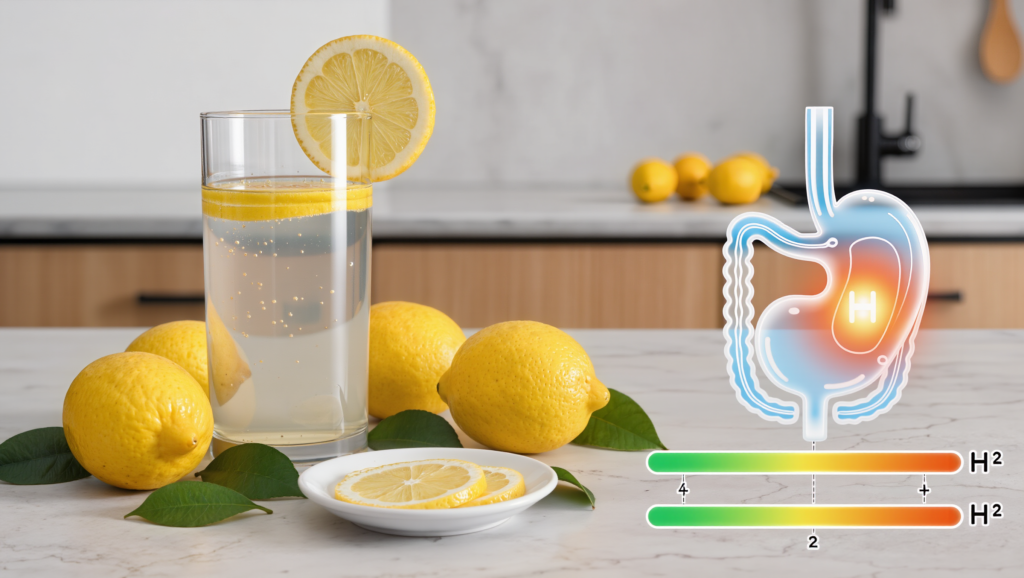












Daily lemon water has become a kind of wellness uniform—squeeze, sip, post, repeat. It’s sold as a cure‑all for detox, digestion, glowing skin, weight loss, and even “alkalizing” your body. But what almost nobody talks about is that you’re drinking something close in acidity to cola or vinegar first thing in the morning—and that has very real side effects for your teeth, your esophagus, and even your stomach if you’re prone to reflux or ulcers.
You don’t need to abandon lemons forever; they do have benefits (hello, vitamin C and kidney‑stone prevention). But if lemon water is an all‑day habit, there are some under‑the‑radar costs you should know about, especially around acid erosion and irritation of already sensitive tissues. Let’s unpack what the science actually says about lemon acidity, what can go wrong if you overdo it, and how to keep most of the upside with far less downside.
How Acidic Lemon Water Really Is (And Why That Matters)
Pure lemon juice has a pH of around 2–3, which dentists describe as highly acidic—in roughly the same erosive league as cola drinks and some sports beverages. When you dilute it in water, the pH rises somewhat, but if there’s enough juice to taste tangy, you’re still in a range that can soften enamel and irritate sensitive tissues with repeated exposure.
Dental sources emphasise that:
- Enamel—the hard outer coating of your teeth—does not grow back once it’s worn away.southgatedentalcentre+1
- Acid doesn’t cause cavities directly (that’s bacteria + sugar), but it softens and thins enamel, making cavities and sensitivity more likely.
In other words, frequent lemon water is more like a slow chemical sanding of your teeth than a harmless spa drink.
Hidden Side Effect #1: Tooth Enamel Erosion
Dentists and dental researchers are increasingly warning that daily lemon water can damage teeth over time, especially when it’s sipped slowly or held in the mouth.
What acid does to enamel
When you drink acidic liquids like lemon water:
- The citric acid softens enamel during and shortly after exposure.
- If this happens frequently, the softened enamel is more easily worn away by brushing and normal chewing, leading to progressive loss.
- Unlike cavities, which are bacterial, this is a direct chemical erosion.
Symptoms you might eventually notice:
- Increased tooth sensitivity (especially to hot/cold).
- Yellowing (as the underlying dentin shows through thinning enamel).
- Rough, uneven or “cupped” areas on the biting surfaces.
- More frequent chipping and a duller, less glossy appearance.
One 2020 survey of dental students found that enamel erosion is the main effect of over‑consumption of lemon water, and a large majority recognised that “overexposure of citric fruit water like lemon water on the tooth surface leads to a monumental increase of enamel erosion.”
Recent dental blogs and clinic advisories echo the same: lemon water itself doesn’t directly “rot” teeth, but the conditions it creates (low pH, softened enamel, prolonged exposure) significantly raise erosion risk—especially if you sip it all morning.
Ways to Reduce Dental Damage When using Lemon Water
If you love your morning lemon water, you can make it much safer by changing how you drink it:
- Keep it short and not all‑day.
- Drink it within 10–15 minutes, don’t sip for hours. Prolonged sipping keeps acid in contact with your teeth longer.
- Use a straw and keep it off your teeth as much as possible.
- A straw reduces contact with enamel, especially front teeth.
- Rinse with plain water afterwards.
- Swish with water to help wash away acid and restore a more neutral environment.
- Wait at least 30 minutes before brushing.
- Brushing softened enamel immediately after an acidic drink accelerates erosion. Waiting allows saliva to reharden enamel.
- Keep the ratio sensible.
- A half lemon in a large glass of water is less acidic at the tooth surface than multiple lemons in a small glass.
If you already have sensitivity or visible erosion, a dentist can check for this and may recommend remineralising products (like high‑fluoride pastes) or further changes.
Hidden Side Effect #2: Irritated Reflux and Heartburn
This is where social media and real‑life biology seriously clash. You’ll see claims that lemon water “alkalises” the body and helps acid reflux, but evidence is mixed and depends heavily on your personal reflux pattern.
Citrus and reflux: what we actually know
Health sources and gastroenterology advisories generally note:
- Citrus fruits (including lemon and orange) are well‑known triggers for heartburn and GERD symptoms in many people.
- If you already have GERD, experts typically recommend avoiding or limiting citrus because it can worsen acid reflux.
Acid reflux occurs when stomach acid flows back into the esophagus, irritating its lining and causing that familiar burning. Adding acidic fluids on top can:
- Lower the pH of your stomach contents further.
- Potentially irritate the esophageal lining if reflux occurs soon after drinking.
A review on lemon water and reflux notes that while lemon juice is very acidic, some people still report relief when they use small amounts diluted heavily in water, possibly because of effects on gastric emptying and overall diet patterns. But the same article emphasises that lemon juice could make acid reflux worse, and data are far from settled.
The gastric emptying nuance
A 2022 study found that, compared to plain water, lemon juice with a meal increased the amount of contents left in the stomach after eating by about 1.5 times, but also decreased the time for stomach contents to move further into the digestive tract by 1.5 times.
Interpretation:
- There may be subtle effects on gastric motility and emptying, but we’re not talking about a reliable, proven reflux cure.
- The same acidic property that might help some people digest fats or protein more easily can irritate others with sensitive esophagi.
Bottom line:
- If you have GERD, gastritis, ulcers, or a very reactive esophagus, daily lemon water—especially on an empty stomach—is more likely to be a trigger than a cure.
- If you don’t have reflux and feel fine, a moderate glass probably isn’t harmful for your stomach, but it’s not obligatory “detox” either.
Hidden Side Effect #3: Not a Detox (and Not Truly “Alkalizing” Your Body)
One of the most persistent claims is that lemon water “alkalises” your body. The nuance:
- Lemon juice is acidic going in, but its metabolic by‑products (citrates, etc.) can have a slightly alkalising effect on urine, not on blood.
- Your blood pH is tightly regulated by kidneys and lungs within a tiny range; a few glasses of lemon water won’t meaningfully change that.
What lemon water can do:
- Contribute citrate, potassium, and fluid that support kidney function and may help prevent certain types of kidney stones.
- Provide vitamin C and flavonoids as part of a generally healthy diet.
What it doesn’t do:
- “Detox” your liver (your liver and kidneys already do this without lemon).
- Make your entire body alkaline in any medically meaningful way.
This doesn’t mean lemon water is useless; it just means it’s a flavoured water with some micronutrients, not a magic detox tonic. Overdoing it under that illusion just magnifies the enamel and reflux downsides.
Hidden Side Effect #4: Kidney Stones—The Good and the “Don’t Over‑Interpret”
Here’s one place where lemon juice really does shine: citrate and kidney stones.
The upside
Several studies and clinical reports show that lemon juice or lemonade therapy can:
- Increase urinary citrate, a natural inhibitor of calcium oxalate stone formation.
- Increase urine volume, reducing stone‑forming concentration.
- Reduce stone formation rates in some patients.
One small study with 11 kidney stone patients using “lemonade therapy” (120 ml concentrated lemon juice providing 5.9 g citric acid in 240 ml water daily) over ~3.7 years reported a drop in stone formation from 1.00 to 0.13 stones per patient per year.
Another, larger study found that lemonade therapy increased urinary citrate and urine volume, although combining it with potassium citrate worked even better.
A more recent trial of fresh lemon juice supplementation suggested that while it didn’t significantly increase 24‑hour urinary citrate, it reduced urinary sodium excretion, which may still lower urine saturation and stone risk.
The nuance
- These therapies are used in specific patients under medical guidance, often with measured doses (e.g., 4 oz concentrated lemon juice per day) and attention to total diet.
- They don’t mean “the more lemon water the better.” Too much acid without attention to teeth, reflux, or enamel is still a problem.
- Lemon juice is helpful as part of a stone‑prevention plan, not a DIY cure for all kidney issues.
If you have a history of stones, it’s worth asking your doctor or nephrologist whether a moderate, structured lemon juice intake makes sense for you—and how to integrate it safely.
Other Potential Issues When You Overdo Lemon Water
- Mouth and throat irritation
- Very acidic drinks can irritate oral mucosa and the back of the throat, particularly if you’re prone to canker sores or have existing irritation.
- Interference with certain medications
- Citrus juices can affect absorption or metabolism of some drugs (grapefruit is the classic one, but caution is reasonable; always check with your doctor or pharmacist).
- Stomach upset in sensitive individuals
- Some people with sensitive stomachs report nausea or discomfort when drinking undiluted or very strong lemon water first thing in the morning.
None of these are universal, but if you notice symptoms, it’s a sign to adjust.
How to Enjoy Lemon Water More Safely
You don’t have to “break up” with lemon water entirely if you like it. You just need to treat it like an acidic food, not a neutral health drink.
Here are sensible guardrails:
- Dilute well.
- Think “a squeeze or wedge” in a large glass or bottle, not half a lemon in a tiny cup.
- Time it smartly.
- Drink once a day, not all day.
- Avoid it right before lying down if you have reflux.
- Protect your teeth.
- Use a straw.
- Don’t swish or hold it in your mouth.
- Rinse with plain water after.
- Wait 30+ minutes before brushing.
- Listen to your gut.
- If you notice more heartburn, chest tightness, or throat burning after lemon water, back off or stop—especially if you have known GERD.
- Don’t rely on it as your only “health habit.”
- The real drivers of better digestion, energy, and detox are: diverse whole‑food diet, enough fibre and protein, hydration (with or without lemon), good sleep, and movement.
If you want a gentler alternative, many people switch to:
- Plain water or herbal infusions (ginger, mint, chamomile tea).
- Water with cucumber or herbs for flavour, which are much less acidic.
- Occasional lemon water instead of an all‑day ritual.
Finally: Lemon Water Is Not Evil—But It’s Not Harmless
Lemon water has some genuine upsides—vitamin C, pleasant flavour that may encourage hydration, possible kidney stone prevention under guidance. But the hidden story is that it’s an acidic beverage masquerading as a neutral health potion, and daily, prolonged exposure has predictable side effects:
- Enamel erosion and tooth sensitivity from repeated acid contact and softening.
- Worsened heartburn and reflux symptoms in people with GERD or esophageal sensitivity.
- Overstated “alkalising” and detox claims that can lead people to over‑consume it, multiplying the downsides.
If you treat lemon water like what it really is—a sour, acidic condiment, not liquid medicine—you can still enjoy it in smaller, smarter doses without quietly paying in enamel and esophageal irritation over the next decade.
Sources