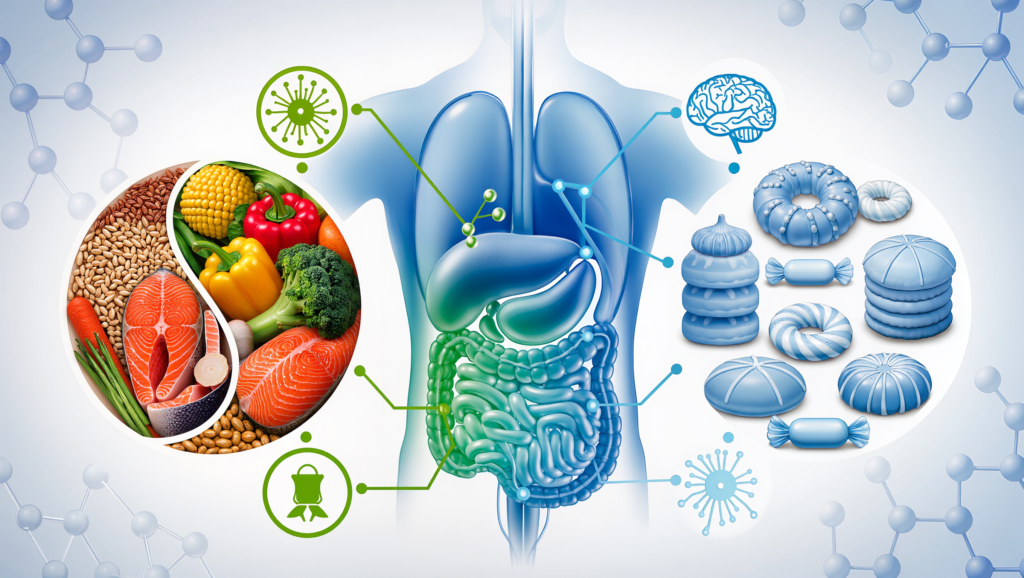












Most people blame willpower when their cravings hit at 3 p.m. or late at night. In reality, a huge part of that “I need something now” feeling is your blood sugar curve, not your character. How fast your blood sugar rises and falls after a meal—your glycemic response—talks directly to your brain’s reward circuits, hunger hormones, and energy regulation. Get that curve under control, and you can feel full, calmer, and more focused with far fewer food battles.
Researchers now see that high‑glycemic foods (think white bread, sugary cereal, pastries) can spike blood glucose and insulin, then drive crashes that activate brain areas linked to craving and addictive behavior, especially in the mesolimbic reward system. At the same time, newer work points out that glycemic index (GI) alone doesn’t mechanically force hunger in every person, every time—individual responses and overall diet patterns matter. The real power move isn’t obsessing over one number; it’s understanding how glycemic regulation works and stacking your habits so your blood sugar stays in the “steady zone” most of the day.
Let’s break down the science of cravings and glycemic control, then turn it into practical strategies you can actually live with.
Glycemic Basics: What Your Blood Sugar Curve Is Really Doing
The glycemic index (GI) ranks carbohydrate foods on how quickly they raise blood sugar compared to a reference (glucose or white bread).
- High‑GI foods (≥70): White bread, many breakfast cereals, sugary snacks. They cause a rapid spike in blood sugar.
- Medium‑GI (56–69): Some breads, potatoes, some rices.
- Low‑GI (≤55): Most whole grains, legumes, many fruits, non‑starchy veg. They cause a slower, steadier rise.
Glycemic load (GL) refines this by combining GI with how much carbohydrate is in the portion, which better reflects real‑world impact.
When you eat:
- Carbs break down into glucose → blood sugar rises.
- Pancreas releases insulin → helps move glucose into cells for energy or storage.
- As glucose is taken up, blood sugar falls; other hormones (like glucagon) kick in to keep levels from dropping too low.
With low‑GI meals, this curve is gradual. With high‑GI, it’s more like a roller coaster.
How High Glycemic Index Foods Drive Cravings (Blood Sugar + Brain)
1. Fast spikes, fast crashes, fast hunger
When you eat a high‑GI meal:
- Glucose and insulin shoot up quickly.
- Then glucose often falls sharply, sometimes toward mild hypoglycemia (lowish blood sugar).
That sharp down‑swing can be perceived by the body as an energy emergency, prompting:
- Increased hunger.
- Preference for fast‑acting, high‑calorie foods—usually the exact kinds that created the spike in the first place.
Popular explanations describe this as a “spike → crash → craving” loop, and several observational and experimental studies support elements of this, though not universally in every short‑term trial.
2. Reward circuitry: sugar as a “fast drug”
High‑GI carbs also act on brain reward circuits in ways eerily similar to addictive substances.
A targeted review on high‑GI carbohydrates and food addiction found:
- High‑GI carbs cause rapid shifts in blood glucose and insulin, which signal directly and indirectly to the mesolimbic dopamine system (nucleus accumbens, striatum).
- This activation pattern overlaps with drug addiction, with similar changes in dopamine concentration and receptor regulation over time.
- People with higher “food addiction” scores showed elevated activation in reward areas and reduced activation in inhibitory (self‑control) regions when exposed to food cues.
A brain imaging study from Boston Children’s Hospital took 12 men, fed them high‑GI and low‑GI milkshakes (matched for calories and sweetness), and tracked brain activity:
- After the high‑GI shake, participants had an initial blood sugar surge followed by a notable crash about 4 hours later.
- This drop in glucose was associated with excessive hunger and strong activation of the nucleus accumbens, a key area in addictive and reward‑seeking behavior.
- Another report noted that high‑GI foods turned on brain regions associated with reward, cravings, and increased drive to eat.
A diabetes conference abstract found similar patterns in people with type 1 diabetes:
- High‑GI meals created postprandial hyperglycemia and activated mesolimbic brain areas linked to food cravings later in the post‑meal period.
- This activation—and associated increases in hunger—was mediated by glucose levels, not insulin per se.
Put simply: high‑GI, fast‑absorbed carbs hit your brain like a quick wave, and as that wave recedes, your reward system and hunger circuits light up, making you want more.
3. Is Glycemic Index the whole story? Newer research says “not quite”
A 2025 article in Cell Metabolism complicated the traditional picture:
- Researchers gave healthy adults meals with identical macro ratios (same amounts of carbs, fat, protein), varying only in GI.
- As expected, high‑GI meals produced higher glucose and insulin responses than low‑GI.
- However, reported hunger didn’t differ between groups over the short term.
- Energy intake at the next meal increased relative to baseline with medium and high‑GI meals, but there was significant individual variation, and the relationship with insulin wasn’t as predicted by the standard carbohydrate–insulin model.
Conclusion: GI strongly shapes metabolism and hormones, and it can drive overeating in some contexts, but individual responses and longer‑term patterns matter. Good glycemic regulation is still powerful for controlling cravings—it’s just not the only piece of appetite control.
How Glycemic Regulation Causes Fewer Cravings More Focus
So why do people who stabilise their blood sugar often report steadier energy, fewer cravings, and clearer focus?
Mechanistically, when you keep glycemic swings smaller and slower:
- You avoid rapid hypoglycemic dips that activate limbic–striatal regions and push you toward high‑calorie foods.
- You reduce repeated overstimulation of dopamine pathways by sugar spikes, which may help prevent the down‑regulation and compulsive seeking seen in “food addiction” patterns.
- You keep glucose delivery to the brain more stable, which supports cognition and mood (the brain is highly sensitive to glucose fluctuations).
Practically, this feels like:
- Being able to go 3–4 hours between meals without getting “hangry.”
- Fewer episodes of intense, specific cravings (e.g., “it must be cookies now”).
- More even mental energy instead of post‑meal crashes.
Practical Strategies: How to Eat to Tame Cravings
You don’t need to live on spreadsheets of GI values. You just need a pattern that slows absorption and flattens the curve.
1. Anchor meals with protein and fat
Protein and fat slow gastric emptying and digestion of carbs, blunting the glycemic response.
- Always include 20–30 g of protein at meals (e.g., eggs, yogurt, tofu, fish, legumes).
- Add healthy fats (olive oil, nuts, seeds, avocado) so carbs aren’t hitting your bloodstream naked.
This doesn’t change the GI of the carb itself, but it lowers the glycemic impact of the meal and keeps you full longer.
2. Choose slow carbs most of the time
Shift your defaults toward lower‑GI, higher‑fibre carbohydrate sources:
- Instead of white bread → whole‑grain sourdough or dense rye.
- Instead of sugary cereal → oats with nuts and fruit.
- Instead of white rice → brown rice, quinoa, or lentil/bean mixes.
- Instead of juice → whole fruit.
Higher fibre content and intact structure slow down digestion and glucose entry, reducing spikes and subsequent crashes.
3. Watch the “when” and “what” of pure sugar
You don’t have to ban sugar forever, but be strategic:
- Avoid high‑GI snacks on an empty stomach (e.g., pastry alone at 10:30 a.m.). That’s prime “spike and crash” territory.
- Pair sweets with a meal containing protein, fat and fibre, and treat them as dessert, not standalone fixes.
- If you’re prone to rebound cravings, keep refined sugar earlier in the day and in small amounts.
4. Front‑load fibre
Fibre is one of the most powerful, easy levers:
- Aim for at least 25–30 g/day, from vegetables, fruits with skin, legumes, whole grains, nuts and seeds.
- When possible, eat vegetables or a salad first, then carbs and protein—there’s evidence this sequence can blunt post‑meal glucose excursions.
Fibre slows absorption, feeds beneficial gut microbes, and increases satiety, all of which support glycemic regulation.
5. Use “structured snacks” instead of sugar hits
If you do get hungry between meals, don’t hit pure carbs. Choose snacks that combine protein, fat, and low‑GI carbs, like:
- Greek yogurt + berries + nuts.
- Hummus + raw veg or whole‑grain crackers.
- Cheese + apple slices or carrot sticks.
- A boiled egg + a piece of fruit.
This keeps your blood sugar in a narrower range and prevents the next craving spike.
Non‑Food Levers That Influence Cravings via Glycemic Control
Cravings aren’t only about what’s on your plate. Sleep, stress, and movement also shape how your body handles carbs.
Sleep deprivation
Poor sleep:
- Increases ghrelin (hunger hormone) and decreases leptin (satiety hormone).
- Impairs insulin sensitivity, making the same carb load produce higher glucose spikes.
- Increases activity in brain reward regions in response to food cues.
Combined, this makes high‑GI foods more tempting and their effects more pronounced.
Stress and emotional load
Chronic stress raises cortisol, which:
- Promotes higher blood glucose.
- Pushes appetite toward quick‑energy, palatable foods (often high GI + fat + salt).
Even with a good diet, unaddressed stress can keep you in a craving loop. Mindfulness, breathwork, walking, or therapy aren’t just “nice extras”—they help tame the hormonal background driving sugar hunting.
Movement
Light activity after eating—a 10–20 minute walk—improves glucose uptake by muscles and softens the glycemic spike. Over time, regular exercise improves insulin sensitivity, making your system more forgiving of occasional high‑GI hits.
A Sample Of “Glycemic‑Steady” Day Diet
To make this concrete, here’s how a day structured for better glycemic control could look:
- Breakfast
- Omelet with spinach and feta + whole‑grain toast, or
- Greek yogurt with oats, nuts, and berries.
→ Protein + fat + fibre; avoids the cereal‑plus‑juice sugar bomb.
- Mid‑morning (if needed)
- Small handful of nuts + one fruit.
- Lunch
- Lentil or chickpea salad with mixed veg, olive oil, and a side of brown rice or quinoa.
- Mid‑afternoon (craving danger zone)
- Hummus with carrots/cucumber, or
- Cottage cheese with sliced tomato and olive oil.
- Dinner
- Grilled fish or tofu, big portion of non‑starchy veg, modest serving of whole‑grain or starchy veg (sweet potato, beans).
- Treat
- Small square of dark chocolate or a dessert portion eaten with or right after dinner, not as a late‑night standalone sugar rush.
Layer in: 7–9 hours of sleep, some movement after meals, and stress‑management practices, and you’ve just turned down the volume on your craving circuitry without counting a single calorie.
The Take‑Home
- High‑GI foods cause fast glucose and insulin shifts that can activate reward and craving circuits (nucleus accumbens, mesolimbic system) and promote overeating in susceptible people.
- Strong evidence supports a link between high GI/GL diets and “food addiction”–like patterns, though individual responses vary.
- Newer research shows GI alone doesn’t automatically dictate hunger for everyone, but keeping your blood sugar curve smoother is still a powerful way to cut cravings and stabilise energy.
- You can do this by combining protein, healthy fats, fibre, and slower carbs, plus managing sleep, stress and activity.
Think of glycemic regulation less as a diet rule and more as traffic control for your brain and hormones. When you keep glucose traffic flowing smoothly instead of slamming the gas and the brakes all day, your cravings calm down, your focus sharpens, and your “willpower” suddenly looks a lot stronger—because your biology is finally on your side.
Sources