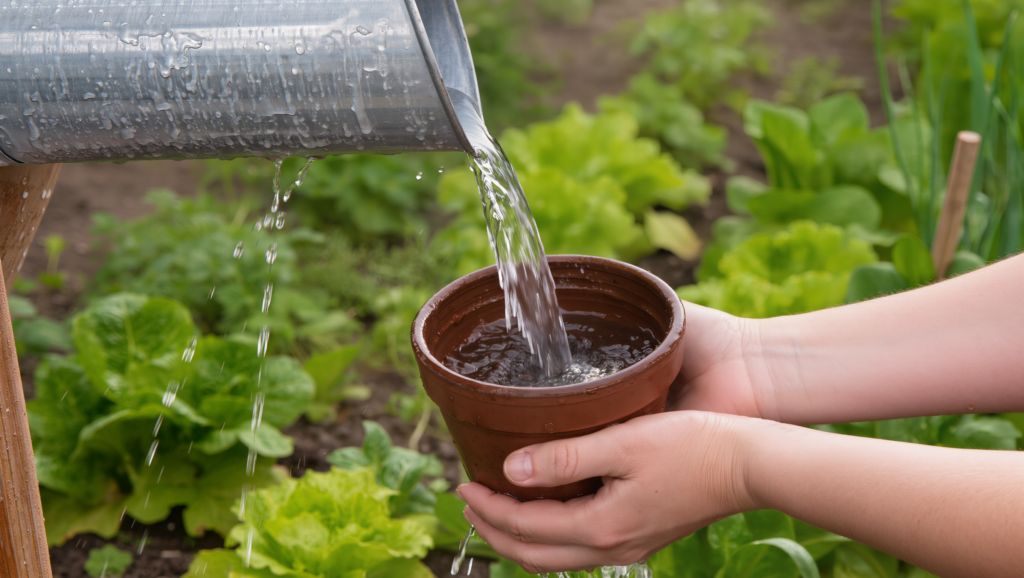











If you’re tired of battling pests with harsh sprays and want a lush, vibrant garden, you’re in luck: there’s a secret garden layout that dramatically reduces pest problems—naturally. Forget the old monoculture rows and chemicals; with the right design using principles like diversity, trap cropping, and companion planting, you can create a thriving ecosystem where pests are outnumbered and outmaneuvered. Here’s how to blueprint a garden that’s both a pollinator paradise and a pest-resistant powerhouse—backed by scientific research and real-world practice.
Why Conventional Gardens Invite Pests
Most traditional gardens are neat grids or single-species blocks. This is visually tidy, but for pests, it’s an all-you-can-eat buffet. Monocultures make it easy for insects to find and feast on their favorite plants, leading to outbreaks and the temptation to reach for chemical controls. Research highlights how uniform gardens actually increase the risk of pest build-ups by stripping away natural checks and balances
Principle #1: Plant Diversity is Your First Defense
Nature resists uniformity. Multiple studies confirm that gardens with a rich mix of species—a patchwork of vegetables, herbs, and flowers—host fewer pests overall. Here’s why:
- Diverse scents and leaf shapes confuse pest insects searching for their favorite plants.
- The presence of many plant types attracts and supports a broader army of beneficial insects—ladybugs, lacewings, parasitic wasps, and spiders—that prey on pests.
In practice: Plant vegetables in smaller, irregular blocks or “guilds” of 3-7 different species, never leaving large uncovered areas or rows of the same crop for more than a few feet. Tuck in plenty of fragrant herbs (basil, dill, thyme) and flowers (like marigold and calendula) in every bed.
Principle #2: Trap Cropping—Sacrifice for the Win
Trap cropping is a clever, research-backed trick: plant a “sacrificial” crop more attractive to pests than your main food plants, drawing the troublemakers away from what you want to harvest.
How it works:
- Identify trap crops based on your main pest: nasturtiums for aphids, Blue Hubbard squash for cucumber beetles, sunflower for stink bugs, etc.
- Plant trap crops in a small block or as a border, about 8 to 12 feet away from your main garden.
- Once trap crops lure in the pests, control them there—by hand-picking, cutting, or (for large gardens) targeted sprays.
Pro tip: Start your trap crops at least two weeks before you plant or direct seed the main crops you’re protecting. This way, they’re at their most pest-attractive just as your veggies emerge.
Principle #3: Layered Structure—Vertical and Horizontal Diversity
Natural pest resistance gets a massive boost when your garden mimics a mini-forest, with layers ranging from ground covers up through flowering herbs, bushy veggies, and sunflowers or pole beans climbing tall trellises. This structure:
- Provides habitat for birds and beneficial insects that dine on pests.
- Slows and disperses pest movement, making it harder for insects to find cohorts or establish an infestation.
- Canopy and dappled shade make conditions less favorable for certain heat-loving pests.
Combine ground-hugging nasturtiums, mid-level peppers, and towering sunflowers in the same plot for 3D pest confusion and beauty.
Principle #4: Cover Crops—Building Soil and Refuge for Good Insects
Outside the main growing season, cover crops like clover, vetch, or rye aren’t just about building soil—they actually stabilize and boost populations of natural pest enemies. Certain cover crops—even left to flower for a spell—host “refugee” populations of beneficial insects (like parasitoid wasps) who stick around to patrol pests when vegetables go in.
- Crimson clover, in particular, supports parasitoids that later attack garden pests.
- Let some borders go to flower or seed to keep these good guys around.
Principle #5: Proper Spacing and Pruning to Reduce Harborage
Even in a highly diverse garden, proper plant spacing and seasonal pruning are vital. Tightly spaced or tangled plantings offer comfortable hiding spots for everything from aphids to rodents. Use “V” pruning (wide at the top, narrow underneath) and avoid crowding. This improves airflow, discourages diseases, and leaves fewer shady pest lairs close to plant bases.
A Model “Secret Garden” Layout
Imagine a 20′ x 20′ garden:
- Outer Border: Nasturtiums (aphid trap), sunflowers (stink bug magnet), or Blue Hubbard squash (cucumber beetles), planted two weeks ahead of main crops.
- Next Layer: A zigzag path lined with low-growing herbs (basil, chives) and strong-scented flowers (marigold, calendula) every 3-4 feet.
- Inner Beds: Mixed guild plantings; for example:
- Tomatoes with basil, marigold, and lettuce
- Carrots interplanted between onions, dill, and peppers
- Beans climbing tepees with calendula and thyme at their base
- Corners: Perennial flowering shrubs or small fruit bushes to provide perennial insect refuges.
- Off-Season: Sow crimson clover or oats immediately after harvest for cover, then cut back and plant directly into the mulch when spring arrives.
Pest and Beneficial Insect Hotspots
| Pest Problem | Secret Garden Solution | Example Trap/Repellent Plant |
|---|---|---|
| Aphids | Plant sacrificial nasturtiums; attract ladybugs | Nasturtium, marigold |
| Cucumber beetles | Blue Hubbard squash as trap crop | Blue Hubbard squash, dill |
| Stink bugs | Border of sunflowers or okra | Sunflower, okra |
| Squash bugs | Early, isolated squash starts | Blue Hubbard squash |
| Carrot rust fly | Alternate onions/carrots; scent camouflage | Onion, chive |
For each pest, there’s a natural predator or a sacrificial plant ready to lend a hand—if your layout welcomes them.
Real-World Results: What the Studies Show
- Dense, species-rich plantings reliably boost populations of natural enemies (ladybugs, wasps, spiders), cutting pest loads without sprays.
- Trap cropping in field trials draws the majority of pests away from desired crops—allowing for spot control and much lower pesticide use.
- Cover crops such as clover act as winter and spring “insect hotels,” seeding the season with helpful predators and balancing populations.
- Proper spacing cuts down on pests hiding and breeding, further reducing need for intervention.
When garden structure, diversity, and timing are used together, evidence repeatedly shows pests drop substantially—and the need for sprays or interventions plummets.
Bonus Biohacks
- Rotate crops each year, even in small gardens, to outwit root- and soil-borne pests.
- Leave 10-15% of the garden “wild” or flowered (even weeds!) as insect refuge.
- Mulch heavily: not only does this smooth soil temperature swings, but it fosters beetles and ground-dwelling pest-eaters.
With a secret garden layout rooted in science and tradition, you’ll not only outsmart pests the natural way—you’ll also build a living space that’s beautiful, productive, and buzzing with beneficial life at every level. Welcome to the spray-free gardening revolution.
Did you find this article helpful? Support us by following us on our social media for more content on natural health and wellness:: Youtube, Instagram, Facebook, Pinterest, Twitter (X)
Sources