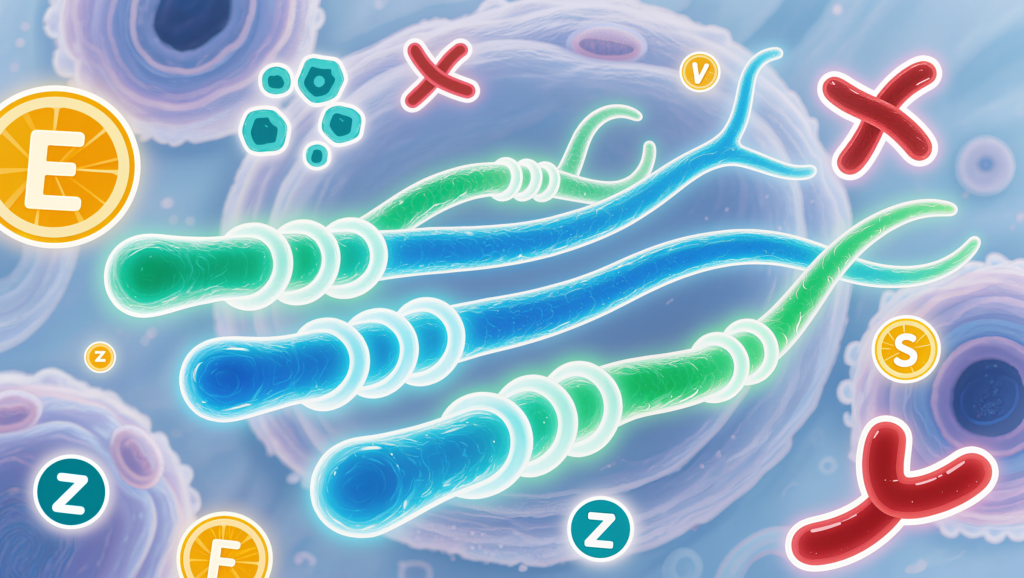












Your telomeres—the protective caps at the ends of your chromosomes—aren’t just passively shortening with age. They are actively influenced by what you eat, how inflamed your body is, and whether your cells have the raw materials they need for repair. In other words, your telomeres can be malnourished long before they’re truly “old.”
Emerging research shows that certain nutrients and dietary patterns are consistently linked with longer telomeres and better telomerase activity, while others accelerate telomere loss and biological aging. Think of telomeres as tiny fuses that burn faster when they’re starved of antioxidants, B‑vitamins, omega‑3s, and plant compounds—and when they’re constantly bathed in sugar, saturated fat, and inflammation.
This guide unpacks the critical nutrients your telomeres crave, the foods that supply them, and the eating patterns that either protect or punish your cellular aging clock.
Telomeres 101: Why Nutrition Even Matters
Telomeres are repetitive DNA–protein structures that protect your chromosomes from fraying during cell division. As cells divide over time, telomeres naturally shorten—eventually triggering cellular senescence or death. Chronically shorter telomeres are linked with higher risks of cardiovascular disease, diabetes, some cancers, and overall mortality.
The key point: telomere attrition isn’t fixed. Systematic reviews show substantial variability in telomere shortening that’s independent of chronological age, and diet is a major player.
- A 2019 systematic review concluded that antioxidant nutrients, fruits and vegetables, and Mediterranean‑style diets are mainly associated with longer telomeres.
- Another review found that healthy lifestyle factors—good nutrition, physical activity, low stress, and sleep—correlate with longer telomeres and slower biological aging.
So your telomeres are listening to your fork, every single day.
Big Picture: The Telomere-Friendly Diet Pattern
Before getting granular, it helps to see the overall pattern that keeps telomeres happy:
A 2022 systematic review in children and adolescents found that higher intakes of:
- Fish
- Nuts and seeds
- Fruits and vegetables (especially green leafy and cruciferous)
- Olives and legumes
- Polyunsaturated fatty acids (PUFAs)
- Overall antioxidant‑rich diets
…were associated with longer telomeres, while higher intake of:
- Sugar and sugar‑sweetened beverages
- White bread and high‑glycemic cereals
- Diets with high glycemic load
- Excess dairy
…was linked with shorter telomeres.
These findings mirror adult data: telomere‑protective diets are typically plant‑rich, high in fiber and unsaturated fats, and low in sugar and saturated fat, often resembling a Mediterranean pattern.
From there, specific nutrients stand out as telomere “superfoods.”
Critical Nutrient #1: Folate and the B‑Vitamin Family (B6, B12)
Folate and other B‑vitamins are central to one‑carbon metabolism and DNA methylation—processes your cells use to synthesize, repair, and regulate DNA, including telomeres.
- Reviews highlight folate, B6, and B12 as key nutrients associated with longer telomeres.
- Higher folate and B‑vitamin intake tracks with longer telomeres and better genomic stability, while deficiencies—and elevated homocysteine—are linked to telomere shortening and cardiovascular risk.
Top food sources:
- Dark leafy greens (spinach, kale, chard)
- Broccoli, Brussels sprouts, asparagus
- Lentils, beans, chickpeas, soy foods
- Whole grains and some fortified cereals
Practical move: build at least one big folate‑rich meal per day—for example, a lentil and spinach stew or a chickpea–broccoli stir‑fry.
Critical Nutrient #2: Vitamin C, Vitamin E, and Antioxidant Power
Oxidative stress is one of the fastest ways to chew through telomeres. Antioxidant nutrients help quench reactive oxygen species before they damage DNA.
A systematic review of nutrition and telomeres found that
- Higher intake of antioxidant vitamins (C, E) and minerals (e.g., selenium) is consistently linked to longer telomeres.
- Diets high in overall dietary antioxidant capacity (TAC) significantly protect against being in the shortest telomere group.
In practice, this means:
- Vitamin C: citrus, berries, kiwifruit, peppers, broccoli
- Vitamin E: nuts and seeds (almonds, sunflower seeds), plant oils
- Plant antioxidants: deeply colored fruits and vegetables, herbs, spices, green tea, and seaweeds
One study noted that people with higher levels of antioxidants like vitamins C/E and selenium tended to have longer telomeres, reinforcing a broad “eat the rainbow” message.
Critical Nutrient #3: Omega‑3 Fatty Acids (Especially from Fish, Algae, Seeds)
Omega‑3s don’t just help your heart; they directly influence telomere dynamics.
- A JAMA study in over 600 patients with heart disease found that higher blood omega‑3 levels were associated with significantly less telomere shortening over 5 years.
- Reviews and mechanistic studies suggest that the omega‑3:omega‑6 ratio can positively modulate telomerase activity and telomere length.
How they work:
- Omega‑3s cool systemic inflammation and oxidative stress, two main accelerants of telomere attrition.
- They incorporate into cell membranes, supporting membrane fluidity and signaling pathways tied to stress resistance.
Key sources:
- Fatty fish (salmon, sardines, mackerel, herring)
- Algae‑based omega‑3 supplements (for plant‑based eaters)
- Flax, chia, hemp seeds, walnuts (ALA form, partially converted to EPA/DHA)
A telomere‑friendly move: aim for 2–3 servings of low‑mercury fatty fish per week or a quality algae‑based EPA/DHA supplement if you’re vegan.
Critical Nutrient #4: Vitamin D
Vitamin D shows up repeatedly in telomere research:
- A 2017 study found that individuals with low vitamin D levels had significantly shorter telomeres than those with adequate levels, even after adjusting for age and other factors.
- A recent analysis of the large VITAL trial reported that vitamin D supplementation helped preserve telomere length in aging adults over time.
Vitamin D’s roles in telomere health likely include:
- Modulating inflammation and immune function
- Supporting DNA repair and cellular differentiation
Sources:
- Sunlight (sensible, non‑burning exposure)
- Mushrooms exposed to UV light
- Fortified plant milks and dairy products
- Supplements when blood levels are low
Given how common deficiency is, getting your vitamin D checked and optimized is one of the more high‑leverage telomere “nutrient fixes.”
Critical Nutrient #5: Polyphenols and Plant Bioactives
Polyphenols—plant compounds found in herbs, spices, teas, fruits, vegetables, and cocoa—have strong antioxidant and anti‑inflammatory effects.
A review on nutrition and telomere health highlights:
- Polyphenols like resveratrol, grape seed extract, curcumin, and green tea catechins as compounds associated with longer telomeres and enhanced telomerase in experimental models.
- The Mediterranean diet’s protective role may be partly explained by its high polyphenol and unsaturated fat content, which down‑regulate inflammatory markers like CRP, IL‑6, and TNF‑α that speed telomere loss.
Real‑world ways to get them:
- Green and white tea
- Berries, grapes, pomegranate
- Extra‑virgin olive oil
- Herbs/spices: turmeric, rosemary, oregano, thyme, ginger
- Dark chocolate (70%+ cocoa) in moderation
You don’t need exotic extracts; a herb‑ and spice‑rich, plant‑centric diet will naturally supply a huge polyphenol variety.
Critical Nutrient #6: Minerals (Magnesium, Zinc, Iron, Copper, Selenium)
Telomere research often focuses on vitamins and fats, but minerals quietly support:
- DNA synthesis and repair
- Antioxidant enzyme systems (like superoxide dismutase and glutathione peroxidase)
- Methylation and energy metabolism
One large cross‑sectional analysis found that higher telomere length was associated with increased intake of magnesium, iron, copper, folate, vitamin B6, vitamin C, and dietary fiber, alongside lower fat and caffeine intakes. Other work flags zinc and selenium as particularly important cofactors for telomere‑related enzymes.
You’ll find these minerals in:
- Nuts and seeds (especially Brazil nuts for selenium, pumpkin seeds for zinc, cashews, almonds)
- Legumes (lentils, beans, chickpeas, soy)
- Whole grains (oats, quinoa, brown rice)
- Leafy greens and cruciferous vegetables
- Seafood (for selenium, zinc, iodine)
A diverse whole‑food diet checks most of these boxes automatically—supplements may help only when there’s a documented deficiency.
Fiber and Low Glycemic Load: The Unsung Telomere Heroes
Beyond specific micronutrients, fiber and blood sugar stability are huge for your telomeres.
- A 2022 review in youth found that higher fiber and antioxidant‑rich diets (more fruits, vegetables, legumes, whole grains) were linked to longer telomeres, while diets high in simple sugars, sugar‑sweetened beverages, and high‑glycemic cereals were linked to shorter telomeres.
- Reviews in adults conclude that diets high in fiber and unsaturated fats protect telomere health, whereas high consumption of sugar and saturated fats accelerates shortening—likely through inflammation and oxidative stress.
Think of fiber as:
- Slowing glucose spikes that damage proteins and DNA
- Feeding gut microbes that produce short‑chain fatty acids (SCFAs) like butyrate, which have anti‑inflammatory and epigenetic benefits.
Daily targets:
- At least 25–30 g of fiber from vegetables, fruits, legumes, whole grains, nuts, and seeds.
- Minimal intake of sugar‑sweetened beverages, candy, white bread, and ultra‑processed snacks.
Nuts and Seeds: Tiny Telomere Insurance Policies
Nuts and seeds deserve special mention:
- A study involving over 5,500 men and women found that higher consumption of nuts and seeds was associated with longer telomeres, suggesting these foods may reduce disease risk partly through telomere pathways.
- A randomized trial in older adults showed that adding walnuts daily for two years helped prevent telomere shortening compared with a control diet.
They provide a telomere‑perfect combo of:
- Healthy unsaturated fats (including omega‑3 ALA)
- Minerals (magnesium, copper, selenium, zinc)
- Vitamin E and polyphenols
- Fiber and plant protein
A simple, powerful habit: a small handful (about 30 g) of mixed nuts and seeds most days.
The Foods and Patterns That Starve (and Shorten) Your Telomeres
If certain nutrients feed telomeres, others act like accelerants on the fuse.
Evidence across ages points to shorter telomeres with:
- High intake of added sugars and sugar‑sweetened beverages
- Refined grains and high glycemic‑load diets (white bread, sugary cereals)
- High saturated fat and trans fats
- Processed meats and ultra‑processed foods
- Possibly excessive, low‑quality dairy in some cohorts
Mechanisms:
- These patterns spike blood glucose and insulin, drive weight gain and insulin resistance, and ramp up oxidative stress and chronic inflammation—all of which accelerate telomere attrition.
You don’t need perfection, but reducing sugary drinks, refined carbs, and processed fats frees up a lot of biological bandwidth for repair and maintenance.
Putting It All Together: A Telomere-Smart Daily Plate
A telomere‑friendly day of eating might look like this:
Breakfast
- Steel‑cut oats cooked with cinnamon
- Topped with blueberries, ground flaxseed, and walnuts
- Green tea on the side
→ Delivers fiber, vitamin C, polyphenols, omega‑3s, magnesium, and slow carbs.
Lunch
- Big salad with mixed greens, arugula, red cabbage, carrots
- Topped with chickpeas, cherry tomatoes, olives, pumpkin seeds
- Olive‑oil–lemon dressing and a side of quinoa
→ Hits folate, B6, vitamin C, E, polyphenols, minerals, unsaturated fats.
Snack
- Handful of mixed nuts and seeds, maybe a square of dark chocolate
→ Adds more magnesium, vitamin E, selenium, polyphenols, and fiber.
Dinner
- Grilled salmon or tofu
- Roasted Brussels sprouts and broccoli
- Lentils or lentil‑based pasta
- Optional small glass of red wine (if appropriate for you)
→ Omega‑3s, cruciferous phytonutrients, folate, fiber, polyphenols.
Across the day, you’ve:
- Fed your telomeres B‑vitamins, antioxidant vitamins, minerals, omega‑3s, polyphenols, and fiber.
- Kept sugar, refined grains, and saturated fats low.
That’s the practical expression of the patterns consistently associated with longer telomeres and healthier aging.
Final Word: You Can’t “Hack” Telomeres Without Feeding Them
There is no single pill or exotic berry that magically lengthens telomeres. But the science is increasingly clear: telomeres are nutritionally sensitive. They shorten faster when starved of antioxidants, B‑vitamins, omega‑3s, vitamin D, minerals, and plant compounds—and when drowned in sugar, saturated fat, and inflammation.
If you want your cellular fuse to burn more slowly:
- Eat a Mediterranean‑style, plant‑rich diet heavy on vegetables, legumes, whole grains, nuts, seeds, fruits, and olive oil.
- Make omega‑3s, B‑vitamins, vitamin C/E, vitamin D, and minerals easy to get from food, with targeted supplementation only where labs show gaps.
- Crowd out high‑sugar, high‑glycemic, ultra‑processed foods that accelerate damage.
Your genes may set the basic wiring—but your telomeres are constantly listening to your daily menu. Feed them well, and they’ll very likely give you more—and better‑quality—years in return.
- https://pmc.ncbi.nlm.nih.gov/articles/PMC9570627/
- https://pmc.ncbi.nlm.nih.gov/articles/PMC7231592/
- https://pmc.ncbi.nlm.nih.gov/articles/PMC6316700/
- https://www.aging-us.com/article/100886/text
- https://www.sciencedirect.com/science/article/pii/S1279770723000490
- https://pubmed.ncbi.nlm.nih.gov/21429730/
- https://www.nature.com/articles/s41598-018-24649-9