











Polysaccharides are natural powerhouse molecules crucial for keeping our engines running and our defenses sharp. By biohacking your diet with polysaccharides, you can boost your energy and immunity—backed by impressive scientific research and real-world results. Let’s dive into the world of polysaccharides, uncover what they are, where they come from, how they work their magic, and how you can use them to biohack your body for better performance and health.
What Are Polysaccharides?
At their core, polysaccharides are long chains made up of simple sugar molecules, strung together like beads on a necklace, often numbering above ten units. You’ll find polysaccharides everywhere in nature—plants, mushrooms, seaweeds, even bacteria—forming the backbone (sometimes literally) of fibers, gums, and storage starches.
Polysaccharides are split into two major types:
- Homopolysaccharides (made from one type of sugar, like starch)
- Heteropolysaccharides (made from a bunch of different sugars, like pectin or beta-glucans)
These unique molecules serve critical roles in plants and fungi, either storing energy or building sturdy structures. But for humans, their most famous gig is dietary fiber—fuel for gut health, energy regulation, and immune support.
How Polysaccharides Boost Energy Levels
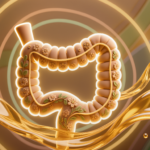
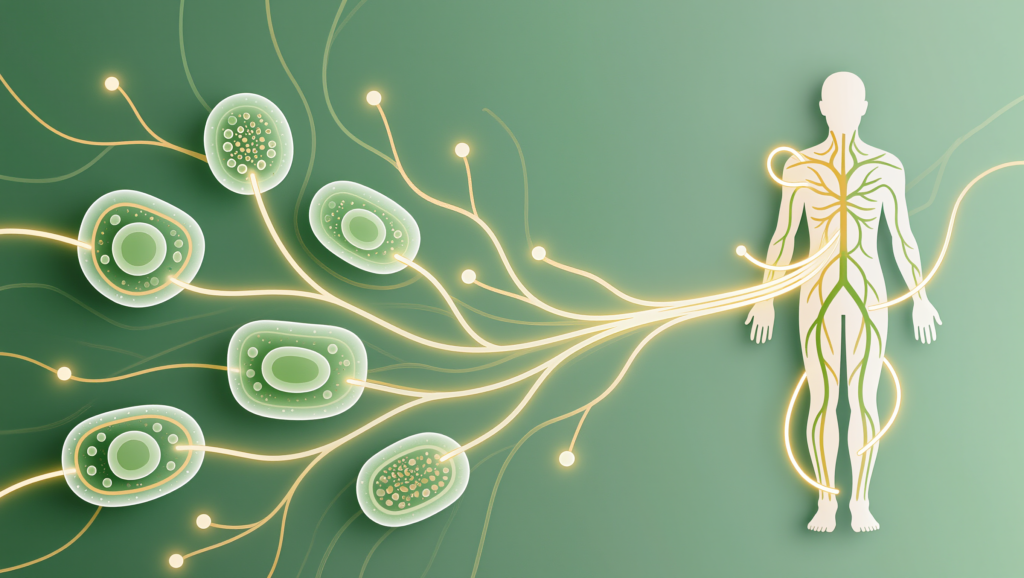
Here’s some insider knowledge: polysaccharides aren’t digested like sugar or regular carbs. Instead, most reach your large intestine intact and are fermented by friendly bacteria living in your gut. This fermentation process is transformational—your gut bugs munch through polysaccharides to produce short-chain fatty acids (SCFAs), which deliver energy to your colon cells and help regulate overall metabolism.
- SCFAs—Your Secret Fuel: Acetate, propionate, and butyrate are superstar SCFAs created during fermentation. Once absorbed, these molecules power intestinal cells, enhance the gut barrier, support blood sugar regulation, and even influence fat storage.
- Sustained Energy Release: Polysaccharides slow down digestion and provide a more even supply of energy over time (compared to the sugar rush and crash of simple carbs). This steady energy flow helps keep insulin levels balanced and may reduce cravings and fatigue.
- Stamina for Athletes: Endurance athletes have caught on—the slow-carb energy from polysaccharide-rich foods helps sustain performance, making these molecules a sports nutrition staple.
Immunity: The Hidden Strength of Polysaccharides
Polysaccharides are much more than just fuel. They’re nature’s immune activators, helping your body detect and fight off invaders, dampen chronic inflammation, and recover from illness or injury.
- Immune System Modulation: Certain types of polysaccharides, especially beta-glucans found in oats, barley, and medicinal mushrooms (like reishi, shiitake, and maitake), can activate key players in your immune system—macrophages, neutrophils, and natural killer cells. This supports both your innate immunity (the first barrier against threats) and your adaptive immunity (targeted response to bacteria and viruses).
- Cytokine Regulation: Polysaccharides help keep inflammatory cytokines balanced, lowering chronic inflammation—a major contributor to diseases ranging from diabetes to heart disease.
- Prebiotics and Gut Barrier: By fostering the growth of beneficial gut bacteria, polysaccharides strengthen the gut barrier and train your immune system to respond more efficiently to challenges.
Medicinal mushrooms stand out in this arena, with a host of studies spotlighting their immune-strengthening properties. The polysaccharides found in reishi (Ganoderma lucidum), for example, have been shown to ramp up white blood cell activity and support faster recovery from infections and stress.
Where to Find Bioactive Polysaccharides
You’re likely eating polysaccharides already, but some sources pack a heavier punch than others:
- Whole grains: Oats, barley, wheat, brown rice—prime sources of beta-glucans and arabinoxylans.
- Root vegetables: Sweet potatoes, potatoes, yams—loaded with starches and non-starch polysaccharides.
- Legumes: Beans, peas, lentils.
- Fruits: Apples (pectin), bananas (inulin), berries.
- Seaweed: Agar, carrageenan, alginates.
- Mushrooms: Shiitake, reishi, maitake, lion’s mane—rich in immune-boosting beta-glucans and heteropolysaccharides.
- Aloe vera: Contains acemannan, a unique polysaccharide linked to immune, skin, and gut health.
Real-World Evidence: Human Studies
Hundreds of clinical trials have examined how polysaccharides benefit energy, metabolism, and immune function in real people:
- Gut Health: Inulin-type fructans (from chicory root, Jerusalem artichoke) boost the growth of Bifidobacterium and other beneficial gut microbes while reducing inflammation, improving satiety, and supporting bowel regularity.
- Metabolic Disease: Oat beta-glucans and resistant starches improve blood sugar regulation, insulin sensitivity, and cholesterol levels in diabetic and metabolic syndrome patients.
- Cognitive Performance: Some studies report that polydextrose and other prebiotic polysaccharides can enhance mood, focus, and mental clarity by influencing gut-brain signaling.
- Immune Enhancement: Mushroom-derived beta-glucans increase white blood cell counts, improve vaccine efficiency, and decrease cold/flu frequency in controlled trials.
How to Use Polysaccharides for Biohacking
Ready to upgrade your energy and immunity? Here’s your biohacker’s roadmap:
1. Eat a Diversity of Whole Foods
Mix and match polysaccharide sources daily to optimize gut microbial diversity and benefit from a broader spectrum of health effects. Aim for:
- 1-2 servings of whole grains like oats or barley per day
- Sweet potatoes, legumes, or root vegetables in a couple of meals weekly
- 1 piece of fruit rich in fiber daily
- Several servings of dark leafy greens and cruciferous veggies weekly
2. Boost With Functional Foods and Supplements
- Medicinal mushroom supplements: Look for “fruiting body” extract powders with high beta-glucan content.
- Prebiotic powders: Inulin, acacia fiber, and polydextrose are well-researched options; start with small doses to avoid GI discomfort.
- Aloe vera juice: Contains acemannan—used as an immune booster and for gut healing, usually taken daily.
3. Experiment With Recipes & Pairings
- Add mushroom powders to smoothies, teas, or coffee.
- Stir inulin powder into oatmeal, yogurt, or baked goods.
- Make miso soup with seaweed for a polysaccharide-packed meal.
- Blend aloe vera juice with berry smoothies for an extra kick.
4. Go Slow and Track Your Progress
Some people experience temporary bloating or gas as their guts adjust to higher polysaccharide intakes (thanks to increased fermentation by new bacterial strains). Start with small amounts and gradually increase over several weeks.
Keep a journal to track energy, digestion, mood, and immune changes. Adjust your intake and sources according to what makes you feel best.
Biohacking: Isolating Advanced Benefits
Engage advanced strategies for maximizing results:
- Cycling polysaccharide sources: Switch up your main sources every month (grains, roots, mushrooms, seaweed) to challenge your microbiome and keep diversity high.
- Strategic supplement timing: Take mushroom polysaccharides or inulin blends before travel, during stressful periods, or when you’re exposed to illness for an immune “boost.”
- Synergistic combinations: Pair polysaccharides with probiotics (live yogurt, kefir, or trillions-count capsules) to supercharge gut health and resilience.
Safety, Dosage, and Who Should Avoid
Polysaccharides are generally safe for most people when obtained from foods. But high-dose supplements can cause digestive upset in sensitive individuals; rarely, allergies occur with mushroom or seaweed extracts.
- Common daily dose: 5-10g of added prebiotic fiber, 100-500mg beta-glucans from mushrooms, 1-2 tablespoons aloe juice.
- When to be cautious: If you have bowel disease (like IBD), a history of allergies, or an immune disorder, talk to a healthcare provider before starting new supplements.
- Pregnancy: Stick with food sources unless your doctor approves a specialty supplement.
Why Biohack With Polysaccharides?
Simple: These potent carbohydrates don’t just power up your day; they defend your body inside and out. By feeding your gut bacteria, regulating your energy, and calibrating your immune system, polysaccharides provide a direct line to better health, more stamina, and a body that responds quickly to challenges.
Did you find this article helpful? Support us by following us on our social media for more content on natural health and wellness:: Youtube, Instagram, Facebook, Pinterest, Twitter (X)
Sources:
- https://pmc.ncbi.nlm.nih.gov/articles/PMC9573424/
- https://pmc.ncbi.nlm.nih.gov/articles/PMC10358859/
- https://pmc.ncbi.nlm.nih.gov/articles/PMC11994737/
- https://pmc.ncbi.nlm.nih.gov/articles/PMC10374449/