











When you hear “psilocybin,” you might think of tie-dye, trippy imagery, and the counterculture of decades past. But today, there’s a whole new side to the “magic mushroom” story—one where tiny, thoughtfully dosed amounts (microdoses) don’t send you on a mind-bending journey, but instead open new doors for tackling depression and supercharging creativity. Far from psychedelic escapism, microdosing psilocybin has become the go-to brain hack for Silicon Valley entrepreneurs, wellness seekers, and people looking for hope beyond conventional antidepressants.
But what exactly is microdosing psilocybin? Does it really help with mental health and creative breakthroughs? Is it safe, and what does the science say? Let’s break down this potent trend, backed by fresh research and voices from both the lab and the real world.
What is Microdosing Psilocybin?
Microdosing means taking a very small, sub-perceptual dose of a psychedelic—typically about 1/10th to 1/20th of a standard “trip” dose. For psilocybin (“magic mushrooms”), that’s usually about 100–200 mg (0.1–0.2 grams) of dried mushrooms; just enough to, in theory, nudge your mood, focus, or cognition without changing your perception or making you hallucinate.
Microdosing psilocybin is often done on schedules such as one day on, two days off, or several times per week, often for a few weeks at a time. The goal? To get the benefits—better mood, enhanced creativity, less anxiety—without the wild ride.
How Does Microdosed Psilocybin Work in the Brain?
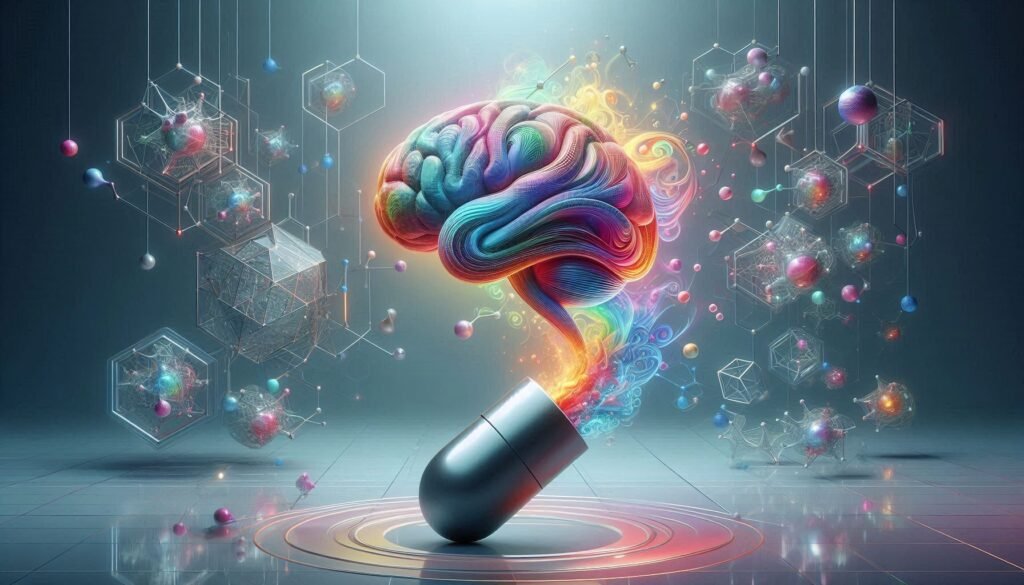
Psilocybin (and its active metabolite, psilocin) mimics serotonin, a brain chemical that regulates mood, perception, appetite, and more. In larger amounts, psilocybin activates brain receptors to create hallucinations and “altered states.” But at microdoses, the experience is more subtle: users report increased focus, sensory acuity, and a gentle emotional openness, but usually no visuals or lost time. Recent neuroscience has found:
- Psilocybin (even microdoses) boosts neuroplasticity—the ability of brain cells to form new connections (“dendritic branching”), letting you break out of mental ruts.
- It seems to temporarily increase communication between brain regions that don’t usually interact, breaking down “rigid” thinking patterns felt in depression or creative blocks.
This disruption of the brain’s usual network activity may make it easier to tackle problems in novel ways, let go of negative feedback loops, and form more adaptive mindsets.
Microdosing Psilocybin for Depression: What the Science Shows
Conventional antidepressants help millions, but others don’t respond well to these drugs, or they dislike their side effects. That’s where interest in psychedelics is heating up. Most clinical studies on psilocybin for depression use single, moderate-to-large doses under clinical supervision—not microdoses. However, the growing body of research on microdosing is promising:
- Early small trials and large surveys find microdosing may ease symptoms of depression and anxiety without triggering full-blown hallucinations, making it easier and more practical for day-to-day life.
- A recent phase 2 clinical study found that microdoses (1–3 mg/day) administered over three weeks led to dramatic improvements in psychological distress among advanced illness patients with few side effects.
- Meta-analyses confirm that psilocybin treatment (even in low doses) showed “significantly larger” antidepressant effects compared with placebo, particularly in those with secondary depression or prior experience with psychedelics.
While more research is needed—especially large, placebo-controlled microdosing studies—the existing evidence and anecdotal reports point to microdosed psilocybin as a gentle, scalable way to improve mood, even for those unresponsive to standard meds.
Creativity & Innovation: Why Are Entrepreneurs and Artists Microdosing?
Beyond mental health, microdosing is gaining traction in the worlds of entrepreneurship, coding, arts, and athletics. Why? Users report that it:
- Softens “default” ways of thinking, making them open to outside-the-box ideas.
- Boosts focus, helps get into flow states, and supports deep work.
- Reduces mental noise and negative self-talk—allowing bold brainstorming and risk-taking.
- Increases “openness to experience,” one of the five big personality traits most correlated with creativity.
Tech insiders, startup founders, and creatives say microdosing makes them more present, less anxious about failure, and more willing to experiment. Some even claim it brings a “long tail” of benefits—days or weeks of insight and confidence after a dosing session.
However, the actual science linking microdosing to creativity is still emerging, and relies mostly on self-report and smaller-scale studies, not double-blind randomized trials yet.
Is Microdosing Psilocybin Safe? Side Effects and Cautions
Most studies and surveys report minimal risks at microdose levels: mild headaches, jitteriness, or slightly increased anxiety, but these effects are generally short-lived or fade with continued use. Still:
- Anyone with a history of psychosis, bipolar disorder, or severe anxiety disorders should avoid psychedelics (even at low doses) without medical supervision.
- There are open questions about the effects of regular microdosing over months or years, and more long-term research is needed.
- Psilocybin remains illegal in many places outside of tightly regulated clinical trials, though some regions are decriminalizing use or allowing therapeutic programs.
If you’re considering microdosing, start on the very low end (100 mg or less), follow a set schedule, and work with a mental health professional—especially if you have underlying concerns.
How to Microdose (Not Medical Advice, But What the Research Shows)
- Standard microdose: About 100–200 mg (0.1–0.2 grams) dried psilocybin mushrooms, roughly 1/10–1/20th of a “full” dose.
- Schedule: Often 1 day on, 2 days off, or up to 4 days per week, repeated for several weeks.
- Start with a lower dose and increase gradually if needed, observing effects carefully.
- Journaling side effects, mood, creativity, and productivity can help track individual response and avoid unintended impacts.
Always purchase or grow mushrooms legally where permitted, ensure exact measurement (using a milligram scale), and be aware of local regulations.
The Future: The “Psychedelic Renaissance” and Unanswered Questions
We’re at the front end of a new wave in mental health—one where microdosed psychedelics may become as common as mindfulness meditation or yoga. But while testimonials and early studies are promising, researchers still urge caution and more science before using psilocybin microdosing as a substitute for proven therapies. Large, controlled trials are underway to clarify who benefits the most, the optimal doses, safe schedules, and long-term effects.
In Summary: From Mood to Mind-Blowing Ideas
Microdosing psilocybin is all about fine-tuning the mental dial—lifting mood, lowering psychological chatter, and maybe, just maybe, helping you crack that creative puzzle you’ve been wrestling with. Early science and thousands of personal stories make this an area to watch, but proceed with care, seek legal and medical guidance, and respect both the risks and the potential.
Microdosing isn’t a cure-all. But with science catching up to the trend, it’s clear this micro-approach to mushrooms is one of the most fascinating corners of today’s wellness and innovation revolution.
Did you find this article helpful? Support us by following us on our social media for more content on natural health and wellness:: Youtube, Instagram, Facebook, Pinterest, Twitter (X)
Sources