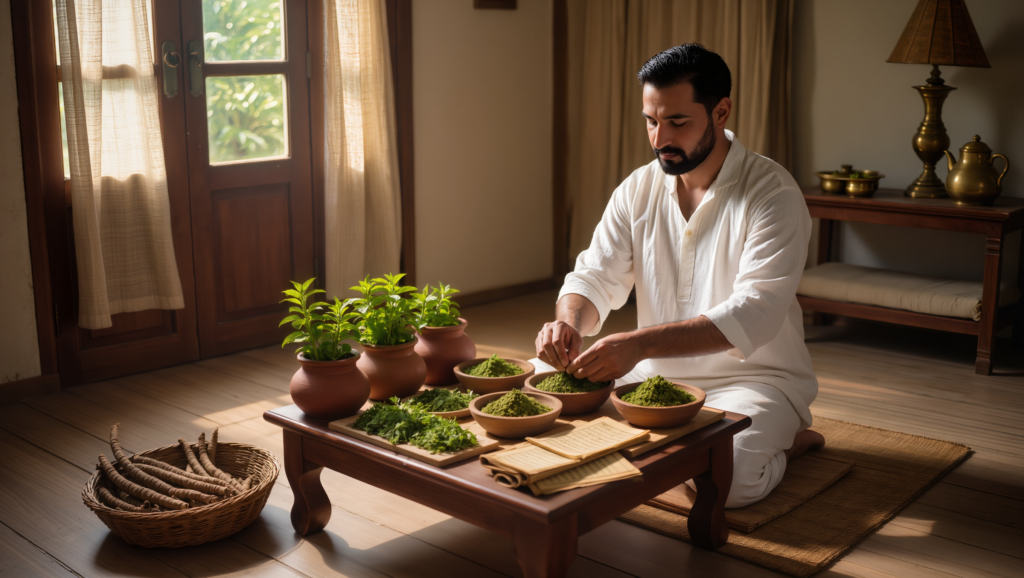












Basti, the Ayurvedic enema, is one of the most revered detox and gut-healing therapies in ancient Indian medicine—and one of the most misunderstood in the modern wellness world. Today, as people experiment with DIY coffee enemas and colon cleanses, revisiting basti with both Ayurvedic wisdom and modern science in mind can help separate powerful healing from risky fads. Used correctly, basti may support constipation relief, gut motility, and nervous system regulation; used casually or excessively, enemas of any kind can damage the colon and microbiome.
This guide unpacks what basti really is, how it’s traditionally used, what modern evidence says about enemas and gut health, and how to approach this ancient practice safely in a 21st‑century body.
What Is Basti in Ayurveda?
In classical Ayurveda, basti is not just “an enema”—it’s one of the five core panchakarma detox procedures, given pride of place for its ability to pacify Vata dosha (the principle of movement) and deeply influence the colon, nervous system, joints, and even mind. Traditional texts describe two broad types:
- Anuvasana basti – oil-based enemas (usually sesame or medicated herbal oils), nourishing and grounding, often used more frequently.
- Niruha / Asthapana basti – decoction-based, using herbal teas, oils, honey, and other substances; more cleansing and typically done under close supervision.
From an Ayurvedic lens, the large intestine is Vata’s main seat. When Vata is aggravated—through stress, over-travel, poor sleep, irregular eating, or aging—symptoms like dryness, gas, bloating, constipation, anxiety, and joint pain emerge. Basti is thought to deliver medicine directly to this seat of Vata, calming the entire system from the inside out.
Modern integrative practitioners often adapt basti as:
- Short series of oil enemas for dry constipation and Irritable Bowel Symdrome C–type patterns.
- Carefully supervised herbal basti within a broader panchakarma schedule, not as a one‑off home cleanse.
What Modern Medicine Knows About Enemas
Conventional medicine mostly uses enemas for fecal impaction, severe constipation, or bowel prep, not long-term “detox.” A general review of enema use notes that enemas soften hard stool and stimulate colonic muscle contraction, helping evacuate stool when oral laxatives are not enough.
More specifically:
- Olive oil enemas have been studied in children with severe chronic constipation. A retrospective series of 118 pediatric patients found olive oil enemas (often followed by glycerin) were effective for fecal disimpaction or lubrication in over three-quarters of cases, and most families could safely administer them at home under medical guidance.
- Herbal or “natural” enemas are not automatically safe. A case report in the medical literature described a 57‑year‑old developing severe ileocolitis and massive rectal bleeding immediately after a herbal enema for chronic constipation, requiring emergency total laparoscopic colectomy. The authors note that side effects from herbal enemas range from discomfort to hemorrhagic colitis and, very rarely, life‑threatening bleeding.
Major gastroenterology and surgical guidelines also caution that adding enemas routinely to bowel prep or using them casually doesn’t consistently improve outcomes and can lower patient comfort.
In short: enemas can be powerful tools—but also powerful stressors on delicate colon tissue when misused.
Basti vs. Generic Enemas: What’s Different?
From a safety and science perspective, it helps to distinguish:
- Ayurvedic basti (especially oil-based)
- Uses warm oil or carefully prepared herbal decoctions.
- Focuses on gentle volumes, slower administration, and retaining the substance for some time.
- Aims to nourish, lubricate, and modulate the nervous system, not just blast stool out.
- Typical Western enemas (saline, phosphate, or stimulant)
- Focus on rapid bowel evacuation.
- May be hyperosmotic or irritating to mucosa.
- Not designed for regular use, especially not daily, outside medical direction.
- DIY “detox” herbal or coffee enemas
- Highly variable ingredients, doses, and sterility.
- Documented in case reports to cause colitis, bleeding, infection, and perforation.
Ayurveda’s emphasis on warm, unctuous oils for Vata patterns maps more closely onto olive‑oil‑type enemas studied for lubrication and constipation than to harsh cleansing enemas. Even then, modern medicine would still treat them as short‑term interventions, not a lifetime daily ritual.
Potential Benefits: Where Ancient Theory and Modern Data Overlap
1. Constipation Relief and Colon Lubrication
Oil-based enemas clearly shine here. The pediatric olive‑oil study found that 1–2 ml/kg olive oil enemas, sometimes combined with glycerin, successfully helped disimpact or lubricate stool in a high percentage of children with functional constipation or underlying anorectal conditions.
Mechanistically, oil:
- Softens and lubricates hardened fecal masses.
- Reduces friction and straining.
- May protect delicate mucosa from micro‑tearing.
Ayurvedic sources and modern Ayurvedic clinicians echo this, framing basti as ideal for dry, hard stool, bloating, and Vata‑type constipation patterns.
2. Calming the Nervous System (Vagus–Gut Axis)
Ayurveda’s Vata concept overlaps surprisingly well with the modern gut–brain axis. Oil in the colon could:
- Stimulate rectal and colonic stretch receptors in a gentler way than harsh chemical enemas.
- Provide a warm, soothing local signal that may indirectly ease pelvic floor tension.
- Serve as a ritual that cues relaxation—when combined with rest, quiet, and slow breathing.
While direct clinical trials on basti and anxiety are lacking, broader research shows that pelvic and gut‑focused therapies (like TCM enemas in acute disease, or rectal drug administration) can significantly impact pain, motility, and inflammatory markers because the rectum and colon are richly innervated and highly vascular.
3. Local Delivery of Herbal Medicine
Traditional Chinese medicine (TCM) provides a strong parallel: herbal enemas are used to deliver decoctions directly to the colon where they can be absorbed without first‑pass liver metabolism. In severe acute pancreatitis (SAP), TCM enema with raw rhubarb solution has been used to reduce abdominal pain and modulate disease progression alongside Western care, with the rectal route providing high bioavailability and fewer systemic side effects than oral dosing.
Ayurvedic basti decoctions may function similarly for:
- Local inflammatory bowel conditions (conceptually aligning with grahani or colitis‑like states).
- Targeted delivery of bitter, anti-inflammatory, or nervine herbs.
However, just as in TCM practice, this should be considered a medical procedure—carefully dosed, prepared, and monitored—rather than a kitchen‑sink DIY experiment.
Real Risks: Why Respect and Supervision Matter
Despite romanticization of “ancient detox,” enemas always carry risk. Documented complications include:
- Mechanical trauma and perforation – especially with rigid tips, forceful insertion, or inappropriate volume; perforation has been associated with significant morbidity and mortality in acute-care settings.
- Colitis and bleeding – the herbal enema case report shows that even “natural” ingredients can provoke severe ileocolitis and massive rectal hemorrhage requiring emergency colectomy.
- Electrolyte disturbances – frequent enemas (particularly phosphate or large-volume ones) can disturb sodium, potassium, and fluid balance, especially in frail or renal‑compromised patients.
- Microbiome disruption – although data are limited, repetitive flushing and local irritation may contribute to dysbiosis or increased permeability over time.
Ayurveda itself does not recommend basti casually. Classical texts are clear: it belongs inside a structured panchakarma program, individualized to constitution and disease, and administered by trained practitioners.
Modern GI and surgical societies echo the broader caution: enemas have their place, but routine use outside specific indications adds discomfort and risk without documented benefit.
Basti-Inspired Gut-Friendly Approaches (That Don’t Break Your Colon)
If you’re drawn to basti because your gut is struggling, it’s worth first applying the “spirit” of the practice without jumping straight to enemas:
- Vata-pacifying daily rhythm
- Regular mealtimes, early lighter dinners, warm cooked foods, and reducing erratic snacking all support motility and nervous system balance from above.
- Hydration and healthy fats
- Adequate water plus dietary oils (olive, ghee, sesame) and soluble fiber often restore stool softness without any rectal interventions.
- Breathwork and gentle movement
- Slow diaphragmatic breathing and walking massage the intestines and can significantly impact bowel habits via the gut–brain axis.
- Short, supervised course of oil enemas for refractory constipation
- In stubborn, chronic constipation (especially in the elderly or neurologically impaired), a clinician may recommend a brief series of oil enemas, similar to the olive oil protocol studied in children—with careful dosing and monitoring, not as a long-term daily habit.
If You’re Considering Ayurvedic Basti: Safety Checklist
If, after working with diet, movement, and stress, you still feel called to explore authentic basti, approach it with medical-level respect:
- Work with qualified professionals
- Seek an experienced Ayurvedic physician (BAMS or equivalent) and, ideally, coordinate with your gastroenterologist—especially if you have IBD, diverticulosis, colorectal surgery history, heart or kidney disease.
- Avoid DIY herbal mixes
- The herbal enema case of catastrophic bleeding is a strong warning against improvising ingredients and strengths. Use only properly prepared, sterile formulations from trusted sources, if at all.
- Start with gentle, oil-based basti
- For many Vata‑type patients, a limited series of low‑volume, warm oil enemas under supervision is both safer and closer to traditional indications than aggressive decoction basti.
- Respect frequency and duration
- Even in panchakarma, basti is typically a focused course (e.g., 8–16 days), not a permanent daily lifestyle habit.
- Know when to stop and seek help
- Severe pain, bleeding, fever, or worsening constipation after an enema are red flags that require urgent medical evaluation, not “pushing through.”
How Basti Fits Into a Modern Gut-Healing Plan
Seen through a 2025 lens, basti is best understood as a specialized, adjunctive therapy for specific gut and Vata‑related conditions—not a universal biohack. The most evidence-aligned role looks like this:
- Occasional, short-term therapeutic use
- For fecal impaction or severe constipation, oil-based enemas (like olive oil) can be effective and relatively safe when properly dosed and supervised.
- Targeted rectal delivery of herbal or pharmaceutical treatments
- As illustrated by TCM rhubarb enemas in severe acute pancreatitis, the rectal route can meaningfully deliver medicine to the colon while bypassing some systemic side effects.
- Integrated with lifestyle foundations
- The biggest gains for modern gut health still come from fiber‑rich, minimally processed diets; adequate hydration; circadian‑aligned routines; and stress regulation. Basti, if used, should amplify—not substitute for—these foundations.
Final Thoughts: Ancient Doesn’t Automatically Mean Gentle
Basti earns its legendary Ayurvedic status because the colon and Vata are so central to whole‑body balance. Modern science confirms that rectal therapies and enemas can significantly influence bowel function and even systemic disease—but also that they can cause harm when misapplied.
If you’re attracted to basti as a path to modern gut health, let it inspire a respectful, evidence‑aware approach:
- Start with Vata-calming routines, whole foods, and nervous system tools.
- Reserve any form of enema—Ayurvedic or otherwise—for clear indications and professional supervision.
- Remember that true “detox” for your colon is less about flushing from below and more about consistently nourishing from above.
Handled wisely, basti can be one of many tools in a holistic gut‑healing toolkit. Handled casually, it can turn a well‑meaning ritual into a very real medical emergency.
Did you find this article helpful? Support us by following us on our social media for more content on natural health and wellness:: Youtube, Instagram, Facebook, Pinterest, Twitter (X)
Sources
- https://pubmed.ncbi.nlm.nih.gov/33812657/
- https://pmc.ncbi.nlm.nih.gov/articles/PMC3401717/
- https://pmc.ncbi.nlm.nih.gov/articles/PMC3641812/