











Ambarella (Spondias dulcis) – better known in Jamaica as June plum – is one of those fruits that quietly does everything: hydrates, fills you up, delivers a serious hit of vitamins, and still tastes like summer in a bite. If you’re looking for a weight‑loss‑friendly, ultra‑hydrating fruit that isn’t yet another apple or orange, June plum absolutely deserves a spot in your kitchen.
Let’s walk through what’s actually in this tropical fruit, why it’s so good for hydration and appetite control, how it might support metabolic health, and the smartest ways to use it if you’re watching your weight.
Meet Ambarella / June Plum: The Jamaican Hydration Bomb
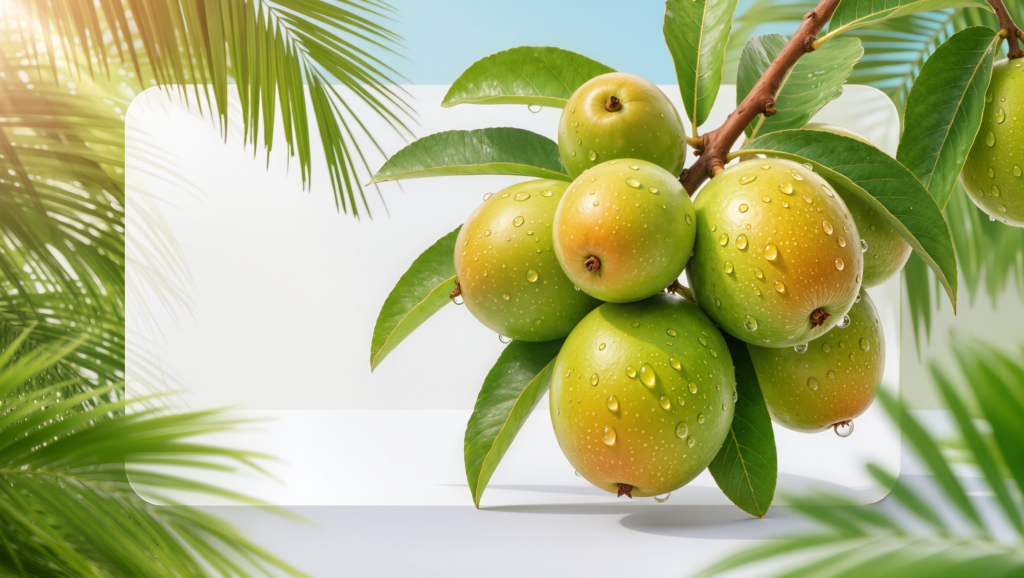
Ambarella is native to the Pacific/Asian tropics but is now widely grown in the Caribbean, including Jamaica, where it’s loved fresh, pickled, juiced, and blended into tangy drinks. The fruit is typically:
- Bright green when unripe (crisp, very tart, more fibrous and higher protein)
- Golden‑yellow when ripe (juicier, sweeter, still pleasantly tangy)
Nutritionally, June plum is low in calories and fat but rich in water, fiber, and micronutrients, which is exactly what you want from a weight‑loss and hydration food.
Analysis note that a typical serving of ambarella provides roughly:
- ~48–70 kcal
- ~1 g protein (higher in unripe fruit)
- ~12–17 g carbohydrates (mostly natural sugars + fiber)
- Very little fat (~0.1%)
- Vitamin C (~30 mg per 100 g) – a solid chunk of your daily needs
- Vitamin A and B‑complex vitamins (thiamine, riboflavin)
- Minerals: calcium, phosphorus, iron, potassium
- Meaningful dietary fiber
- Very high water content
In short: Ambarella is basically a slightly sweet, very tangy, vitamin‑rich, high‑water crunch – which is why it’s such a useful tool for both hydration and appetite management.
Why Ambarella Is a Natural Hydration Aid
Hydration isn’t just about how much water you drink; it’s also about water plus electrolytes and how long that fluid sticks around in your system.
June plum checks several boxes:
- High water content
Analyses describe ambarella as “abundant in water content,” making it an ideal warm‑weather fruit. That water is packaged with fiber and natural sugars, which helps slow absorption and keep you hydrated longer than chugging plain water. - Electrolytes and minerals
Ambarella contains potassium, calcium, phosphorus, and a modest amount of sodium, which help maintain fluid balance, nerve function, and muscle contraction – especially helpful if you’re active or sweating. - Vitamin C–rich recovery food
Vitamin C supports collagen production, tissue repair, and immune function; WebMD notes that ambarella “helps the body recover, especially after strenuous activity.” Combined with quick carbs and fluids, it becomes a surprisingly effective post‑walk or post‑workout snack. - Traditional cooling / refreshing uses
In the Caribbean and Asia, June plum is commonly turned into refreshing drinks or blended with water and a bit of sweetener to create a tangy electrolyte‑style beverage. Culturally, it’s been used as a “cooling” fruit in hot climates long before modern sports drinks.
If you struggle to drink enough plain water, mixing sliced ambarella into water, making a light June plum juice (heavy on water, light on sugar), or adding it to smoothies is a tasty way to keep your hydration up without excess calories.
How Ambarella Can Support Weight Loss
Ambarella isn’t a magic fat burner, but its structure and nutrient profile make it an excellent ally if you’re trying to eat less without feeling deprived.
1. Low in calories, high in fiber and water
Medindia notes that one serving provides only about 48 kcal, with low carbohydrate and fat content but “high dietary fiber,” calling it “an ideal fruit for weight loss.” Netmeds and other sources echo that ambarella is low in calories and fat but high in fiber and water, making it suitable for managing weight.
Why that matters:
- Fiber + water increases stomach volume and triggers stretch receptors, promoting a sense of fullness (satiety).
- Low energy density means you can eat a decent volume for relatively few calories.
- By filling part of your stomach with a high‑fiber fruit, you tend to eat less of heavier, calorie‑dense foods at the same meal.
This is exactly the “volumetrics” strategy often used in evidence‑based weight‑management programs.
2. Natural sugars + fiber = steadier energy
Ambarella contains natural sugars (sucrose, glucose, fructose) that provide quick energy, but those sugars are packaged with fiber, which slows absorption.
- WebMD points out that ambarella’s natural sucrose can be a quick fuel source during endurance training, without the same blood sugar spikes as refined snacks.
- Netmeds notes that its carbohydrates and natural sugars “provide a quick and sustained energy boost,” especially when eaten fresh or in smoothies.
Used strategically – for example, as a pre‑workout or mid‑afternoon snack – June plum can satisfy sweet cravings and keep energy stable, instead of sending you into a sugar crash that leads to overeating later.
3. Supports digestion and regularity
Ambarella’s dietary fiber “regulates the digestive tract,” helps reduce constipation, and promotes overall gut health. When digestion is smooth:
- You feel less bloated and sluggish, which often improves motivation to move.
- Better gut motility and microbial balance can indirectly support weight management via improved insulin sensitivity and inflammation control.
June plum is also used traditionally to ease constipation and support metabolism.
4. Micronutrients that indirectly aid weight control
A few of ambarella’s nutrients play supportive roles in metabolic health:
- Vitamin C: Higher vitamin C status is associated with better fat oxidation during exercise; ambarella delivers ~30 mg per 100 g.
- Potassium and magnesium: Important for blood pressure regulation, muscle function, and glucose control – factors that influence how good you feel during activity and how your body handles carbs.
- Antioxidants (vitamins A, C, K; flavonoids, tannins): Help reduce oxidative stress and inflammation, which are often elevated in obesity and metabolic syndrome.
None of this turns June plum into a fat‑loss pill, but together they make it a metabolically “clean” fruit that supports the systems you rely on when losing weight.
Ambarella vs. Other Fruits for Weight Loss and Hydration
Compared to more common fruits:
- Calories: Ambarella’s ~48–70 kcal per fruit is on par with or slightly lower than something like an apple or small banana, but with a tangier flavor and often more water density.
- Vitamin C: Its ~30 mg per 100 g is competitive with oranges and higher than many melons.
- Fiber: Unripe and just‑ripe June plums tend to be fibrous, sometimes more so than juicy stone fruits.
- Electrolytes: The combination of potassium, calcium, and phosphorus is particularly helpful for hydration and bone support.
If you’re bored with the usual weight‑loss fruits (apple, grapefruit, berries), ambarella gives you a tangy, crunchy, Caribbean alternative that’s at least as effective for satiety and hydration, with an extra hit of tropical antioxidants.
Creative Ways to Use June Plum for Weight Loss & Hydration
1. Pre‑meal “volume booster”
Eat one June plum 15–20 minutes before meals:
- Slice it (ripe or slightly green), sprinkle with a little chili and lime, or a pinch of salt.
- The water + fiber helps you feel partially full when you sit down, making it easier to eat smaller portions of heavier dishes.
2. Light, hydrating June plum juice
Traditional Jamaican June plum drinks can be very sugary—but you can make a lighter, weight‑loss‑friendly version:
- Blend peeled ambarella with plenty of water, a small piece of ginger, and just a teaspoon of honey or stevia if needed.
- Strain or leave the pulp in for extra fiber.
- Serve over ice as a natural electrolyte drink post‑workout or on hot days.
This gives you hydration and micronutrients without the massive sugar load of commercial sports drinks.
3. Salads and salsas
Use ambarella like a tart green mango or green apple:
- Dice unripe or semi‑ripe fruit into salads for acid + crunch instead of croutons.
- Make a June plum salsa with onions, cilantro, chili, and lime to top grilled fish, tofu, or salads.
You add flavor, texture, and fiber without many extra calories.
4. Smart dessert swaps
For dessert cravings:
- Chill ripe June plums, slice, and serve with a squeeze of lime and a pinch of sea salt.
- Blend with frozen pineapple and coconut water for a sorbet‑like smoothie bowl (stay light on added sweetener).
You satisfy the urge for something bright and sweet while sticking with a low‑calorie, high‑fiber fruit base.
Are There Any Downsides or Precautions?
Ambarella is generally considered safe and healthy when eaten as food, but a few considerations:
- Acidity: Very tart unripe fruit or heavily spiced pickles can be irritating if you have acid reflux or gastritis.
- Sugar content: It’s lower‑calorie than many snacks, but still contains natural sugars; if you’re diabetic or very carb‑sensitive, treat portions like you would any fruit and monitor your response. Some traditional sources suggest it can help regulate blood sugar, but robust clinical data are limited, so don’t rely on it as a primary diabetes therapy.
- Kidney or mineral issues: The fruit contains potassium and small amounts of sodium and other minerals; if you are on a strict renal or electrolyte‑restricted diet, discuss fruit choices with your healthcare provider.
As always, whole fruit ≠ concentrated extract: stick with fresh ambarella or minimally processed preparations rather than high‑sugar syrups or candies.
Putting It All Together: A Jamaican Fruit With Real Functional Benefits
Ambarella / June plum isn’t just a fun tropical novelty. Based on its composition and traditional use, supported by modern nutrient analyses, it’s a genuinely smart pick if you’re aiming for:
- Better hydration: High water + electrolytes + vitamin C.
- Weight management: Low calories, high fiber, good satiety, and supportive micronutrients.
- Metabolic and cardiovascular support: Antioxidants, potassium, and vitamin C may assist with blood pressure, lipid balance, and recovery from exercise.
- General wellness: Immune support, skin health (collagen via vitamin C), bone and tooth support (calcium + phosphorus), and anemia prevention via iron and C‑enhanced absorption.
If you want a slightly informal, very real “biohack” from Jamaican food culture, June plum is it: snackable, hydrating, satisfying, and nutritionally dense enough to earn a regular role in a weight‑loss‑friendly, whole‑foods diet.