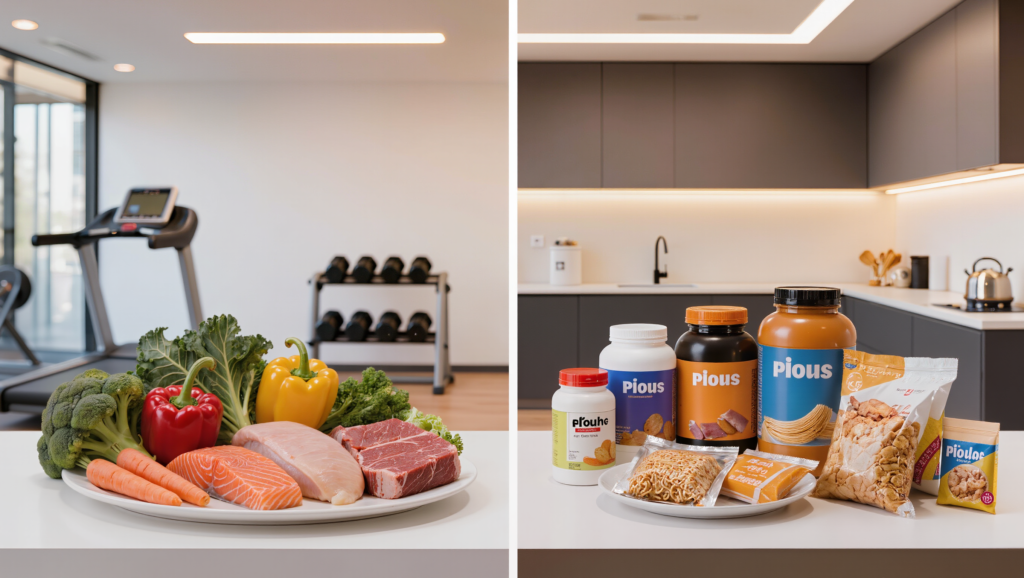












Short answer: neither wins by default for muscle recovery. The best post-workout food is the one that gives you enough protein, carbs, fluids, and key micronutrients consistently, and conventional foods can do that just as well as organic ones.
That said, organic foods may offer some advantages in antioxidant content, fatty acid profile, and possibly amino acid quality in certain foods, which could make them an interesting upgrade for athletes who want a more nutrient-dense recovery plate. The real story, though, is more nuanced than “organic good, conventional bad.”
What Muscle Recovery Needs
Post-workout recovery has a pretty clear nutritional blueprint: protein to repair muscle, carbohydrate to restore glycogen, and fluids plus electrolytes to rehydrate. A 2024 review on post-exercise recovery nutrition emphasizes that recovery is about muscle repair, glycogen replenishment, rehydration, and controlling inflammation.
That same review highlights whey protein as especially useful because it digests quickly and supplies amino acids fast, while dairy foods like milk and yogurt remain strong recovery options because they combine protein, carbs, and fluid. Other practical recovery foods include fish, eggs, potatoes, rice, fruit, and yogurt, all of which appear in mainstream sports nutrition guidance.
So before we even get to organic versus conventional, the first question is simpler: does the food deliver the recovery essentials? If the answer is yes, it is already doing most of the job.
How Eating Organic May Help Muscle Recovery
Organic foods are sometimes richer in certain nutrients that matter to athletes. A 2024 narrative review focused on athletes found that organic foods can contain more antioxidant bioactive compounds, more omega-3 fats, a better omega-3 to omega-6 ratio, and in some cases a more favorable amino acid profile.
Antioxidants matter after training
Hard training increases oxidative stress, and athletes often fall short on antioxidant intake anyway. The review notes that organic plant products often contain more polyphenols, flavonoids, anthocyanins, carotenoids, and vitamin C than conventional counterparts. That matters because foods rich in antioxidants may help support recovery from exercise-induced stress, even if isolated antioxidant supplements are not consistently beneficial.
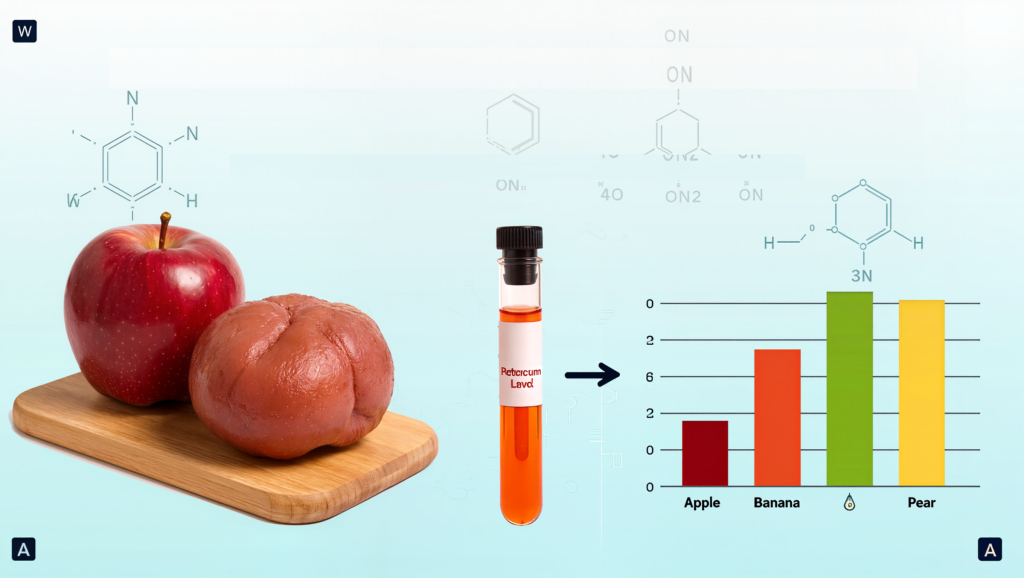
For example, the review reports that organic apples, berries, peppers, courgettes, and other produce often showed higher levels of specific antioxidant compounds. That does not mean every organic fruit is superior, but it does suggest that an organic post-workout fruit bowl may deliver a little more antioxidant “backup” than the conventional version.
Fatty acid profile can favor recovery
The same review also says organic animal foods often have a better omega-3 profile and a more favorable n-3:n-6 ratio. That matters because omega-3 fatty acids are linked with anti-inflammatory effects and may help with recovery, soreness, and joint comfort.
This is especially relevant for athletes who eat meat, dairy, or eggs regularly. If an organic food source gives you slightly more omega-3s or a better fatty acid balance, that can support the broader anti-inflammatory side of recovery. Still, the actual size of that advantage depends on the specific food, farming system, and animal feed.
Amino acid quality may be a plus
A few studies summarized in the athlete-focused review found that some organic plant foods had a better essential amino acid profile than conventional versions. That is potentially useful because essential amino acids, especially leucine, are the key signals for muscle protein synthesis.
This is not a blanket claim that all organic protein sources are superior. But it does mean that some organic foods may offer a slightly better building-block profile for recovery, especially in plant-heavy diets. For athletes eating mostly plants, that nuance can matter.
Where conventional holds its ground
Conventional food is still fully capable of supporting muscle recovery, and in many cases it is functionally identical for the stuff that matters most. The recovery review makes clear that the big priorities are protein quantity, carb availability, hydration, and overall nutrient timing—not whether the spinach or chicken came from organic production.
Protein is protein, mostly
For muscle repair, what you need most is enough total protein and enough essential amino acids. Whey, milk, eggs, chicken, fish, tofu, legumes, and protein powders can all work, depending on the meal.
The athlete-focused organic review even says the consensus on amino acid differences between organic and conventional foods is still unclear, and more long-term studies are needed. That is a polite scientific way of saying: don’t assume organic automatically means better muscle-building protein.
Why Carbohydrates Matter More Than Label Status
After training, especially endurance or high-volume sessions, glycogen restoration matters a lot. Potatoes, rice, oats, fruit, bread, and other carbohydrate sources are all valid recovery foods.
Organic carbs are nice if you prefer them, but conventional carbs do the same core job. The key is whether the food is easy to digest, contains enough carbohydrate, and fits your recovery timing. Your muscles do not care about branding nearly as much as they care about available glucose.
Micronutrient Coverage is the Real Test
Athletes often need good intakes of iron, calcium, vitamin D, magnesium, potassium, and vitamins C and E. The organic review notes that some organic foods can contain higher levels of iron, calcium, vitamin D, and antioxidants, but the evidence is inconsistent across food categories.
That inconsistency is important. Sometimes organic milk has more calcium or vitamin D; sometimes conventional does. Sometimes organic produce has more vitamin C or polyphenols; sometimes the difference is small or not statistically significant. So the smart move is to compare actual foods, not just farming labels.
The Recovery Meal Comparison Chart
If we strip away the marketing and just look at recovery function, both organic and conventional meals can be excellent. Here is the practical breakdown:
| Recovery Need | Organic Advantage | Conventional Advantage |
|---|---|---|
| Protein for muscle repair | May have slightly better amino acid quality in some foods | Usually equally effective if total protein and leucine are sufficient |
| Carbs for glycogen refill | Same if the carb source is similar | Same if the carb source is similar |
| Anti-inflammatory support | Some organic foods have more omega-3s and antioxidants | Can still be strong if the food choices are good, such as salmon, berries, yogurt, and vegetables |
| Cost and accessibility | Often more expensive | Usually cheaper and easier to access |
| Consistency and convenience | Depends on local supply | Often easier to buy in reliable variety |
The takeaway is that organic can be a bonus, but it is not a requirement for recovery success.pmc.ncbi.nlm.nih+1
The athlete angle
For athletes, the best recovery diet is usually the one that is sustainable, affordable, and easy to repeat. The 2024 athlete review argues that organic food can be an interesting alternative because it may better meet certain nutrient needs, especially antioxidants and omega-3s. But it also repeatedly notes that evidence is mixed and more research is needed.
That matters because athletes need reliability. A conventional banana, rice bowl, Greek yogurt, eggs, or chicken meal can absolutely be a top-tier recovery meal if it gives you enough protein and carbs. If organic versions fit your budget and preferences, great. If not, conventional foods are still perfectly valid performance fuel.
This is especially true post-workout, when eating enough is more important than eating “perfectly.” Recovery is driven by total intake over time, not by whether every ingredient has a certification logo.
Does Organic Food Help With Inflammation and Soreness Post Workout?
A lot of the organic hype comes from the idea that cleaner food equals less inflammation. The science is not that dramatic, but there is a kernel of truth. Organic foods can contain more antioxidant compounds and more omega-3-rich fats, both of which may help manage exercise-related oxidative stress and inflammation.
At the same time, the recovery review points out that functional foods like tart cherry juice, turmeric, omega-3-rich foods, probiotics, and prebiotics have clearer evidence for recovery support than organic status alone. That means if your goal is to reduce soreness, the specific food choice matters more than the label category.
For example:
- Tart cherry juice may help with inflammation.
- Salmon gives protein and omega-3s.
- Yogurt gives protein plus carbs and gut support.
- Sweet potatoes and rice restore glycogen.
Those are recovery wins whether the ingredients are organic or conventional.
So which one should you choose?
If your budget allows it and you care about nutrient density, organic food can be a smart upgrade, especially for fruits, vegetables, dairy, eggs, and omega-3-rich animal foods. The possible benefits are strongest where antioxidants, fatty acid profile, and mineral content are the main concern.
If your budget is tight, conventional food is still absolutely good enough for recovery, and in some cases better because it lets you afford more total food, more protein, or more frequent balanced meals. For muscle recovery, that often matters more than organic status.
Best practical strategy
The best post-workout approach is not “organic only” or “conventional only.” It is choosing the right food format for the job:
- Use a protein source with enough leucine and total protein.
- Add carbs to refill glycogen.
- Include fluids and electrolytes if you sweated heavily.
- Choose organic when it meaningfully improves food quality, taste, or your comfort level.
- Choose conventional when it is cheaper, easier, or simply more available.
That is the recovery reality most athletes live in anyway.
Bottom line
Organic food may offer some extra nutritional perks for recovery, especially more antioxidants and a better fatty acid profile in some products. But conventional food still does the essential post-workout work just fine: repair muscle, refill energy, and help you recover for the next session.
So the real winner is not organic or conventional. The winner is the meal that hits your recovery targets consistently, fits your budget, and keeps you training well.
Sources:
- https://pmc.ncbi.nlm.nih.gov/articles/PMC11643565/
- https://pmc.ncbi.nlm.nih.gov/articles/PMC11279679/