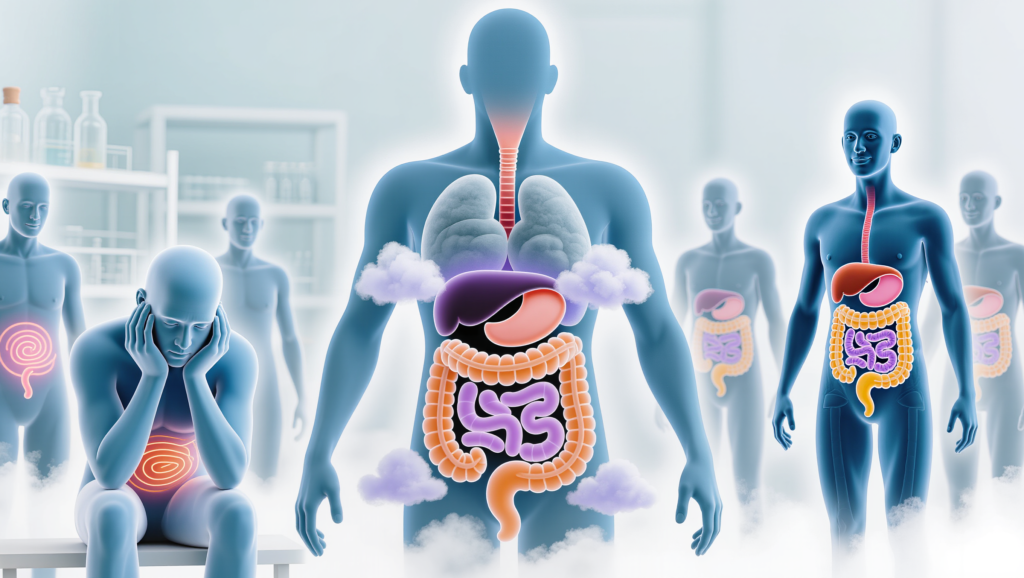












If you feel constantly bloated, tired for no clear reason, moody, and weirdly sensitive to foods you used to tolerate, there’s a decent chance your problem isn’t “just stress” or “getting older”—it’s your gut ecosystem quietly going off the rails. That state has a name: gut dysbiosis. And while almost nobody talks about it outside of wellness circles, researchers now see dysbiosis as a common root thread running through digestive issues, autoimmune disease, metabolic problems, mood disorders, and even some cancers.
Think of your gut microbiome as a densely populated city of trillions of microbes that help digest food, train your immune system, and talk to your brain through chemical signals. When that city is well‑run—diverse, balanced, and stable—you feel and function better. When it’s overrun by “bad residents,” missing key species, or constantly irritated by your lifestyle, you get dysbiosis: a disrupted microbial community that leaks inflammation and toxins into the rest of your body.
Here’s what gut dysbiosis really is, how it quietly fuels modern chronic disease, and what science says you can actually do about it.
What Is Gut Dysbiosis?
In plain language, gut dysbiosis is an imbalance in the composition and function of your gut microbes—too many harmful/pathogenic species, too few beneficial ones, and a loss of overall diversity.
A 2025 review defines it as “the disruption of the gut microbiota balance” and notes that it’s the pathological basis of various diseases, from GI disorders to neurological and metabolic conditions. Another major review describes dysbiosis as an imbalance that affects both composition and function, contributing significantly to chronic diseases like diabetes, autoimmune disorders, and cancer.
Key features of dysbiosis:
- Reduced microbial diversity (fewer different species).
- Overgrowth of potential pathogens or opportunists.
- Reduced abundance of beneficial bacteria, especially butyrate‑producing Firmicutes.
- Shifted metabolic activities (more harmful metabolites, fewer protective ones).
It’s not as simple as “good vs bad bacteria”—it’s more like a city where the wrong industries dominate, critical services are gone, and toxic waste management is failing.
How Dysbiosis Damages Your Body (Not Just Your Gut)
Scientists describe four main mechanisms by which dysbiosis drives disease:
- Impaired gut barrier (“leaky gut”)
A healthy microbiome helps maintain tight junctions between intestinal cells and a mucus layer that keeps microbes at a safe distance. Dysbiosis damages this barrier:- Harmful bacteria and their products (like LPS endotoxin) leak into the bloodstream.
- This triggers local and systemic inflammatory responses.
- A 2022 review notes that a dysbiotic microbiota can “compromise the gut barrier, resulting in tissues and organs being flooded with molecules from the diet and microbiota that negatively impact the immune system and metabolism.”
- Chronic inflammation and immune dysregulation
When bacterial components leak through, the immune system goes on constant alert, leading to:- Low‑grade, chronic inflammation.
- Immune over‑activity (autoimmunity) in some people.
- Immune exhaustion or dysfunction in others.
A 2025 review highlights immune dysregulation as a core dysbiosis mechanism, contributing to diseases like Inflammatory Bowel Disease (IBD) and Irritable Bowel Syndrome (IBS), autoimmune disorders, and colorectal cancer.
- Metabolic chaos
Gut microbes help metabolise carbohydrates, proteins, fats, bile acids, and drugs. Dysbiosis shifts this metabolism:- Imbalanced short‑chain fatty acid (SCFA) production (e.g., reduced butyrate, altered acetate/propionate).
- Overproduction of harmful metabolites (e.g., certain secondary bile acids, trimethylamine that becomes TMAO).
- Altered use of nutrients like choline, worsening metabolic disease.
- Disrupted gut–brain and gut–liver axes
The gut talks to the brain and liver constantly. Dysbiosis:- Changes neurotransmitter production and vagus nerve signalling, affecting mood and cognition.
- Sends inflammatory and microbial products to the liver via the portal vein, promoting fatty liver, fibrosis, and even liver cancer.
Put simply, once your gut ecosystem tips into a chronically dysbiotic state, you’re bathing your body in inflammatory signals and altered metabolites 24/7.
Diseases Linked to Gut Dysbiosis
This isn’t a fringe hypothesis anymore. Reviews from 2019–2025 consistently show dysbiosis associated with a cluster of modern chronic diseases.
1. Digestive disorders
- Inflammatory Bowel Disease (IBD): Dysbiosis typically shows decreased Firmicutes and Bacteroidetes (especially butyrate producers) and increased E. coli, Enterococcus and other pro‑inflammatory bacteria.
- Irritable Bowel Syndrome (IBS): Altered microbiota composition and SCFA patterns, often alongside barrier dysfunction and immune activation.
- Colorectal cancer (CRC): Overgrowth of specific bacteria that produce genotoxins and pro‑carcinogenic metabolites, creating a chronic inflammatory mucosal environment.
Mechanism summary: Microbial imbalance → toxic metabolites + barrier damage → local inflammation → disease.
2. Metabolic diseases
A 2025 review on gut microbiota and chronic disease notes that in type 2 diabetes, dysbiosis is linked to:
- Systemic low‑grade inflammation.
- Insulin resistance.
- Decreased microbial diversity and altered SCFA production.
Similarly, dysbiosis contributes to:
- Obesity – altered energy harvest, inflammation.
- Non‑alcoholic fatty liver disease (NAFLD) and NASH – microbial products reach the liver, driving inflammation and fibrosis.
3. Autoimmune and inflammatory conditions
The same review points to dysbiosis as a factor in autoimmune disorders:
- Abnormal microbial antigens and barrier leaks confuse the immune system.
- Molecular mimicry and chronic stimulation can trigger auto‑reactivity.
A 2019 paper examining clusters of chronic diseases found strong associations between antibiotic use, reduced microbial diversity, and higher risk of multiple conditions, supporting the idea that dysbiosis—especially diversity loss—raises chronic disease risk broadly.
4. Cardiovascular and neurological disease
UMass clinicians describe being “chronically in dysbiosis” as a driver of:
- Crohn’s disease and other autoimmune diseases.
- Cardiac issues—via inflammation, lipid metabolism, and TMAO.
- Cognitive and neurodegenerative problems through the gut–brain axis.
Reviews describe how barrier damage and microbiota shifts can contribute to Parkinson’s disease, depression, and Alzheimer’s, by triggering CNS inflammation and altering neuroactive metabolites.
5. General symptoms and quality of life
UMass Memorial lists common dysbiosis‑linked symptoms:
- Bloating, gas, abdominal discomfort.
- Nausea and changes in bowel habits (diarrhea, constipation).
- Food intolerances, malabsorption, and even malnutrition despite adequate intake.
Because these symptoms overlap with “normal modern life,” dysbiosis often goes unnoticed or dismissed—hence the “hidden epidemic.”
What Causes Gut Dysbiosis?
It’s rarely one thing; it’s usually a stack of modern lifestyle hits.
Major triggers highlighted in recent reviews:
- Antibiotic overuse
- Broad‑spectrum antibiotics can wipe out large swaths of your microbiome.
- A 2019 study found every chronic disease in a cluster was significantly associated with past‑year antibiotic use, and that antibiotics were linked to altered microbiota composition up to a year later.
- This supports a “loss‑of‑function dysbiosis” where we lose beneficial functions along with pathogens.
- Ultra‑processed, low‑fiber diets
- Low prebiotic fibre starves beneficial bacteria, shrinking diversity.
- High refined sugar and saturated fat promote inflammation and encourage growth of pathobionts.
- One review notes that poor diet plus dysbiosis alters intraluminal metabolism of food, leading to harmful SCFA patterns and choline depletion that worsen metabolic disease.
- Chronic stress and poor sleep
- Stress hormones and disrupted circadian rhythms modulate gut motility, mucus production, and immune tone, all of which change the microbiome composition.
- Environmental toxins and infections
- Pesticides, pollutants, and recurrent GI infections perturb microbial communities.frontiersin+1
- Other drugs
- Proton pump inhibitors (PPIs), NSAIDs, metformin, and others can shift microbial composition.
- Early‑life disruptions
- C‑section births, formula feeding, early antibiotics, and ultra‑processed childhood diets can lock in dysbiotic patterns. A 2026 Nature paper showed early unhealthy diets caused long‑lasting changes in gut–brain pathways, partly reversible later via prebiotics and Bifidobacterium longum supplementation.
Can You Fix Gut Dysbiosis? (Good News: Yes, But It Takes Work)
The gut microbiome is surprisingly resilient, but severe, long‑term dysbiosis can lead to “irreversible” loss of certain beneficial taxa. The goal is to nudge it back toward balance and maintain resilience, rather than chase a perfect “ideal” microbiome.:
1. Feed the right microbes: fibre and prebiotics
Prebiotic fibres are the microbiome’s favourite fuel. A nutrition guide on restoring flora recommends:
- Adding high‑fibre foods to every meal:
- Fruits (berries, apples, raspberries).
- Vegetables (broccoli, peas, artichokes).
- Legumes (beans, lentils).
- Whole grains (oats, barley, whole wheat).
- Using resistant starch (cooked and cooled potatoes, rice, pasta) to boost beneficial SCFA production.
Prebiotics like FOS and GOS (fructo‑ and galacto‑oligosaccharides) have been shown to restore dozens of beneficial genera and gut–brain pathways in animal models after early‑life unhealthy diets.
2. Consider targeted probiotics (not just any capsule)
Probiotics aren’t magic bullets, but they can help in specific contexts:
- A 2025 article notes they can help restore gut flora after antibiotics, reducing colonisation by multidrug‑resistant bacteria when strains are well‑chosen.
- The 2026 Nature study showed Bifidobacterium longum APC1472 improved behaviour and gut–brain function with minimal compositional changes, while FOS+GOS shifted microbiota composition more broadly.
Take‑home: probiotics can be useful adjuncts, especially post‑antibiotics or in targeted protocols, but they work best on top of a fibre‑rich, whole‑food diet.
3. Remove or reduce ongoing insults
To stop the dysbiosis feedback loop:
- Cut back ultra‑processed foods, excess sugar, and refined oils.
- Work with a clinician to minimise unnecessary antibiotics and acid‑suppressing drugs.
- Manage stress (breathwork, exercise, therapy) and improve sleep hygiene.
Otherwise, you’re bailing water from a boat with a hole in it.
4. Repair the gut barrier
Supporting the intestinal barrier helps break the leak–inflammation cycle:
- SCFA‑boosting fibres (prebiotics, resistant starch) promote butyrate production, which fuels colonocytes and tight junction integrity.
- Nutrients like zinc, glutamine, and omega‑3s (via diet or supplements) often feature in gut repair protocols, though more large‑scale data are needed.
- Some microbiota‑targeted diets and SCFA supplementation are being explored in IBD and IBS to restore gut integrity.
5. In severe cases: advanced interventions
For extreme dysbiosis (e.g., recurrent C. difficile infection), options include:
- Faecal microbiota transplantation (FMT) – highly effective in C. diff and being studied in other diseases.
- Novel microbiome‑based drugs and live biotherapeutics under development.
These are clinical‑level tools, not DIY fixes.
How Long Does It Take to Restore Gut Balance After Gut Dysbiosis?
There’s no one answer, but practitioners and reviewers outline rough timelines:
- After a short antibiotic course, microbiota composition may shift for up to a year, though much of it rebounds sooner.
- A nutritionist writing on gut restoration recommends at least several weeks to months of consistent high‑fibre, prebiotic‑rich eating to see symptom improvements and more stable flora.
- Quick‑fix “3‑day gut resets” can reduce bloating and improve bowel habits through fibre and hydration, but deep dysbiosis recovery is a longer game.
The good news: you’re constantly “editing” your microbiome with every meal, night of sleep, and stress response. It’s plastic—but only if you consistently send better signals.
When to Get Professional Help
Self‑tweaking is fine for mild symptoms, but you should see a doctor or GI specialist if you have:
- Persistent or severe abdominal pain.
- Unexplained weight loss.
- Blood in stool or black/tarry stools.
- Chronic diarrhea or constipation.
- Family history of IBD or colorectal cancer.
They can rule out serious pathology (IBD, celiac, cancer, infections) and guide more targeted dysbiosis treatment.
The Bottom Line: Gut Dysbiosis Is the Silent Background Noise of Modern Illness
Researchers now talk about dysbiosis as a common denominator across many chronic diseases whose rates have skyrocketed in the last decades—obesity, diabetes, IBD, autoimmune disease, some cancers, even depression and neurodegeneration.
It’s not that your microbiome is the only cause of these conditions. But when your inner ecosystem is:frontiersin+1
- Less diverse,
- Missing key beneficial species, and
- Chronically inflamed and leaky,
it makes you far more vulnerable to whatever genetic and environmental hits you take.
The hidden epidemic is not that we have microbes—that’s normal. It’s that we’ve quietly, collectively broken the relationship with them through antibiotics, processed food, stress, and disconnection from whole, fibre‑rich diets. The upside is that you can start repairing that relationship today with simple, consistent changes. Your gut is listening, and every bite and breath is a chance to shift that microbial city back toward a healthier, more balanced state.
Sources
- https://pmc.ncbi.nlm.nih.gov/articles/PMC8954387/
- https://pmc.ncbi.nlm.nih.gov/articles/PMC12182902/
- https://pmc.ncbi.nlm.nih.gov/articles/PMC6733864/