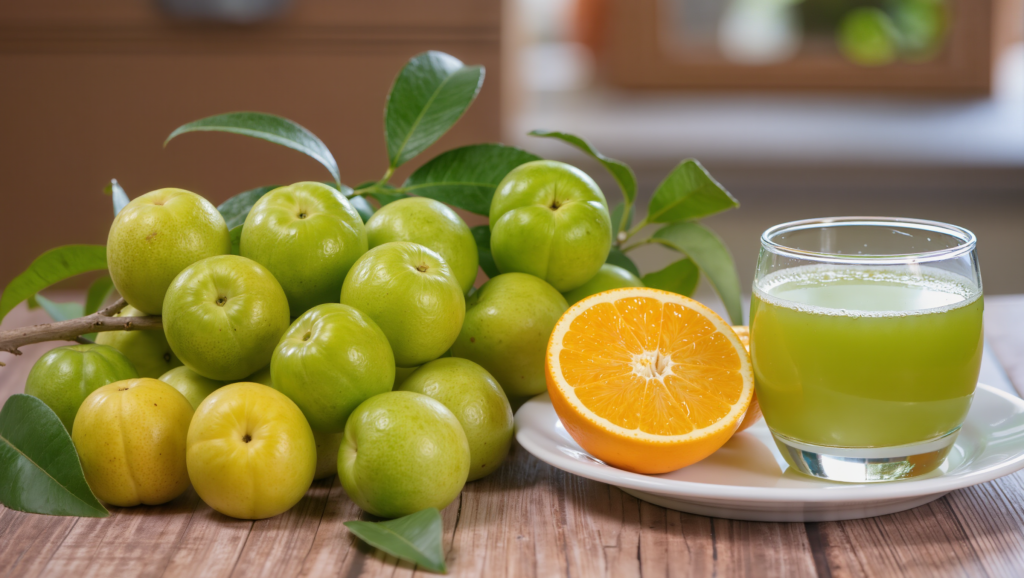












If you only reach for oranges when flu season hits, you’re missing one of the most interesting (and criminally underrated) immune‑support fruits out there: hog plum, a sour, tropical superfruit from the Spondias family that’s absolutely loaded with vitamin C, phenolic antioxidants, and other bioactive compounds. In parts of India, Latin America, and West Africa it goes by names like amra, ambarella, umbu, or simply “wild plum,” and it’s been used traditionally not just as a tangy chutney base, but as a home remedy for fevers, infections, and inflammation.
No, hog plum hasn’t been put head‑to‑head with oranges in a randomized clinical flu trial. But when you look at its ascorbic acid (vitamin C) content, antioxidant power, and anti‑infective properties, it absolutely deserves a place in any flu‑fighting pantry—often with a stronger nutrient punch and broader bioactive profile than your standard supermarket orange.
Meet Hog Plum (Spondias): The Sour Superfruit Hiding in Plain Sight
“Hog plum” refers to several species in the Spondias genus—like Spondias pinnata, S. dulcis, S. mombin, S. cytherea, and S. tuberosa—which grow as medium trees in tropical and subtropical regions. The fruits are small, oval or plum‑like, with firm, tart flesh and a fibrous seed, often eaten green (very sour) or ripe (still sharp but more aromatic).
A 2021 review on hog plums describes them as underutilised functional fruits with:
- High levels of vitamins (especially vitamin C)
- Abundant phenolic compounds and flavonoids
- Minerals like calcium and phosphorus
- Documented antimicrobial, anti‑inflammatory, febrifuge and diuretic properties in fruit, leaves, and bark extracts
A nutritional analysis of Spondias species from the Eastern Himalaya found that:
- Spondias pinnata had the highest ascorbic acid content among the tested species.
- It also showed the highest DPPH free‑radical scavenging activity (≈68.5%), indicating strong antioxidant potential.
- The same fruit had the greatest levels of total carbohydrate, carotenoids, and several other phytochemicals, making it a compact nutrient powerhouse.
Another recent paper on Spondias tuberosa (umbu, a Brazilian hog plum relative) confirmed that the fruit is rich in bioactive compounds, with low sugar and high antioxidant potential, especially in certain parts and maturity stages.
This combination—high vitamin C plus diverse antioxidants—is a big deal for immune support and flu defense.
Vitamin C: Why Hog Plum Can Rival Oranges for Flu Support
Oranges are famous for vitamin C, providing about 45 mg per 100 g of fruit. Many common “plums” have less—around 9.5 mg per 100 g in standard datasets—but that’s not the whole story for wild Spondias species, which often show much higher ascorbic acid content than cultivated dessert plums.
In the Eastern Himalaya study:
- Spondias pinnata had the highest ascorbic acid content among the Spondias tested, and this high vitamin C level tracked with its strongest antioxidant activity.
- Its DPPH radical‑scavenging activity reached 68.49%, far higher than its relatives, indicating a very potent capacity to quench free radicals.
A 2023 feature on hog plum from India highlights that the fruit is “rich in ascorbic acid, malic acid, calcium and phosphorus” and phenolic compounds and natural antioxidants, specifically noting its potential in managing oxidative damage and inflammation. A health profile aimed at the general public goes further, calling hog plum “loaded with antioxidants such as vitamin C and beta‑carotene” and explicitly linking it to immune support and collagen production.
Why this matters for flu:
- Vitamin C is crucial for normal immune function, supporting white blood cell activity, barrier integrity, and antioxidant defense under viral stress.
- Higher vitamin‑C fruit intake is associated with shorter and milder respiratory infections in many observational studies, and supplementation shows modest benefits in frequency and duration of colds in some groups.
- A fruit that combines vitamin C with polyphenols and carotenoids often delivers greater total antioxidant and anti‑inflammatory effects than vitamin C alone.
So while oranges are a solid vitamin C source, certain hog plum species pack comparable or higher ascorbic acid density by weight, and they bring along a broader phytochemical entourage that can help your immune system weather a flu storm.
Beyond Vitamin C: Hog Plum’s Antimicrobial and Anti‑Inflammatory Powers
Flu and flu‑like illnesses aren’t just about viruses; they also involve secondary infections, oxidative stress, and an over‑amped inflammatory response. Here, hog plum’s “side benefits” start to look very relevant.
The 2021 hog plum review reported that extracts from hog plum fruit, leaves, and stems show:
- Antimicrobial activity – effective against certain bacteria and fungi.
- Febrifuge effects – traditional use for reducing fever.
- Anti‑tyrosinase activity – relevant for skin, but also reflects broader enzyme‑modulating potential.
- Cytotoxic properties – including methyl gallate in methanolic extracts, which showed apoptosis‑inducing effects in various cancer cell lines (glioblastoma, lung, breast).
Another overview aimed at lay readers notes that hog plum:
- Contains antimicrobial agents and anti‑inflammatories in fruit, leaves, and bark.
- Has been used traditionally to manage infections and even conditions like gonorrhea.
- Offers potassium and antioxidants that support cardiovascular health.
The Down To Earth article on hog plum emphasizes:
- The fruit is rich in phenolic compounds and natural antioxidants, contradicting the common belief that sour foods promote inflammation.
- Bark extracts can protect against oxidative and inflammatory changes in mucositis models.
- Seeds contain compounds that help suppress certain parasites, indicating broader anti‑infective potential.
Put simply: hog plum isn’t just “vitamin C with attitude.” It carries a cocktail of plant chemicals that may hinder microbes, modulate immune signaling, and dampen excessive inflammation—all of which are highly relevant when your body is fighting off flu and opportunistic infections.nauticgardens.
Antioxidants, Phenolics, and the Free‑Radical Storm of Flu
When you’re fighting a viral infection, your immune system produces reactive oxygen species (ROS) as part of its defense. That’s useful in moderation but can damage host tissues when overdone, contributing to sore muscles, fatigue, and longer recovery.
Hog plum’s antioxidant profile helps here:
- S. pinnata not only had the highest ascorbic acid, but also the highest DPPH radical scavenging activity (~68.5%), indicating potent free‑radical neutralizing ability.
- Total carotenoid content was also highest in S. pinnata (1.30 mg/100 g), adding further antioxidant and potential anti‑inflammatory capacity.
- Reviews of Spondias species describe them as rich in phenolic acids, flavonoids and other bioactives, which collectively contribute to strong antioxidant scores.
That antioxidant power may:
- Reduce oxidative damage to respiratory epithelium and immune cells.
- Support faster recovery of tissues after the acute infection.
- Help modulate inflammatory pathways, potentially easing symptom severity.
Oranges also contain phenolics, of course, but hog plum’s combination of very high acidity, ascorbic acid, phenolic content, and carotenoids makes it a serious, if under‑appreciated, competitor in the antioxidant league.
Gut, Heart, and Skin: Bonus Benefits Of Hog Plum While Your Immune System Works
Part of “fighting the flu better” is supporting the systems that buffer stress and speed recovery—gut, circulation, and barrier tissues like skin and mucosa. Hog plum shines here too.
Digestive support
Popular health write‑ups describe hog plum as a friend to digestion because of its:
- Fiber content, which promotes bowel regularity and supports a healthy gut microbiome.
- Natural organic acids (like malic acid), which can stimulate salivation and digestive secretions.
A resilient, diverse gut microbiome is now known to be deeply intertwined with immune function and response to respiratory infections. A sour, fiber‑containing fruit like hog plum can be a nice nudge in that direction.
Cardiovascular and metabolic health
The same sources note that hog plum:
- Contains potassium that helps regulate blood pressure and counter excess sodium.
- Provides fiber and antioxidants that may help lower cholesterol and oxidative stress, both of which are risk factors for heart disease.
- Has relatively modest sugar content in some species (e.g., S. tuberosa), making it friendlier for blood sugar than many sweet fruits.
Why does this matter for flu? Because people with cardiometabolic disease (hypertension, heart disease, diabetes) tend to have worse outcomes from respiratory infections. A fruit that supports cardiovascular resilience and glycemic balance indirectly boosts your overall flu resilience.
Skin and collagen
Vitamin C and phenolics in hog plum also support collagen production and wound healing, according to general health profiles. That’s not just a vanity perk:
- Collagen is critical for the integrity of skin and mucous membranes, your first line of defense against pathogens.
- Better collagen and antioxidant status can strengthen barrier function, making it harder for viruses and bacteria to penetrate and spread.
In other words, hog plum supports your “shield” as well as your internal troops.
Does Hog Plum Really Beat Oranges for the Flu?
Scientifically honest answer: we don’t yet have human RCTs comparing hog plum vs oranges on flu incidence or severity. What we do have is:
- Evidence that certain Spondias species (especially S. pinnata) are exceptionally rich in vitamin C and carotenoids, with stronger in‑vitro antioxidant activity than many other local fruits tested.
- Data showing phenolic‑rich, antioxidant‑dense fruits generally help reduce oxidative stress and support immune function, which is beneficial during viral infections.
- Experimental and ethnomedicinal evidence that hog plum fruit, leaves, and bark have antimicrobial, anti‑inflammatory and febrifuge properties, historically used in fever and infection contexts.nauticgardens.
Meanwhile, comparisons show:
- Standard oranges: ~45 mg vitamin C per 100 g, plus flavonoids and carotenoids.
- Cultivated dessert plums: much lower vitamin C (~9.5 mg/100 g).
- But wild Spondias fruits like S. pinnata can have very high ascorbic acid content and antioxidant activity, likely comparable to or exceeding many citrus fruits by weight.
So if you live where hog plum is common (Northeast India, parts of Brazil, West Africa, Caribbean) and you’re choosing a local, seasonal, flu‑supporting fruit, hog plum is a seriously strong option—maybe even better than oranges on a mg‑for‑mg, antioxidant‑for‑antioxidant basis.
How to Use Hog Plum as a Flu‑Season Ally
If you can access fresh hog plums (S. pinnata, S. mombin, S. dulcis, etc.), here are practical ways to bring them into your routine:
- Chutneys and relishes – traditional Indian recipes combine hog plum with spices, chili, and sometimes jaggery. The heat and spices bring extra circulation and antimicrobial benefits.
- Souring agent in curries and soups – replacing tamarind or lime with hog plum increases vitamin C and phenolics in savoury dishes.
- Juices, sherbets, and infused water – dilute hog plum pulp with water and a little natural sweetener for a tangy, vitamin‑rich drink.
- Pickles and preserves – pickled hog plum can provide vitamin C and polyphenols plus probiotic potential if traditionally fermented.
If you can’t find hog plum fresh, watch for:
- Frozen pulp or concentrates in ethnic markets.
- Local wild Spondias species under different names (ask farmers or foragers).
- Future functional foods or extracts, as research continues to highlight their nutritional potential.
Just remember:
- Hog plum is very sour—which is partly why it’s so rich in organic acids and vitamin C. Blend, cook, or mix thoughtfully if your stomach is sensitive.
- Rinse well; like all produce, it should be washed to reduce surface contaminants.
The Bottom Line
Hog plum (Spondias spp.) is a classic example of a “forgotten” or underutilised superfruit: abundant in some regions, under‑studied until recently, and far more powerful nutritionally than its humble, sour profile suggests.
Compared with everyday oranges, hog plum offers:
- Comparable or higher vitamin C density in some wild species, especially S. pinnata.
- Strong antioxidant and phenolic content, with documented high radical‑scavenging activity.
- Additional antimicrobial, anti‑inflammatory and febrifuge properties in fruit and plant extracts, validated in experimental and ethnomedicinal reports.
No single fruit “cures” the flu. But if you’re building a diet that supports strong immunity, resilient tissues, and fast recovery, hog plum deserves a spot beside (or even above) your beloved oranges—especially if you have access to fresh, local Spondias. It’s sour, it’s tough, and it turns out it’s one of the most quietly powerful flu‑season allies growing on the edges of fields and forests worldwide.