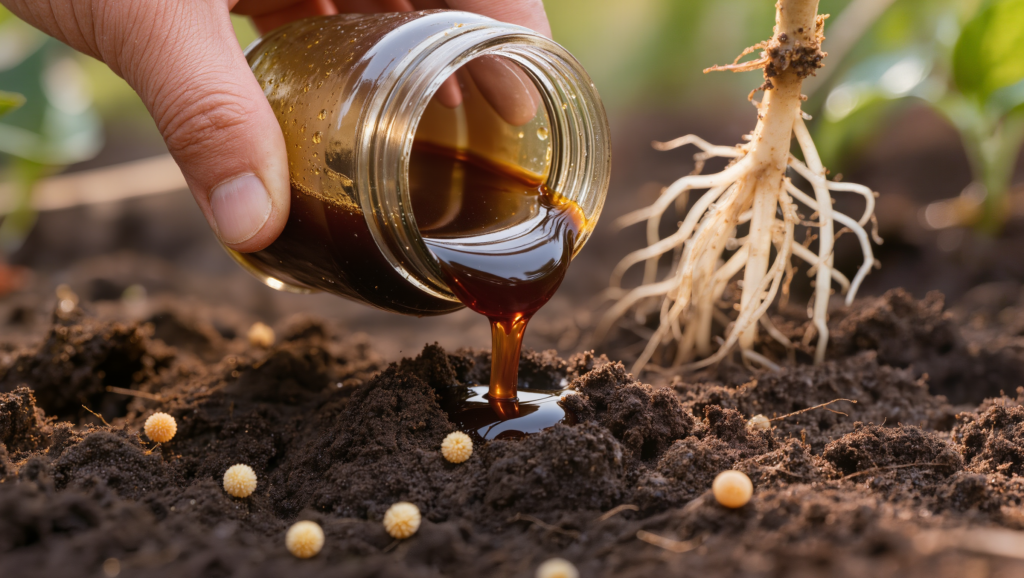











Soil remediation isn’t just about cleaning up contaminated plots—it’s quietly revolutionizing the nutrient density of future crops. As food quality remains a growing concern and nutrient levels in produce have declined over decades, scientists and eco-minded farmers are proving that healthier soil can literally translate to more nutritious meals on our plates. Let’s break down how soil remediation works, why it matters for future food, and what the science is revealing about restoring not just land, but the vital nutrients in everything we eat.
The Link Between Soil Health and Nutrient Density
Crops are built from sunlight, water, and minerals absorbed from the soil. If the soil is depleted, polluted, or struggling from decades of chemical use, crops end up skinny on minerals and phytochemicals—even when they look bright and fresh. Decades of conventional agriculture (pesticides, synthetic fertilizers, and heavy tillage) have reduced organic matter and disrupted the soil’s natural microbial populations.
Modern studies demonstrate that these degraded soils don’t have the complex nutrients or microbial activity required to support “nutrient dense” crops. Trace minerals (calcium, magnesium, potassium, zinc) and phytochemicals—tiny plant protectors linked to health and flavor—are especially sensitive to soil quality.
What is Soil Remediation?
Soil remediation refers to active projects aimed at restoring the health and balance of soils, whether tackling specific contaminants (heavy metals, chemicals), or rebuilding complex fertility through physical, chemical, and biological means. Common remediation strategies include:
- Phytoremediation: Using plants (like sunflowers or mustard) to extract toxins or rebalance soil minerals.
- Bioremediation: Introducing beneficial microbes or fungi to detoxify chemicals and support nutrient cycling.
- Organic amendments: Restoring lost carbon, minerals, and microbial life with compost, manure, or biochar.
- Physical methods: Aeration, removing contaminants, or engineering new soil structures.
The goal? To create a thriving soil ecosystem brimming with organic matter, living microbes, and accessible minerals.
The Science: Remediation’s Ripple Effect on Crop Nutrition
Recent research is making clear that healthier soil—especially with active, remediation-focused management—can directly increase the nutrient density of food crops.
Regenerative Farming vs. Conventional Agriculture:
A groundbreaking comparative study published in PeerJ followed ten regenerative farms that had rebuilt soil fertility using cover crops, organic amendments, no-till methods, and careful crop rotation. These techniques—many aligned with soil remediation—created healthier soil with higher organic matter and a richer microbial community.
Crops grown on these plots, compared to adjacent conventional farms, were consistently richer in:
- Magnesium, potassium, calcium, zinc—essential minerals for health.
- Vitamins B1, B12, C, E, K—key micronutrients.
- Phytochemicals—including compounds that reduce chronic disease risk.
Conversely, these “remediated” crops were lower in problematic contaminants such as cadmium and sodium.
Microbial Life: The Soil Gut Connection
Healthy, remediated soil teems with mushrooms, bacteria, worms, and fungi. Like the human gut microbiome, this ecosystem orchestrates the breakdown of organic matter and the flow of nutrients to plant roots. Without these microbes, crops cannot uptake rare minerals or build powerful phytochemicals. Remediation boosts this underground “soccer team,” giving crops access to everything they need for optimal nutrition.
Keys to Nutrient-Dense Remediation Projects
Soil remediation projects targeting nutrient density often use the following best practices:
- Cover Crops: Legumes, clover, rye, and vetch fix nitrogen, crowd out weeds, and boost organic matter.
- Reduced Tillage: Less soil disturbance preserves microbial networks, which are crucial for nutrient delivery to crops.
- Organic Matter Inputs: Compost, green manure, and mulches add carbon, minerals, and food for microbes.
- Diverse Rotations: Changing crops each season tackles pest cycles and enriches the soil with a wider mix of root exudates and minerals.
- Remediation Plants: Certain species literally “vacuum” up excess or toxic metals, putting soils in balance.
Many of these methods also serve double-duty: cleansing pollutants while rebuilding soil fertility from the ground up.
Measuring Remediation Success: From Soil to Table
A core challenge is quantifying how much remediation improves crop nutrition over time. New studies are giving real answers: for example, lettuce and tomato cultivars grown under strategic soil fertility regimes showed up to double the mineral content compared to standard practice. Soybeans managed with local organic amendments showed stronger protein and mineral profiles without yield loss.
Meta-analyses and field comparisons indicate that:
- Regenerative and remediated soils consistently produce crops richer in antioxidants and minerals.
- Conservation techniques (cover crops, organic amendments, biodiversity) are the strongest predictors of improved food nutrition.
Soil Remediation: Restoring Flavor and Health
Flavor is more than a luxury—it’s a sign of rich nutrients and flourishing phytochemicals. Experts point out that the “blandness” of modern supermarket produce reflects massive declines in soil quality and crop phytochemical richness. Remediated, healthy soil increases not just nutrient density but also the taste and aroma of crops, likely revitalizing public interest in healthful eating.
The Roadblocks to Widespread Nutrient-Dense Remediation
- Upfront Costs: Soil remediation can require investment in composts, cover crops, or new management practices.
- Knowledge Gaps: Farmers need practical resources, data, and community support to make the shift, especially on large plots.
- Regional Differences: Soil types, climate, and crop choices may change how successful different remediation projects are.
Fortunately, ongoing research and farmer-education initiatives are quickly expanding what’s possible, pointing toward scalable, collaborative remediation models.
Why Nutrient-Dense Soils Matter More Than Ever
With modern diets falling short in minerals and phytonutrients, increasing the nutrient density of our food through soil remediation could be one of humanity’s most potent levers against chronic disease. Improved soil health translates into longer shelf life, richer flavors, greater resilience to climate stress, and fundamentally, better nutrition for populations worldwide.
Even for consumers who aren’t farmers, seeking out foods from “regenerative” or “remediation-managed” farms makes an impact—supporting systems where the health of land sustainably safeguards the health of people.
Soil remediation isn’t just eco-friendly activism—it’s a proven pathway to making future crops more nourishing, flavorful, and climate-ready. By restoring the foundation of all food—our soil—we’re rebuilding the possibility of true food quality at scale.
Did you find this article helpful? Support us by following us on our social media for more content on natural health and wellness:: Youtube, Instagram, Facebook, Pinterest, Twitter (X)
Sources
- https://pmc.ncbi.nlm.nih.gov/articles/PMC8801175/
- https://portal.nifa.usda.gov/web/crisprojectpages/0220516-increasing-nutrient-density-of-food-crops-through-soil-fertility-management-and-cultivar-selection.html
- https://pmc.ncbi.nlm.nih.gov/articles/PMC11467207/