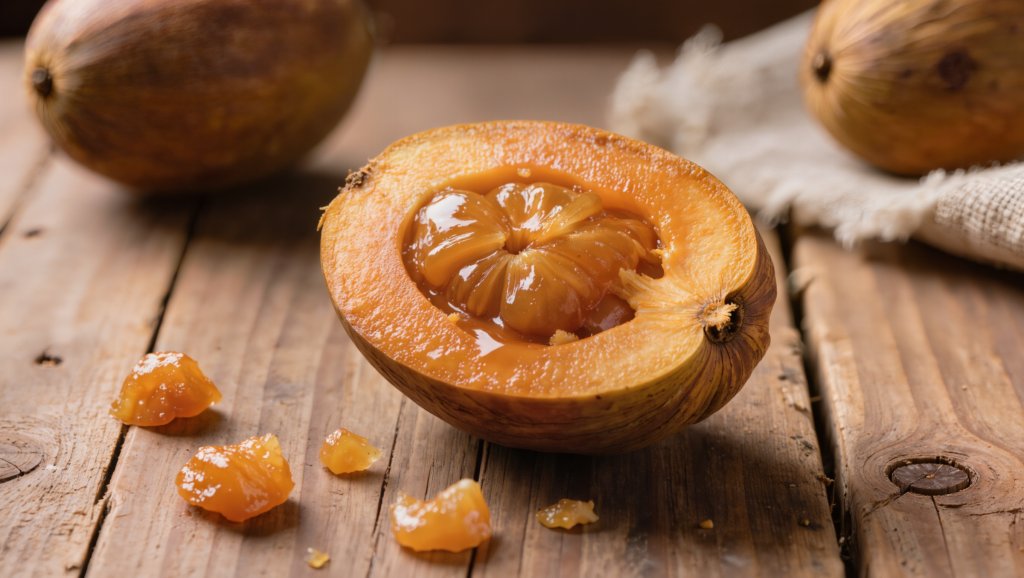












If prunes are the familiar old-school remedy for sluggish digestion, chico—or sapodilla—may be the tropical fruit ready to steal the spotlight. It has a rough brown exterior, grainy caramel-like flesh, and a sweetness that tastes almost like brown sugar, pear, and malt rolled into one. Behind that dessert-like flavor is a surprisingly fiber-rich fruit that may help support bowel regularity and digestive health.
Chico is not a miracle cure for constipation, and it should not replace medical treatment for persistent digestive symptoms. But as a whole fruit, it offers a useful combination of fiber, water, plant compounds, and nutrients—especially when eaten as part of a varied diet.
What is Chico (Sapodilla) fruit?
Chico is one of several common names for sapodilla, the fruit of Manilkara zapota. It is also known as sapota, chikoo, sapoti, or naseberry, depending on the region. The tree originated in southern Mexico, Central America, and parts of the Caribbean, but the fruit is now grown widely in tropical and subtropical regions, including India, Sri Lanka, Indonesia, the Philippines, and parts of Latin America.
The fruit is easy to underestimate because it does not look especially glamorous:
- The skin is brown and rough.
- The flesh is tan, soft, and slightly grainy.
- Several glossy black seeds sit in the center.
- The flavor is intensely sweet and caramel-like.
- A ripe fruit should yield slightly when pressed.
It is almost the opposite of the shiny, highly marketed “superfruit.” Chico looks earthy and ordinary, but its nutritional profile makes it worth a closer look.
Why Fiber Is The Main Attraction Of Chico Fruit?
The strongest digestive argument for sapodilla is its fiber content. One sapodilla fruit provides about 9 grams of fiber, other nutrition sources estimate it to be roughly 5.3 to 5.6 grams per 100 grams of fruit.
Fiber matters because the human body does not fully digest it in the small intestine. Instead, some fiber holds water and adds bulk to stool, while other types are fermented by gut microbes in the colon.
That can support digestion by:
- Increasing stool bulk.
- Helping stool move through the bowel.
- Supporting more regular bowel movements.
- Feeding beneficial gut bacteria.
- Increasing fullness after eating.
This is why chico can be useful for people who struggle with occasional constipation. It gives the digestive tract something substantial to work with rather than providing only sugar and water.
However, fiber is not a standalone solution. It works best when you also drink enough fluid and move regularly. If you suddenly eat a large amount of high-fiber fruit without enough water, you may experience bloating or discomfort instead of relief.
How Chico Fruit May Help Constipation
Constipation is not simply “not going every day.” It can also involve hard stools, straining, incomplete evacuation, or bowel movements that are less frequent than normal for you. A fiber-rich fruit such as sapodilla may help by adding bulk and retaining water in the stool.
Sapodilla contains indigestible components such as lignin and cellulose. These materials pass through much of the digestive tract and can contribute to stool volume and a feeling of fullness.
The result may be a gentler bowel movement, especially when constipation is connected to a low-fiber diet. Chico can be particularly useful as a replacement for highly processed desserts because it satisfies a sweet craving while contributing fiber.
A practical serving might be one ripe fruit eaten on its own, added to plain yogurt, or combined with oats and nuts. Eating it with a source of protein or healthy fat may also make the snack more filling and reduce the tendency to keep eating because the fruit is so sweet.
The Unusual Link With Chico Fruit And Diarrhea
Chico has an interesting traditional reputation: Different preparations of the plant have been used for both constipation and diarrhea. Sapodilla’s traditional use can be described as a laxative and for constipation, while also r anti-diarrheal, anti-secretory, anti-spasmodic, anti-motility, and anti-ulcer effects have been seen in experimental researches.
That sounds contradictory, but it may reflect the fact that different parts of the plant, ripeness levels, and preparations have different effects. The fiber in ripe fruit may help bowel regularity, while tannins and other compounds in certain preparations may have astringent or anti-secretory properties.
Still, this does not mean eating sapodilla is a proven treatment for infectious diarrhea. The same research review discusses traditional and experimental findings, but traditional use is not the same as strong clinical evidence in humans. If diarrhea is severe, bloody, persistent, or associated with dehydration or fever, medical care is more important than fruit-based self-treatment.
Tannins And Polyphenols
Sapodilla contains tannins and polyphenolic compounds, which are plant chemicals with antioxidant and astringent properties.
These compounds are part of the reason sapodilla has appeared in traditional medicine for digestive complaints, ulcers, diarrhea, fever, inflammation, and other conditions.
The research on sapodilla has identified possible anti-inflammatory, anti-ulcer, antimicrobial, and gastrointestinal effects, but much of the evidence comes from laboratory or animal studies rather than large human clinical trials. That distinction is important. A compound showing activity in a test tube does not automatically mean that eating one fruit will treat a disease.
The more realistic conclusion is that chico contributes useful plant compounds to the diet. It may support general nutritional quality, but it should not be marketed as a cure for ulcers, infections, inflammatory bowel disease, or chronic diarrhea.
Gut bacteria and fermentation
Fiber is not only about stool. Some forms of dietary fiber reach the colon, where microbes ferment them and produce metabolites such as short-chain fatty acids. These compounds can influence the gut lining, immune signaling, and intestinal environment.
Sapodilla’s fiber may therefore help the digestive system in two ways:
- It can contribute to stool bulk and movement.
- It can provide fermentable material for gut microbes.
The actual effect depends on the type of fiber, the person’s existing microbiome, overall diet, and tolerance. One fruit will not transform the gut overnight. But adding a broader variety of fruits, vegetables, legumes, nuts, seeds, and whole grains can create a more supportive food supply for intestinal bacteria.
This is where chico fits into modern gut health. It is not a probiotic, because it does not provide live bacterial cultures in the way yogurt or fermented foods do. It is closer to a fiber-containing prebiotic food that may help feed microbes already living in the colon.
Other Nutrients in Chico Fruit (Sapodilla)
Although fiber gets most of the attention, chico also provides vitamins and minerals. Nutrition sources describe it as containing vitamin C, vitamin A, potassium, calcium, magnesium, iron, phosphorus, and other nutrients.
These nutrients contribute to broader health:
- Vitamin C supports immune function and collagen production.
- Potassium helps regulate fluid balance and nerve and muscle function.
- Magnesium supports muscle, nerve, and energy metabolism.
- Vitamin A-related compounds support normal vision and immune health.
The exact amounts vary according to variety, ripeness, growing conditions, and serving size. Chico should therefore be viewed as one useful fruit among many, not as a replacement for a varied diet.
The Caramel Flavor Comes With A Sugar Warning
Sapodilla tastes like a natural dessert, but that sweetness means it contains a significant amount of carbohydrate and natural sugar. This is not a reason to avoid it, but it is a reason to pay attention to portions—especially if you have diabetes, insulin resistance, or are trying to reduce total sugar intake.
A whole fruit is generally more filling than sapodilla juice, smoothie concentrates, syrups, or sweetened desserts made with the pulp. Blending and straining can make it easier to consume several fruits quickly, while removing some of the fiber.
For a more balanced approach:
- Eat one ripe fruit rather than drinking a large glass of juice.
- Pair it with unsweetened yogurt, nuts, or seeds.
- Avoid adding sugar, condensed milk, or syrup.
- Keep an eye on the rest of the meal’s carbohydrate content.
- Choose whole fruit more often than processed sapodilla products.
The fiber in sapodilla can help with fullness and blood-sugar control, but that does not mean its natural sugar has no effect on blood glucose.
How To Tell When Chico Fruit Is Ripe?
An unripe sapodilla can be hard, tannic, and unpleasantly astringent. A ripe fruit should have slightly soft flesh and a sweet aroma. If it is still very firm, leave it at room temperature for a few days.
To eat it:
- Wash the fruit.
- Cut it lengthwise.
- Scoop out the soft flesh.
- Remove the black seeds.
- Eat it fresh or add it to a simple dish.
The seeds should not be chewed or eaten. As with many fruit seeds, they are not intended to be consumed, and some sources caution against using crushed sapodilla seeds as a home remedy.
Easy Ways To Add Chico Fruit (Sapodilla) To Your Diet
Chico is naturally sweet enough that it does not need elaborate preparation. Try it:
- Chopped into overnight oats.
- Blended with plain yogurt and cinnamon.
- Served with cottage cheese or unsweetened Greek yogurt.
- Added to a fruit salad with citrus.
- Frozen and blended into a simple sorbet.
- Mashed onto whole-grain toast with nut butter.
- Combined with chia seeds and milk for a pudding.
Because its flavor is so rich, it can make healthier snacks feel more indulgent. That is one of its biggest practical advantages.
Who Should Be Cautious When Eating Chico Fruit?
Most healthy adults can eat ripe sapodilla as part of a normal diet. However, eating a large amount may cause bloating, stomach discomfort, or constipation, particularly in children or people who are not used to high-fiber foods.
Use additional caution if you:
- Have diabetes or need to monitor carbohydrate intake.
- Have a digestive disorder that reacts to high-fiber foods.
- Are prone to constipation from low fluid intake.
- Have an allergy to tropical fruits.
- Are considering concentrated sapodilla extracts or seed preparations.
Persistent constipation deserves medical attention, particularly if it begins suddenly or is accompanied by blood in the stool, unexplained weight loss, vomiting, severe abdominal pain, or a change in bowel habits that does not improve.
Is Chico Fruit Really Better Than Prunes For The Gut?
Not necessarily. Prunes have stronger recognition as a constipation food because they provide fiber and sorbitol, a naturally occurring sugar alcohol that can draw water into the bowel. Sapodilla offers a different combination: fiber, sweetness, plant compounds, and a soft texture.
The best choice depends on what you enjoy and tolerate. If prunes work for you, there is no need to abandon them. If you dislike prunes, chico may be an appealing alternative that makes it easier to increase fruit and fiber intake.
The real digestive superstar is not one magical fruit. It is a consistent pattern of adequate fiber, fluid, movement, and dietary variety.
Bottom line
Chico, or sapodilla, is a caramel-tasting tropical fruit with an impressive fiber content and a long history of traditional digestive use. Its fiber may support bowel regularity, fullness, and gut microbial activity, while tannins and polyphenols contribute to its distinctive plant chemistry.
It is not a cure for chronic constipation, diarrhea, ulcers, or bowel disease, but it can be a delicious addition to a gut-friendly diet. Eat the ripe flesh, remove the seeds, drink enough water, and introduce it gradually if your current diet is low in fiber.
Move over, prunes? Perhaps—but there is room for both. Sapodilla’s real appeal is that it turns digestive support into something that tastes like dessert.
Sources: