











Ayurveda has long treated digestion, liver function, and skin health as connected parts of the same system. The traditional idea is simple: when digestion is steady and the liver is supported, the body is better able to process nutrients, manage waste, and maintain clear, healthy-looking skin.
That does not mean one “detox drink” can wash away years of poor sleep, alcohol use, processed food, or untreated liver disease. Your liver already performs its own complex detoxification work. But thoughtfully prepared Ayurvedic drinks can support hydration, increase fruit and vegetable intake, and add beneficial plant compounds to a balanced lifestyle.
The key is to separate the valuable traditional wisdom from exaggerated promises. A warm herbal infusion may be soothing and nutritious; it is not a magic cure for fatty liver, acne, or liver damage.
The Liver-Skin Connection
The liver processes nutrients, helps metabolize medications and hormones, produces bile, and performs many functions involved in maintaining the body’s internal environment. When liver health is compromised, symptoms may eventually include fatigue, itching, jaundice, abdominal swelling, or changes in urine and stool color. A drink cannot diagnose or reverse these conditions, which is why persistent symptoms require medical attention.
The skin, meanwhile, is influenced by nutrition, hydration, inflammation, hormones, sleep, stress, and genetics. Research on diet and acne suggests that high-glycemic-load diets may worsen acne in some people, while fruit and vegetable intake may be protective.
This helps explain why Ayurvedic routines often combine digestion-focused food and drinks with sleep, movement, stress management, and seasonal eating. The “glow” is not necessarily coming from a single ingredient. It may reflect a more supportive overall pattern.
What Ayurveda Means By Liver Support
In Ayurvedic language, liver care is often connected with pitta, digestion, bile, heat, and the processing of substances in the body. Bitter herbs such as kalmegh, kutki, neem, and bhumi amla are traditionally associated with liver and digestive support.
Ayurvedic recommendations may also include:
- Warm water and herbal teas.
- Fresh fruit and vegetable preparations.
- Spices such as cumin, coriander, fennel, turmeric, and fenugreek.
- Seasonal and lighter meals.
- Reduced alcohol, sugar, and highly processed foods.
- Panchakarma under qualified supervision.
The most useful modern interpretation is not “flush toxins instantly.” It is to support habits that reduce metabolic strain and improve diet quality. A warm drink can become a practical replacement for sugary beverages, while herbs and spices can make a nutrient-dense diet more appealing.
Warm Lemon Water: Simple But Sensible
Warm lemon water is probably the most famous Ayurvedic morning drink. Ayurvedic sources describe it as a way to stimulate Agni, or digestive fire, support hydration, and encourage regular elimination.
From a modern nutrition perspective, its most reliable benefits are fairly straightforward:
- It contributes to fluid intake.
- Lemon provides some vitamin C.
- It may replace sugar-sweetened drinks.
- Its warm, acidic flavor can make morning hydration easier.
What it does not do is literally scrub the liver clean. The liver does not need to be pressure-washed with lemon juice. It needs adequate nutrition, healthy body weight where appropriate, limited alcohol, medication awareness, and medical care for disease.
To prepare it, squeeze a small amount of fresh lemon into warm rather than boiling water. Avoid making it excessively acidic if you have reflux, dental enamel concerns, or a sensitive stomach. Drinking it through a straw and rinsing the mouth with plain water afterward may reduce prolonged acid contact with teeth.
Amla: The Vitamin-C-rich Ayurvedic Favorite
Amla, or Indian gooseberry, is one of the most respected rejuvenating fruits in Ayurveda. It appears in traditional preparations for digestion, immunity, and general vitality, and modern Ayurvedic drink recipes often combine it with turmeric, cumin, curry leaves, black pepper, and a little jaggery.
Amla can fit into a liver-and-skin-supportive routine because it is a whole fruit containing vitamin C and plant compounds. Vitamin C is involved in collagen production and antioxidant activity, both relevant to skin structure and repair.
A practical amla drink might include diluted fresh amla juice or a small amount of unsweetened amla preparation mixed with water. The important detail is sugar. Many commercial amla drinks are heavily sweetened, which can undermine the goal if you are trying to improve metabolic health or manage fatty liver risk.
If you have acid reflux, gastritis, or a sensitive stomach, begin cautiously. Sour drinks are not automatically suitable for everyone.
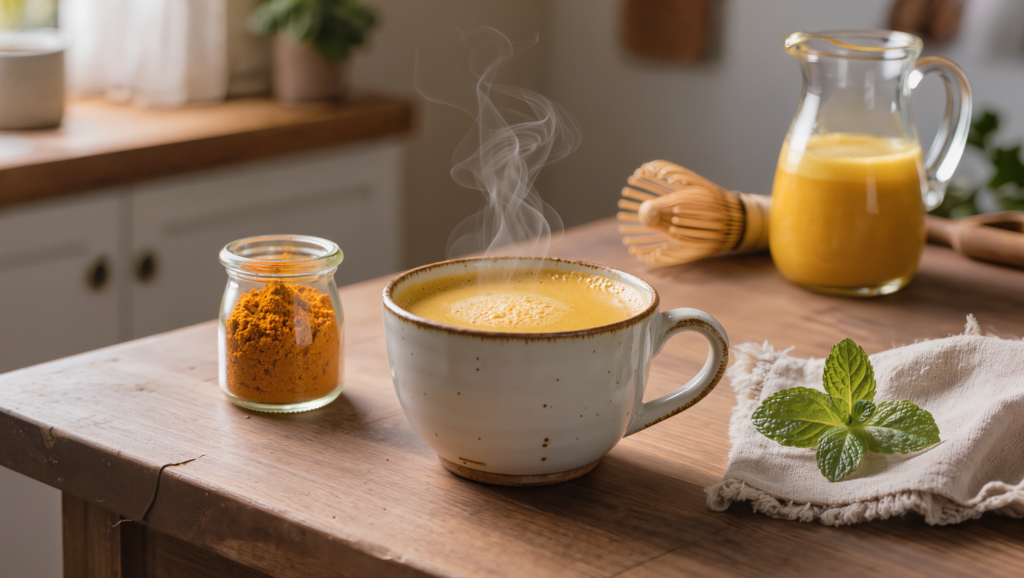
Turmeric Water And Golden Milk
Turmeric is another Ayurvedic staple. It contains curcumin and other compounds that have been studied for inflammation, metabolic conditions, and liver-related questions.
Traditional versions include turmeric water or golden milk, sometimes with black pepper and a small amount of fat. Some combine turmeric, black pepper, cardamom, ghee, and warm milk or coconut milk.
There is an important safety distinction here:
- Turmeric used as a culinary spice is generally considered safe for most people.
- Concentrated curcumin supplements and high-bioavailability products require more caution.
- Some enhanced-absorption formulas have been associated with liver injury.
The National Center for Complementary and Integrative Health says conventional oral turmeric is likely safe in recommended amounts for short periods, but highly bioavailable formulations may harm the liver. It also lists possible side effects such as nausea, reflux, stomach upset, diarrhea, and constipation.
So adding a little turmeric to food or an occasional drink is not the same as taking a concentrated curcumin capsule. People with liver disease, gallbladder problems, pregnancy, or regular medication use should ask a healthcare professional before using medicinal amounts.
Beetroot, Watermelon, And Lemon Juice
Ayurvedic drink recipes often combine watermelon, beetroot, and lemon for hydration, circulation, and skin support. Beetroot contributes color and plant compounds, watermelon adds fluid and sweetness, and lemon provides acidity and vitamin C.
This combination can be refreshing, particularly in hot weather. It may also help someone eat more produce, which is a meaningful benefit in itself. However, fruit juice is easier to consume quickly than whole fruit, and it may contain less fiber. That means portion size matters.
For a more balanced version:
- Blend a modest amount of beetroot with watermelon.
- Add lemon juice and water.
- Keep some pulp rather than straining everything.
- Avoid adding sugar.
- Drink it with a meal or pair it with protein if blood sugar is a concern.
People prone to kidney stones should ask a clinician about regularly consuming large amounts of beetroot, because dietary oxalate may be relevant for some stone types.
Cumin, Coriander, And Fennel Water
Cumin, coriander, and fennel are classic digestive spices in Ayurveda. Warm infusions made from these seeds are often used after meals or throughout the day to support digestion, reduce the feeling of heaviness, and encourage fluid intake.
This kind of drink is appealing because it is gentle and unsweetened. It can take the place of soda or another sugary beverage without requiring a complicated recipe.
A simple preparation involves lightly crushing a small amount of cumin, coriander, or fennel seeds, steeping them in hot water, and straining before drinking. Use culinary quantities rather than highly concentrated extracts.
The benefits should be described honestly. These drinks may support hydration and digestion, but claims that they melt liver fat or activate liver enzymes in a clinically meaningful way are not established simply because a traditional source makes the claim.
Bitter Herbs: Kalmegh, Kutki, And Neem
Bitter herbs occupy a major place in Ayurvedic liver-care traditions. Kerala Ayurveda describes kalmegh as a respected herb for liver care, while other Ayurvedic sources discuss kutki, neem, and bhumi amla in formulas intended to support liver function and digestion.
These herbs are often prepared as:
- Diluted juices.
- Decoctions, known as kashaya or kwath.
- Powders mixed with warm water.
- Multi-herb formulas prescribed according to an individual’s constitution.
The major mistake is assuming that “bitter” means “safe to take freely.” Concentrated herbs can interact with medicines and may not be appropriate for pregnancy, liver disease, gallbladder problems, or digestive sensitivity.
The NIH’s LiverTox resource warns that herbal and dietary supplements can cause liver injury, while NCCIH specifically highlights rare liver-injury reports associated with ashwagandha and certain turmeric or curcumin products. This is why a qualified practitioner and a transparent, quality-controlled product matter.
Manjistha And Mulethi For Skin-Focused Routines
Manjistha and mulethi or licorice, are often featured in Ayurvedic drinks marketed for clear skin, internal cleansing, and inflammation support. One traditional recipe combines manjistha and mulethi powders in warm water, sometimes with rose petals.
The appeal is easy to understand: Ayurveda often views skin health as connected to digestion, blood, inflammation, and internal heat. A warm, unsweetened infusion can become part of a calming daily ritual.
But licorice needs special caution. Regular or high intake of glycyrrhizin-containing licorice can raise blood pressure, lower potassium, and interact with medications. People with hypertension, heart disease, kidney disease, or those taking diuretics should avoid self-prescribing concentrated licorice drinks.
Also, “blood purification” is traditional language, not a modern diagnosis. Skin problems such as eczema, psoriasis, persistent itching, or severe acne may require dermatological treatment rather than internal detox drinks.
The Skin Benefits Are Usually Indirect
A drink may support skin indirectly by improving the habits around it. Better hydration, more fruits and vegetables, less added sugar, and improved digestion can all contribute to a healthier overall pattern.
Small studies suggest a low-glycemic diet may reduce acne, while research does not show that yogurt or cheese increases breakouts in the same way some cow’s milk studies suggest. This is a more useful approach than labeling every food as toxic or every herbal drink as a cure.
For modern radiance, focus on:
- Adequate water intake.
- A varied diet rich in colorful plants.
- Protein and healthy fats.
- Consistent sleep.
- Sun protection.
- Treatment for persistent skin conditions.
- Less reliance on sugary drinks.
Amla water may be part of that routine. It cannot replace sunscreen or dermatological care.
A Realistic Seven-Day Ayurvedic Drink Routine For Healthier Liver And Skin
If you are generally healthy and want to explore Ayurvedic drinks safely, keep the plan simple:
- Morning: warm water, with or without a little lemon.
- Mid-morning: plain water or a mild cumin-coriander infusion.
- With lunch: water and a whole-food meal rather than a large juice.
- Afternoon: diluted amla or a small vegetable-based drink without added sugar.
- Evening: fennel infusion if it suits your digestion.
- Occasionally: turmeric used as a culinary spice or mild food preparation, not a concentrated supplement.
Do not combine multiple bitter herbs, detox teas, powders, and high-dose extracts at once. If something causes nausea, itching, dark urine, unusual fatigue, yellowing of the eyes, or abdominal discomfort, stop it and seek medical advice. Fatigue, nausea, poor appetite, dark urine, and jaundice are symptoms that require attention when using turmeric or curcumin products.
Who Should Be Especially Careful?
Talk to a healthcare professional before using medicinal herbal drinks if you:
- Have fatty liver, hepatitis, cirrhosis, or abnormal liver tests.
- Are pregnant or breastfeeding.
- Take blood thinners, diabetes medicines, blood-pressure medicines, or chemotherapy.
- Have gallstones or bile-duct disease.
- Have kidney disease or recurrent kidney stones.
- Have reflux, ulcers, or significant digestive symptoms.
Avoid replacing prescribed liver treatment with a “detox protocol.” The liver may be remarkably resilient, but serious liver disease can progress silently.
Bottom line
Ayurvedic drinks for liver and skin health can be valuable when they encourage hydration, whole-food nutrition, lower sugar intake, and a calmer daily routine. Warm lemon water, mild spice infusions, diluted amla, vegetable-based drinks, and culinary turmeric are generally more sensible starting points than aggressive multi-herb detoxes.
The deeper Ayurvedic lesson is that radiance begins with balance rather than a miracle ingredient. Support digestion, eat a varied diet, limit alcohol and ultra-processed foods, sleep consistently, and treat persistent symptoms properly.
And remember: natural does not automatically mean harmless. Concentrated herbal products, especially high-bioavailability turmeric or curcumin and certain multi-ingredient blends, can carry real risks for the liver. Use ancient wisdom thoughtfully, keep the recipes simple, and let evidence and professional guidance shape the modern version of the ritual.
Sources:
- https://www.ncbi.nlm.nih.gov/books/NBK548441/
- https://pubmed.ncbi.nlm.nih.gov/20338665/
- https://www.nccih.nih.gov/health/turmeric