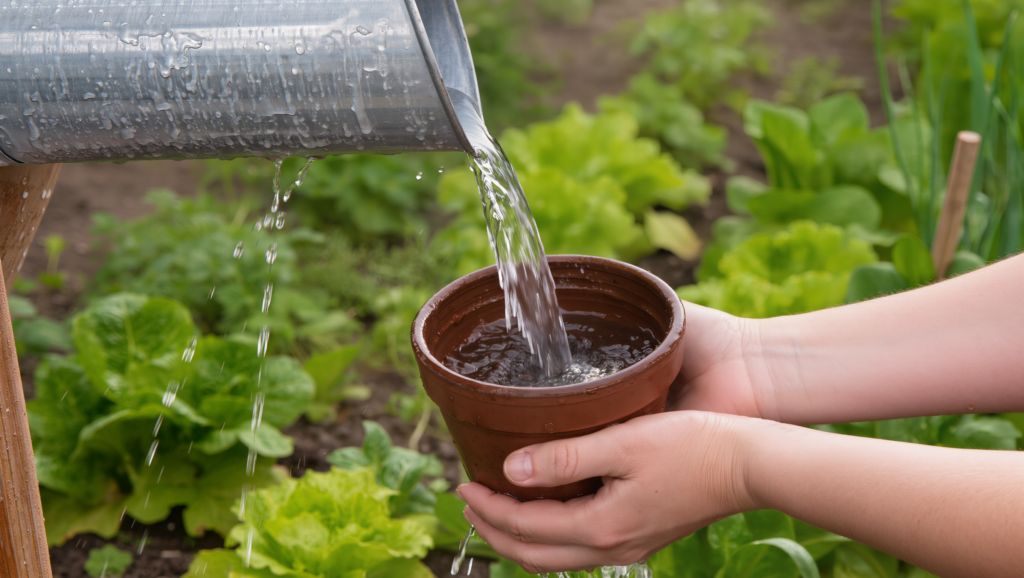












If you care enough to grow organic veg, it makes total sense to care about what’s in the water you’re using. Harvesting rainwater can be a brilliant, low‑impact way to…
Peat bogs don’t look like much at first glance—just soggy ground, scrubby plants, maybe a few stunted trees. But if you grow (or buy) organic food, those “wet wastelands” are…
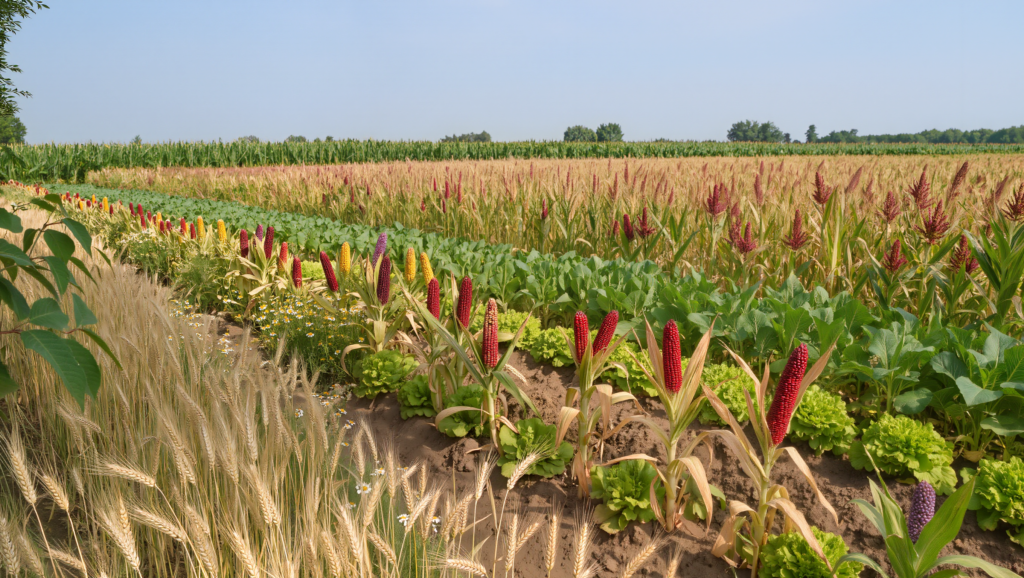
Planting the same high‑yield crop over and over may fill bellies, but it doesn’t truly nourish people—or protect them when climate or markets wobble. Diverse crops and rich genetic variety…
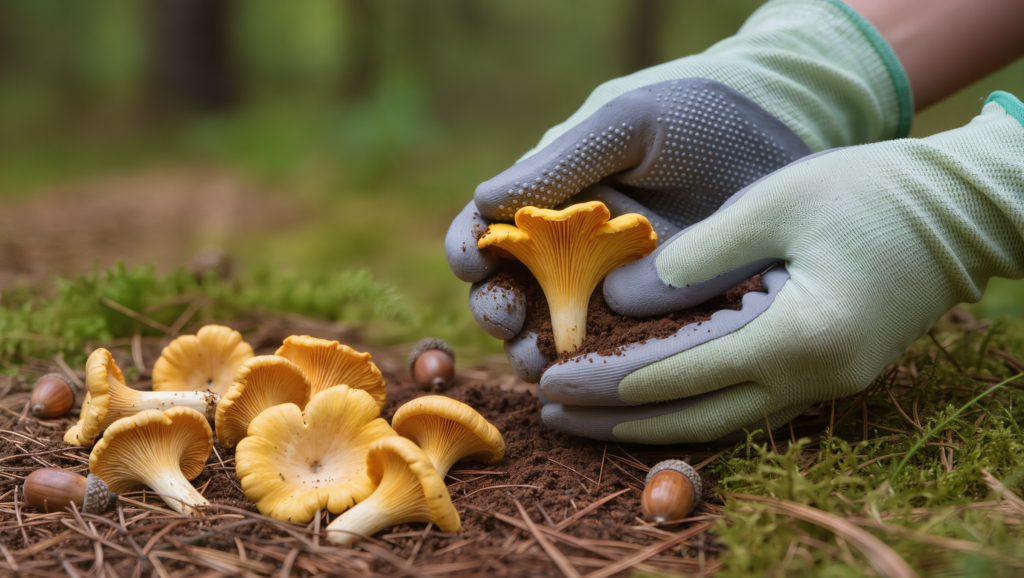
Using any forest as your “personal nutrient farm” sounds wildly appealing—but it also comes with real responsibilities and risks. Wild mushrooming and foraging can absolutely upgrade your diet with dense…
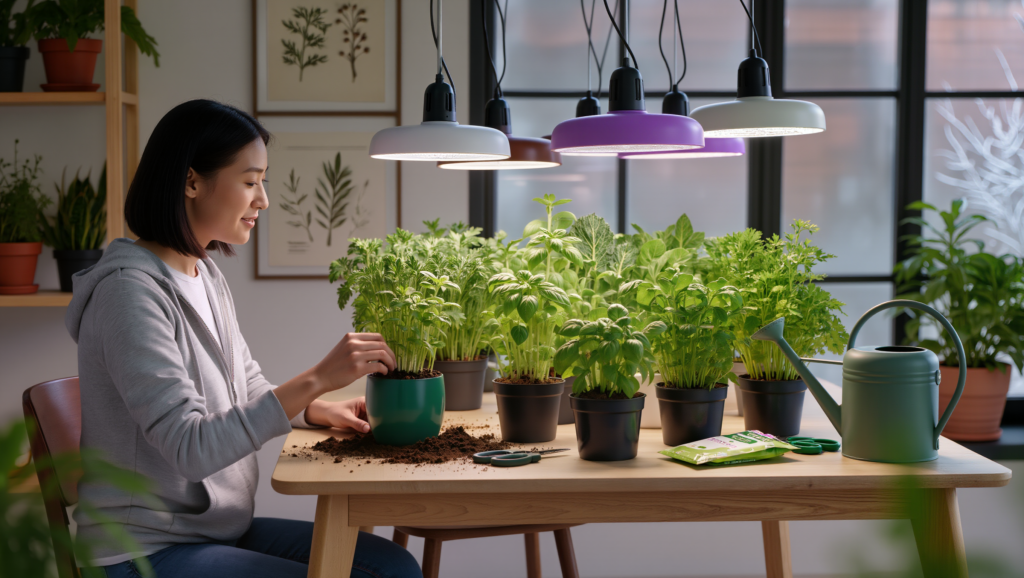
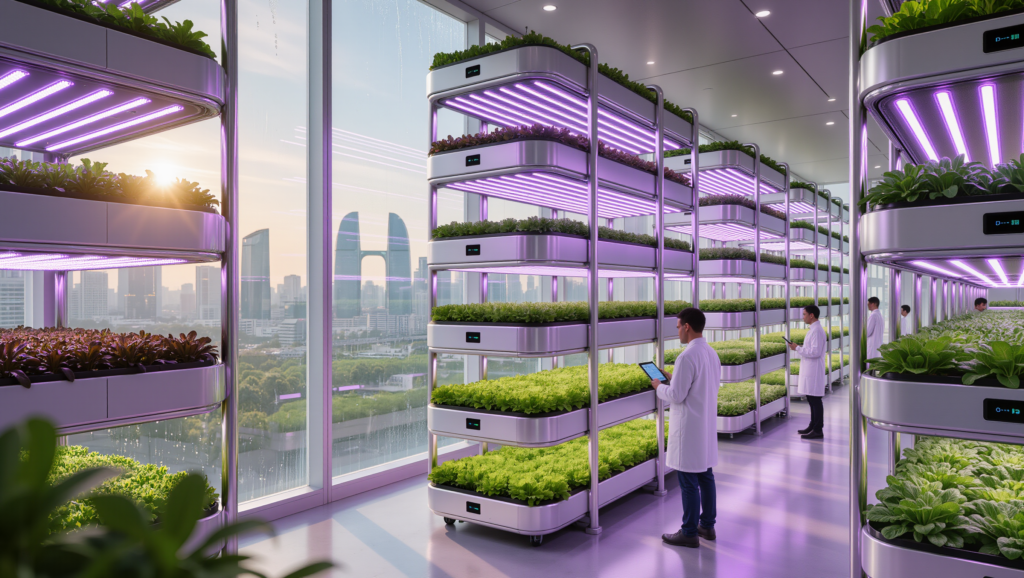
Vertical farming has some seriously glossy marketing: glowing pink LEDs, perfectly stacked greens, zero pesticides, hyper‑local salads grown in the middle of the city. The promise is huge—fresh “organic‑style” food…
Most organic gardeners obsess over soil health, compost, and avoiding synthetic chemicals—but quietly hook their beds up to whatever hose or tap is closest. If that water carries excess salts,…
Wind‑pollinated crops don’t get the same romantic PR as bees drifting through sunflower fields—but they quietly do a huge amount of work in both organic and conventional agriculture. Think wheat,…
Most people think of gray water recycling as a clever way to save water, but in a healthy garden it can also become part of a beautiful “nutrient loop” –…
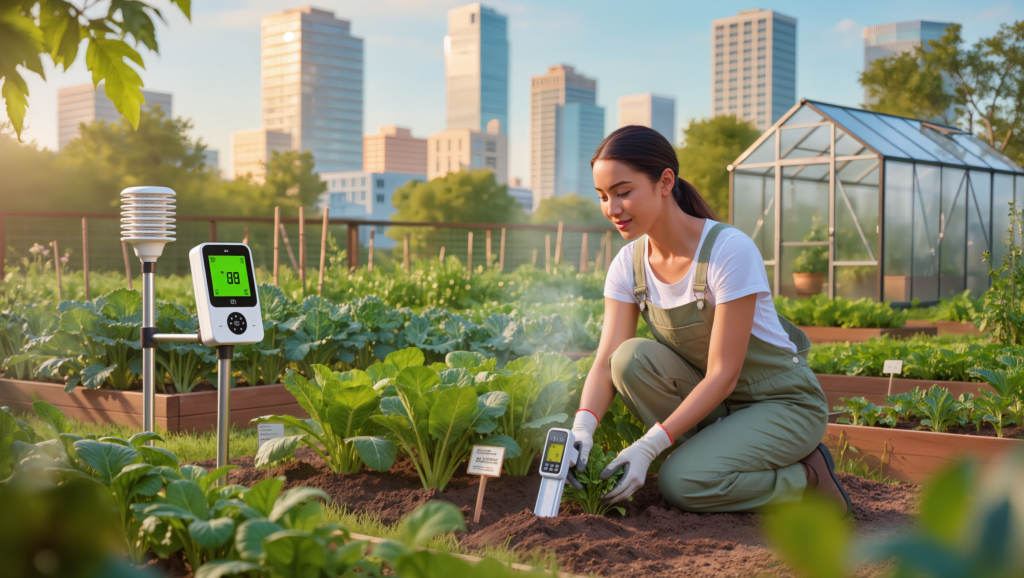
If you’ve spent years nurturing your plants with pricey fertilizers but your garden still isn’t thriving, you might be missing the real secret to garden success: Your soil’s pH, not…
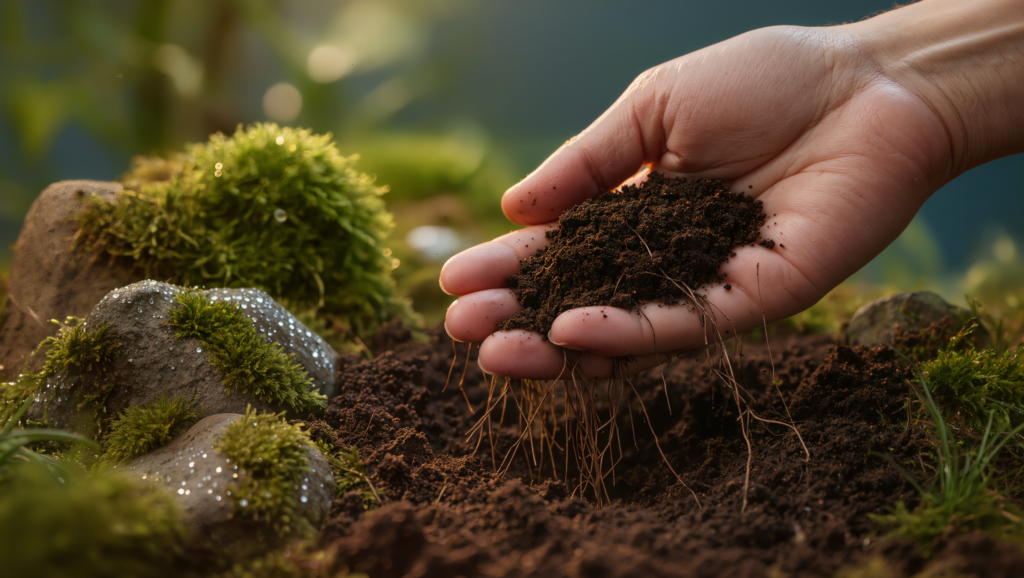
Soil remediation isn’t just about cleaning up contaminated plots—it’s quietly revolutionizing the nutrient density of future crops. As food quality remains a growing concern and nutrient levels in produce have…