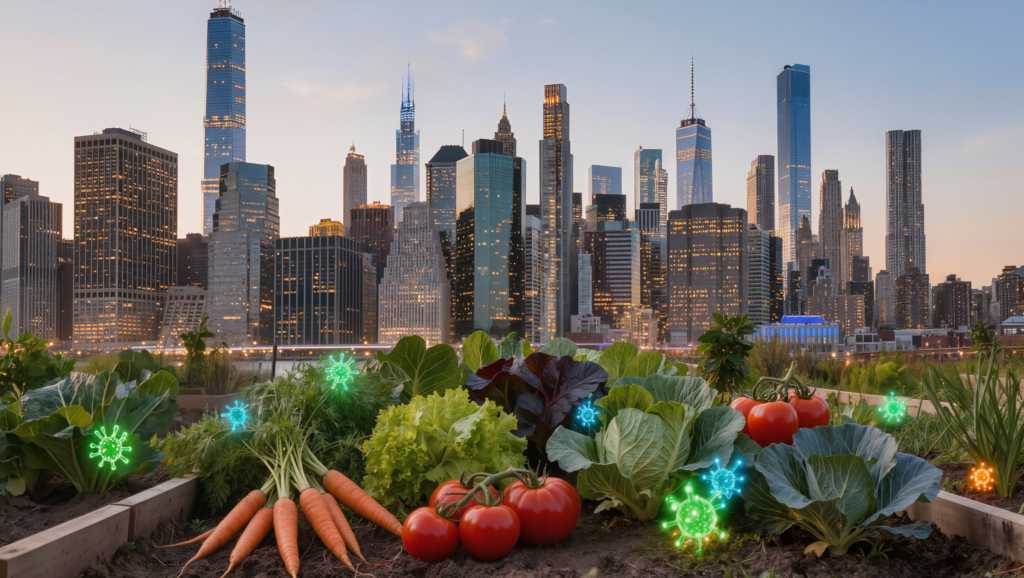












Urban gardening feels like the wholesome answer to everything modern food got wrong, we have written multiple articles talking about it’s usefulness, importance and how to start your own urban gardening journey. You grow your own tomatoes, pick your own herbs, skip the shipping emissions, and maybe even save some money. But there’s an uncomfortable truth hiding under the compost pile: homegrown vegetables in cities can sometimes contain contaminants from soil, dust, water, and the materials around them.
That does not mean urban gardening is unsafe or pointless. It means it’s smarter when you understand the risks instead of assuming “homegrown” automatically means “clean.” The real story is more nuanced: urban gardens can be healthy, rewarding, and productive, but they can also pick up heavy metals and other pollutants from their environment if you are not careful.
Why Urban Gardens Can Pick Up Toxins
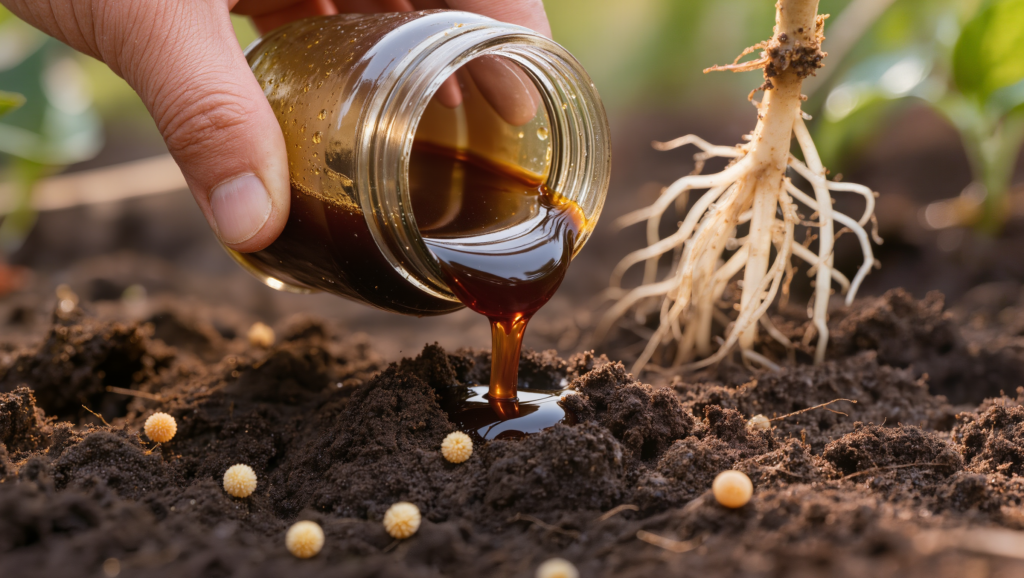
The main issue with urban gardening is that city soil has a history. It may have been exposed to traffic exhaust, old paint, industrial runoff, demolition debris, treated lumber, contaminated fill, or decades of airborne dust. Even if your garden looks lush and pristine on the surface, the soil underneath can hold pollutants that plants may absorb or that cling to roots and leaves.
The most common concern is heavy metals, especially lead, cadmium, and sometimes arsenic or mercury depending on the location. Lead is the big one people worry about in older neighborhoods because it can remain in soil for a very long time. Plants do not absorb these contaminants equally, but some can take up small amounts through roots, and soil particles can also remain on produce if washing is incomplete.
That means the food itself is not “toxic” in a cartoon villain sense. Rather, the environment can nudge contamination into the food chain in small but important ways.
Where the Contamination In Urban Garden Comes From
Urban garden contamination usually comes from a few predictable places.
Old paint and buildings
Homes built before lead paint bans often left behind lead-contaminated dust and soil. When exterior paint flakes or renovations happen, particles can settle into the ground around the house. This is one of the most common reasons city soil tests positive for lead.
Road traffic and emissions
Areas near busy roads can collect decades of dust containing metals and pollutants from vehicle emissions. Even though leaded gasoline is long gone in many places, legacy contamination can stay in soil for years.
Industry and fill dirt
Former industrial land, rail yards, scrapyards, and lots filled with imported soil may contain residues from past activity. Some people start gardens in places that look convenient but have a complicated soil history.
Treated wood and old infrastructure
Building raised beds with questionable materials or garden structures made from older treated lumber can contribute chemicals to the surrounding soil over time.
What Plants Absorb — and What They Don’t
Not every vegetable behaves the same way. That’s one of the most important details urban gardeners often miss.
Leafy greens and root crops are more likely to collect contaminants because:
- Leafy greens have a large surface area exposed to dust and soil splash.
- Root vegetables grow directly in the soil and can contact contaminants more directly.
- Some plants are more efficient at taking up certain metals than others.
Fruiting crops such as tomatoes, peppers, beans, squash, and cucumbers usually pose less risk than leafy greens or root crops because the edible part is less directly exposed to contaminated soil. That said, no plant is automatically contamination-proof. Soil quality still matters.
Why Lead Is the Biggest Concern in Urban Gardening
Lead deserves special attention because it is persistent, dangerous in small amounts, and especially harmful to children. There is no safe level of lead exposure for children, and long-term exposure can affect brain development, behavior, learning, and other health outcomes.
In gardening, lead matters because:
- It can remain in soil for decades.
- It can be inhaled in dust.
- It can stick to produce.
- It may be present in old painted surfaces near the garden.
- It can become part of tiny soil particles that cling to roots and leaves.
This is why “I grew it myself” is not enough of a safety guarantee. If the soil underneath is contaminated, the vegetables can reflect that history.
Cadmium and Other Metals
Cadmium is another concern in some urban soils. It can come from industrial sources, some fertilizers, and contaminated soil amendments. Plants can absorb cadmium depending on soil chemistry and crop type. It is less talked about than lead, but it matters because repeated low-level exposure is not ideal.
Arsenic can also show up in certain areas, particularly where there has been agricultural pesticide history or industrial contamination. Mercury is less common in garden settings but can still be relevant near some industrial zones. The specific risk depends on the local history of the site.
Soil Chemistry Changes Everything
One reason contamination is so tricky is that the same pollutant does not behave the same way everywhere. Soil pH, organic matter, moisture, and mineral content can all influence how much a plant absorbs.
For example:
- More acidic soil can increase metal availability.
- Organic matter can sometimes bind contaminants and reduce uptake.
- Different crops absorb different amounts.
- Raised beds with clean soil can reduce exposure dramatically.
This means a garden is not just a patch of dirt. It is a chemical environment.
Why Dust on Leaves Is a Bigger Deal Than People Think
A lot of contamination risk comes not from deep plant absorption but from dust settling on produce. This is especially true in cities where airborne particles can land on leaves, stems, and fruits.
That is why washing matters. It can reduce surface contamination even if it cannot eliminate everything. Leafy greens, herbs, and anything with a rough surface may need especially thorough washing. If you are growing food near a road, an alley, or a dusty fence, that surface contamination can be more relevant than people realize.
How Raised Beds Help Urban Gardening If Done Right
Raised beds are often recommended because they give you control over the growing medium. That is good advice, but only if the bed is actually filled with clean soil and built with safe materials.
A raised bed can still go wrong if:
- You use contaminated fill dirt.
- You line it with questionable materials.
- You place it on top of polluted native soil and grow deep-rooted crops through it.
- You use old treated lumber or unknown recycled wood.
A good raised bed setup can dramatically lower risk, but it is not magic. It is a tool, not a guarantee.
Compost and Amendments Can Also Carry Risks
Even soil boosters can become part of the problem. Poor-quality compost, manure from contaminated sources, or amendments that contain contaminants can introduce unwanted material into the garden. Mulch and recycled yard waste can sometimes carry debris or residues as well.
This is why buying “natural” or “organic” is not the same as buying “clean.” Organic certification deals with how something is grown, not whether the original soil had a complicated industrial past. Urban gardeners need to think about source quality, not just product labels.
How Hydroponics and Container Growing Reduce Some Contamination Risks in Urban Gardening
If the idea of contaminated soil makes you nervous, container gardens and hydroponic systems can help lower exposure. You control the growing medium, which removes a lot of the uncertainty.
Still, water quality, fertilizers, and the materials used in pots or systems matter too. Nothing is risk-free, but controlled systems can reduce dependence on questionable city soil.
How to Make Urban Gardening Safer
The good news is that urban gardening is still very worth doing. You just need to garden with your eyes open.
1) Test your soil
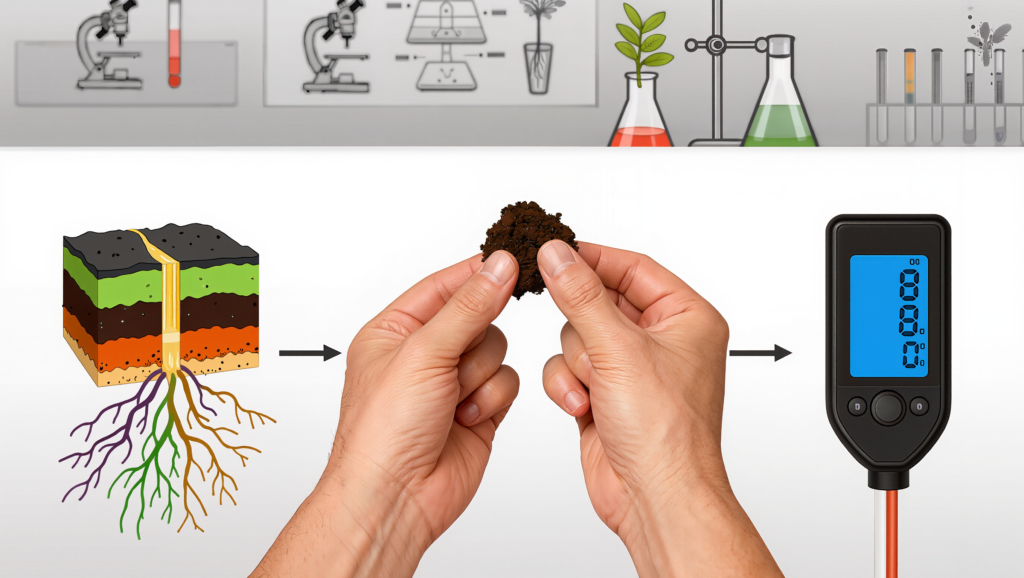
Soil testing is one of the smartest things you can do. If you know your lead level or other contamination risks, you can make better decisions about what to grow and where.
2) Use raised beds with clean soil
If native soil is questionable, isolate crops in raised beds and fill them with tested, clean soil.
3) Grow the right crops
Fruit-bearing crops often pose less risk than leafy greens or root vegetables in contaminated soil.
4) Add organic matter
Healthy soil can reduce contaminant availability in some situations, though this is not a substitute for soil testing.
5) Wash produce well
This is especially important for leafy greens and herbs.
6) Keep garden dust down
Use mulch, avoid disturbing bare contaminated soil, and consider barriers if you garden near roads.
7) Use safe water
If irrigation water is questionable, test or filter it.
The Bigger Picture: Urban Gardening Is Still Worth It
Here’s the part that gets lost when people talk about toxins in homegrown food: the solution is not to stop gardening. It is to garden intelligently. Urban gardening can still improve diet quality, mental health, neighborhood resilience, food access, and biodiversity.
The risk is real, but so are the benefits. The healthiest approach is not fear. It is informed caution.
If your garden is in a city, ask:
- What was here before?
- What is in the soil?
- What materials am I using?
- Which crops make the most sense for this site?
- How can I reduce exposure while keeping the benefits?
That mindset turns urban gardening from a romantic hobby into a practical health strategy.
Bottom Line
The uncomfortable truth about urban gardening is that homegrown vegetables may contain toxins if the soil or environment is contaminated. Heavy metals like lead and cadmium are the most common concerns, especially in older neighborhoods, near roads, or on sites with industrial history.
But that does not mean urban gardening is a bad idea. It means the safest gardens are the ones built on tested soil, clean materials, smart crop choices, and good hygiene. When you garden with that level of awareness, you keep the joy of growing your own food without pretending the city dirt has a clean slate.