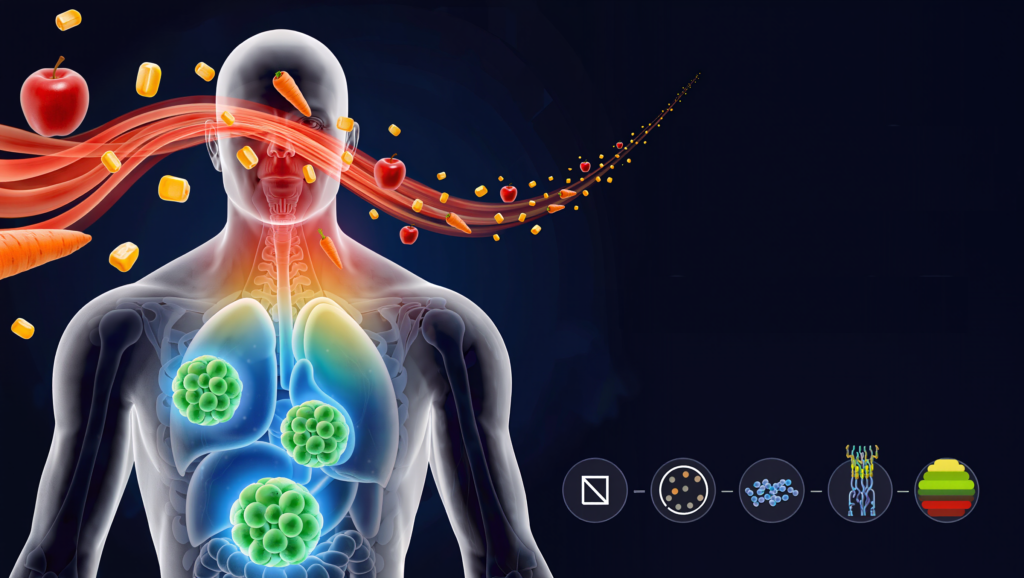












A lot of people think weight loss is only about eating less. But your body is a lot less boring than that. Every time you eat, your metabolism has to spend energy digesting, absorbing, transporting, and storing that food, and that process is called diet-induced thermogenesis or the thermic effect of food. In plain English: food itself burns calories just to get processed.
That doesn’t mean you can out-eat a bad diet by choosing a few “magic” foods. But it does mean your food choices can subtly change how many calories you burn, how full you feel, and how easy it is to maintain a healthier weight. The real weight-loss secret is not “eat anything and expect miracles.” It’s learning how to make your meals work with your metabolism instead of against it.
What Is Diet-Induced Thermogenesis
Diet-induced thermogenesis, usually shortened to DIT, is the energy your body uses to process food after you eat. It is one of the three major parts of daily energy expenditure, along with basal metabolic rate and physical activity.
The size of DIT depends on what you eat. Research consistently shows the rough hierarchy is:
- Protein = highest thermic effect.
- Carbohydrates = moderate.
- Fat = lowest.
That means the body burns more calories digesting protein than it does digesting fat. A mixed diet generally spends about 5 to 15% of daily energy expenditure on DIT, but that number rises when protein is higher and falls when fat is higher.
So if you’ve ever heard someone say “protein boosts metabolism,” that’s not just marketing fluff. It’s real physiology.
Why Protein Is the Biggest Metabolism Booster on Your Plate
Protein has the strongest thermic effect of any macronutrient. One source notes that protein can account for about 20–30% of the energy in the protein itself being used for digestion and processing, while carbohydrate is lower and fat is much lower
That means if you eat 100 calories of protein, your body may use roughly 20 to 30 of those calories just to handle the meal. That is not the same as magically burning fat while lying on the couch, but it does mean protein has a measurable metabolic advantage.
Protein also tends to:
- Increase satiety.
- Help preserve lean mass during weight loss.
- Reduce overeating later in the day.
- Support better diet adherence.
That’s why high-protein diets are often favored for weight maintenance. They do not just burn more calories during digestion; they also make it easier to eat less overall without feeling miserable.
Why Fat Burns Fewer Calories During Digestion
Fat has the lowest thermic effect of the three macronutrients. That does not mean fat is bad. It just means it takes less energy to digest and process.
This is one reason very high-fat diets don’t have the same thermogenic advantage as higher-protein diets. If your goal is weight loss, you usually want a meal pattern that is not just calorie-controlled but also thermogenically smart. That usually means enough protein, enough fiber, and not too much ultra-palatable fat-heavy food that is easy to overconsume.
Foods That Can Increase Thermogenesis
Some foods get attention because they slightly increase energy expenditure or make meals more satisfying. They won’t replace a calorie deficit, but they can nudge the process in your favor. The most common examples are protein-rich foods, chili peppers, tea, coffee, ginger, and fiber-rich whole foods.
1) Protein-rich foods
Lean meat, poultry, fish, eggs, dairy, legumes, nuts, and seeds all require more energy to digest than fat-heavy foods. A meal with at least about 30 grams of protein may produce a stronger thermogenic response than a lower-protein meal.
2) Chili peppers and capsaicin
Capsaicin, the compound that gives hot peppers their burn, has been linked to a temporary increase in body temperature and calorie burn. It is not a huge effect, but it’s one of the few food ingredients that can genuinely “turn up the heat” a little.
3) Green tea and coffee
Tea and coffee are often included in metabolism discussions because they can modestly affect energy expenditure and alertness. Again, the effect is not dramatic, but in real life small effects add up when they make healthy eating easier to stick with.
4) Fiber-rich foods
High-fiber foods like beans, legumes, oats, quinoa, vegetables, and whole grains tend to digest more slowly and increase satiety. They may not spike thermogenesis as strongly as protein, but they help control appetite, which is often more important for weight loss than burning an extra few calories during digestion.
Why Meal Composition Matters More Than Food Hype
A lot of weight-loss advice focuses on single foods, but DIT is really about the overall makeup of your meal. The most important determinant of thermogenesis is not whether one ingredient is “special,” but how much protein, fat, carbohydrate, and total energy the meal contains.
A meal that is thermogenically smarter usually has:
- A solid protein anchor.
- A lot of fiber.
- Moderate, not excessive, fat.
- Minimal added sugar.
- Enough volume to be satisfying.
That’s why something like grilled fish with vegetables and beans can be a better metabolism-friendly meal than a pastry and latte, even if the total calories were similar. The first meal takes more work to process and usually keeps you full longer.
Does Eating More Often Increase Thermogenesis?
Not in the way people often think. Some people assume frequent eating “keeps the metabolism on,” but what matters far more is how much food you eat, what it is made of, and whether it helps you stay in a calorie deficit.aspect-
If you snack all day on low-protein, high-sugar foods, you are not necessarily helping thermogenesis. You may just be creating more blood sugar swings and more opportunities to overeat. On the other hand, if you eat structured meals with enough protein, the thermic effect of those meals may support a more stable, sustainable weight-loss plan.
Brown Fat and Thermogenesis
One of the more interesting pieces of the puzzle is brown adipose tissue, or brown fat. Brown fat produces heat and burns calories to help regulate body temperature, and some research suggests it may contribute to diet-induced thermogenesis as well.
This is where the story gets more interesting than “eat protein and move on.” Thermogenesis is influenced not only by digestion, but also by hormones, body temperature, thyroid function, gut-related signals, and brown fat activity. That means weight regulation is a whole-body process, not just a meal math problem.
The Real Weight Loss Lesson
Here’s the blunt truth: thermogenesis is helpful, but it is not a cheat code. The body still obeys energy balance. If you eat more calories than you burn, you will not lose fat just because your meal contained protein or chili peppers.
But thermogenesis absolutely matters because it changes the efficiency of the weight-loss process:
- Protein burns more calories during digestion.
- Protein keeps you fuller.
- Fiber slows digestion and supports satiety.
- Spicy foods may slightly increase energy expenditure.
- Better meal composition makes adherence easier.
That combination can make the difference between a diet that feels like punishment and one that is actually sustainable.
A Smarter Thermogenic Plate
If you want to use diet-induced thermogenesis for weight loss, think in terms of meals, not magic foods. A smart plate could look like this:
- Protein: chicken, fish, eggs, tofu, Greek yogurt, beans, or lentils.
- Fiber: vegetables, legumes, berries, oats, quinoa.
- Healthy fats: modest portions of olive oil, nuts, seeds, avocado.
- Flavor: spices, chili, ginger, herbs, tea, or coffee in reasonable amounts.
That kind of meal gives you more thermic effect, more fullness, and more nutritional value than a highly processed, low-protein snack.
What Not to Expect From Thermogenesis
It’s important not to overhype this. Thermogenesis is real, but the calorie burn is modest compared with exercise, total food intake, and metabolic health overall. A protein-rich diet may help, but it will not erase the effect of chronic overeating.
So if a headline promises that a certain food will “burn fat while you sleep,” read it with a giant grain of salt. The science is much more grounded than that. The effect is real, but it is small-to-moderate, not miraculous.
Bottom Line
The weight-loss secret your metabolism wants you to know is simple: what you eat affects how many calories your body burns processing it. Protein has the biggest thermic effect, fiber-rich whole foods support satiety, and spicy foods, tea, and coffee may add a small extra push.
Diet-induced thermogenesis is not a magic trick, but it is a useful advantage. If you build meals around protein, fiber, and minimally processed foods, you make your metabolism work a little harder and your appetite a lot easier to manage. That’s not flashy, but it is exactly the kind of boring, repeatable strategy that actually works.
Sources: