











Blueberries may be the celebrity of the berry world, but the Southern mayhaw berry deserves a lot more attention. This tart little fruit from the wetlands of the American South has a long folk-food history, some interesting nutrition, and a surprisingly strong case as a longevity-friendly fruit when you look at the bigger picture.
The honest version is this: mayhaws are not a miracle fruit, and no single berry is going to “guarantee” a longer life. But if you care about foods that support healthy aging, oxidative balance, nutrient density, and sustainable eating patterns, mayhaws are a seriously underrated contender.
What Are Mayhaw Berries?
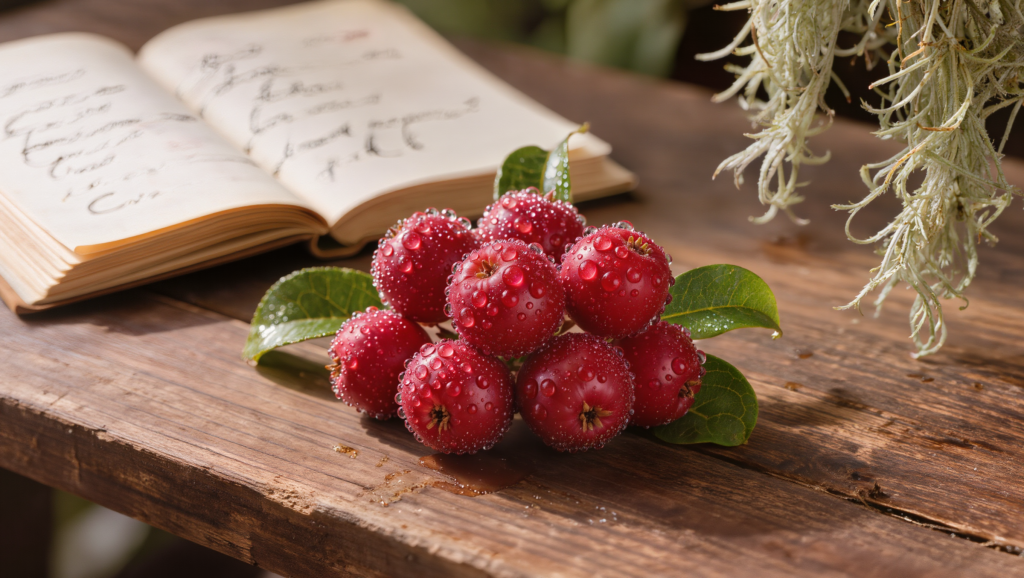
Mayhaw is the fruit of a small tree native to the southern United States, especially wetlands and low-lying regions across states like Louisiana, Texas, Georgia, Florida, and Arkansas. The fruit is small, round, and crabapple-like, with a tart flavor that makes it especially popular for jelly, syrup, and preserves.
That tartness matters because it explains why mayhaws are usually processed into sweet spreads rather than eaten in huge amounts raw. The fruit has a distinct personality: bright, tangy, and intense, not sugary-soft like many supermarket berries.
Why People Are Calling Mayhaw Berry a Longevity Fruit?
The longevity angle comes from a few useful traits. Mayhaws contain vitamin C, beta-carotene, and small amounts of minerals such as potassium, calcium, magnesium, iron, and copper. These nutrients support normal immune function, collagen formation, red blood cell production, nerve function, and overall metabolic health.
Mayhaws also contain phytochemicals and antioxidants, including phenolic compounds and anthocyanins in juice studies. Research on mayhaw juice found that antioxidant activity was closely linked to total phenolics, and that different mayhaw varieties can show meaningful differences in anthocyanins and antioxidant capacity. That matters because antioxidant-rich fruits are often studied for their role in healthy aging.
The Antioxidant Argument
If you zoom out, one of the central theories in healthy aging is that chronic oxidative stress contributes to aging-related damage over time. Berries in general are of interest because their bioactive compounds may help mitigate oxidative stress, neuroinflammation, mitochondrial dysfunction, and other age-related processes.
Mayhaws fit nicely into that conversation because they are not just a sugary fruit with a pretty name. They have measurable phenolic compounds and antioxidant activity, and one study found that processing temperature affected their phytochemical profile, including phenolics and anthocyanins. In other words, these berries are chemically interesting enough to matter, not just culturally interesting.repository.
How Mayhaw Berries Compare With Blueberries
Blueberries have earned their reputation because they are widely studied, readily available, and rich in anthocyanins. But “best fruit for longevity” is not just about fame. It is also about nutrient density, antioxidant content, how the fruit is used in real diets, and whether people actually enjoy eating it consistently.
Here’s the key difference:
- Blueberries are the mainstream antioxidant star.
- Mayhaws are a regional fruit with similar healthy-aging potential and a more distinctive nutrient profile.
- Mayhaws may offer a different combination of vitamin C, beta-carotene, minerals, and phenolic compounds.
That does not mean mayhaws are objectively superior to blueberries in every sense. It does mean they deserve a place in the conversation, especially if the goal is diet diversity and not just repeating the same berry every week. Variety in plant foods is often a smarter longevity strategy than betting everything on one “superfood.”
Vitamin C Matters More Than People Think
One reason mayhaws are interesting is their vitamin C content. Vitamin C supports immune function and collagen synthesis, both of which matter as you age. It also contributes to antioxidant defense, which is part of why fruit-rich diets are commonly associated with better long-term health patterns.
Mayhaws also provide beta-carotene, which converts into vitamin A in the body. That supports healthy tissues and organ function. These aren’t flashy headline nutrients, but they are exactly the kind of foundational compounds that matter over decades, not just after a single meal.
The Role of Phenolics and Anthocyanins
Phenolic compounds are one of the main reasons berries are studied so heavily. In mayhaw juice, research showed that total phenolics and FRAP antioxidant activity rose under certain extraction conditions, and that anthocyanin content also varied by temperature and cultivar.
That tells us two important things:
- Mayhaws contain biologically interesting antioxidants.
- Processing can change how much of those compounds you actually keep.repository.
This is a big deal because it means the fruit’s health value depends partly on what happens after harvest. Raw, lightly processed, or gently prepared mayhaw products may preserve more of the good stuff than aggressively heated versions.
Why Fruit Quality and Preparation Matter
A lot of people talk about fruits like they are all interchangeable. They are not. Nutrient retention depends on ripeness, storage, extraction, heat, and formulation. With mayhaws, that is especially relevant because the fruit is often turned into jelly or syrup, and those products can add a lot of sugar.
That means the “mayhaw” label can describe very different foods:
- Raw fruit.
- Homemade preserves.
- Commercial jelly.
- Syrup-based desserts.
Raw fruit brings the most nutritional upside. Sweetened jelly is still a delicious Southern tradition, but it is not the same thing as eating a fruit for longevity. The added sugar matters.
The Problem With Turning Every Fruit Into Dessert
This is where the health story gets a little complicated. Specialty produce sources note that raw mayhaw is nutritionally healthy, but most mayhaw preparations involve sugar, which shifts it more into an enjoyment food than a pure nutrition food. That does not make mayhaw jelly “bad.” It just means the health halo should stay realistic.
If you want longevity benefits, the best use of mayhaw is probably:
- In small amounts.
- As part of a mostly whole-food diet.
- Preferably with lower added sugar.
- Or in recipes that let the fruit shine without turning it into a glucose bomb.
That distinction matters because many “healthy” fruits become less healthy when they are processed into sweets. The fruit is not the issue; the sugar load often is.
Why Regional Foods Can Be Underrated Longevity Foods
Part of the mayhaw story is cultural, and that’s a strength, not a weakness. Foods that have survived in local foodways for generations often do so because they are useful, versatile, and enjoyable. Mayhaws have deep Southern roots and are valued for jelly, preserves, and traditional uses.
Longevity diets are rarely built on novelty. They are built on foods people can realistically eat over and over. If a fruit is locally adapted, seasonally available, and culturally loved, that may make it more sustainable than imported “superfoods” that are expensive, boring, or inaccessible. A fruit does not need influencer status to be valuable.
What the Science Does and Does Not Say
Here’s the careful take: mayhaw research is promising, but it is still limited compared with blueberries, strawberries, or blackberries. We have evidence for nutrient content, antioxidant compounds, and changes in phytochemicals during processing. We also have broader berry research suggesting that berry consumption can support healthy aging pathways.
What we do not have is proof that mayhaws are a literal fountain of youth. That kind of claim would be nonsense. The strongest reasonable claim is that mayhaws are a nutrient-rich, antioxidant-containing fruit that fits well into a longevity-oriented diet. That is still a very good story.
The Best Way to Eat Mayhaw Berries
If your goal is health rather than nostalgia alone, think beyond jelly. Raw mayhaws are tart, but they can be used in:
- Fruit sauces.
- Low-sugar preserves.
- Smoothies with no added sugar.
- Fermented or lightly cooked fruit preparations.
- Pairings with yogurt, oats, or nuts.
Pairing fruit with protein and fiber is always a smart move because it slows digestion and helps avoid blood sugar spikes. That means mayhaws can fit into a longevity pattern more effectively when they are not eaten as pure sugar delivery systems.
A Realistic Longevity Verdict
So, is the Southern mayhaw berry the ultimate longevity fruit? Probably not in a literal, scientific ranking sense. But it may be one of the most underrated longevity-friendly fruits, especially because it combines:
- Vitamin C.
- Beta-carotene.
- Minerals.
- Phenolic antioxidants.
- A culturally sustainable place in the diet.
That combination gives mayhaw a strong case for more attention. It is not just a Southern curiosity. It is a real fruit with real nutritional and phytochemical value, and it fits the kind of diet pattern that tends to support long-term health: diverse, plant-rich, minimally processed, and enjoyable enough to stick with.
Final Take
Blueberries may still wear the crown in the mainstream nutrition world, but mayhaws deserve a seat at the table. They are regional, tart, antioxidant-rich, and nutritionally interesting, with enough evidence behind them to make the longevity argument plausible and worth respecting.
If blueberries are the celebrity berry, mayhaw is the old Southern underdog with real staying power. And honestly, that might make it even more interesting.
Sources: