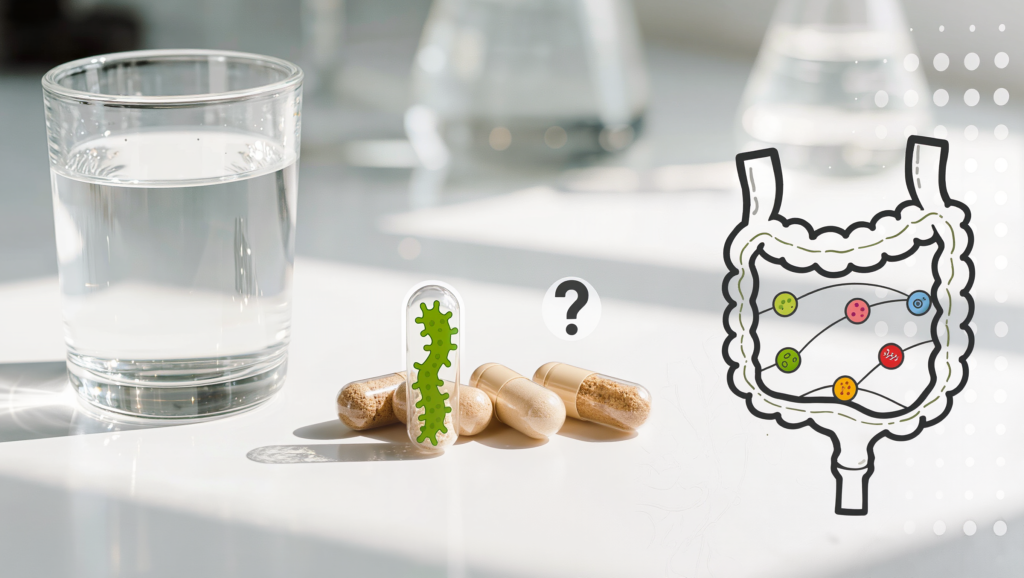












Daily probiotics are not automatically a must-have, and for many healthy people they may be more “nice to try” than “must buy.” The surprise is that probiotics can be genuinely useful for specific problems, but they are not a universal daily wellness fix, and in some cases they can even cause bloating or make symptoms worse.
The real answer is more nuanced than the supplement aisle suggests: probiotics are strain-specific tools, not magical gut insurance. If you have a clear reason for taking them, the right product can help; if you do not, you may just be paying for expensive bacteria you do not need.
What Probiotics Are Supposed to Do
Probiotics are live microorganisms that, when taken in adequate amounts, may help restore balance in the gut and support digestive health. They are commonly sold as capsules, powders, and gummies, and they are also present in fermented foods like yogurt, kefir, and miso.
Their proposed benefits include:
- Helping crowd out harmful microbes.
- Supporting the gut lining.
- Assisting digestion.
- Replenishing beneficial bacteria after antibiotics.
- Possibly easing some IBS symptoms.
That sounds impressive, and in the right context it can be. But the phrase “in the right context” is doing a lot of work there.
Why Daily Probiotics Are Not a One-Size-Fits-All Habit
A major reason probiotics get overhyped is that people assume “gut health” is one thing. It is not. Everyone’s microbiome is different, and the same probiotic may help one person while doing nothing for another.
Some Scientist emphasizes that people often try probiotics to solve unknown gut problems, but that can be risky because the wrong supplement may feed the wrong organisms or make symptoms worse. That is a pretty important reality check. If you do not know what problem you are solving, you can end up spending money on a random mix of microbes and hoping for the best.
When Probiotics Actually Make Sense
There are a few situations where probiotics seem most defensible. The best-supported use cases are temporary or targeted rather than indefinite daily use.
1) After antibiotics
Probiotics are often used after antibiotic treatment because antibiotics can disrupt the gut microbiome. Some evidence supports this use, especially for helping reduce antibiotic-associated diarrhea.
2) Certain IBS symptoms
Some people with IBS report improvement in bloating, gas, and bowel irregularity when using specific probiotics. The catch is that this depends heavily on the strain, the dose, and the person.
3) Specific digestive issues
A 2022 review cited by Summit Health found probiotics may ease IBS symptoms by improving gut flora and reducing inflammation. Again, that does not mean all probiotics work for all gut complaints. It means some are helpful for some issues.
Why The Market Makes It Confusing
The supplement aisle is a little chaotic. Supplements are not tightly regulated in the same way as many people assume, so what is on the label may not perfectly match what is in the bottle. That is a huge issue because probiotics are highly product-specific.
Two bottles can both say “50 billion CFU,” yet contain different strains, different viability, different delivery methods, and very different real-world effects. So when people say “probiotics don’t work,” they may really mean “the specific product I bought was not the right one.”
Why Probiotics Strain Matters More Than Hype
One of the most important truths about probiotics is that the benefits are strain specific. That means the exact type of bacterium matters, not just whether the bottle contains “probiotics” in general.
This is why probiotic marketing can be misleading. A company may advertise broad digestive support without proving that the specific strain in the bottle helps the specific problem you have. It is kind of like saying “vehicles are great” when what you actually need is a bicycle for a short commute.
If you do not know which strain you need, the odds of a good match drop fast.
Why Some People Feel Worse on Probiotics
Not everyone tolerates probiotics well. Unnecessary probiotic supplementation can disrupt the existing microbiome and potentially lead to upset stomach, bloating, and digestive discomfort. Fortune also reports that in some cases probiotics may worsen symptoms, especially in people with SIBO or a disturbed gut environment.
This is a key point that gets buried under the wellness marketing:
- More bacteria is not always better.
- “Good bacteria” are not automatically helpful if they are not the right fit.
- Some gut conditions can be aggravated by extra bacterial loading.
So yes, a probiotic can absolutely make you feel more bloated rather than less.
Are Probiotics A Waste of Money?
Sometimes, yes. Not always, but sometimes.
If you are healthy, eat a good diet, have no digestive symptoms, and are taking a daily probiotic just because social media told you to, you may not be getting much return on investment. Fortune quotes an expert who basically calls daily probiotic use in healthy people a waste of money, and some researchers similarly warn that unnecessary use may do more harm than good.
That does not mean all probiotics are useless. It means routine daily use should not be treated like brushing your teeth. Your teeth and gums need daily mechanical care. Your microbiome does not automatically need daily commercial supplementation.
Food Comes First
A lot of experts keep returning to the same point: gut health starts with food, not capsules. Some researhers emphasize that probiotics are only one piece of the picture, while a balanced diet, especially one rich in fiber, supports the gut microbiome more reliably over time.
That makes sense because your gut bacteria need fuel. Fermented foods can help, but the big driver of a healthy microbiome is usually the food environment you create every day:
- Fiber-rich fruits and vegetables.
- Whole grains.
- Legumes.
- Nuts and seeds.
- Fermented foods in moderation.
If your diet is poor, probiotics will not magically rescue it. A poor diet and repeated antibiotic use create a gut environment that probiotics cannot fully fix.
The Best Way To Think About Probiotics
A smarter mental model is this: probiotics are tools, not tonic water. You use them when you have a specific issue, a reasonable expectation, and ideally some guidance on product selection.
That means:
- Use them for a target problem, not vague wellness.
- Choose a product with evidence for your issue.
- Take them long enough to evaluate whether they help.
- Stop if they clearly make things worse.
This approach is much more grounded than buying whatever bottle has the prettiest label and hoping your intestines love it.
What The Science Actually Supports
The broader literature does support some probiotic benefits. A review in the NIH/PMC database states there is substantial evidence for probiotics in acute diarrheal disease, prevention of antibiotic-associated diarrhea, and improvement of lactose metabolism, while evidence for other conditions remains insufficient.
That is about as honest as the science gets:
- Some benefits are real.
- Some are strain-specific.
- Some claims are still overblown.
- Not every condition responds the same way.
So the real question is not “Do probiotics work?” It is “Which probiotic, for which problem, in which person?”
Who Might Not Need Probiotics At All
You probably do not need a daily probiotic if:
- You have no digestive symptoms.
- You already eat a fiber-rich diet.
- You are not recovering from antibiotics.
- You do not have a condition with evidence for a specific strain.
- You feel bloated or weird when you take them.
For that group, probiotics are more likely to be an expensive ritual than a health essential.
People Who Might Benefit More From Probiotics
You might be a better candidate if:
- You recently finished antibiotics.
- You have Irritable Bowel Symdrome (IBS) and a clinician suggests a specific strain.
- You have a clearly defined gut issue.
- You know how to monitor whether the supplement actually helps.
Even then, the goal should be measurable improvement, not loyalty to a bottle.
Bottom Line
Daily probiotic supplements are not an essential habit for everyone, and for many healthy people they may be unnecessary. The best evidence supports probiotics in specific situations like antibiotic-associated diarrhea, some IBS symptoms, and certain digestive disruptions, not as a universal daily must-have.
The surprising truth is that probiotics can be helpful, useless, or even counterproductive depending on the person, the strain, and the problem. If you want better gut health, the foundation is still diet, fiber, and the right diagnosis — not blind faith in a capsule.
Sources: