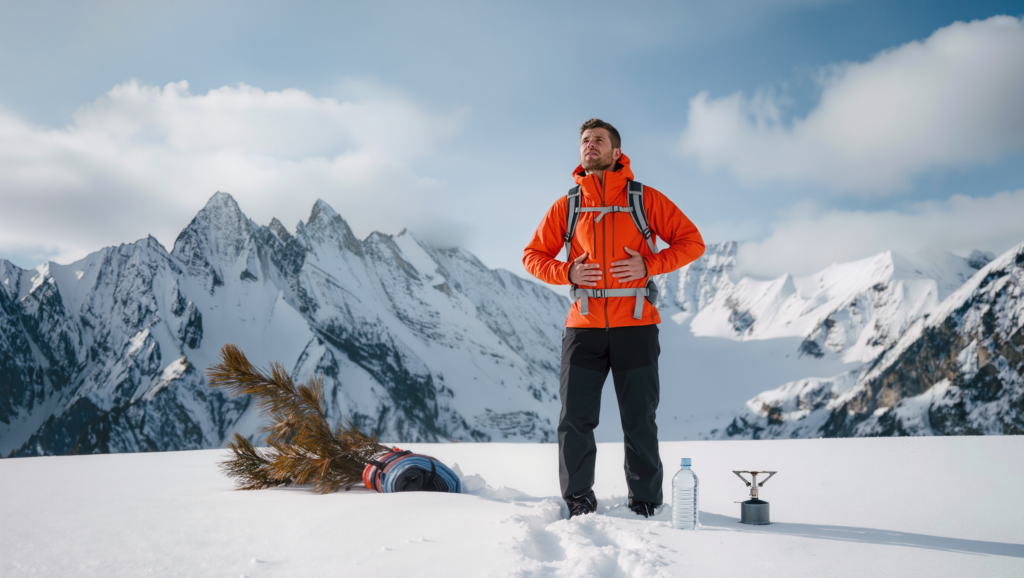












Cold-weather comfort is not just about thicker jackets and fancier sleeping bags. Your body actually has a built-in heat system that can adapt to cold exposure, and if you understand how it works, you can help it generate more warmth on its own. That’s the real “hack”: teach your body to produce heat better, then stop sabotaging it with sweat, low fuel, and bad timing.
The science behind this is called adaptive thermogenesis and, in cold conditions, cold-induced thermogenesis. In plain English, it means your body increases energy expenditure in response to cold, partly through brown fat activity, shivering, and other heat-producing mechanisms. That means hikers and campers are not just passive victims of temperature; they can train and support their physiology to cope better.
What Does Adaptive Thermogenesis Mean?
Adaptive thermogenesis is your body adjusting its heat production based on environmental demands. In cold weather, that usually means burning more energy to maintain core temperature. Research published in Frontiers reports that cold-induced thermogenesis is linked to outdoor temperatures and indicates dynamic adaptation of thermogenesis and brown adipose tissue activity in adult humans.
This is important because it tells us your body is not fixed. It responds to repeated environmental cues. Spend more time in cold conditions, and your heat-producing systems may become more responsive. That doesn’t mean you become immune to cold, but it does mean your body can learn.
How Brown Fat Became The Secret Weapon
Brown adipose tissue, or brown fat, is one of the coolest parts of human physiology, literally and figuratively. Unlike white fat, which mainly stores energy, brown fat helps generate heat by burning fuel. It is rich in mitochondria and is especially useful for non-shivering thermogenesis, which is heat production without obvious muscle shivering.
For hikers and campers, this matters because brown fat helps your body generate warmth before you reach the “I am freezing” stage. That means you can potentially become more resilient to cold if your system is regularly exposed to manageable cold stress rather than being protected from every chill.
Why Hikers Get Cold Even When Moving
Movement helps, but movement alone does not solve cold exposure. Hiking generates heat through muscle activity, but once you stop moving, that heat drops quickly. If you sweat too much while hiking, that moisture can accelerate cooling later.
That’s why winter hiking advice so often emphasizes staying dry. If you overdress, you sweat. If you sweat, you chill. If you stop too long, your body’s heat production slows and your layers may no longer be enough. The goal is not maximum heat. The goal is stable heat.
The Real Trick Behind Controlled Cold Exposure
If you want your body to generate heat better, the smartest long-term strategy is controlled cold exposure. This means giving your body small, manageable doses of cold rather than blasting it with misery. Backpacker notes that cold adaptation increases the resilience of body systems and that deliberate cold exposure can help improve comfort in a wider range of climates.
This is where adaptive thermogenesis becomes practical:
- Mild cold signals the body to increase heat production.
- Repeated exposure can improve adaptation.
- Brown fat activity may become more responsive.
- You may feel less shocked when stepping into winter air.
The key word is manageable. You want adaptation, not hypothermia.
How To Help Your Body Make More Heat On The Trail
There are several ways to support your body’s own heating system while hiking or camping.
1) Don’t start overheated
If you leave the trailhead already sweating, you are creating a cooling problem later. Winter hiking guides consistently warn against dressing so warmly that you overheat as soon as you start moving.
2) Keep moving, but don’t redline
A steady pace is better than big spikes of effort. Hard bursts can create sweat and leave you chilled during breaks. Moderate movement keeps heat production more consistent.
3) Eat enough
Cold exposure increases calorie demand, and some hiking sources note that appetite can actually decrease in the cold, which creates a hidden risk of underfueling. If you do not eat enough, your body has less fuel to turn into heat. That makes your internal furnace work on empty.
4) Stay hydrated
Hydration supports circulation, and circulation helps distribute heat. Winter adventure guidance repeatedly emphasizes hydration as part of staying warm.
5) Use layers strategically
Layering is not about being wrapped like a burrito all day. It is about adjusting before you get sweaty or deeply chilled. The smartest cold-weather hikers vent early and add insulation before they become cold enough to need emergency warmth.
Heat From Food Starts In The Kitchen
Food is one of the most underrated cold-weather tools. Your body uses energy to digest, absorb, and metabolize food, and that process helps support heat production. In winter camping, that means a calorie-dense meal before bed can help keep your system running through the night.
A lot of campers make the mistake of eating too little because they don’t feel hungry in the cold. But a winter hiking article notes that cold environments increase calorie demand while suppressing hunger signals, which is a recipe for trouble if you ignore it.
Good cold-weather fuel includes:
- Oatmeal with nuts.
- Trail mix.
- Peanut butter.
- Cheese.
- Jerky.
- Soup or broth.
- Fat-and-protein-heavy snacks.
You are not just eating to feel full. You are feeding thermogenesis.
Shivering Is Backup Heat, Not The Goal
Shivering is your body’s emergency heat production system. It works, but it is not ideal because it means you are already cold. Metabolic research on exercise in cold environments notes that the body uses vigorous activity, shivering, and non-shivering thermogenesis as heat-producing responses.
The smarter approach is to stay in the zone before shivering starts. If you are already shaking, you have waited too long. That’s why hikers should treat early cold signals seriously rather than shrugging them off.
Why Brown Fat Can Improve Over Time
One of the most exciting parts of cold adaptation is that the body can become more efficient at handling temperature swings. Backpacker’s discussion of cold adaptation suggests that repeated deliberate exposure may support stronger metabolism, leaner body composition, and easier transitions between cold and warm environments.
The idea is not that you become superhuman. It is that your body learns. Brown fat may become more active, and your overall cold tolerance may improve. That can make winter hiking feel less brutal and more manageable.
Camp Warmth Is A System, Not A Single Trick
At camp, the challenge changes. You are no longer generating heat through constant walking, so your body has to rely more on fuel, insulation, and pre-warming strategies. Winter camping guides recommend hot water bottles inside sleeping bags and careful bedtime routines to hold onto heat longer.
A hot water bottle doesn’t create adaptive thermogenesis, but it does reduce how hard your body has to work. That means your own heat can go further. Pairing a warm bottle with a fed, dry, insulated body is the closest thing to a backcountry cheat code.
The “Trick” Is Really A Feedback Loop
Here’s the real answer in one sentence: if you expose your body to manageable cold, keep it fueled, keep it dry, and avoid overdoing exertion, it can adapt by producing heat more efficiently over time.
That is the feedback loop:
- Cold signals the body to adapt.
- Fuel gives it energy.
- Movement stimulates heat.
- Brown fat and thermogenesis help with internal warming.
- Repeated exposure improves resilience.
This is not a gimmick. It is physiology.
What Not To Do
A lot of “hack” advice gets silly fast, so here’s the caution list:
- Don’t chase cold exposure so hard that you become unsafe.
- Don’t hike overheated and sweaty.
- Don’t ignore hunger in winter.
- Don’t rely on one warm drink to solve everything.
- Don’t assume your body will adapt if you’re constantly exhausted or underfed.
Adaptive thermogenesis is real, but it works best when the body is healthy enough to adapt.
Bottom Line
The cold weather hack every hiker and camper needs to know is that your body can generate its own heat better when you train and support it correctly. Adaptive thermogenesis, including brown fat activity and non-shivering heat production, helps explain why repeated, manageable cold exposure can improve cold tolerance.
So the formula is simple: move smart, eat enough, stay dry, and let your body practice being cold without being overwhelmed by it. That’s how you turn winter from a survival problem into a physiology advantage.
Sources: