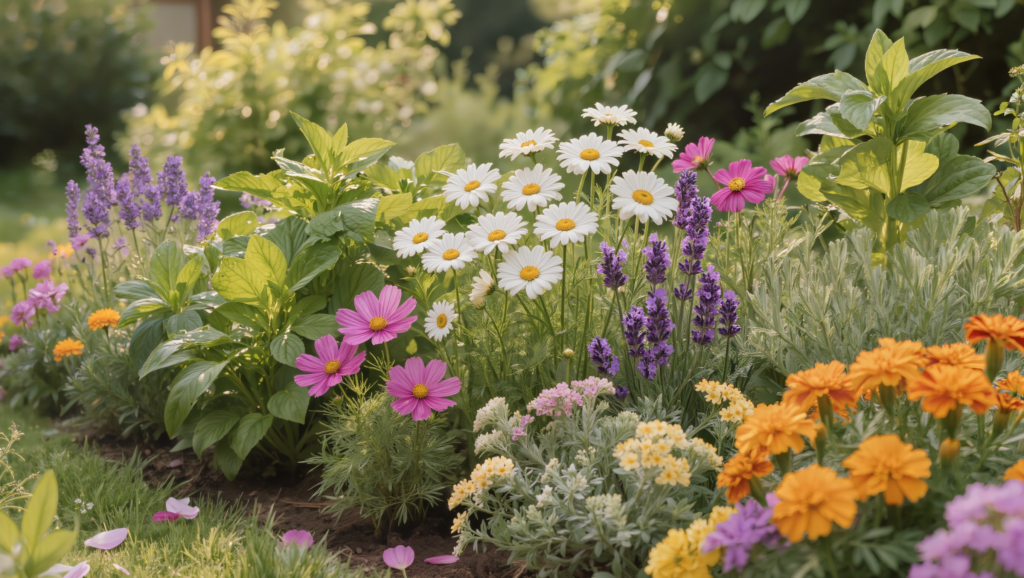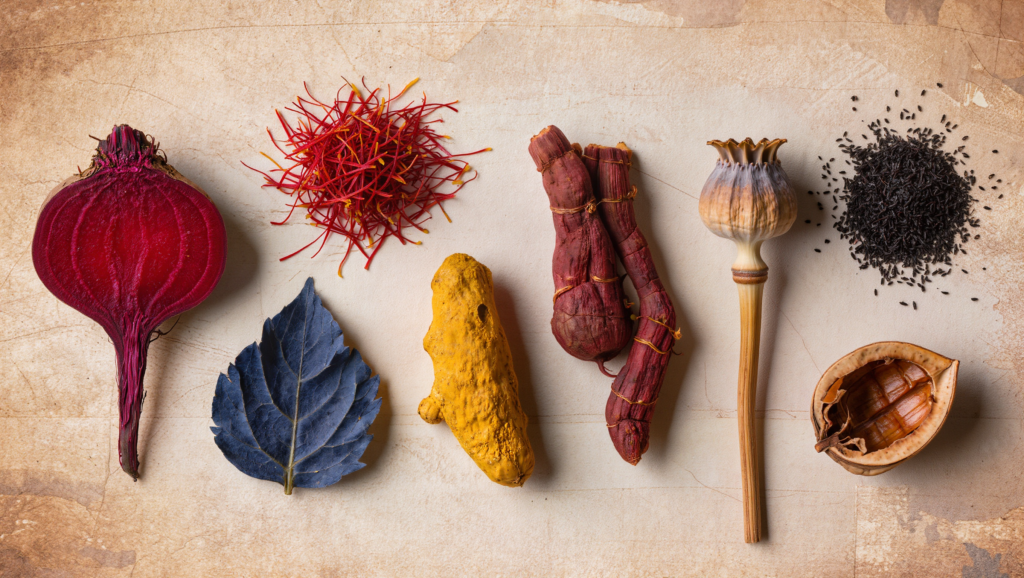












Food coloring has always been a little stranger than people like to admit. Long before neon cupcakes and rainbow cereal became supermarket norm, humans were already tinting food with saffron, beet juice, turmeric, spinach, berries, and even mineral pigments to make dishes look more appealing. The history of organic food coloring is basically the history of humans trying to make food look richer, fresher, and more desirable — sometimes with wonderful results, and sometimes with substances that were flat-out dangerous.
The really wild part? Some of the most “natural” colorants in modern food are not flowers, roots, or berries at all. One of the best-known red natural colorants, carmine, comes from crushed insects. And one of the most familiar brown colorings in packaged foods, caramel color, is basically burnt sugar turned into a standard industrial ingredient. So when we talk about “organic” food coloring, we are really talking about a long, weird journey from the garden, to the laboratory, to the beetle, to the sugar pot.
Before “Organic” Meant Anything
In ancient times, people used whatever color sources they had at hand. The FDA notes that naturally occurring color additives from vegetable and mineral sources were used in foods, drinks, and cosmetics in ancient times. The Spruce Eats also lists early natural color sources such as saffron, carrots, pomegranates, grapes, berries, beets, parsley, spinach, indigo, marigold, turmeric, and other plant-based materials.
That makes sense. If you were making cakes, candies, sauces, or ceremonial foods without modern processing, color was part of the appeal. A brighter dish looked fresher, more valuable, and sometimes more festive. But the ancient color world was not always safe. Historical sources mention the use of minerals and ores like copper carbonate, gold leaf, silver leaf, and other substances that could be downright poisonous.
So the earliest chapter of food coloring history is not cute and wholesome. It is a mix of natural beauty, visual trickery, and occasional toxicity.
When Color Became Used In The Organic Industry
Things changed dramatically in the 19th century. The FDA and food history sources both identify 1856 as a major turning point, when William Henry Perkin discovered mauve, the first synthetic organic dye. This was a huge deal because synthetic dyes could be made more cheaply, more consistently, and in brighter shades than many natural colors.
That mattered for the growing food industry. As food production scaled up, manufacturers wanted colorants that were stable, affordable, and repeatable. Natural dyes often faded, varied by batch, or were too expensive to produce in large quantities. Synthetic dyes offered control, which is basically catnip for industrial food production.
By the late 1800s and early 1900s, artificially colored foods became common in the U.S. But the early era of artificial coloring was a mess. Some colorants contained lead, arsenic, mercury, and other harmful substances. Even worse, some colors were used to hide food defects and make poor-quality products look acceptable.
Regulation Had To Catch Up
Food coloring got more interesting once regulators realized people were eating stuff that could be toxic. The USDA and later federal agencies began investigating color additives in the late 1800s, and Congress passed the Pure Food and Drugs Act in 1906. That law prohibited poisonous or harmful colors in confectionery and prevented staining food to conceal damage or inferiority.
This is an important moment in food history because it marks a shift from “can we make it look pretty?” to “can we prove it won’t harm people?” The FDA history page explains that federal oversight continued to evolve, including the 1938 Food, Drug, and Cosmetic Act, which helped establish modern color additive rules.
The takeaway is simple: food coloring did not become safer because people suddenly got nicer. It became safer because the early market had enough bad actors and dangerous pigments that the government had to step in.
How A Beetle Became A Color In Organic Foods
Now to the part everybody remembers: crushed beetles.
Carmine, also called cochineal extract, is a red food color made from the cochineal insect, Dactylopius coccus. The insects are harvested, dried, crushed, and processed into carminic acid, which produces the vivid red pigment used in foods, cosmetics, and some drinks. Live Science notes that roughly 70,000 insects can be needed to make a pound of dye. That is one of those facts that makes people stop mid-sip and reconsider their strawberry yogurt.
The reason carmine became so important is that it is a remarkably stable and reliable natural red color. BBC coverage notes that it performs well across a range of food applications, while many plant dyes fade more easily under light, heat, or oxygen. That stability made carmine extremely useful in commercial food production.
So yes, some of the “natural color” in packaged food really does come from insects. That is not a conspiracy theory. It is food chemistry.
Why Carmine Is Frequently Used As Organic Food Coloring
Carmine is historically fascinating because it sits right at the intersection of natural sourcing and industrial use. It is natural in origin, but highly processed in final form. That makes it different from something like beet juice, which feels more obviously plant-derived.
It is also culturally complicated. Some consumers are uncomfortable with insect-derived colorants for religious, ethical, or personal reasons. Others see it as a clever natural alternative to synthetic dyes. The FDA requires carmine and cochineal extract to be explicitly identified on ingredient labels because some people experience severe allergic reactions.
That label transparency matters because “natural” does not automatically mean harmless, and “organic” does not automatically mean plant-based.
Burnt Sugar And The Brown Color Story
If carmine is the weird red chapter, caramel color is the classic brown chapter. Caramel coloring has long been used in foods to give everything from soft drinks to sauces a warm brown tone. It is made by heating sugar under controlled conditions so that the sugar darkens and develops color.
That sounds simple, because it is. But it’s also a great example of how food coloring can come from a process rather than a plant. Burnt sugar is not glamorous, but it has become one of the most widely used coloring solutions in the food industry.
This is the hidden truth about many “natural” color concepts: they are often less about a single source and more about a method. In this case, the method is turning sugar into a darker, more visually persuasive ingredient.
Plant Dyes Were Never Just “Simple” Either
It would be a mistake to imagine the old natural dyes as pure little garden extracts. Many were complex to prepare, inconsistent in color, and vulnerable to fading. The Spruce Eats notes that natural food colors were eventually replaced or supplemented by synthetics because natural materials were expensive to gather, hard to standardize, and less shelf-stable.
That is why beet juice, turmeric, saffron, spinach, and other plant-based colorants are common in modern “organic” products, but often in highly processed form. The modern natural-color industry is not a return to grandmother’s kitchen. It is a technologically organized version of it.
Why Consumers Love The Word “Organic”
The label “organic” carries emotional weight. It suggests purity, safety, and closeness to nature. But when it comes to food coloring, organic often just means the color source meets organic standards or is approved as a natural additive within the regulatory framework.
That can include plant-derived colors, insect-derived colors like carmine, and heat-processed ingredients like caramel color. So the term organic does not automatically mean “from a flower” or “from a farm” in the romantic sense people often imagine.
This is why ingredient reading matters. A product can wear a soft green organic halo on the front and still be colored by beet concentrate, insect extract, or caramelized sugar on the back.
The Big Shift From Safety To Standardization In Organic Foods
One of the biggest changes in food coloring history was not just safety regulation, but standardization. Harvard Business School’s history of food dye standardization explains that synthetic dyes gave manufacturers economical, consistent, and convenient ways to produce the exact same color every time.
That sounds mundane, but it transformed food marketing. If a strawberry yogurt always looks pink, or a drink always looks amber, consumers assume consistency, freshness, and quality. Color becomes part of product identity. Once that happens, food coloring is no longer just decoration. It becomes a sales tool.
The Modern Paradox
Today, food coloring sits in a strange place. On one hand, consumers often want cleaner labels and “natural” ingredients. On the other hand, the natural options may be less stable, less vivid, or more expensive.
That leaves manufacturers with tradeoffs:
- Plant-based dyes may fade or vary.
- Carmine is stable but insect-derived.
- Caramel color is familiar but highly processed.
- Synthetic dyes are effective but can carry consumer distrust.
So the industry keeps balancing marketing, safety, cost, and consumer expectations. There is no perfect solution, only acceptable compromises.
What This Means For “Organic” Food Coloring Today
If you buy something labeled with organic or natural coloring, what you’re usually getting is not some pure, untouched botanical extract. You are getting a color solution that has been selected for stability, approved for use, and chosen to fit consumer expectations.
That may be beet-derived red, turmeric yellow, annatto orange, carmine crimson, or caramel brown. All are “natural” in one sense, but none are magically simple. They are all products of history, chemistry, and commerce.
Bottom Line
The true history of organic food coloring is weird, practical, and a little gross in places. Humans started with plant and mineral pigments, stumbled through a dangerous era of toxic colorants, moved into the age of synthetic dyes, and eventually circled back to “natural” colors that can include beet juice, burnt sugar, and crushed insects.
So the next time you see a brightly colored organic snack, remember this: behind that rainbow is a long history of chemistry, regulation, branding, and the surprisingly honest fact that food has always been about looking as good as it tastes.
Sources