











“Compostable” sounds great on the label, but the real answer is annoyingly specific: yes, some compostable plastics break down, but only under the right conditions, and often not where people actually throw them away. In industrial composting facilities, certified compostable items can decompose as intended; in home compost, landfills, oceans, and random roadside ditches, they usually do not behave like the marketing suggests.
That’s the short version. The longer version is where things get interesting, because the word compostable is doing a lot of heavy lifting, and most people are being sold a story that is much cleaner than the reality.
What Does “Compostable Plastics” Mean?
A compostable plastic is not just a plastic that “goes away eventually.” It is engineered to break down into carbon dioxide, water, biomass, and non-toxic residue under controlled composting conditions. In other words, it has to pass a specific test in a specific environment, not just exist in nature and hope for the best.
Most of the well-known compostable plastics are based on PLA, or polylactic acid, which is often made from plant starch such as corn or sugar cane. That bio-based origin is part of what makes them sound greener, and in some manufacturing analyses PLA does use less energy and emit fewer greenhouse gases than fossil-based plastics at the production stage.
But production is only half the story. Disposal is where the myth gets messy.
Why Industrial Composting is The Key
The big catch is that most compostable plastics are designed to break down in industrial composting facilities, not in your backyard compost bin. Those facilities reach the high temperatures, controlled moisture, oxygen levels, and processing time needed to trigger decomposition.
FoodUnfolded explains that compostable plastics generally need temperatures above 50°C and a managed environment to degrade properly. Beyond Plastics says certified compostable bioplastics are engineered to fully decompose within about 12 weeks in a commercial facility under controlled conditions. BioPak likewise notes that certified compostable bioplastics are designed to break down to relevant standards like AS4736 or EN13432 in industrial systems.
And when those systems are actually available, compostable packaging can work as promised. A European Bioplastics summary of a Wageningen University study reported that tested EN13432-certified products broke down within a maximum of 22 days in a full-scale industrial organic waste treatment facility. So the material itself is not fake; the issue is that the correct disposal pathway is often missing.
Why Home Compost Usually Fails
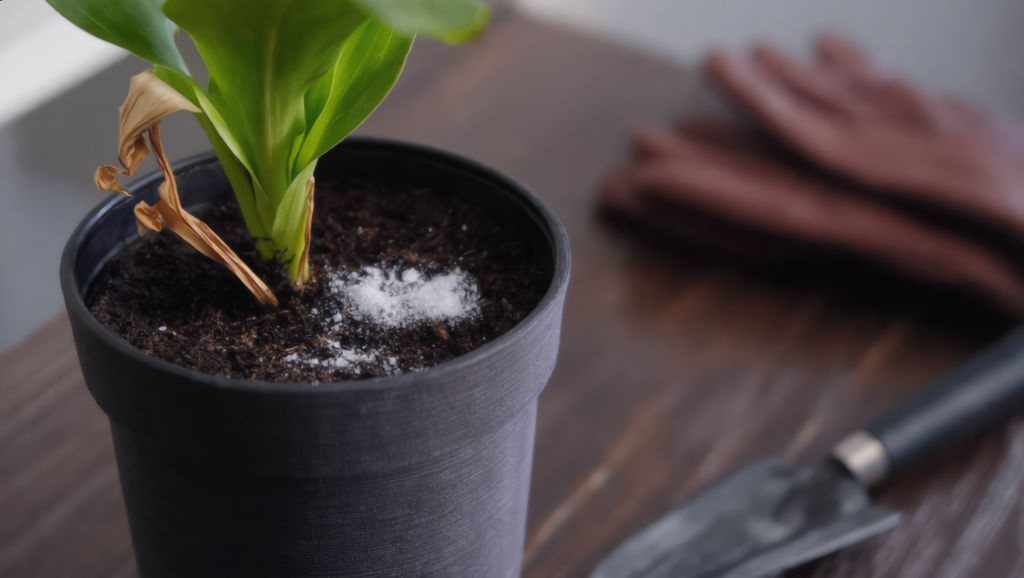
This is where the marketing and reality part company. A home compost pile usually does not get hot enough, stay hot enough, or stay managed enough to fully break down many compostable plastics.
The Final Straw Foundation is blunt about this: if you throw compostable plastic on a home compost pile, it will not break down unless it is specifically labeled for home composting. That matters because many consumers assume “compostable” automatically means “okay for the backyard compost heap.” It usually does not.
The result is simple: you can end up with a banana peel that disappears and a compostable fork that is still hanging around weeks or months later. In other words, the system that is supposed to feel eco-friendly can become a little plastic graveyard.
What Happens To Compostable Plastics in Landfills
Landfills are even worse.C need oxygen, moisture, and heat to decompose properly, and landfills are compacted, oxygen-poor, and not designed for that purpose.
Several sources note that PLA and similar compostable plastics may persist in landfills for very long periods, with some claims that they can last as long as conventional plastics. Beyond Plastics adds that if compostable packaging ends up in landfills, it can release methane, which is a powerful greenhouse gas.
So the irony is brutal: a product sold as environmentally friendly can behave a lot like ordinary plastics when it is disposed of in the most common real-world waste stream.
What About The Ocean Or Countryside?
Also not great. Compostable plastics do not magically biodegrade in the ocean or in natural environments just because they are “plant-based.”
The Final Straw Foundation points out that PLA does not biodegrade well in the ocean or countryside because it will not experience the right temperatures and moisture conditions. That means it can still pose a risk to marine animals and wildlife in much the same way conventional plastic does.
This is an important distinction. Bio-based does not automatically mean biodegradable, and biodegradable does not automatically mean fast, safe, or complete in every environment.
The Label problem
A lot of confusion comes from how these terms are used. “Compostable,” “biodegradable,” “bio-based,” and “plastic” are not synonyms.
Here is the practical translation:
- Bio-based means made partly or entirely from biological feedstock, like corn or sugarcane.
- Compostable means it is certified to break down in a composting system under defined conditions.
- Biodegradable just means it can be broken down by microbes eventually, but not necessarily quickly or cleanly.
That distinction matters because consumers often read “compostable” as “harmless anywhere.” The science does not support that interpretation.
Are Compostable Plastics At Least Better To Make?
Sometimes, yes. The manufacturing side can look better than petroleum-based plastic in some cases. The Final Straw Foundation says PLA production can use 65% less energy and create 68% fewer greenhouse gases than conventional plastic. Another environmental analysis argues that PLA and PHA can have lower carbon footprints and lower fossil fuel use than petrochemical plastics, depending on how they are made.
But there is a catch even here: growing the crops for bioplastics can use farmland, water, fertilizers, and energy that might otherwise be used for food. Beyond Plastics warns that bioplastics can have significant agricultural-phase footprints and can compete with land and resources that could grow actual food.
So even if the raw material looks cleaner on paper, the full life cycle may still be more complicated than people think. The environmental scorecard depends on feedstock, processing method, transport, waste management, and whether the item actually reaches the composting facility it was designed for.
Do Compostable Plastics Contaminate Recycling And Compost Streams?
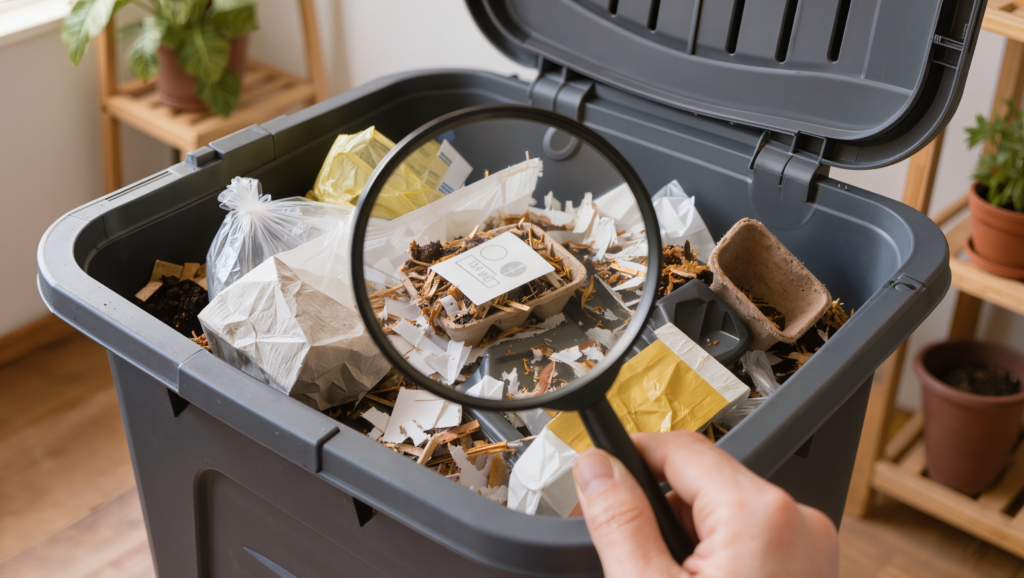
Yes, they can. One of the less-discussed problems is contamination. Berkeley’s news coverage notes that today’s compostable bags, utensils, and lids often do not break down during typical composting and can contaminate other recyclable plastics, creating headaches for recyclers.
That is a big deal because “sort of plastic-like but maybe compostable” is exactly the kind of thing that complicates waste sorting infrastructure. Compostables can end up in the wrong bin, the wrong facility, or the wrong processing stream, which reduces the value of both recycling and composting systems.news.
This is the boring infrastructure problem behind a flashy label. Materials are only as green as the system that handles them.
So Do They Actually Break Down?
Yes, but with a giant asterisk.
If a product is certified compostable and it actually reaches the right industrial composting facility, it can break down within a reasonable timeframe. If it ends up in home compost, landfill, the ocean, or littered outdoors, it often will not break down in the way consumers imagine.
So the correct answer is not “yes” or “no.” It is:
- Yes, in the right facility.
- No, not reliably in the places people usually dispose of waste.
That is the part most packaging copy leaves out.
What Should Consumers Do?
The smartest move is to treat compostable plastics as system-dependent materials rather than universal eco-products. If your municipality has a commercial composting stream that accepts compostable packaging, and the item is certified for that stream, then it can make sense.
If you only have home compost, assume most compostable packaging will not disappear the way your food scraps do. And if you do not have access to a composting facility, the environmental benefit may be much smaller than the label suggests.
The lowest-waste option is often still reuse:
- Reusable containers.
- Refillable bottles.
- Durable cutlery and cups.
- Less single-use packaging overall.
That may sound less exciting than “compostable,” but it is much more reliable.
The Bottom Line
Compostable plastics are not a scam, but they are often oversold. They can break down, and in industrial composting environments they sometimes do so quite effectively. But if you put them in the wrong place, they may behave a lot more like ordinary plastic than the marketing implies
So the truth is pretty simple: compostable does not mean automatically composted. The material is only as good as the system that receives it, and until disposal infrastructure is far more consistent, “compostable” will keep being one of the most misleadingly optimistic words on a package.