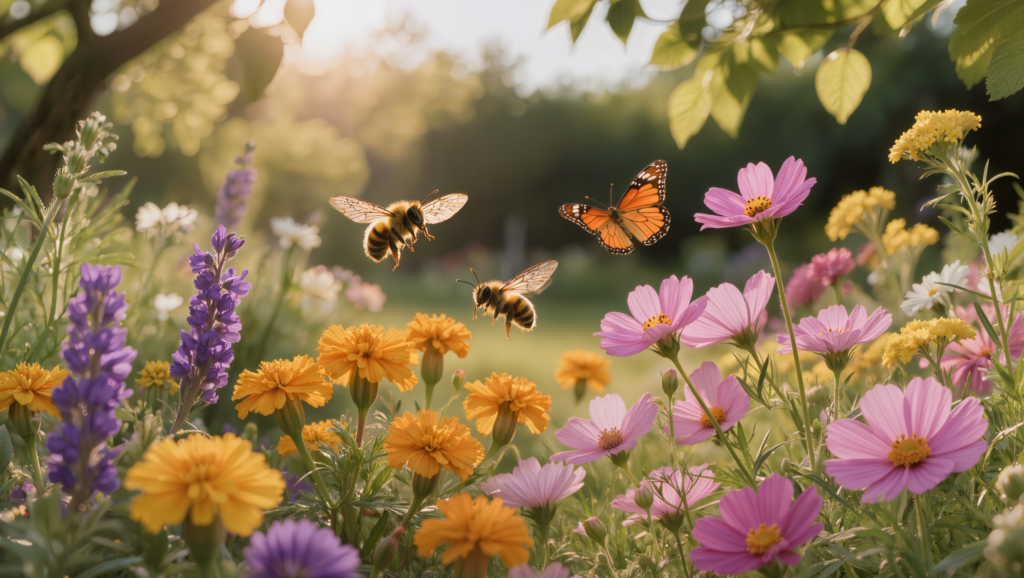












The best pollinator gardens are not just pretty; they are useful. If you combine native plants with cottage-garden flowers in a thoughtful layout, you can create a landscape that feeds local bees and butterflies from spring through fall while still looking lush, romantic, and very “I definitely planned this” instead of “I just let the yard go.”
The real trick is balance. Native plants do the heavy lifting for local ecology, while cottage-garden flowers add color, charm, and layered structure. When you design for bloom succession, nesting habitat, and low pesticide use, your garden becomes more than decorative — it becomes a living pollinator corridor.
Why Native Plants Should Be The Backbone Of Your Garden
Native plants are the smartest starting point because local bees and butterflies evolved with them. Native plants are the ideal choice because they are heartier, lower-maintenance, and should be chosen based on local soil and sunlight conditions. Native plants also provide nectar, pollen, and host-plant resources critical for butterflies and moths at every life stage.
That host-plant piece is huge. Many butterflies do not just need flowers as adults; their caterpillars need very specific native plants to eat. So if you only plant showy flowers and ignore host plants, you may attract a few adult insects without actually supporting reproduction.
Where Cottage-Garden Flowers Fit In
Cottage-garden flowers are the style layer that makes the landscape feel full, soft, and abundant. Garden Design’s cottage garden guidance highlights classic plants with season-long visual appeal, and wildlife-friendly gardens can include flowering plants that are also attractive to pollinators.
The cottage garden look works especially well with pollinators because it tends to favor:
- Diverse heights.
- Dense flower clusters.
- Repeated blooming.
- Informal, layered borders.
- A mix of perennials, climbers, and herbaceous plants.
The key is choosing cottage-style flowers that actually serve pollinators rather than just looking vaguely rustic.
Think In Layers, Not Rows
A pollinator landscape works best when it has layers. Planning for more than the summer growing season and choosing plants that bloom at different times so pollinators always have nectar available and pollinator gardens should flower from spring through fall rather than during one short burst.
A layered design can include:
- Tall shrubs and small trees in the back.
- Medium perennials in the middle.
- Low flowers and ground-level bloomers at the front.
- A few native grasses or sedges as structure.
This creates a landscape that feels full and natural while also feeding different pollinator species across the season.
Start With Your Site Conditions
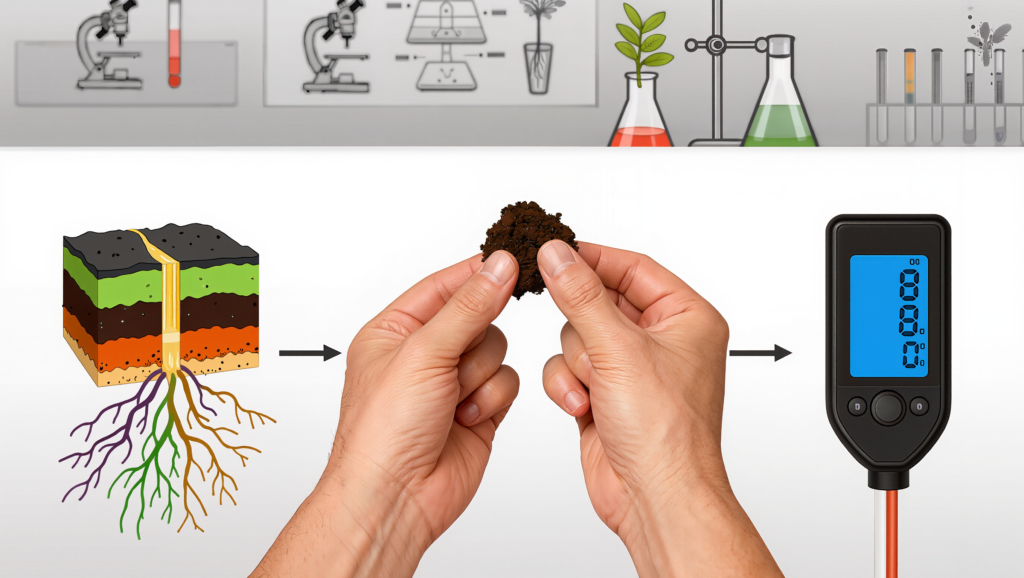
Before planting anything, look at your site honestly. Some Sources recommend checking sunlight and soil type first, because those conditions determine which plants will thrive. Native plant success is always easier when you work with your land instead of forcing the land to behave like a catalog photo.
Ask yourself:
- Is the area full sun, part shade, or deep shade?
- Is the soil sandy, clay-heavy, dry, or wet?
- Do you need wind protection?
- Is this a front yard, side yard, or backyard space?
Once you know the conditions, you can select natives and cottage flowers that match the site instead of fighting it.
Design For Continuous Bloom
Pollinators need food across the whole growing season, not just in June. The U.S. Fish and Wildlife Service says to think about early spring, summer, and fall bloom periods, and also create a long flowering sequence so pollinators always have something to visit.
That means your design should include:
- Early bloomers for first-emerging bees.
- Midseason bloomers for peak activity.
- Late bloomers for fall forage.
A good cottage-style pollinator border feels like a relay race, with each plant handing off to the next.
Good Native Plus Cottage Pairings
You do not need to choose between ecological value and garden beauty. Many plants do both, like bee- and butterfly-friendly species that fit informal, mixed-style designs.
Useful combinations often include:
- Native coneflowers with lavender or salvia accents.
- Black-eyed Susans with ornamental grasses.
- Milkweed with airy cottage-style perennials.
- Bee balm with foxglove-style verticals where regionally appropriate.
- Goldenrod and asters for late-season color.
The idea is to use native plants as the functional base and cottage flowers as the visual rhythm.
Don’t Forget Host Plants
If you want butterflies, host plants matter as much as nectar plants. Hundreds of butterfly and moth species depend on one or two specific host plants for larval development. That means your garden has to think beyond adult beauty and support the full life cycle.
Depending on your region, that can include:
- Milkweed for monarchs.
- Native grasses or sedges for some moths and butterflies.
- Shrubs and trees that support early larvae and nesting resources.
A great pollinator garden is not just a diner; it is also a nursery.
Shrubs, Trees, And The Bigger Structure
Pollinator gardens do better when they include more than flowers, like expanding beyond small herbaceous plantings by adding native shrubs, trees, grasses, and sedges. That broadens the habitat, gives earliest spring pollen and nectar, and supports more insects overall.
In practical terms, this means you can build a cottage-garden feel with:
- Flowering shrubs.
- Small native trees.
- Border perennials.
- Ornamental native grasses.
- Clumps of mixed texture instead of single-species rows.
This also makes the garden look more mature and intentional.
Keep It Pesticide-Light
A pollinator landscape only works if it is actually safe for pollinators. Some researchers explicitly advises choosing plants that have not been treated with pesticides, insecticides, or neonicotinoids. Some soutces recommend minimizing insecticide use because pollinators need a safe feeding environment.
So the easiest way to make your garden better for bees and butterflies is often to stop “helping” so aggressively. Less spraying, more diversity, more patience.
Add Habitat Features Too
Pollinators need more than flowers, bee blocks, bare soil, leaf litter, dead stems, and residual woody debris can all support nesting and overwintering. Leaf litter, bunch grasses, and sedges provide important habitat resources.
This means your garden should not be over-cleaned. Leave some:
- Bare soil for ground-nesting bees.
- Dead stems for overwintering insects.
- Leaf litter in selected areas.
- Logs or woody debris if space allows.
A little mess is not a failure here. It is habitat.
Design For Your Space
You do not need acreage to make this work. Pollinator gardens can be built in balcony spaces, small yards, or larger landscapes. Some sources provides recipe-style guidance for small areas and encourages gardeners to expand over time.
For a small space:
- Use a few native flowering perennials.
- Add one or two cottage flowers for style.
- Include one host plant if possible.
- Choose long bloomers.
- Avoid cramming too many species into too little room.
For a larger space:
- Build drifts and layers.
- Repeat species for visual unity.
- Add shrubs and native grasses.
- Leave habitat edges less formal.
Make It Look Like A Cottage Garden, Not A Wild Patch
One reason people love cottage gardens is that they feel abundant but still designed. The trick is repetition and structure. Use repeated plants in groups, let some flowers spill and mingle, and anchor the garden with shrubs, paths, or a border edge.
A good visual formula is:
- 3 to 5 repeating native perennials.
- 2 to 3 cottage-style accent flowers.
- 1 to 2 structural shrubs or grasses.
- One meandering path or edge to give the eye a place to rest.
That keeps the garden from looking random while still feeling soft and pollinator-friendly.
Practical Plant-Selection Rules
When choosing plants, a few simple rules make the biggest difference:
- Prefer natives first.
- Choose flowers that bloom at different times.
- Use regional plant lists or garden recipe cards when available.
- Add at least one host plant.
- Avoid treated plants whenever possible.
If you follow those five rules, you are already ahead of most home gardens.
Bottom Line
Designing a garden with native plants and cottage-garden flowers is one of the best ways to support local bees and butterflies while still creating a landscape that feels lush, romantic, and personal. Native plants provide the ecological backbone, cottage flowers provide the beauty and structure, and habitat features like bare soil, leaf litter, and native shrubs make the garden useful all season long.
The sweet spot is simple: plant for pollinators, design for bloom succession, and let the garden look just wild enough to do its job.