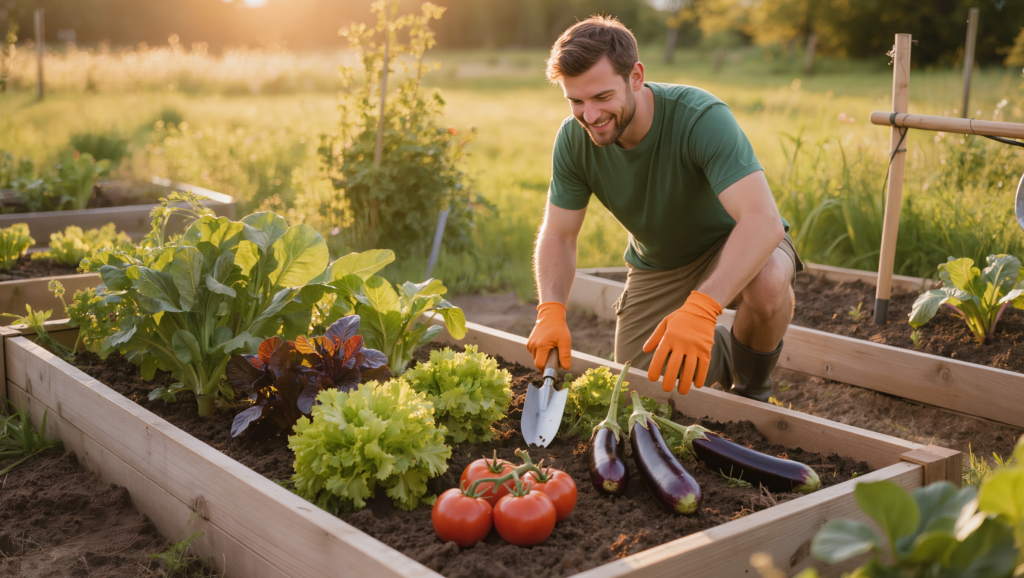












Raised beds are one of the easiest ways to make gardening simpler, more productive, and less frustrating, especially if you are just getting started. Traditional gardeners sometimes overlook them because they seem too “modern” or too managed, but the real secret is that raised beds let you control the most important part of gardening: the soil.
That control is what makes raised beds such a beginner-friendly hack. You get better drainage, fewer weeds, easier access, less compaction, and more freedom to build a garden that actually fits your space and ability level.
Why Raised Beds Feel Like A Shortcut
The biggest advantage of a raised bed is that it removes a lot of the uncertainty from gardening. Instead of struggling with whatever soil happens to be in the ground, you can fill the bed with a mix that suits the plants you want to grow. Raised beds help with backache and allow gardeners to control the composition of their soil. Raised beds reduce weeds, improve drainage, prevent compaction, and warm up earlier in the season.
That matters because beginners often fail not from lack of effort, but from bad conditions. Heavy clay, sandy soil, compacted ground, and inconsistent drainage can all make a new garden feel like a losing game. Raised beds sidestep a lot of that.
The Real Secret: Soil Control
Traditional gardeners often spend years trying to improve native soil one shovel at a time. Raised beds let you skip a lot of that pain. When you fill a bed yourself, you essentially create the soil environment instead of inheriting it, which is especially helpful if your native soil is poor, compacted, or uncooperative.
This is the hidden advantage beginners usually need most. You can:
- Start with a known soil mix.
- Match the bed to your crops.
- Adjust drainage and fertility more easily.
- Avoid inheriting weeds and old root problems from the ground below.
So while experienced gardeners may think of raised beds as a convenience, beginners should think of them as a confidence builder.
Why Raised Beds Are So Good For Beginners
Beginners need two things: success and simplicity. Raised beds are great at both. Raised beds are a shortcut to a plentiful harvest and are closely tied to square-foot gardening, which makes planning a bed much less intimidating and full customization and easier maintenance as major raised-bed benefits.
A beginner with a raised bed gets a much clearer path to success:
- Smaller, defined growing space.
- Easier plant spacing.
- Easier watering routines.
- Easier weed control.
- Easier crop rotation and organization.
That clarity matters. The more confused a beginner feels, the more likely they are to quit. Raised beds make the learning curve feel manageable.
Better Drainage, Better Growth
One of the most important overlooked advantages is drainage. Raised beds improve water retention in sandy soil and improve drainage in clay soil, which means they can solve both extremes. That flexibility is a big reason they perform so well across different regions.
If your yard puddles after rain, a raised bed lifts roots above the soggy zone. If your yard drains too fast, the bed gives you a chance to build a soil mix that holds moisture better. In both cases, you are giving plants a more stable root environment, which usually means better growth and less stress.
Less Compaction, More Root Freedom
A lot of garden problems are caused by feet, not plants. Raised beds avoid soil compaction from human feet, and they also reduce erosion when framed. That means the soil stays looser and more breathable.
Why does that matter? Roots need space, oxygen, and moisture balance. Compacted soil suffocates roots and makes it harder for water to move through the bed. Raised beds solve that by creating a protected growing zone that people are less likely to walk on.
This is one of those benefits that sounds small until you’ve spent a season fighting hard-packed ground.
Fewer Weeds, Less Drama
Weeds are one of the most common reasons beginners get discouraged. Raised beds help reduce that battle because you can start with cleaner soil and keep a better eye on what is coming up. Fewer weeds are a major raised-bed advantage and easier maintenance and more control over the growing environment.
That does not mean raised beds are weed-proof, of course. But they do make the problem more manageable because:
- The bed is contained.
- Weed barriers can be planned more intentionally.
- Soil can be topped up and refreshed more easily.
- New weeds are easier to spot in a smaller area.
For beginners, that can be the difference between a fun project and a full-time weed patrol.
Warmer Soil Means Earlier Planting
Another underrated benefit is season extension. Fine Gardening says raised beds warm up earlier in the spring and stay warmer longer into the season. That gives you an early head start, especially for cool-weather crops.
Warmer soil can mean:
- Faster germination.
- Better root activity.
- Earlier planting opportunities.
- A longer harvest window in many climates.
That is especially useful for beginners because it creates visible results sooner. Nothing keeps a new gardener motivated like seeing seeds sprout without a lot of fuss.
Easier On The Body
Raised beds are also physically easier to work with. National Garden Bureau explicitly mentions reducing backache, and several other sources note their accessibility benefits for gardeners who have mobility limitations or simply do not want to bend low all the time.
This matters more than people think. Gardening should not require you to punish your knees and spine just to harvest lettuce. Raised beds can be built at a height that suits the gardener, making planting, weeding, and harvesting much more comfortable.
For beginners, that comfort can increase consistency. If a task is easier to do, you are more likely to keep doing it.
Better Yields In Less Space
Raised beds are often surprisingly productive because they let you intensify planting in a controlled area. Their connection to square-foot gardening, and better yields and customization with more growing space are added benefits.
That does not mean every raised bed automatically outproduces every in-ground plot. But it does mean you can maximize a small footprint by:
- Packing in crops efficiently.
- Organizing by square foot or zones.
- Matching plants with similar needs.
- Reducing wasted space.
For urban gardeners, patio gardeners, or first-time growers with limited space, that is a huge advantage.
Raised Beds Make Planning Less Overwhelming
Beginners often get stuck before planting because the options feel endless. Raised beds make planning simpler by giving you a fixed canvas. Once you know the dimensions, you can map it out in a way that feels real instead of theoretical.
That is where raised beds become more than a physical structure. They become a planning tool. You can decide:
- Which crops go where.
- Which plants need more sun.
- Which are tall, short, or trailing.
- How much water each section needs.
That structure lowers decision fatigue, which is a bigger deal than most people admit.
Why Traditional Gardeners Sometimes Miss The Point
Traditional gardeners may focus on the romance of growing directly in the ground, and that works beautifully when the soil is already good. But that approach can make gardening feel like a test of persistence rather than a system you can control. The overlooked secret of raised beds is not that they are trendy; it is that they convert gardening from guesswork into design.
That is why beginners often thrive in raised beds faster than they do in open ground. They get faster feedback, cleaner variables, and fewer reasons for random failure.
The Smart Way To Start
If you are a beginner, the smartest raised-bed strategy is simple:
- Start small.
- Build or buy one bed you can realistically manage.
- Use a good soil mix.
- Choose crops you actually want to eat.
- Keep the layout simple.
A tiny success beats an ambitious mess. The first raised bed should teach you how your garden behaves, not overwhelm you with twenty experiments at once.
Bottom Line
Raised beds are the ultimate beginner gardening hack because they give you control over soil, drainage, weeds, compaction, spacing, and access all at once. Traditional gardeners sometimes overlook that advantage because they are used to working with whatever the ground gives them, but beginners usually do better when the ground starts out on their side.
If you want gardening to feel easier, faster, and more rewarding from the start, raised beds are not cheating. They are just a smarter way to stack the odds in your favor.