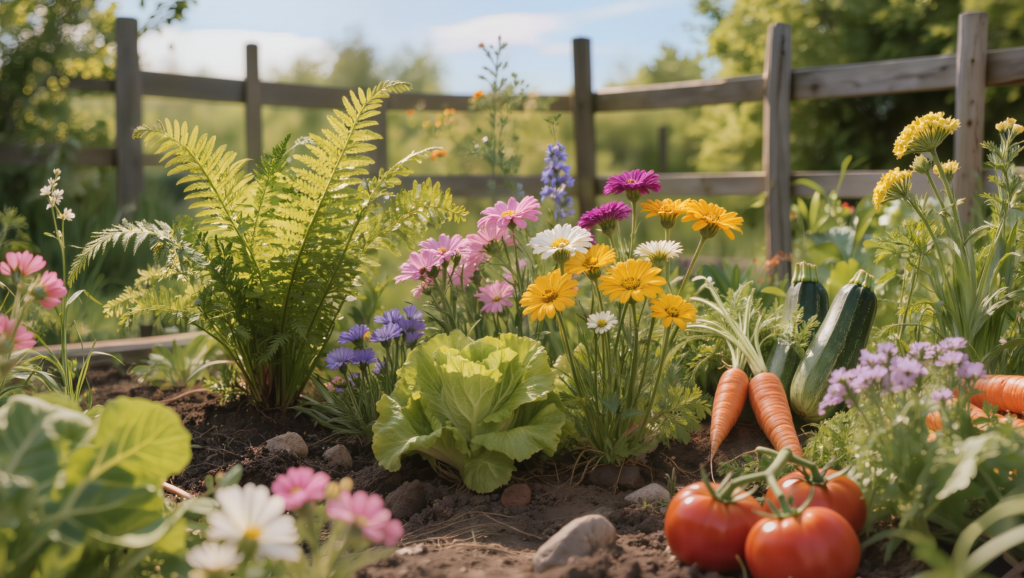












Chaos gardening is taking over because it offers something a lot of people secretly want from gardening: less pressure, more biodiversity, and a lot less perfectionism. Instead of forcing plants into neat rows and polished borders, this trend invites you to scatter seeds, step back, and let the garden become what it wants to be.
That shift sounds small, but it is actually pretty radical. Chaos gardening is not just a casual planting style; it is a cultural reaction against control, burnout, lawn obsession, and the idea that a “real” garden has to look tidy enough for a magazine cover.
What Is Chaos Gardening
Chaos gardening is a loose, low-stress method where gardeners mix seeds, scatter them over soil, and let nature sort out the layout. It’s a style that celebrates spontaneity, biodiversity, and surprise rather than rigid spacing and formal planning. Some also call it a carefree or haphazard approach that tosses traditional garden rules aside.
The basic idea is simple:
- Collect mixed seeds or leftover packets.
- Scatter them in a bed, yard, or container.
- Water and wait.
- See what survives, competes, blooms, and fills in.
That makes it especially appealing to beginners, busy people, and anyone who has killed one too many “perfect” plants while trying to be too precise.
Why The Chaos gardening Trend Took Off
Chaos gardening fits the mood of the moment. The trend exploded on TikTok as a rejection of perfectionism and a kind of gentle rebellion against an increasingly digital, hyper-curated world. For many people, it is about taking the stress out of gardening and putting the fun back in.
There is also a practical side to the trend. Chaos gardening is easy to start, requires minimal knowledge, and often uses inexpensive or leftover seed packets. For people who want a garden but feel overwhelmed by planning, that matters a lot.
In a world where everything else feels optimized, measured, and heavily managed, chaos gardening says: just plant the thing and see what happens.
The Anti-Perfection Argument
At its core, chaos gardening is a protest against the idea that beauty has to equal control. It’s an act of rebellion against thirsty, manicured lawns and overly landscaped environments, it also sort of seen as a rejection of rigid garden standards. That is a big deal because gardening has long been associated with order, symmetry, and visible labor.
Chaos gardening flips that script. It says a garden does not need to be symmetrical to be successful. It does not need uniform rows to be useful. It does not need to look “finished” to support life.
That is why so many people connect with it emotionally. It gives permission to let go of the idea that every patch of soil must be managed into submission.
Why Chaos Gardening Feels Good In Practice
There is something psychologically soothing about chaos gardening. The trend resonates with users dealing with stress, burnout, and the desire to “touch grass” in a very literal way. That makes sense: when you stop obsessing over layout, gardening becomes less about performance and more about participation.
Many gardeners report that the low-stakes nature of chaos planting makes the whole process feel more playful. The appeal lies in its simplicity and experimental spirit, especially for people who are new to gardening or short on time. It is attractive to people who are tired of planning or who have not gardened before because it lowers the barrier to entry.
In other words, chaos gardening works because it gives people a way to succeed without needing to become garden experts first.
Biodiversity Is The Big Win
This trend is not just about aesthetics. One of the strongest arguments for chaos gardening is ecological. The point is not laziness, but creating resilient ecosystem powerhouses that mimic nature’s unpredictability. Some esperts highlight biodiversity as one of the core values of the method.
Mixed planting can support:
- Pollinators.
- Beneficial insects.
- Soil health.
- Natural pest balance.
- Resilience when some plants fail and others thrive.
A chaotic bed is often more biologically interesting than a monoculture lawn or a rigid row garden. Different root structures can help improve soil structure, while a mix of flowering plants can keep pollinators coming through the season.
That is why some gardeners see chaos gardening not as sloppy, but as closer to how ecosystems naturally behave.
Soil Health And Natural Resilience
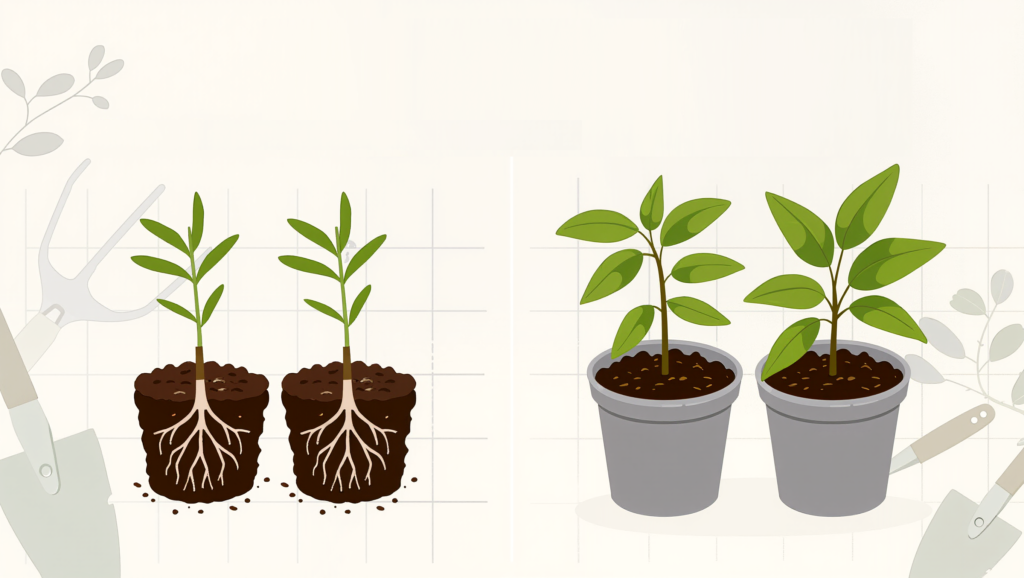
One interesting argument in favor of chaos gardening is that it can make gardens more resilient. Mixed root systems and nutritional needs may help improve soil health and promote more efficient use of the soil. Dense planting can suppress weeds, retain moisture, and support beneficial microbial activity in the soil.
That means chaos gardening can actually be useful for:
- Moisture retention.
- Weed suppression.
- Soil fertility.
- Root diversity.
- Microbial activity
So while the aesthetic looks wild, the biology may be quietly doing a lot of smart work underneath.
The Hidden Downsides Of Chaos Gardening
Chaos gardening is not perfect, and the most obvious risk is unpredictability. Results can vary widely, from a surprising assortment of plants to a patch of disappointment. If you scatter incompatible seeds together, some will win, some will disappear, and some may not germinate at all.
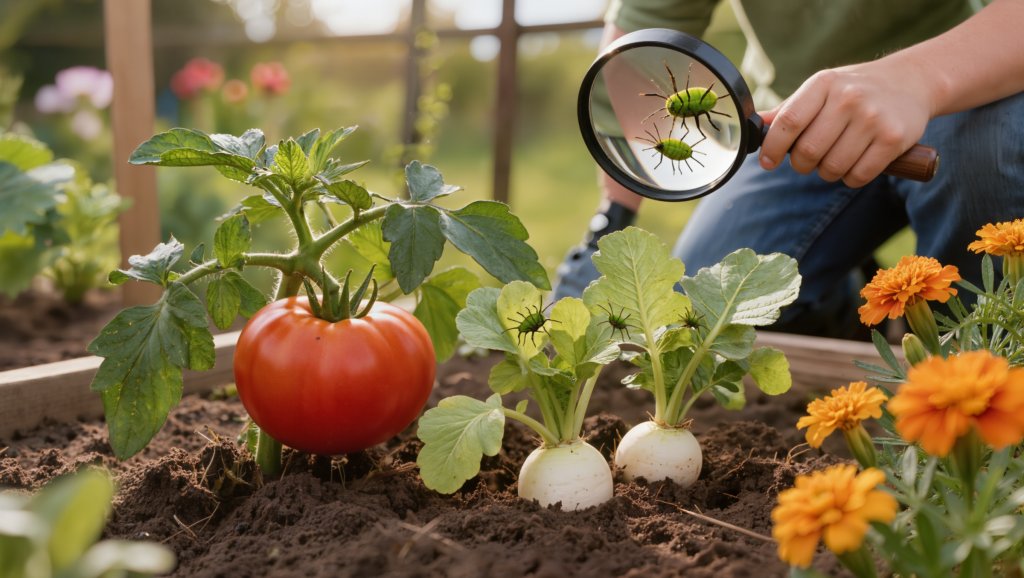
There is also the weed problem. In a mixed, messy garden, it can be harder to spot weeds early. In a neat row garden, weeds stand out. In a chaos garden, they can blend right in.
Other potential issues include:
- Poor spacing for large plants.
- Uneven sunlight competition.
- Harder harvesting.
- Harder pest monitoring.
- Lower yields if you wanted a serious food crop.
So chaos gardening is great for experimenters, but it is not always the best choice if you need maximum productivity from every square foot.
It Is More Philosophy Than Technique
One reason the trend keeps spreading is that it is bigger than the planting method itself. Chaos gardening as a philosophy — a way to embrace unpredictability and enjoy the natural evolution of the garden. That is an important distinction because it explains why people are drawn to it even when they know it is messy.
It is not just “plant stuff randomly.” It is a way of saying:
- Not everything needs to be optimized.
- Beauty can be unplanned.
- Nature can make design choices.
- Imperfection can be productive.
That makes chaos gardening feel culturally relevant, not just horticulturally useful.
How Chaos Gardening Redefines The “Perfect” Garden
Traditional gardening often treats the perfect garden as orderly, uniform, and highly maintained. Chaos gardening suggests a different standard: the perfect garden is one that is alive, resilient, varied, and enjoyable to tend.
That reframing is powerful. It moves the focus away from appearance and toward function:
- Does it support insects?
- Does it hold moisture well?
- Does it bring joy?
- Does it reduce stress?
- Does it grow in a way that works for your life?
That is why the trend feels like a rebellion. It challenges the lawn-and-order mindset that has dominated suburban aesthetics for decades.
How To Smartly Start A Chaos Garden
Even the most carefree version of this method benefits from a little planning. It is advised to make a loose plan before tossing seeds, rather than going fully random with no thought at all. That keeps chaos gardening from becoming plain neglect.
A smart beginner approach:
- Choose a sunny patch.
- Use seeds with similar light and water needs.
- Mix flowers with herbs or easy annuals.
- Avoid planting aggressive species together.
- Start small and learn from the outcome.
That way, you still get the looseness and creativity, without turning the whole thing into a botanical gamble.
Bottom Line
Chaos gardening is taking over because it offers a refreshing alternative to the pressure of perfect-looking gardens. It is easy, low-cost, visually surprising, and surprisingly good for biodiversity and soil health.
More importantly, it is redefining what a “perfect” garden looks like. Instead of neat rows and manicured control, chaos gardening celebrates resilience, spontaneity, and living systems that are allowed to be a little wild. That is why the gardening rebellion is resonating so strongly: in a very controlled world, a messy garden can feel like freedom.