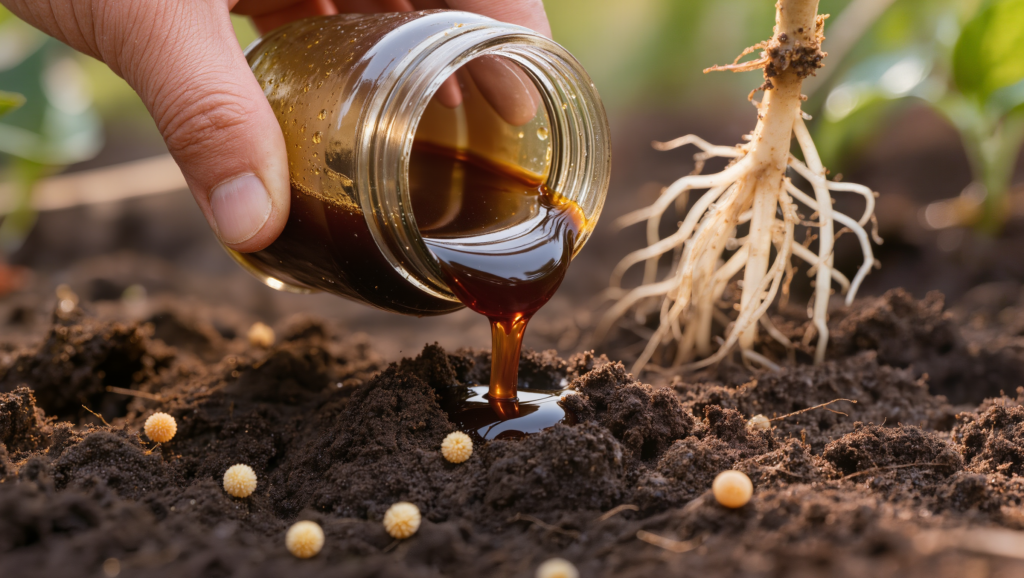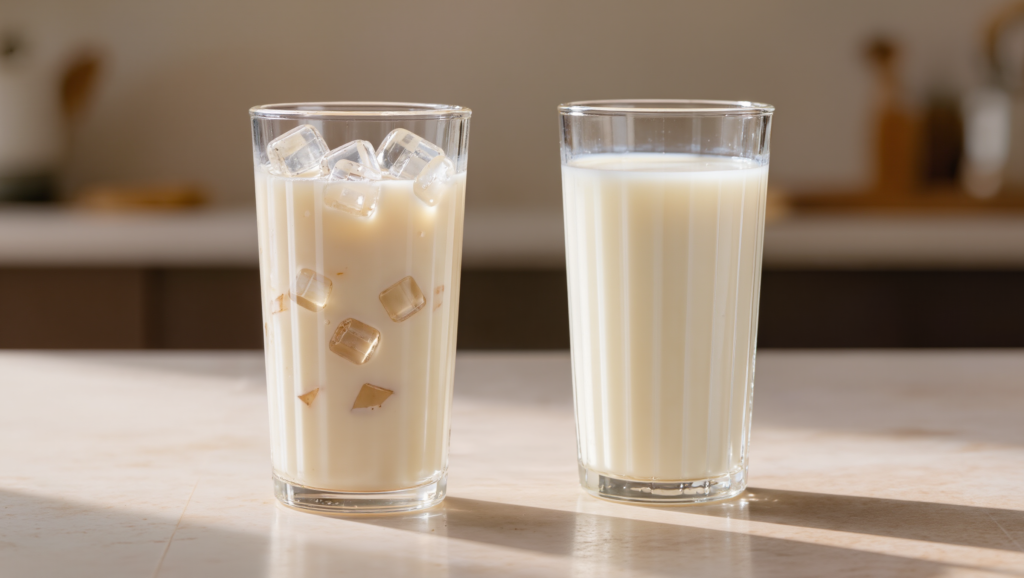












Plant-based milk is often marketed as a simple, dairy-free alternative, but not all varieties are chemically identical. Soy milk, in particular, contains naturally occurring phytoestrogens called isoflavones, while some other plant-based drinks may contain smaller amounts of hormone-like plant compounds from ingredients such as flaxseed, sesame, oats, or legumes.
The word “phytoestrogen” can sound alarming because it contains the word estrogen. But plant phytoestrogens are not the same as human estrogen, and their effects are generally much weaker and more selective. The real story is more nuanced: these compounds can interact with estrogen receptors, but whether that is helpful, neutral, or potentially problematic depends on the type of plant milk, the amount consumed, a person’s age, health status, gut microbiome, and overall diet.
What Are Phytoestrogens
Phytoestrogens are naturally occurring compounds made by plants. They are not synthetic hormones added to food, and soy milk does not contain human estrogen. Instead, soybeans contain isoflavones such as genistein, daidzein, and glycitein, which have molecular structures somewhat similar to estradiol, the body’s primary form of estrogen.
That structural similarity allows them to interact with estrogen receptors. However, phytoestrogens generally bind less strongly than human estrogen and can produce different effects in different tissues.
This is why scientists sometimes describe soy isoflavones as having selective estrogen receptor modulator-like behavior. In certain tissues, they may produce a mild estrogen-like effect; in others, they may compete with stronger endogenous estrogen and act more like a partial blocker.
So, “plant estrogen” is a convenient label, but it is not a complete explanation of what happens inside the body.
Which Plant-based Milks Contain Phytoestrogens?
Soy milk is the main plant-based milk associated with phytoestrogens. Soybeans are unusually rich in isoflavones, and those compounds can pass into soy beverages during processing.
Other plant foods also contain phytoestrogen families:
- Flaxseed is rich in lignans.
- Sesame contains lignans and related compounds.
- Legumes can contain various phytoestrogens.
- Some grains contain smaller amounts of lignans.
- Peas and other beans may contribute additional plant estrogen-like compounds.
That means a flax-based or mixed-seed beverage may contain phytoestrogenic compounds too, although the quantity and type may differ significantly from soy milk. Almond milk and coconut milk are not generally known for the same high isoflavone content as soy milk, but their nutritional profiles depend heavily on the ingredients and processing methods used.
The label matters. A drink made mostly from water and a small amount of nuts may contain little of the nutrients found in whole nuts. A fortified soy beverage, by contrast, may provide meaningful protein, calcium, vitamin D, and isoflavones.
Why Soy Milk Gets Most Of The Attention
Soy milk is nutritionally different from many other plant milks because it can provide a relatively substantial amount of protein. A review of soy-derived beverages describes soy milk as a nutrient-containing product and highlights its proteins, fats, and isoflavones.
Many almond, rice, oat, and coconut drinks contain much less protein per serving unless they are specifically formulated to provide more. That means soy milk can be a useful replacement for dairy when someone wants a plant-based beverage that contributes more protein to the diet.
At the same time, soy’s isoflavone content is exactly what creates confusion. People may see the term phytoestrogen and worry that daily soy milk will raise estrogen levels, cause feminizing effects, or increase cancer risk. Current human evidence does not support such a simple conclusion.
Do Phytoestrogens Raise Human Estrogen Levels?
A major review of soy-derived beverages reports that clinical evidence does not show clear effects of soy or isoflavone intake on estradiol, estrone, sex hormone-binding globulin, follicle-stimulating hormone, or luteinizing hormone in premenopausal and postmenopausal women.
That is important because it challenges the idea that drinking soy milk automatically increases circulating estrogen in the same way hormone therapy does. Soy isoflavones may interact with receptors, but that does not mean they significantly increase the body’s own estrogen concentration.
Research also does not support the popular claim that normal soy consumption lowers testosterone in men. Reviews of clinical trials have generally found no meaningful changes in testosterone or related hormone measures from soy protein or isoflavone intake.
The practical takeaway is that ordinary servings of soy milk are not equivalent to taking estrogen medication.
Potential Benefits Of Phytoestrogens For Women
Phytoestrogens have been studied extensively in relation to menopause. Some research suggests that soy isoflavones may modestly reduce hot flashes for certain women, although responses vary.
Possible benefits being investigated include:
- Fewer or less intense menopausal hot flashes.
- Support for bone health.
- Potential cardiovascular benefits.
- Possible effects on cholesterol and metabolic health.
- Lower risk of some hormone-related cancers in certain populations.
The evidence is not a license to treat menopause or cancer with soy milk alone. But it does show why phytoestrogens should not automatically be classified as harmful. Their receptor activity may sometimes be beneficial, especially when they are consumed as part of a whole-food dietary pattern.
Cancer Concerns Of Phytoestrogens: What The Evidence Really Says
Cancer is one of the biggest reasons people avoid soy. Early laboratory and animal studies raised concerns because genistein and other isoflavones can activate estrogen receptors under experimental conditions.
However, laboratory concentrations and animal exposures do not always reflect ordinary human food consumption. A 2025 review concludes that robust human data do not support classifying soy isoflavones as harmful endocrine disruptors for the general population.
Another review of soy health research notes that soyfoods have been investigated for their potential role in chronic disease prevention and that isoflavones may be associated with protective effects against some cancers. Research has also examined soy intake in relation to breast-cancer recurrence and survival, with some studies suggesting benefits rather than harm, although individual medical circumstances matter.
The safest interpretation is this: normal servings of traditional soy foods, including tofu, tempeh, edamame, and soy milk, are generally considered compatible with a healthy diet for most people. Concentrated supplements are a different question, especially for people with hormone-sensitive conditions or complex treatment plans.
What About Breast Cancer?
People with a personal history of breast cancer often receive conflicting advice about soy. Some sources recommend caution because isoflavones can interact with estrogen receptors, while other reviews suggest that whole soy foods may be safe and potentially beneficial.
The difference may come down to food versus supplement. A glass of soy milk contains a relatively modest amount of naturally occurring isoflavones within a food matrix. A concentrated isoflavone supplement can provide a different dose and exposure pattern.
Anyone with current or previous hormone-sensitive cancer should discuss soy intake and supplements with an oncologist rather than relying on internet warnings or wellness marketing. The question is not simply “Does soy contain phytoestrogens?” It does. The more useful questions are how much, in what form, and alongside which medical treatment.
Phytoestrogens And Children
Soy-based infant formula deserves separate consideration from ordinary adult soy milk. Infants who consume soy formula exclusively may have much higher circulating isoflavone exposure relative to body size than vegetarian adults.
That does not automatically mean soy formula is unsafe. It does mean infants represent a developmentally sensitive population, and feeding decisions should follow pediatric guidance rather than social-media claims. The evidence and risk assessment for an infant consuming formula are not interchangeable with those for an adult drinking a cup of soy milk.
Children also have different nutritional needs, so plant-based beverages should not be treated as universal substitutes for breast milk, formula, or nutritionally appropriate cow’s milk without professional advice.
How Processing Changes Phytoestrogen Content
The amount and form of phytoestrogens in plant-based milk can vary depending on the crop, processing method, fermentation, and filtration.
With soy beverages, soaking, grinding, heating, and filtering can change the concentration and bioavailability of isoflavones. Fermented soy foods such as tempeh may also provide a different chemical profile from unfermented soy milk.
This is one reason it is difficult to make a universal statement such as “soy milk has exactly this effect.” Different brands may use different amounts of soybeans, and added ingredients can change the overall nutritional picture.
Check the label for:
- Protein per serving.
- Calcium and vitamin D fortification.
- Added sugar.
- Total ingredients.
- Whether the product is made from soy, oats, almonds, peas, flax, or a blend.
- Allergens and cross-contact warnings.
From a health perspective, an unsweetened, fortified soy beverage may be more nutritionally useful than a sweetened drink with minimal protein.
Can Phytoestrogens Disrupt The Thyroid?
Soy isoflavones have also been discussed in relation to thyroid function. The main concern is usually more relevant to people with existing thyroid disease, iodine deficiency, or thyroid medication use than to healthy people consuming ordinary amounts of soy.
Soy foods may interfere with the absorption of levothyroxine if consumed too close to the medication. That does not necessarily mean soy must be eliminated, but timing should be discussed with a healthcare professional. People taking thyroid medication often need consistent spacing between the medicine and high-fiber or soy-containing meals.
Again, context matters. A food that is harmless for one person may require planning for another.
Are Phytoestrogens Endocrine Disruptors?
The term “endocrine disruptor” is often used broadly online. Technically, it refers to an external substance that can interfere with hormone systems. Some phytoestrogens can interact with hormone receptors, so they have endocrine activity in a biological sense.
But biological activity does not automatically mean harmful disruption. Hormone effects depend on dose, timing, tissue, metabolism, and whether the compound activates or blocks a receptor. The 2025 review argues that human evidence does not support treating ordinary soy isoflavone exposure as inherently harmful.
This is a useful distinction. “Can interact with a receptor” is not the same as “will damage your hormones.”
How To Include Plant-Based Milk Sensibly
For most healthy adults, plant-based milk can fit into a balanced diet. Choose according to your nutritional needs rather than fear of one ingredient.
Soy milk may be a good choice if you want:
- More plant protein.
- A dairy-free beverage.
- Calcium and vitamin D fortification.
- A food that has been studied for its isoflavones.
Oat milk may be appealing for taste and texture, although many versions contain less protein and more carbohydrate. Almond milk can be low in calories but may provide little protein unless fortified or blended with other ingredients. Pea-based drinks often offer more protein without the same soy isoflavone profile.
No single option is automatically best. Compare the label, consider allergies and medical conditions, and choose an unsweetened version when possible.
Bottom line
Some plant-based milks contain phytoestrogens because they are made from plants that naturally produce hormone-like compounds. Soy milk is the clearest example, supplying isoflavones such as genistein and daidzein; flax, sesame, legumes, and some grains can contribute other phytoestrogen families.
These compounds can interact with estrogen receptors, but they are not the same as human estrogen, and current human evidence does not show that ordinary soy consumption generally disrupts hormone levels or harms health.
For most people, an unsweetened, fortified plant-based milk can be part of a nutritious diet. The bigger concerns are concentrated supplements, added sugar, poor nutritional composition, allergies, medication interactions, and special situations such as infancy, thyroid treatment, or hormone-sensitive disease. The smart approach is not to panic about the word “phytoestrogen”; it is to understand the food, read the label, and match the choice to your own health needs.
Source:
- https://pmc.ncbi.nlm.nih.gov/articles/PMC4270274/
- https://pmc.ncbi.nlm.nih.gov/articles/PMC10379384/
- https://pmc.ncbi.nlm.nih.gov/articles/PMC3074428/
- https://pmc.ncbi.nlm.nih.gov/articles/PMC12303811/
- https://pmc.ncbi.nlm.nih.gov/articles/PMC5188409/
- https://pmc.ncbi.nlm.nih.gov/articles/PMC8712417/