











If you have been looking for a natural way to support steadier blood sugar, you may have come across prickly pear cactus—also called nopal or Opuntia ficus-indica. It is the green, paddle-shaped cactus pad often eaten in Mexican cuisine, and it has become popular in wellness circles for its potential to blunt post-meal glucose spikes.
But here is the catch: the evidence is strongest for the cactus pads (cladodes), not necessarily the sweet, colorful cactus fruit. Nopal pads may help slow glucose absorption after a carbohydrate-rich meal, while prickly pear fruit alone has not shown consistent blood-sugar benefits in human studies.
So, can a cactus really “stabilize” blood sugar? It may help support better post-meal glucose control, but it is not a replacement for diabetes medication, a balanced diet, exercise, or medical care.
What is prickly pear?
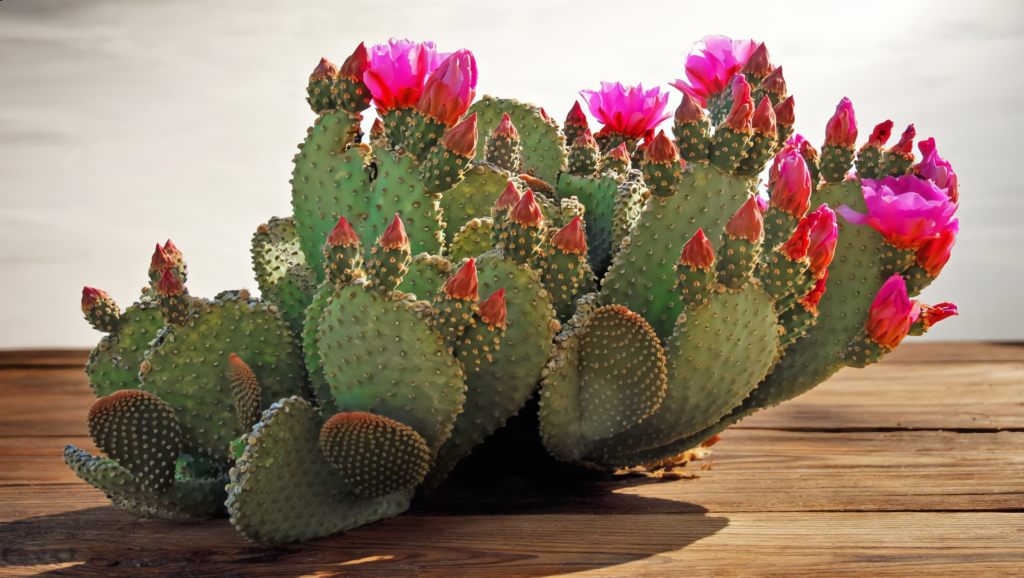
Prickly pear refers to several species of cactus in the Opuntia genus. The plant has two edible parts:
- Nopal pads (cladodes): The flat, green, paddle-like stems.
- Prickly pear fruit: The sweet, often red, purple, or yellow fruit that grows from the pads.
In traditional Mexican cooking, nopal pads are commonly grilled, sautéed, added to eggs, salads, tacos, or soups. They have a mild, slightly tangy flavor and a texture similar to green beans or okra.
The fruit is sweeter and more commonly consumed as juice, jam, or fresh fruit.
Why nopal may affect blood sugar
Nopal is rich in soluble fiber, pectin, and mucilage—plant compounds that can slow digestion and alter how glucose enters the bloodstream.
1. Slower glucose absorption
Soluble fiber forms a gel-like substance in the gut. This can:
- Slow stomach emptying.
- Slow the movement of glucose into the small intestine.
- Reduce how quickly glucose enters the bloodstream.
The result may be a smaller, more gradual rise in blood sugar rather than a sharp spike.
2. Reduced carbohydrate digestion
Nopal extracts have been shown in laboratory and animal studies to inhibit alpha-glucosidase, an enzyme that breaks complex carbohydrates into simple sugars.
This may delay the release of glucose from starchy foods, though human evidence for this exact mechanism is still developing.
3. Improved insulin sensitivity
Some research suggests nopal may support insulin sensitivity, meaning your cells may respond more effectively to insulin.
This could help explain why some studies find lower insulin levels alongside lower glucose levels after nopal consumption.
What the research says: nopal pads vs. fruit
This is where things get interesting. The evidence for prickly pear is not one-size-fits-all.
Nopal pads: more promising
A 2019 systematic review of Opuntia products found that:
- Cladodes (nopal pads) and some combined pad-and-fruit products often reduced serum glucose and insulin.
- Prickly pear fruit alone generally did not show significant effects on glucose or insulin.
A 2022 review of prickly pear cladodes reported that several studies found acute reductions in blood glucose 120–180 minutes after intake, with reductions ranging from about 23 to 25 mg/dL in some studies.
Prickly pear fruit: less consistent
The fruit itself is nutritious, but it may not have the same glucose-lowering effect as the pads.
A systematic review of Opuntia ficus-indica fruit found some promising animal and preliminary human results, but the overall evidence remains limited and inconsistent.
This is why it is important not to assume that drinking prickly pear juice or eating the fruit will automatically lower blood sugar.
What human studies show
The human evidence is promising but still limited.
Acute studies
Several small studies have found that nopal can reduce post-meal glucose:
- In one study, people with type 2 diabetes who ate broiled nopal had significant glucose reductions at 60, 120, and 180 minutes.
- Another study found that nopal added to a high-carbohydrate breakfast reduced glucose area under the curve.
- A study using nopal with a high-soy-protein breakfast found lower glucose and insulin responses.
Longer-term studies
The evidence for long-term benefits is less clear:
- One study using a proprietary nopal extract found improved glucose responses during an oral glucose tolerance test, but no change in HbA1c, insulin, weight, or inflammation markers.
- Some longer studies found no significant difference compared with placebo.
This suggests nopal may be more useful for acute post-meal glucose control than for long-term HbA1c reduction—at least based on current evidence.
How to use nopal for blood sugar support
If you want to try nopal, food is usually the best place to start.
1. Eat the pads, not just the fruit
- Look for fresh or frozen nopal pads.
- Grill, sauté, or add them to eggs, salads, soups, or tacos.
2. Pair it with carbohydrates
- Nopal may be most useful when eaten alongside a carb-containing meal.
- For example, add nopal to a breakfast with beans, eggs, and a small portion of tortilla or whole-grain toast.
3. Start with a small amount
- Begin with about half a cup cooked nopal and see how your body responds.
- Increase gradually if tolerated.
4. Avoid relying on juice or supplements
- Prickly pear juice may contain sugar and may not provide the same fiber-related benefit as whole pads.
- Supplements vary widely in dose, quality, and preparation.
5. Monitor your glucose
- If you use a glucose meter or continuous glucose monitor, track your response after meals.
- This can help you see whether nopal actually helps you personally.
Safety and side effects
Nopal is generally safe as a food, but there are a few things to keep in mind.
1. Digestive effects
- The fiber and mucilage can cause bloating, gas, or diarrhea in some people.
- Start with a small amount and increase gradually.
2. Medication interactions
- Because nopal may lower blood sugar, it could theoretically enhance the effect of diabetes medications.
- If you take insulin, metformin, sulfonylureas, or other glucose-lowering drugs, talk to your clinician before using concentrated nopal supplements.
3. Pregnancy and breastfeeding
- There is limited research on high-dose nopal supplements during pregnancy or breastfeeding.
- Whole nopal as a food is generally considered safer than concentrated extracts, but it is still wise to ask a healthcare provider.
4. Supplement quality
- Not all nopal supplements are the same.
- Look for products that specify the part of the plant used, the dose, and third-party testing.
The bigger picture: food first, supplements second
Nopal is a good example of why whole foods often outperform isolated supplements. The fiber, water content, and matrix of nutrients in nopal pads may work together in ways that a juice or capsule cannot fully replicate.
For blood sugar management, the most effective approach is still:
- A balanced diet rich in fiber, protein, and healthy fats.
- Regular physical activity.
- Adequate sleep.
- Consistent medication use if prescribed.
- Regular glucose monitoring when appropriate.
Nopal can be a helpful addition to this foundation, but it is not a substitute for it.
Bottom line
Can prickly pear cactus stabilize blood sugar? It may help support steadier post-meal glucose—especially when you eat the nopal pads—but the evidence is still limited and inconsistent.
Key takeaways:
- Nopal pads (cladodes) show more promise than prickly pear fruit for glucose control.
- Fiber and mucilage may slow glucose absorption and reduce post-meal spikes.
- Human studies are small and mixed, especially for long-term outcomes like HbA1c.
- Whole nopal as food is likely a better starting point than juice or supplements.
- It is not a replacement for medical care or diabetes medication.
If you enjoy nopal, adding it to your meals is a low-risk way to increase fiber and variety in your diet. But if you have diabetes or prediabetes, treat it as one tool among many—not a magic fix.