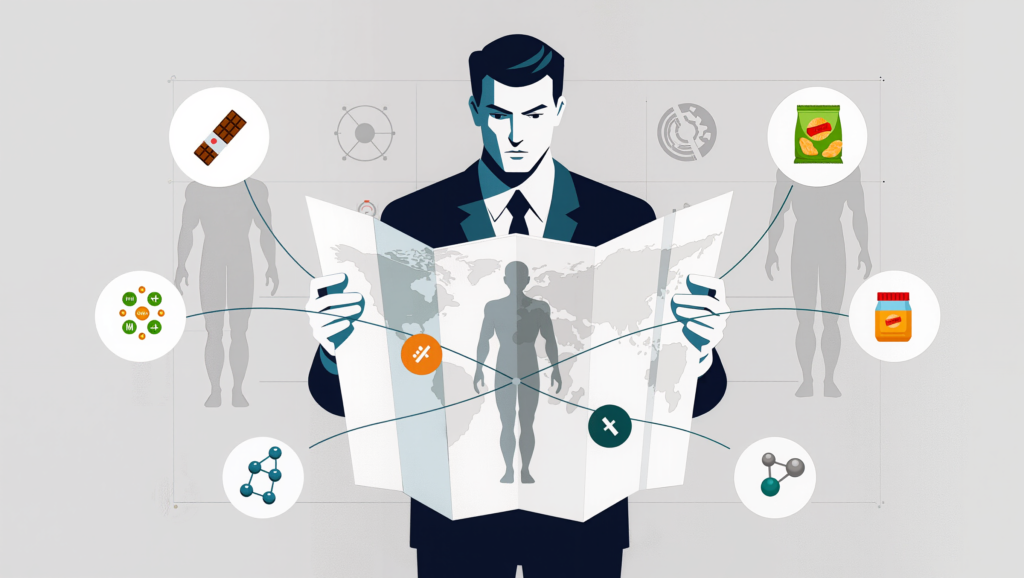












Your cravings are not random. They are part of your body’s biological code, a set of signals that can tell you a lot about what is going on under the hood. Sometimes they are emotional or habitual, but other times they point to real nutrient gaps, imbalances, or stress that your body is trying to correct.
If you learn to read those signals like a detective, you can start to uncover nutrient deficiencies before they turn into bigger problems. That does not mean every chocolate craving is a diagnosis, but it does mean your cravings can be a useful clue when you pay attention to patterns.
Why Monitoring Cravings Matter More Than People Think
Food cravings are often dismissed as weak willpower or emotional eating, but they can also be your body’s way of trying to get something it needs. Health experts say that food cravings may occasionally be signs of nutrient inadequacies, and that the body naturally seeks meals that are high in a particular nutrient when it is deficient in that nutrient.
That is the core idea behind “cracking your body’s biological code”: your brain and body are constantly monitoring your internal state, and when something is off, they send you signals. Sometimes those signals show up as specific food urges.
The tricky part is that cravings are not always straightforward. Research shows that many cravings are influenced by stress, sleep, hormones, and habits, not just nutrient levels. But some patterns are strong enough that they can be useful clues if you know how to interpret them.
The Detective Mindset: Patterns Over Single Cravings
The first rule of being your own diet detective is to look for patterns, not one-off cravings. A single urge for chocolate is not a diagnosis. A recurring, intense craving for chocolate alongside fatigue, muscle cramps, or poor sleep is more meaningful.
Pay attention to:
- How often the craving shows up.
- What time of day it appears.
- What else you are feeling (tired, stressed, irritable, foggy).
- What your overall diet looks like.
- Whether the craving eases when you change your nutrition or sleep.
That pattern-based approach is how you start to turn vague urges into actionable clues.
Common Cravings And What They Might Mean
Chocolate Cravings
Chocolate is one of the most talked-about cravings in the deficiency conversation. Many sources link restless or intense chocolate cravings to magnesium deficiency, and some also mention possible links to copper, B vitamins, and essential fatty acids.
One expert says a restless craving for chocolate is often a sign of magnesium deficiency, and that cravings for nuts and beans can also indicate low magnesium. Another source notes that chocolate bars, especially dark chocolate, contain magnesium and iron, and that craving chocolate could relate to either deficiency.
If chocolate is your go-to, ask yourself:
- Do you also have muscle twitches, cramps, or fatigue?
- Do you feel anxious, irritable, or have poor sleep?
- Are you eating very few nuts, seeds, legumes, or leafy greens?
If yes, magnesium-rich foods like nuts, seeds, legumes, and leafy greens may be a smarter response than candy bars.
Sugar And Sweet Cravings
Constant sugar cravings are often tied to blood sugar instability and certain mineral and vitamin gaps. Sources link sugar cravings to deficiencies in chromium, magnesium, and B vitamins, all of which play roles in stabilizing blood sugar and energy.
A deficiency in chromium can disrupt your blood sugar balance, leading to low energy and subsequent sweet cravings, and cravings during tension or moodiness may stem from B vitamin deficiency. Sugar cravings can stem from various deficiencies, including chromium, phosphorus, sulfur, and tryptophan.
Ask yourself:
- Do you get shaky, irritable, or foggy between meals?
- Do you rely on refined carbs and sugary snacks for quick energy?
- Are you eating very few whole grains, legumes, nuts, or protein-rich foods?
If so, focusing on protein, fiber, and minerals like chromium and magnesium may help steady your blood sugar and reduce cravings over time.
Salty Cravings
Craving salty snacks like chips or fries is often linked to electrolyte imbalances, especially sodium, but also potassium and sometimes adrenal fatigue. Craving salty foods may indicate a sodium deficiency, while another says salt cravings can also relate to dehydration and electrolyte loss.
Some experts also link salt cravings to omega-3 and selenium deficiency, especially when combined with fatigue or low mood.
Questions to consider:
- Are you sweating a lot, exercising heavily, or under chronic stress?
- Do you drink a lot of water but not enough electrolytes?
- Are you eating very few whole foods and mostly processed foods?
If you are dehydrated or low on electrolytes, adding mineral-rich foods, adequate salt, and enough fluids may help more than just grabbing more chips.
Carb And Bread Cravings
Craving bread, pasta, or other refined carbs can be a sign of several things: blood sugar swings, poor sleep, and sometimes specific nutrient gaps. Craving carbohydrates like bread and pasta may indicate a nitrogen deficiency, while another links carb cravings to poor sleep and a need for quick energy.
Another source says craving bread and toast is because of an insufficient amount of nitrogen, and that processed grain cravings may be a symptom of folate deficiency.
If you are constantly reaching for carbs:
- Are you sleeping poorly or under high stress?
- Are you skipping protein at meals?
- Are you eating very few legumes, nuts, seeds, or leafy greens?
Improving sleep, protein intake, and overall meal balance often reduces carb cravings more effectively than trying to white-knuckle through them.
Ice And Non-Food Cravings
Craving ice, dirt, or other non-food items is one of the most specific deficiency signals. Constantly chewing or craving ice is strongly linked to iron deficiency anemia, and the intense urge to eat earthy, non-edible substances is known as pica, which is most often associated with iron, zinc, or calcium deficiencies.
Craving ice, called pagophagia, is often related to low iron, with or without anemia, and that pica is usually linked with iron deficiency. Boosting iron through foods like spinach, lentils, or red meat and pairing them with vitamin C for better absorption can often reduce the craving.
If you are craving ice or non-food items:
- Do you feel unusually tired, pale, or short of breath?
- Do you have heavy periods, low dietary iron, or digestive issues?
- Are you pregnant or recently postpartum?
This is a red flag worth discussing with a clinician, because iron deficiency can be serious if left untreated.
Red Meat And Protein Cravings
An intense desire for red meat can often signal a deficiency in iron, zinc, or vitamin B12, all of which are abundant in red meat. People with constant craving for red meat may be iron deficient, and another says vitamin B12 deficiency can show up as anemia, low energy, and craving for meat.
If you are suddenly craving steak or burgers:
- Are you vegetarian or vegan without careful B12 and iron planning?
- Do you have low energy, brain fog, or frequent illness?
- Are your periods heavy or your diet low in protein and minerals?
In these cases, addressing iron, zinc, and B12 through diet or supplements can help reduce the craving and improve energy.
Dairy And Calcium-linked Cravings
Craving cheese, milk, or other dairy products can sometimes point to calcium or iron gaps. If you feel like eating cheese, tofu, or other dairy products, your iron or calcium levels might be low. People who crave dairy products such as cheese might not be consuming enough calcium.
Some experts also link cravings for sodas and carbonated beverages to calcium and magnesium deficiency.
If dairy is your craving:
- Are you getting enough calcium-rich foods like leafy greens, sesame, or fortified foods?
- Are you under high stress or drinking a lot of sodas?
- Do you have signs of low iron or low energy?
Fatty Food And Omega-3 Cravings
Craving fatty foods and carbohydrates together can sometimes reflect an omega-3 deficiency, especially when combined with mood swings, brain fog, or low mood. A person with omega-3 deficiency has cravings for sweet, cheese, fatty foods, and carbohydrates, and may suffer from occasional episodes of poor mood and brain fog.
If you are always reaching for fatty, creamy, or fried foods:
- Are you eating very few fish, nuts, seeds, or omega-3-rich plant foods?
- Do you struggle with mood, focus, or dry skin?
- Is your diet very low in healthy fats overall?
Adding omega-3-rich foods like fatty fish, flax, chia, and walnuts can help address this type of craving over time.
The Limits Of The Craving Code
It is important to be honest about the limits here. Many cravings are driven by stress, sleep loss, hormones, and habits, not just nutrient levels. Research shows that cravings are commonly caused by emotional and environmental factors, and that not every urge maps neatly onto a deficiency.
Some cravings, like those for non-food items, are strongly linked to specific deficiencies such as iron. Others, like general sugar or carb cravings, are more likely to reflect blood sugar swings, poor sleep, or stress than a single missing vitamin.
That is why cravings are clues, not diagnoses. They are best used as part of a bigger picture that includes your diet, sleep, stress, and overall health.
How To Be Your Own Diet Detective
To crack your body’s biological code, start treating cravings as data:
- Track what you crave, when, and what else is going on.
- Look for patterns over days and weeks.
- Check your overall diet quality and meal timing.
- Consider sleep, stress, and activity levels.
- Use food-first fixes before jumping to supplements.
If a craving pattern persists, or if you have symptoms like fatigue, hair loss, brain fog, or frequent illness, it is worth discussing with a clinician and possibly checking labs for iron, B12, magnesium, and other key nutrients.
Bottom line
Your cravings are part of your body’s biological code, a set of signals that can help you uncover nutrient deficiencies if you know how to read them.
Chocolate may point to magnesium, sugar to chromium and B vitamins, salt to electrolytes, ice to iron, red meat to iron and B12, and fatty foods to omega-3s, but the key is to look for patterns, not single urges.
By becoming your own diet detective, you can turn cravings from guilt triggers into useful clues that help you fine-tune your nutrition and support long-term health.
Sources: