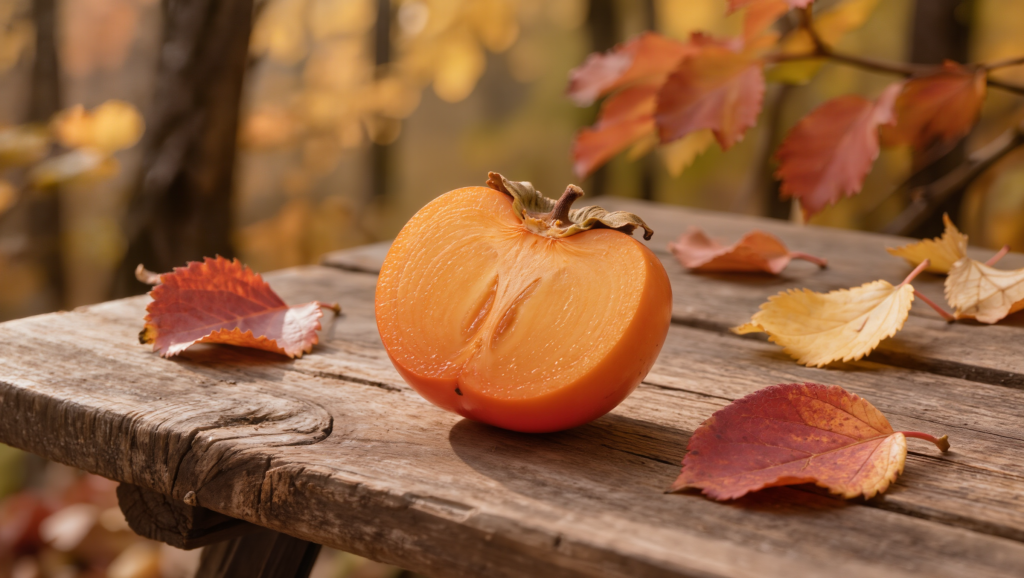












Persimmon is the kind of fruit that makes autumn feel a little more glamorous. It is sweet, colorful, packed with antioxidants, and—based on both traditional use and modern nutrition science—surprisingly interesting for gut health, skin glow, and overall metabolic support.
The “detox” claim needs a little reality check, though: persimmon does not magically flush toxins from your body. What it can do is support digestion, provide fiber and vitamin C, and deliver tannins and carotenoids that help fight oxidative stress, which is the more science-backed reason it gets linked to clearer skin and healthier aging.
Why Persimmon Gets So Much Attention
Persimmon (Diospyros kaki) is a classic East Asian seasonal fruit, especially popular in Japan, where it is closely associated with autumn harvests. Nutritionally, it is a bright little package of water, carbohydrates, fiber, vitamin C, vitamin A precursors, potassium, and a range of phytochemicals.
The reason it keeps showing up in health conversations is simple: persimmon is not just sweet fruit sugar. It also contains tannins, flavonoids, carotenoids, and other bioactive compounds that have antioxidant and anti-inflammatory properties. That combination makes it a lot more than a seasonal snack.
What “Detox” Really Means In This Context
Let’s be honest: “detox” is one of the most overused words in wellness. Your liver and kidneys already do the heavy lifting of detoxification, and no fruit replaces that.
So when people say persimmon detoxes you from the inside out, what they usually mean is that it supports the systems that keep you feeling clean, light, and balanced. In practical terms, persimmon contributes fiber for bowel regularity, water for hydration, vitamin C for collagen and antioxidant defense, and plant compounds that may reduce oxidative stress.
That is a much more accurate and useful way to think about it. Persimmon does not “scrub” your body, but it can support the internal environments that make you feel better.
The Gut Story Of Persimmon: Where The Inside-Out Part Starts
Persimmon is rich in dietary fiber, and that matters a lot for digestion. Fiber helps keep bowel movements regular, supports the gut microbiome, and can help stabilize blood sugar by slowing carbohydrate absorption.
A 2025 nutrition summary describes persimmons as rich in fiber and phytochemicals, with a high water content and a carbohydrate profile that includes both natural sugars and fiber. In other words, it gives you energy without being a gut wrecking ball. That is part of why it can feel “cleansing” in a real, non-mystical way.
Persimmon leaf and fruit compounds may also have broader gut-related benefits through anti-inflammatory and antioxidant effects. While the strongest direct skin data are still emerging, the fruit’s phytochemical profile is exactly the kind of thing that tends to support healthy digestion and a calmer inflammatory environment.
Why Your Skin May Love Persimmon
The skin angle is where persimmon gets especially interesting. Vitamin C is essential for collagen production, and persimmon is a solid source of it. Collagen is the structural protein that helps skin stay firm, elastic, and bouncy, so vitamin C-rich foods help provide the raw materials your body needs to make and maintain it.
But persimmon is not just about vitamin C. Its tannins, carotenoids, flavonoids, and other antioxidants help neutralize free radicals, which are one of the main reasons skin ages faster under UV exposure, pollution, and everyday oxidative stress. That is a big part of why persimmon is linked to a glowier complexion rather than just “health food points.”
There is also some evidence that persimmon-derived compounds may have anti-aging and anti-inflammatory effects in skin-focused research. A 2023 study on persimmon leaf extract reported antioxidant and anti-inflammatory activity with potential photoprotective and anti-aging implications. Another study on persimmon polysaccharides found antioxidant, anti-inflammatory, and anti-wrinkle activity, suggesting that persimmon components may be useful in cosmeceutical applications.
The Antioxidant Heavy Hitters
Persimmon’s biggest nutritional flex is its phytochemistry. Research reviews highlight condensed tannins and flavonoids as major antioxidant contributors, while other work also points to hydrolysable tannins and carotenoids as important players.
Why does that matter? Because antioxidants help reduce oxidative stress, and oxidative stress is one of the major drivers of skin dullness, collagen breakdown, and general cellular wear. Persimmon is basically handing your body a small army of protective compounds.
Some sources also note that persimmon contains carotenoids such as beta-carotene and lycopene, which contribute to both its color and its potential anti-aging profile. Those pigments are not just pretty—they are part of the fruit’s defense system and may support yours as well.
A Look At The Nutrition Numbers Of Persimmon
Persimmon is more nutrient-dense than its dessert-like sweetness might suggest. USDA-based nutrition listings show that native/raw persimmon can provide around 66 mg of vitamin C per 100 grams, plus potassium, calcium, iron, phosphorus, and only a small amount of sodium. Other nutrition databases report similar ranges and note that persimmons are relatively rich in vitamin C and fiber while still being modest in calories.
Different varieties vary. Some sources show around 68 to 69 calories per 100 grams, while others report higher vitamin C percentages depending on the type of persimmon and how the fruit is classified. That variability is normal, and it is one reason you should think in terms of food patterns, not single-number perfection.
Astringent Vs. Non-Astringent: Why the Mouthfeel Matters
If you have ever bitten into an unripe persimmon and had your mouth feel like it was being welded shut, you have met tannins. Astringent persimmons contain more tannins, which create that drying, puckering sensation until the fruit fully ripens.
This is not a bug; it is part of the fruit’s chemistry. Those tannins are also a major source of antioxidant activity. Once the fruit ripens, the astringency drops and the sweetness opens up, which is why ripe persimmons are so much more pleasant to eat.
That ripening stage matters if you are chasing the “glow” angle. You want the fruit when it is sweet and soft enough to be enjoyable, because consistency matters more than forcing down something unpleasant for the sake of wellness.
Persimmon And Inflammation
One of the more promising parts of the persimmon literature is its anti-inflammatory potential. A 2023 paper reported that persimmon leaf extract can suppress inflammatory markers and may help with inflammatory skin conditions. The same line of research points toward immune-modulating and antioxidant activity, which is exactly the kind of biology that supports healthy skin from the inside out.
That does not mean eating persimmons will cure eczema, acne, or dermatitis. But it does suggest persimmon fits into a broader anti-inflammatory diet pattern, especially when paired with other whole foods rich in fiber, polyphenols, and healthy fats.
What Research Still Does Not Prove About Persimmon
This is where we need to stay grounded. There is good evidence that persimmon contains useful bioactive compounds and that its leaves, polysaccharides, tannins, and fruit extracts show antioxidant and anti-inflammatory activity in lab or animal settings.
What we do not have is strong evidence that eating persimmon alone will “detox” the body or create dramatic skin transformations by itself. Human clinical trials on skin outcomes are still limited, and many of the dramatic beauty claims come from marketing more than medicine.
So the best interpretation is this: persimmon is a legitimate nutrient-rich fruit with real biological activity, but it is not a miracle cleanse.
How To Eat Persimmon For The Best Benefit
If you want the practical version, aim to use persimmon as part of a balanced diet rather than as a stand-alone trick. It works well in fruit bowls, salads, yogurt, oatmeal, smoothies, and even savory dishes.
A few easy ideas:
- Eat fully ripe persimmons for a sweet, low-fuss snack.
- Pair persimmon with yogurt or nuts for a more balanced blood-sugar response.
- Add it to salads with leafy greens and citrus for a bright, skin-friendly meal.
- Use it in breakfast bowls if you want fiber plus vitamin C early in the day.
That is the real “inside out” approach. Feed the gut, support antioxidant defenses, and let the skin benefit over time.
The Glowing-Skin Angle Of Persimmon
Why do people say persimmon makes skin glow? Because it has the three things that often correlate with better-looking skin: hydration, vitamin C, and antioxidants. Hydration helps skin look fresher, vitamin C supports collagen, and antioxidants help reduce the oxidative stress that can dull skin tone.
There is also a gut-skin connection worth mentioning. When digestion is working well and inflammation is lower, skin often looks better too. Persimmon’s fiber and phytochemicals may support that connection indirectly, which is probably a more realistic explanation than any “detox” claim.
Final take
Persimmon earns its reputation as a Japanese autumn superfruit because it is sweet, seasonal, and packed with useful compounds. Its fiber supports the gut, its vitamin C supports collagen, and its tannins and carotenoids help defend against oxidative stress that can age skin and drain your glow.
So, does persimmon detox you from the inside out? Not literally. But it absolutely can support digestion, antioxidant defense, and skin health in a way that feels like a reset. That is probably the most honest and most useful version of the story: persimmon is not magic, but it is a very good fruit to have on your side.