











You can absolutely grow nutrient‑dense, flavour‑packed herbs indoors all winter—if you treat your windowsill less like decor and more like a tiny controlled ecosystem. The secret isn’t fancy equipment; it’s matching the right herbs to indoor conditions, then dialling in light, soil, water, and harvesting so the plants are forced to keep producing fresh, nutrient‑rich leaves.
Below is a practical, science‑backed walkthrough for turning even a small kitchen corner into a high‑nutrition herb garden that thrives when everything outside is frozen.
Step 1: Choose the Right High‑Nutrition Herbs
Not all herbs love winter windowsills equally. You want plants that are:
- Nutrient‑dense (vitamins, minerals, phytonutrients).
- Compact and cut‑and‑come‑again.
- Reasonably tolerant of lower light and dry indoor air.
Good winter‑friendly choices:
- Parsley – High in vitamin K, vitamin C, folate, iron, and carotenoids; keeps producing if you harvest correctly. It handles cooler indoor temps well and grows steadily with medium light.
- Chives – Rich in vitamin K, vitamin C, and sulfur compounds; very hardy, forgiving indoors, and great for repeated snipping.
- Mint – Contains rosmarinic acid and other antioxidants; thrives in partial shade and bounces back fast from harvesting (just keep it in its own pot).
- Thyme – Concentrated in essential oils with antimicrobial and antioxidant properties; low‑maintenance as long as it gets good light and isn’t overwatered.
- Cilantro (coriander leaves) – Good source of vitamin K, vitamin C, and protective phytochemicals; loves bright light and cool temps.
- Rosemary – Woody, perennial, rich in polyphenols; likes bright light and drier soil, and can live for years indoors.
A practical starter list for winter: parsley, chives, mint, and thyme, then add light‑hungry herbs like basil or cilantro once you’ve sorted your lighting.
Tip: Start from healthy seedlings rather than seeds if you want usable harvests quickly through winter.
Step 2: Get Containers and Soil Right (This Is About Nutrition Too)
Healthy roots = nutrient‑dense leaves. Indoors, your herbs rely entirely on what’s in the pot.
Containers
- Use pots with drainage holes; waterlogged roots mean weak plants and low nutrient density.
- Depth: at least 15 cm / 6 inches for most herbs; woody ones like rosemary appreciate a bit deeper.
- Material: Terracotta or other porous pots help prevent soggy roots and improve airflow.
Keep mint in its own pot—it spreads aggressively and will crowd out neighbours.
Soil mix
Skip garden soil (too heavy, compacts in pots). Instead, use:
- A high‑quality indoor potting mix, ideally labelled for herbs or vegetables.
- Improve drainage and root oxygen with perlite or coarse sand mixed in. One DIY approach is equal parts organic potting soil, sand, perlite, and peat or coco coir.
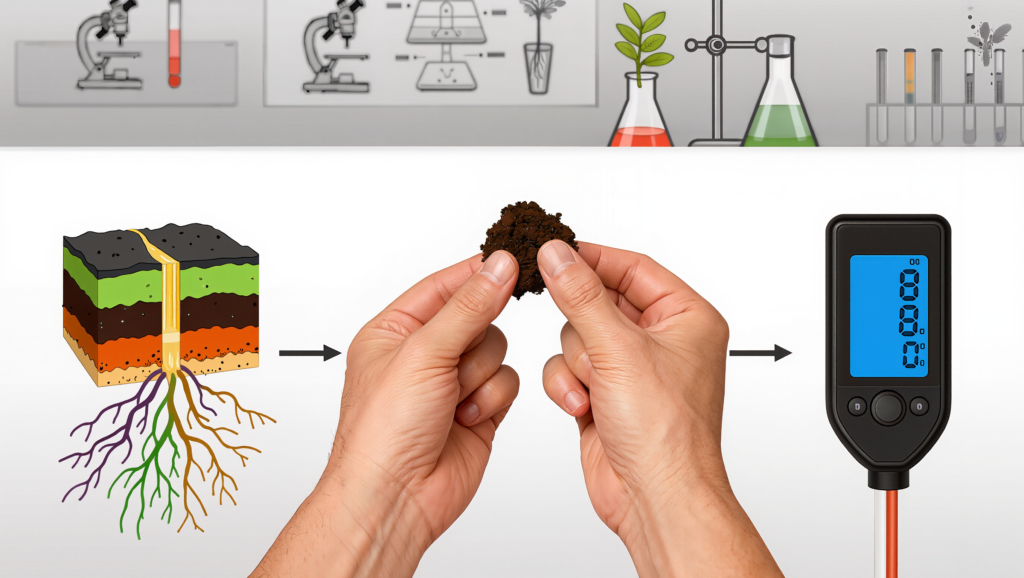
Why this matters for nutrition: a well‑aerated, living potting mix with good structure and organic matter supports active root systems and microbial life, which improve nutrient uptake and micronutrient content in leaves.
Step 3: Master Winter Light (The Biggest Limiting Factor)
Light is the main bottleneck for indoor herbs in winter—and it directly affects both growth and phytonutrient levels.
Natural light
- Aim for 6–8 hours of light a day for most herbs. South‑facing windows are ideal in the northern hemisphere; north‑facing in the southern hemisphere.
- Place pots as close to the glass as possible without touching cold panes.
- Rotate pots weekly so plants don’t lean and get leggy.
Some herbs are more shade‑tolerant:
- Mint, parsley, and chives can manage with medium light, though growth will be slower.
- Cilantro, basil, and rosemary really want bright, direct light or supplemental lighting.
Grow lights: your “winter sun”
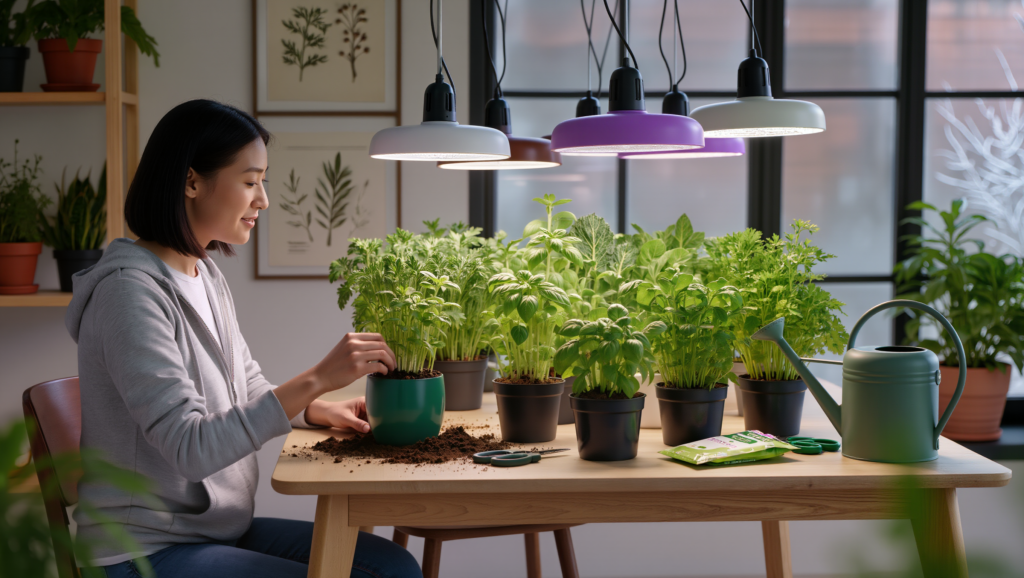
If you can’t offer 6–8 hours of strong window light, add an LED grow light:
- Use a small full‑spectrum LED placed 15–30 cm above the plants.
- Run it 12–14 hours per day in winter to mimic a long, bright day.
- Keep the light close enough that plants stay compact and deep green, but not so close they bleach or crisp.
A university nutrition extension article explicitly recommends small LED grow lights over herb gardens in winter so you can control light intensity and duration and keep herbs nutrient‑rich.
Step 4: Temperature and Humidity – Create a Mediterranean Microclimate
Indoor winter air is usually warm + bone‑dry—not ideal for leafy herbs.
Temperature
Most culinary herbs are happiest around:
- 18–21 °C (65–70 °F) as a daytime range.
- They’ll tolerate slightly cooler at night, but avoid cold drafts and icy window glass.
Practical tips:
- Keep herbs away from radiators, heat vents, and frequently opened exterior doors, which cause stress swings.
- Don’t press pots against single‑pane windows where leaves can get chilled or frost‑damaged.
Humidity
Dry air causes brown, crispy leaf margins and weaker growth.
- Place pots on trays filled with pebbles and water – water should not touch pot bottoms. As it evaporates, it raises humidity around the foliage.
- Cluster pots together; plants transpire and create a more humid micro‑zone.
- Mist lightly once a day if needed, but avoid overdoing it (constant wet leaves can invite disease).
Gentle air circulation from a small fan on low helps prevent mildew and strengthens stems.
Step 5: Water Like a Pro (Most People Overdo It)
Overwatering is the quickest way to kill indoor herbs and strip flavour.
General rule:
- Let the top centimetre (½ inch) of soil dry before watering again.
- Water thoroughly until it drains from the bottom, then empty saucers so roots aren’t sitting in water.
Herb‑specific tendencies:
- Mediterranean woody herbs (rosemary, thyme): prefer to dry out more between waterings. Root rot is their main indoor enemy.
- Leafy, tender herbs (parsley, cilantro, mint): like more consistent moisture, but still not soggy.
Water earlier in the day so foliage dries before night; this reduces mildew risk.
Step 6: Feed for Nutrition, Not Just Growth
Because pots are closed systems, herbs will eventually deplete available nutrients. Proper feeding keeps them both vigorous and nutrient‑dense.
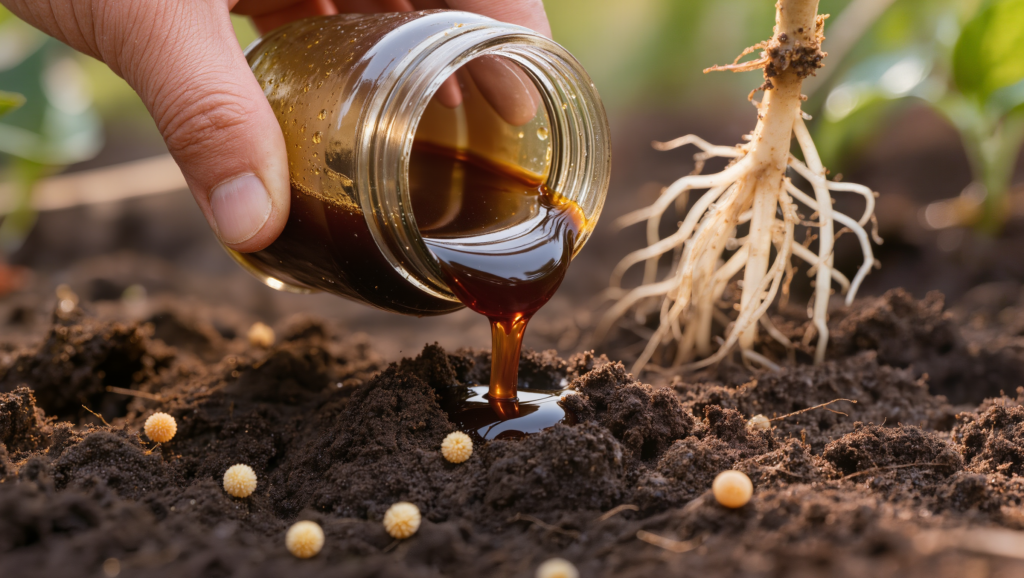
Fertiliser basics
- Use a diluted liquid fertiliser (organic fish/seaweed, or a balanced houseplant fertiliser).
- Feed roughly every 3–4 weeks in winter, at half the label strength, since growth is slower in low light.
An indoor herb guide stresses that too much fertiliser in winter causes weak, floppy growth and reduced flavour; underfeeding is safer than overfeeding.
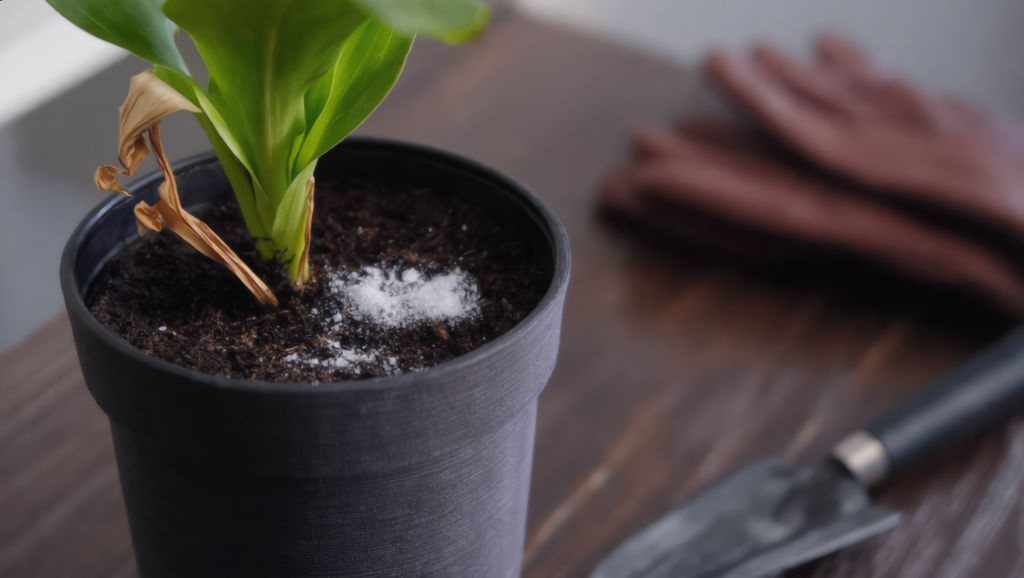
Signs of overfeeding:
Soil health and flavour
Herbs grown in moderately lean, well‑drained soil with sensible feeding often have more concentrated essential oils and stronger taste, which goes hand‑in‑hand with higher phytonutrient density.
Step 7: Harvest to Boost Both Yield and Nutrients
How you pick your herbs can either stunt or supercharge your winter supply.
Key principles:
- Harvest regularly – light, frequent cutting encourages the plant to branch and produce new growth.
- Never remove more than one‑third of the plant at a time; stripping it bare stalls regrowth.
- Snip stems just above a leaf pair or node – the plant will respond by splitting into two new stems at that point.
- Rotate harvesting among multiple plants so none are over‑taxed.
Remove yellowing or brown leaves quickly; dead tissue invites pests and disease and wastes the plant’s resources.
From a nutrition perspective, newer leaves are often particularly rich in certain vitamins and phytonutrients. By encouraging constant fresh growth, you’re essentially running a continuous micro‑harvest of high‑value plant tissue.
Step 8: Overwintering and Propagating Existing Outdoor Herbs
If you already have a summer herb bed, you can “bank” that nutrition indoors:
- Before first frost, dig up or pot up hardy herbs (thyme, rosemary, chives, mint) and bring them inside.
- Keep as much of the original root ball and soil intact as possible to reduce transplant shock.
- Alternatively, take cuttings (mint, basil, rosemary) and root them in water or moist potting mix; they’ll grow new roots and become compact indoor plants.
You might not get massive winter harvests from new cuttings, but you preserve genetics of vigorous plants and set yourself up for strong spring replanting.
Step 9: Consider Hydroponic Kits (Optional, But Very Effective)
For people who want maximum productivity with minimal fuss, compact indoor hydroponic herb systems can be a solid option:
- They provide constant water, nutrients, and LED light, maintaining optimal conditions even in dark winters.
- Many users report faster growth and higher yields than soil pots, thanks to ideal root oxygenation and nutrient delivery.
The trade‑offs:
- Slightly higher upfront cost and electricity use.
- Herbs may grow very fast but sometimes have milder flavour if nutrients and light aren’t tuned; you can tweak EC and light cycles to improve that over time.
If you’re serious about winter production and short on good windows, this is an easy way to keep a dozen high‑nutrition herbs thriving.
Step 10: Cooking for Maximum Nutrient Retention
Growing high‑nutrition herbs is only half the story; how you use them matters.
A few simple guidelines:
- Add fragile herbs like parsley, cilantro, basil, and chives at the end of cooking or as a fresh garnish to preserve vitamin C and volatile oils.
- Heartier herbs like rosemary and thyme can go in earlier without losing as much potency, but finishing with a fresh sprinkle still boosts nutrients and aroma.
- Use plenty: a winter windowsill can give you enough to treat herbs more like a vegetable (in pesto, chimichurri, green sauces) rather than a tiny garnish.
Troubleshooting Common Winter Gardening Problems
- Leggy, pale growth → Not enough light. Move closer to a bright window or add a grow light.
- Brown leaf edges, crispy tips → Air too dry or fertiliser too strong. Increase humidity and reduce feeding.
- Mouldy soil or fungus gnats → Overwatering and poor drainage. Let soil dry more between watering, improve airflow, use well‑drained mix; you can top‑dress with sand or use yellow sticky traps/diatomaceous earth as needed.
- Herbs taste weak → Excess fertiliser, low light, or too infrequent harvesting. Cut back on fertiliser, improve light, and harvest more regularly.
Growing high‑nutrition herbs indoors in winter comes down to a simple formula: choose hardy, nutrient‑dense species; give them strong light, lean but living soil, and steady (not smothering) care; then harvest often to force fresh growth. Do that, and your kitchen becomes a small, green nutrient factory—right when your body needs those vitamins, minerals, and phytonutrients the most.