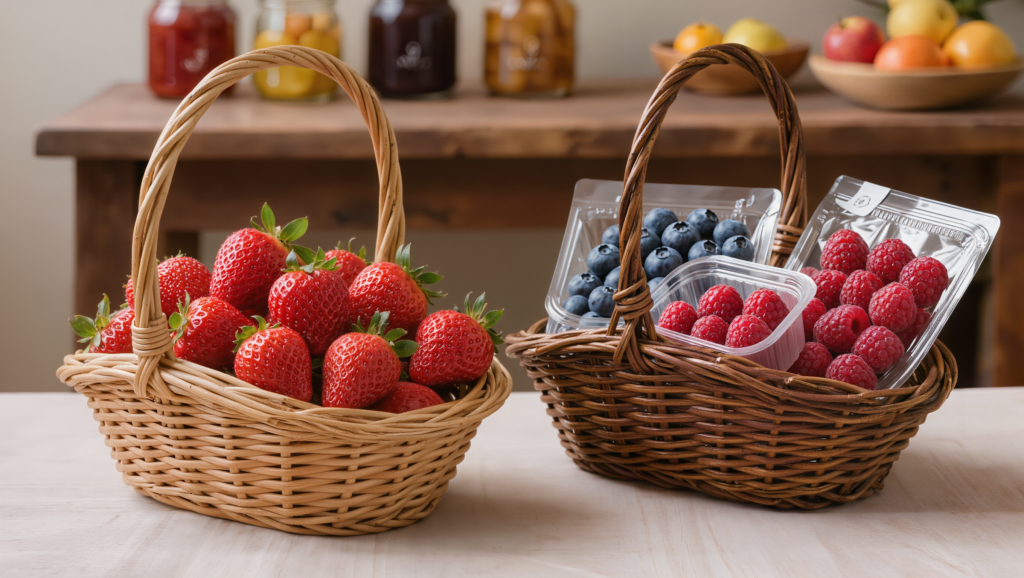












That shiny imported organic berry at the supermarket may look like the healthier choice, but it is not always the most nutritious one. Fresh, local, and in-season produce often has a real advantage because the longer food spends in storage and transit, the more quality, flavor, and sometimes nutrients it can lose.
The short version is this: organic is good, but organic plus long shipping is not automatically better than local and fresher. Berries are especially sensitive because they are fragile, highly perishable, and often harvested before peak ripeness so they can survive transport.
Why “Organic” Does Not Mean “Fresh”
A lot of shoppers assume that if something is organic, it must also be more nutritious. That is not necessarily true. Organic mainly refers to how the crop was grown, not how long it sat in a cold chain, how far it traveled, or how ripe it was when picked.
That distinction matters a lot for berries. Some sources berry comparison notes that berries shipped long distances are often picked before peak ripeness so they can survive handling and transport, while fresh, local, in-season berries are typically picked riper and eaten sooner. That means the imported organic berry may have the right farming story, but still arrive with a nutritional and flavor penalty.
Why Shipping Matters So Much For Berries
Berries are delicate. They lose water after harvest through transpiration, and their nutritional profile can gradually decline the longer they sit after picking. Freight logistics sources also emphasize that fresh produce often has very short shelf lives, which makes timing and cold-chain handling critical.
This is where imported organic berries get into trouble. To survive cross-country or cross-border shipping, they are often harvested earlier and stored longer than local fruit. That can affect:
- Flavor.
- Texture.
- Moisture.
- Vitamin levels.
- Antioxidant quality.
In other words, “fresh-looking” and “freshly harvested” are not the same thing.
Nutrient Loss During Long Transit
The nutritional downside of shipping is not that every berry becomes empty. It is that time and storage can chip away at the top end of nutritional quality. Research summaries and produce comparisons show that fresh, local berries picked at peak ripeness often beat imported ones that were harvested early and stored longer.
Some researchers note that berries bought fresh and local in season are often harvested closer to full ripeness, while imported winter berries may be less ripe and stored longer, which can lead to a 10 to 20 percent difference in nutrient levels and flavor in some cases. Wild Blueberries’ summary of comparative research also points out that frozen or freshly harvested produce can outperform produce that has spent days in refrigerated storage, because storage itself can reduce nutrient concentration.
That does not mean imported berries are bad. It means the long shipping path can make them less impressive than the label suggests.
Why Berries Lose Quality Faster Than You Think
Berries are among the most perishable fruits. They are soft, moist, and highly sensitive to bruising, dehydration, and temperature changes. That makes the logistics of shipping them a lot more complicated than shipping onions or potatoes.
A freight logistics article explains that fresh produce often has short shelf lives, and that shipping requires patchwork refrigeration networks and carefully timed delivery. Produce has to stay cold, stay intact, and move quickly. Every delay can mean lower quality when the fruit reaches your fridge.
The longer the journey, the more chances there are for:
- Harvesting too early.
- Time in transit.
- Storage at retail.
- Extra days in your refrigerator before you eat it.
That is a long chain of freshness leaks.
The Local Advantage
Local berries often have an edge because they can be picked closer to peak ripeness and sold faster. That usually means better flavor, better aroma, and better nutrient retention than fruit that spent a week or more in transit and storage.
This is one of those cases where local is not just a moral preference or a sustainability preference. It can be a nutritional preference too. If you can buy berries from a nearby farm stand or local producer during peak season, you are more likely to get fruit that tastes like fruit and not just like a polite memory of fruit.
The Carbon Footprint Side Of The Story
There is also a sustainability cost to imported organic produce. Shipping produce long distances often means a bigger carbon footprint, especially when products are flown or hauled through complicated refrigerated transport networks.
Supply-chain sources note that refrigeration is energy-intensive and can involve greenhouse gas concerns through refrigerants like HFCs, which have a high warming potential. That means the environmental cost of imported fresh produce is not just about fuel. It also includes the cold chain itself.
So imported organic berries can come with a double tradeoff:
- They may be less fresh than local berries.
- They may carry a larger transport footprint.
That does not make them wrong to buy. It just makes “organic” a narrower label than many shoppers assume.
Why Local Frozen Can Beat “Fresh” Imported
Here is a twist that most people miss: frozen berries can sometimes be the better nutritional choice than imported fresh berries. That is because berries intended for freezing are often harvested at full ripeness and flash-frozen quickly, which helps lock in nutrients.
Frozen berries can preserve antioxidants and polyphenols extremely well, with only minimal vitamin C loss in many cases. Wild Blueberries’ summary of comparative studies also reports that frozen berries often have no significant nutrient disadvantage compared with fresh, and sometimes outperform fresh-stored berries because refrigerated storage causes losses.
That means the hierarchy is often:
- Fresh local and in season.
- Frozen at peak ripeness.
- Imported fresh that spent days or weeks traveling.
That order is not absolute, but it is a useful rule of thumb.
Why “Fresh” Store-Bought Is Not Always Fresh
One of the sneaky parts of the produce system is that “fresh” in the store can mean “recently packaged,” not “recently picked.” Berries can spend time in distribution centers, refrigerated trucks, warehouses, and retail displays before you ever buy them.
By the time they arrive at your kitchen, they may already have:
- Lost water.
- Lost some nutrients.
- Lost some flavor.
- Developed a softer texture.
- Been handled multiple times.
So if you are comparing a local berry from a nearby farm stand to an imported organic one from the produce aisle, the local berry may win even if the imported one has the nicer label.
What Organic Still Does Offer
To be fair, organic still matters. It can reduce exposure to certain pesticide residues and support more environmentally friendly growing practices. The point is not to knock organic. The point is to stop assuming organic automatically means better nutrition at the point of eating.
In some cases, frozen organic berries may actually be a better compromise than imported organic fresh berries. Frozen fruit can preserve nutrients well and reduces waste by extending shelf life. That is a smart middle ground if local fresh berries are not available.
What To Look For Instead
If you want the most nutritious berry choice, the priorities are pretty simple:
- Buy local and in season when possible.
- Choose berries that look plump, firm, and fragrant.
- Use frozen berries when local fresh is unavailable.
- Do not assume imported organic automatically equals superior nutrition.
- Eat berries quickly once you buy them.
That last point matters a lot. Even a good berry starts degrading once it is sitting in your fridge.
Bottom Line
Imported organic berries are still a decent choice, but they are not automatically the best one. Long shipping can mean earlier harvesting, longer storage, more nutrient loss, weaker flavor, and a larger carbon footprint.
If you care about nutrition, freshness, and sustainability, the better move is usually local and seasonal first, frozen second, and imported fresh organic as a convenience option rather than the gold standard. The berry label tells you how it was grown. It does not tell you how long it has been traveling.