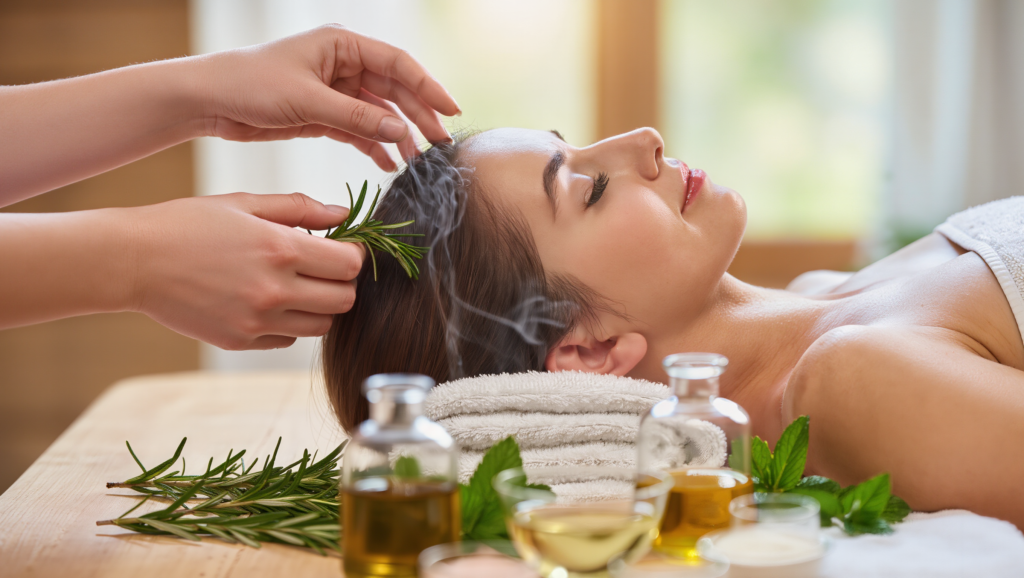












Let’s be real: few natural remedies live up to their “miracle” hype quite like rosemary oil. Once reserved for ancient Mediterranean healing and culinary rituals, rosemary (Rosmarinus officinalis) is now turning heads in scientific circles and TikTok feeds alike thanks to its growing portfolio of health benefits—especially for skin and hair. But what’s the truth behind those viral before-and-after transformations? Can a 2-minute rosemary oil ritual actually make a difference? Here’s what the latest research and expert advice really say.
Rosemary Oil: What Makes it Special?
Rosemary oil is a concentrated essential oil packed with plant compounds like carnosic acid, alpha-pinene, camphor, 1,8-cineol (eucalyptol), and rosmarinic acid—all shown to have powerful antioxidant, anti-inflammatory, and antimicrobial effects. Its therapeutic properties include:
- Boosting circulation
- Supporting mental clarity and memory
- Easing stress and fatigue
- Promoting clear, healthy skin
- Stimulating hair growth and scalp renewal
Health Benefits: Rosemary Oil in Detail
1. Hair Growth and Scalp Health
Perhaps the buzziest benefit: rosemary oil is as effective as over-the-counter minoxidil (Rogaine) for androgenic alopecia (male/female pattern hair loss), but with fewer side effects. In controlled trials, people using rosemary oil daily experienced:
- Significant increases in hair count after 6 months, matching results from minoxidil use
- Reduced scalp itching, irritation, and dandruff compared to chemical treatments
- Improved blood flow to hair follicles, enhancing growth and thickness
2. Glowing, Clear Skin
Rosemary oil’s antimicrobial and anti-inflammatory properties make it a favorite for tackling acne, redness, and dullness. Its antioxidants fight free radicals and help balance oil production, making skin less susceptible to breakouts, irritation, and premature aging.
- Can be combined with carrier oils (jojoba, argan, or olive) for deep hydration
- Use in facial massage, mask treatments, or gentle homemade sprays
3. Memory, Mood, and Stress Support
Studies reveal rosemary oil can improve memory performance, sharpen focus, and ease mental fatigue when inhaled or diffused, thanks to its effect on acetylcholine breakdown (the brain’s memory chemical). It also helps lower stress hormones and perking energy without jitters.
4. Physical Pain and Circulation
The oil acts as a natural vasodilator, improving blood flow and working as a gentle remedy for tired, aching muscles, and poor circulation. Its carnosic acid and camphor content support capillary health and are sometimes used to help symptoms of Raynaud’s or circulation problems in the extremities.
5. Antioxidant and Immune Support
Rosemary’s compounds help the body counteract oxidative stress, support respiratory function (think stuffy sinuses or mild congestion), and can promote overall immune health.
The 2-Minute Rosemary Oil Ritual: For Skin and Hair
Ready for a quick daily practice? Here’s a step-by-step ritual to maximize rosemary oil’s magic:
For Hair:
- Dilute Rosemary Oil:
Mix 3–6 drops of rosemary essential oil with 1 tablespoon of a carrier oil (e.g., coconut, jojoba, or argan). Diluting is key to avoid irritation. - Massage 2 Minutes:
Using your fingertips, massage the oil blend into your scalp for 2 minutes—working in circular motions from the hairline to the crown. Focus on areas of thinning or dryness. This boosts blood flow and helps the active compounds penetrate follicles. - Leave-In or Rinse:
For intensive results, leave the oil in for at least 45 minutes, or overnight (cover with a shower cap if needed). Wash out as normal.
For Skin:
- Dilute Oil:
Combine 2–3 drops of rosemary oil with a carrier (like jojoba or argan oil). Never apply essential oils undiluted. - Patch-Test First:
Dab a little on your inner forearm and wait 24 hours. This helps rule out rare sensitivities - Apply & Massage:
Gently pat or massage the blend into clean skin for 2 minutes, focusing on areas prone to breakouts, dullness, or irritation. Use upward strokes on the face, and circular motions on body skin. - Glow Boost:
Apply morning or night. Rosemary oil also mixes beautifully into homemade masks or creams.
How and When Should You Use Rosemary Oil?
- Scalp Massage (2–3x/week): Regular 2-minute massages can jumpstart scalp circulation and maximize growth-promoting effects.
- Facial or Body Oil (1x/day): Morning or evening, after cleansing. Avoid eye area and open wounds.
- Aromatherapy: Inhale or diffuse for instant mood and memory support.
- Homemade Mask: Mix rosemary oil with clay or honey for deep cleansing.
Always dilute; never apply undiluted rosemary oil to skin/scalp!
Cautions and Safety
- Dilute oils! Rosemary oil is highly potent and can irritate skin if undiluted.
- Patch test: Especially if you have sensitive skin.
- Not for pregnant women or children without practitioner advice.
- Avoid eye contact, mucous membranes, or broken skin.
Rosemary Oil vs. Other Popular Oils
| Oil Type | Best For | Unique Benefit | Downside |
|---|---|---|---|
| Rosemary | Hair, skin, scalp | Growth, anti-inflammatory | Must dilute |
| Lavender | Sleep, skin | Calming, gentle healing | May be too mild for hair |
| Tea Tree | Acne, scalp | Potent antimicrobial | Strong scent, irritation risk |
| Peppermint | Circulation, scalp | Invigorating, cooling | Can irritate if overused |
Rosemary stands out for its broad-spectrum benefits and “wake up” energy—making it ideal for both mornings and targeted beauty rituals.
The Bottom Line: Can Rosemary Oil Transform Your Skin and Hair in 2 Minutes?
Science backs what generations have known: rosemary oil can unlock healthier hair, clearer skin, sharper focus, and a brighter mood in just a few minutes a day. While it’s no miracle in a bottle—hair regrowth and major skin changes often take weeks or months—the 2-minute ritual of regular massage, coupled with the oil’s unique chemistry, can genuinely shift your self-care routine.
If you’re looking to boost your hair thickness, battle blemishes, or shift your mental energy, rosemary oil just might become your new obsession.
Did you find this article helpful? Support us by following us on our social media for more content on natural health and wellness:: Youtube, Instagram, Facebook, Pinterest, Twitter (X)
References