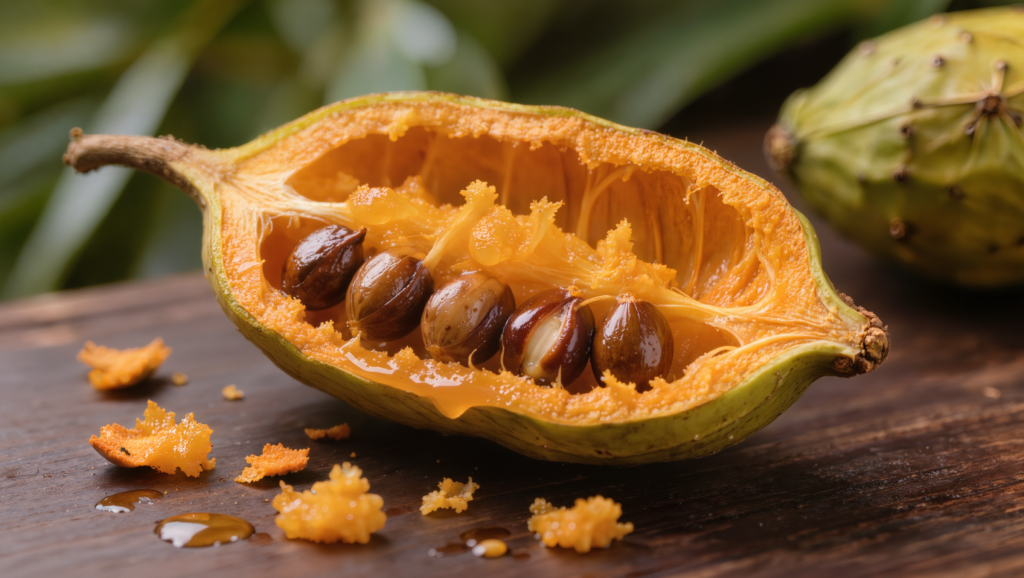












There is a strange, twisted, sweet-tasting fruit that looks a bit like a curly pod and tastes somewhere between tart and sweet — and it might play a real role in helping people manage blood sugar more gently. It is called Jungle Jalebi, also known as Manila Tamarind, Madras Thorn, Monkey Pod, and Camachile, and its local names in India include seema chintakaya (Telugu), kodukka puli (Tamil), and seema hunase (Kannada).
It grows on a thorny shrub or small tree called Pithecellobium dulce, and while many city dwellers may not know it well, it is a familiar summer fruit in rural parts of southern India, typically available from April to June.
What Is Jungle Jalebi
Jungle Jalebi is a tropical fruit that looks like a twisted, coiled pod, often with a slightly fibrous texture and a flavor that is tangy-sweet, sometimes described as mildly bitter-sweet with a fresh note. It is native to Central America and Mexico but has spread widely in India and other tropical regions.
The name “Jalebi” comes from its resemblance to the curly Indian sweet jalebi, but this is not a dessert. It is a wild, edible fruit that is eaten raw, used in chutneys, salads, jams, and even as a base for summer drinks.
The Diabetes Connection: Why Jungle Jalebi Is Being Talked About
The big reason Jungle Jalebi is getting attention in health circles is its link to blood sugar regulation. Multiple sources highlight that Jungle Jalebi is considered beneficial for diabetes and helps manage blood sugar levels.
The key points:
- Jungle Jalebi is believed to help control blood sugar in type 2 diabetes.
- It has a low glycemic index, meaning it does not cause rapid spikes in blood sugar.
- Its pod extract juice is described as having anti-hyperglycemic properties, which means it can help lower high blood sugar levels.
- It has a relatively low glycemic effect and is rich in fiber and complex carbs, which may support smoother blood sugar levels.
That combination — low glycemic impact plus fiber — is exactly what many people with diabetes or prediabetes are looking for when they want natural food options that do not destabilize their glucose.
The Science Behind The Blood Sugar Benefit Of Jumgle Jalebi
While large human trials specifically on Jungle Jalebi are not yet widespread, the botanical and nutrition research on Pithecellobium dulce gives a clear picture of why it could help.
Key mechanisms:
- Dietary fiber: Jungle Jalebi is a good source of dietary fiber, which helps slow digestion and reduces the rate at which sugar enters the bloodstream.
- Anti-hyperglycemic effect: The pod extract is described as anti-hyperglycemic, meaning it may help reduce high blood sugar in people with type 2 diabetes.
- Low glycemic index: This means that even though it is sweet, it does not cause sharp glucose spikes, making it a better option than many high-sugar snacks.
The Non-Transferrin-Bound Iron (NTBI) research done by the National Center for Biotechnology Information (NCBI) also notes that plants in this family generally have anti-oxidant, anti-inflammatory, anti-microbial, anti-diabetic, cardioprotective, and anti-ulcerogenic properties, and contain bioactive phytocompounds like flavonoids, saponins, tannins, and alkaloids.
These compounds are exactly the kind that support metabolic health and may help the body handle glucose more steadily.
Beyond Sugar: Other Health Benefits Of Jungle Jalebi That Support Diabetes Care
Diabetes is not just about blood sugar. It is also about inflammation, oxidative stress, heart health, kidney function, weight management, and immunity. Jungle Jalebi touches many of these areas.
1. Weight Management
Jungle Jalebi is low in calories and high in fiber, making it a good snack for people trying to manage weight. Weight loss, even in modest amounts, is one of the most powerful ways to improve insulin sensitivity and reduce diabetes risk.
2. Digestion
The dietary fiber in Jungle Jalebi promotes good digestion and prevents constipation. A healthy gut is deeply connected to how the body handles glucose and insulin.[
3. Immunity
Jungle Jalebi is rich in vitamin C, which boosts the immune system and protects against infections. Good immunity is critical for people with diabetes, who are more prone to infections and slower healing.
4. Eyesight
The fruit contains vitamin A, which is essential for maintaining good eyesight. Diabetes is a major risk factor for eye disease, so nutrients that support eye health are especially valuable.
5. Heart Health
Jungle Jalebi helps lower bad LDL cholesterol and increase good cholesterol, and its potassium content supports heart health. Heart disease is a leading complication of diabetes, so any food that supports healthy cholesterol and blood pressure is a plus.
6. Anti-Inflammatory and Anti-Oxidant Support
Jungle Jalebi is rich in antioxidants and anti-inflammatory compounds, which help the body fight viruses, infections, and chronic inflammation. Inflammation and oxidative stress are major drivers of insulin resistance and diabetes progression.
Why Jungle Jalebi Could Be Part Of A Natural Diabetes Management Strategy
Diabetes management is shifting toward a more holistic model that includes:
- Balanced diet.
- Fiber-rich foods.
- Low-glycemic choices.
- Natural anti-inflammatory foods.
- Weight control.
- Lifestyle habits like movement and sleep.
Jungle Jalebi fits into this model naturally because it is:
- A low-glycemic fruit.
- Fiber-rich, which helps slow sugar absorption.[
- Nutrient-dense, with vitamin C, vitamin A, potassium, iron, calcium, phosphorus, and fiber.
- Anti-oxidant and anti-inflammatory, supporting overall metabolic health.
Instead of relying only on medication, people can use Jungle Jalebi as part of a broader diet that supports smoother blood sugar levels and better insulin sensitivity.
How To Eat Jungle Jalebi Safely And Effectively
Jungle Jalebi can be eaten raw or used in various recipes:
- Raw as a snack.
- In salads.
- In chutneys.
- In jams.
- As a base for refreshing summer drinks.
The key is moderation. Even low-glycemic fruits can affect blood sugar if eaten in large amounts, especially if you are on medication.
Important Cautions
Jungle Jalebi has some important caveats:
- It contains oxalic acid, which can interfere with the absorption of calcium and iron.
- People with kidney problems should avoid eating too much Jungle Jalebi, as it may worsen their condition.
- The thorny nature of the fruit requires careful handling during preparation.
These warnings are critical. Natural does not always mean safe for everyone. If you have kidney disease, diabetes, or other chronic conditions, talk to a healthcare provider before adding jungle jalebi regularly to your diet.
Bottom Line
Jungle Jalebi is an exotic, twisted, sweet-tasting fruit that shows real promise as a natural food option for people looking to support blood sugar control, weight management, heart health, and overall metabolic balance.
It is not a replacement for medication, but it is a low-glycemic, fiber-rich, nutrient-packed fruit that can be part of a smarter, more balanced approach to diabetes care.
If you want to explore natural ways to manage diabetes, Jungle Jalebi could be a gentle, helpful addition — as long as you use it wisely, respect the cautions, and combine it with a healthy lifestyle.