











Korlan is basically the lychee that you never heard of, even though it is a close cousin in the same family. Known as Nephelium hypoleucum, it is often called “wild lychee,” and it looks, tastes, and grows in a way that is very similar to lychee, rambutan, longan, and other tropical fruits.
But while lychee gets all the attention, korlan remains obscure, mostly eaten locally in Southeast Asia or found in jungle markets. That is actually a problem for people who want anti-aging foods, because korlan is believed to have medicinal qualities including stress reduction, blood sugar regulation, digestion support, and increased resistance to viruses and colds—all linked to antioxidant activity that is directly relevant to aging.
The key difference is that korlan is not just a novelty. It is a nutrient-rich, antioxidant-heavy fruit with a unique sour-sweet profile that many people find even more interesting than lychee once they try it.
What Is The Korlan Fruit?
Korlan is an evergreen tree in the family Sapindaceae, the same family as lychee, rambutan, longan, and guinep. It is native to Southeast Asia and lives wild in the jungles of the region, particularly in areas from Indo-China down through peninsula Malaysia.
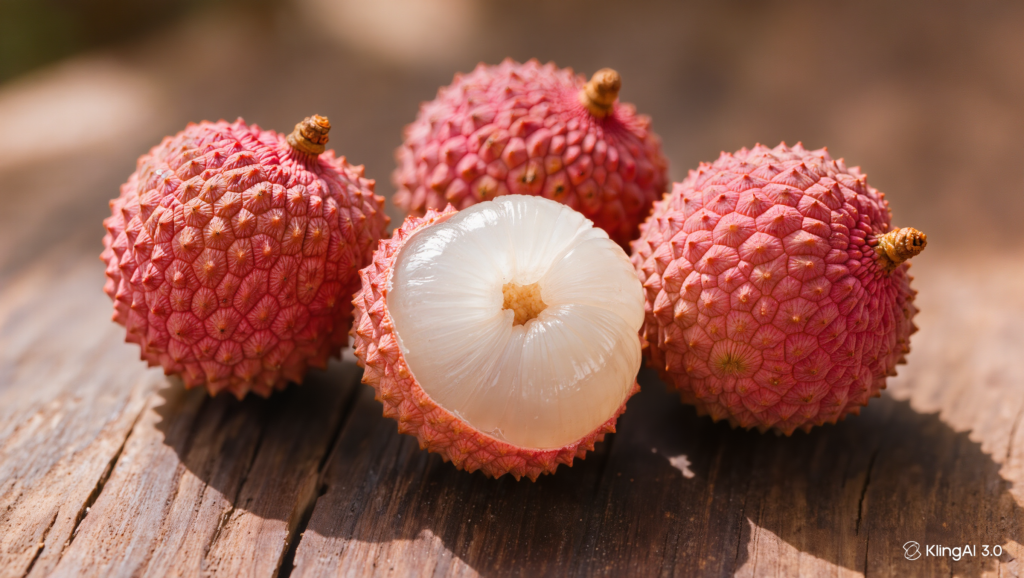
The fruit looks like a small lychee or a more compact rambutan:
- It is oval or round.
- It has a thin, slightly rough skin.
- Inside, there is a translucent white pulp with a seed.
- The taste is sour with a sweet aftertaste.
Because it is so similar to lychee, local people regard it as a wild lychee. That comparison is both accurate and misleading. Yes, it is related. But it is not just “lychee that tastes sour.” It has its own profile, especially in texture and flavor.
Nutrition And Bioactive Profile Of Korlan Fruit
There is not a huge amount of published research on korlan compared with lychee or longan, but the available sources describe it as rich in vitamins and antioxidants. Korlan contains a delicious and unique taste of sour and sweet variety with health benefits from vitamins and antioxidants.
Korlan seed is also interesting from a nutritional standpoint. Korlan seed contains high levels of omega-3 fatty acids and phenolic compounds that support cardiovascular health and metabolic function through anti-inflammatory and antioxidant pathways.
That is important for anti-aging because:
- Omega-3s help reduce chronic inflammation.
- Phenolic compounds protect cells from oxidative stress.
- Both support immune resilience and healthy aging.
Even though the seed is typically not eaten the same way as the pulp, the presence of these compounds in the fruit family suggests a rich biochemical profile overall.
Anti-Aging Power Of Korlan And The Science Behind The Claims
The main reason korlan deserves attention as an anti-aging fruit is that aging, at a cellular level, is driven by oxidative stress and inflammation. When your body accumulates too much damage from free radicals, cells lose function, tissues break down, and the skin, organs, and metabolism all show signs of aging faster.
Korlan is believed to have medicinal qualities such as reducing stress, regulating blood sugar, helping with digestion, and increasing resistance to the flu, viruses, colds, and herpes, although these claims have not been evaluated by medical studies. That is a disclaimer, but it is also a clue. Stress reduction, blood sugar regulation, and immune support are all pathways that affect aging.
Let’s break down why those matter:
1. Stress Reduction
High stress speeds up aging through cortisol, inflammation, and disruption of sleep and repair cycles. Korlan is described as reducing stress and acting as a daily stimulant for energy, improving immune system and reducing stress.
That is relevant because mental stress and physiological stress are linked. A fruit that helps calm the nervous system can indirectly slow stress-driven aging.
2. Blood Sugar Regulation
High blood sugar and insulin resistance accelerate aging through a process called glycation, where sugar molecules bind to proteins and damage tissues like collagen and skin. Korlan is believed to regulate blood sugar.
Better blood sugar control means less glycation, which means slower aging of skin, vessels, and organs.
3. Digestion Support
Digestion is central to aging because gut health affects immunity, nutrient absorption, and inflammation. Korlan is believed to help with digestion. The wild roots of korlan have historically been used by Korean herbalists to calm a person’s spirit, help in digestion, and have stronger lungs, while giving the patient extra energy.
A healthy gut reduces systemic inflammation, which is a major driver of aging.
4. Immune And Viral Defense
Korlan is believed to help combat flu viruses and cold, and even herpes infections, with studies suggesting that level of antibodies to thwart infections go up while an individual considers intake of extracts.
A strong immune system is essential for aging because infections and chronic inflammation can wear down tissues over time.
Korlan Vs. Longan and Lychee For Anti-Aging
To understand why korlan is special, it helps to compare it with its more famous cousins. Longan is already known for being high in vitamin C, potassium, riboflavin, and other nutrients. Fresh longan is high in vitamin C, as most fruits are, and is a valuable source of vitamin C, potassium, and riboflavin.
Longan also has been studied for anti-aging effects. A study on Dimocarpus longan fruit concentrate clearly showed highly potent anti-aging properties on human skin.
Korlan is in the same genus as rambutan and closely related to lychee, longan, and guinep. So it is part of the same family of antioxidant-rich fruits. But because korlan:
- Is sour with a sweet aftertaste.
- Grows wild in jungles.
- Has omega-3 and phenolic compounds in its seed.
- Is not widely commercialized.
It may offer a different balance of compounds that is not identical to longan or lychee.
That is the key point: korlan is not just “another tropical fruit.” It is a wild, less-domesticated cousin with a unique profile that may offer complementary benefits.
Anti-Aging Benefits You Can Actually Expect
Because korlan is not heavily studied, it is important to be realistic. You should not expect it to be a miracle cure. But you can reasonably expect it to contribute to anti-aging in several ways:
1. Antioxidant Support
Korlan is believed to contain vitamins and antioxidants. Antioxidants neutralize free radicals, which reduces oxidative damage to skin, organs, and DNA. That is one of the core mechanisms of anti-aging.
2. Inflammation Reduction
Korlan seed contains phenolic compounds that work through anti-inflammatory pathways. Chronic inflammation is a major driver of aging, so reducing it helps protect tissues.
3. Metabolic Health
Korlan is believed to help regulate blood sugar and improve metabolic function through adaptogenic compounds. Better metabolic health means slower aging of skin, vessels, and organs.
4. Cognitive And Stress Support
Korlan is described as improving concentration in ADHD patients and aiding cognitive clarity and stress resilience. Cognitive decline and chronic stress are both part of aging, so anything that helps calm the mind and support focus is relevant.
How To Eat Korlan
Korlan is typically eaten fresh, like lychee. The fruit is small, round or oval, and has a seed inside. You peel the skin and eat the translucent pulp. The taste is sour with a sweet aftertaste.
You can:
- Eat it fresh as a snack.
- Add it to salads.
- Use it in desserts where you want a tart-sweet fruit.
- Blend it into smoothies for a tropical twist.
Because it is sour, it pairs well with a bit of sweetness from honey, yogurt, or coconut milk.
Why Korlan Is So Forgotten
Korlan is not forgotten because it is weak. It is forgotten because it is wild, less commercialized, and mostly grown in local jungles. It is native to Southeast Asia and lives wild in the jungles of the region, and it is not widely exported.
That means:
- You may not find it in regular supermarkets.
- You may only find it in specialty Asian markets or online.
- Most people outside Southeast Asia have never tasted it.
That is precisely why calling it “the forgotten cousin of lychee” makes sense. It is biologically and culturally close to lychee, but it has not been marketed globally.
Using Korlan As Part Of An Anti-Aging Lifestyle
Korlan should not be seen as a magic bullet. It is most powerful when used as part of a holistic anti-aging lifestyle. That includes:
- Eating a variety of antioxidant-rich fruits.
- Reducing processed food and sugar.
- Managing stress.
- Moving regularly.
- Sleeping well.
- Protecting skin from sun.
Korlan fits into this as a nutrient-rich, antioxidant-heavy fruit that supports:
- Stress reduction.
- Blood sugar balance.
- Immune function.
- Digestive health.
- Cellular protection.
It is a tool, not a replacement for healthy habits.
Bottom Line
Korlan is the wild, sour-sweet cousin of lychee that most people have never heard of, even though it is packed with antioxidants, omega-3 fatty acids, and phenolic compounds that support healthy aging, stress reduction, blood sugar regulation, and immune resilience.
It is not a miracle, but it is a powerful anti-aging fruit that deserves more attention. If you can find it, try it. If you can’t, at least know that the lychee family is full of anti-aging power, and korlan is one of the most underrated members.