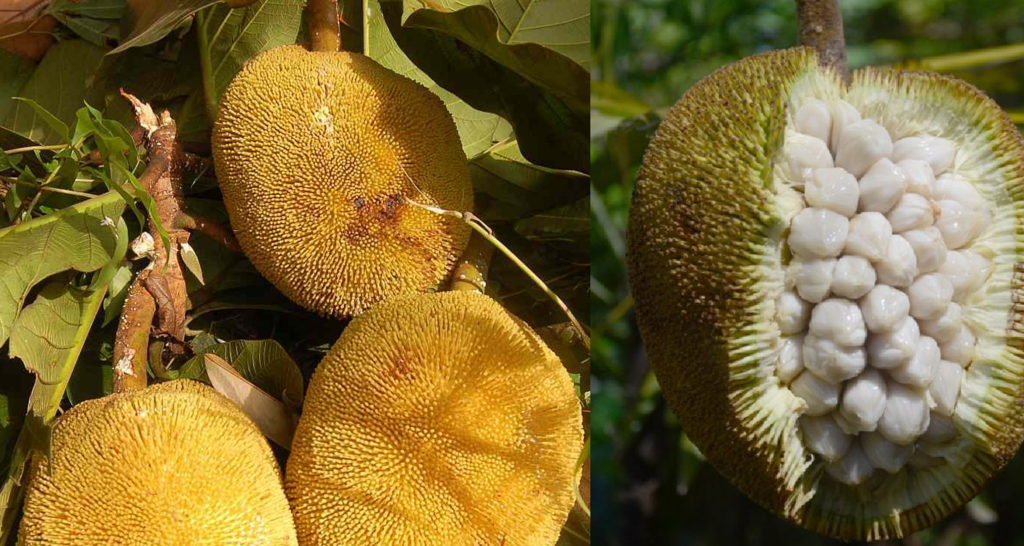












Marang is one of Southeast Asia’s most intriguing tropical fruits: spiky on the outside, soft and creamy inside, and often compared with jackfruit, breadfruit, banana, pear, or custard. Known scientifically as Artocarpus odoratissimus, it is also called terap, tarap, madang, or johey oak depending on the region.
It is especially associated with Borneo and the southern Philippines, where it has long been grown and enjoyed locally. Although the fruit is still relatively unfamiliar in much of the world, its flesh contains carbohydrates, potassium, vitamin C, minerals, and some dietary fiber.
That makes marang an interesting fruit for digestive health—but not for the reason viral “superfood” headlines might suggest. Marang is not a proven cure for constipation or a guaranteed probiotic booster. In fact, available nutritional data suggest that its edible flesh may be relatively modest in fiber compared with fruits such as guava, raspberries, pears, or prunes.
Its real appeal is more balanced: a naturally sweet whole fruit that contributes some fiber, fluid, vitamin C, potassium, and plant compounds while offering a completely different eating experience.
What Is Marang Fruit?
Marang belongs to the same broad botanical family as jackfruit and breadfruit. Its scientific name, Artocarpus odoratissimus, reflects its strong fragrance and sweet flavor.
The fruit is usually oval or round, with a thick green skin covered in soft, blunt spines. Inside are many edible white or pale-colored segments surrounding seeds. The flesh is tender, juicy, and creamy rather than fibrous and stringy like some jackfruit varieties.
People describe the flavor in different ways, including:
- Custard.
- Banana.
- Pear.
- Pineapple.
- Jackfruit.
- Vanilla-like sweetness.
That combination makes marang more delicate than jackfruit and much softer than breadfruit. It is generally eaten fresh, because the flesh is fragile and its aroma becomes stronger as it ripens.
The fruit also does not store especially well after opening. It is best to eat it all soon after cutting because the flesh can oxidize and lose some of its best flavor.
Why Borneo Matters
Borneo is one of the world’s most biologically diverse islands, and its food culture includes many fruits that rarely reach international supermarkets. Marang is one of them.
It grows in tropical conditions and is associated with parts of Brunei, Malaysia, Indonesia, and the southern Philippines. In local markets, it is often treated as a seasonal delicacy rather than an everyday industrial crop.
That limited distribution explains why many people have never heard of it. Marang is not necessarily rare because it is impossible to grow; it is rare in global food systems because it is delicate, highly perishable, and less standardized than bananas, apples, or mangoes.
The fruit’s fragile flesh and short post-harvest life make long-distance shipping difficult. That keeps it connected to the regions where it grows best—and makes the experience of eating a fresh marang particularly special.
Is Marang Really High In Fiber?
This is where the headline needs a little correction.
Some popular nutrition articles describe marang as a fiber-rich fruit that may help constipation and support the gut. However, a detailed analysis published in Wiley reports crude-fiber values of roughly 0.90 to 1.13 grams per 100 grams of flesh, while a separate study described about 0.8 to 1.3 grams per 100 grams.
Those values are not especially high compared with classic high-fiber fruits. The numbers may vary because of differences in cultivar, ripeness, edible portion, laboratory method, and whether researchers are measuring total dietary fiber or crude fiber.
This means marang can contribute fiber, but it should not be positioned as a direct competitor to prunes or psyllium for constipation relief. A better description is that marang is a nutritious whole fruit with some fiber—not a concentrated bowel-regulating remedy.
The distinction matters because overpromising can lead people to replace proven constipation strategies with a fruit that may not provide enough fiber to make a major difference.
How Marang Supports Digestion
Even moderate amounts of fiber can contribute to digestive health when they are part of a broader diet. Marang’s flesh also contains substantial moisture and carbohydrates, which can make it a pleasant food for hydration and energy.
Its possible digestive benefits come from several features:
- It is eaten as a whole fruit rather than a refined sweet.
- Its flesh contains some indigestible carbohydrate and fiber.
- It contributes water along with carbohydrates.
- It can add variety to the plant foods reaching the gut.
- It may be easier to enjoy than less familiar high-fiber foods.
Gut health is shaped by dietary patterns, not just one ingredient. Eating a wide variety of fruits, vegetables, legumes, whole grains, nuts, and seeds generally provides a broader range of fibers and plant compounds for the gut microbiome.
Marang can be one part of that pattern, especially for someone who wants to expand beyond familiar supermarket fruit.
Is Marang Fruit Really A Prebiotic?
Marang’s fiber can be described as prebiotic because it may help beneficial gut bacteria grow. That idea is biologically plausible: certain undigested carbohydrates reach the colon and can be fermented by microbes.
But there is a difference between:
- A food containing fiber that gut bacteria may use.
- A food proven in human trials to change the microbiome in a beneficial way.
The published researches have not clearly establish that eating marang reliably increases specific beneficial gut bacteria, reduces inflammation, or improves a diagnosed gastrointestinal condition.
So it is fair to say that marang contributes plant carbohydrates and some fiber that may participate in normal gut fermentation. It is not fair to claim that it has been proven to “heal” the gut.
Nutritional Profile Of Marang Fruit
Marang provides more than fiber. Studies and nutritional analyses identify carbohydrates, small amounts of protein and fat, potassium, calcium, phosphorus, iron, vitamin A-related compounds, B vitamins, and vitamin C.[
A study of marang pulp reported potassium values in the range of roughly 176 to 298 milligrams per 100 grams, although exact values vary. It contains vitamin C, potassium, calcium, phosphorus, and iron as notable nutrients in the edible flesh.
These nutrients have familiar roles:
- Vitamin C supports collagen formation, immune function, and antioxidant protection.
- Potassium contributes to fluid balance, nerve signaling, and muscle function.
- Calcium and phosphorus support bones and teeth.
- Iron is needed for hemoglobin and oxygen transport.
- B vitamins help with energy metabolism.
Why Marang Is A Good Source Of Natural Sugar And Energy
Marang is a sweet fruit, and that sweetness reflects its carbohydrate content. Fructose has been identified as one of the abundant sugars in the flesh. That makes marang a source of quick energy, but it also means portions matter.[
Whole fruit is generally more filling than juice because the intact flesh takes longer to eat and retains more of its structure. Marang juice, sweetened marang drinks, dried marang, or desserts made with condensed milk can deliver much more sugar with less satiety.
If you are watching blood glucose:
- Eat a modest portion.
- Choose fresh flesh rather than juice.
- Pair it with protein or unsweetened yogurt.
- Avoid adding sugar or syrup.
- Count it as part of your carbohydrate intake.
The fact that a food is tropical or natural does not make its sugars metabolically irrelevant.
Marang seeds: Do Not Eat Them Raw
The white flesh is the part most people eat, while the seeds are typically removed. Some Artocarpus seeds may be cooked and used in traditional foods, but raw seeds should not be treated as snack food.
The seeds can contain compounds that require proper preparation, and their texture can pose a choking risk. Avoid chewing or swallowing them casually. If you are interested in culinary seed preparations, use an established regional recipe and make sure the seeds are correctly cooked.
The skin and core are also not normally eaten as fresh fruit. Research has examined marang fruit waste, including the peel, as a potential source of bioactive compounds. That research is interesting for food science and sustainability, but it does not mean you should consume raw peel extracts at home.
Antioxidants And Other Plant Compounds In Marang
Marang contains vitamin C and other plant compounds, while studies on the peel and fruit waste have investigated antioxidant and antiproliferative properties.
Antioxidants help protect cells from oxidative damage in laboratory systems, but the presence of antioxidant compounds does not prove that eating marang prevents cancer or treats inflammation.
This is a common problem in superfood marketing. A chemical may show antioxidant activity in a test tube, but the human body digests, transforms, absorbs, and excretes compounds in complex ways.
The more defensible conclusion is that marang adds variety and micronutrients to a diet. It may contribute antioxidant compounds, but it should be enjoyed as food rather than marketed as medicine.
How Marang Supports The Gut Microbiome?
The gut microbiome thrives on dietary diversity. Different fibers and plant carbohydrates support different microbial communities, and a varied diet is generally more interesting to the microbiome than a narrow diet based on a few foods.
Marang may contribute:
- Soluble and insoluble carbohydrate fractions.
- Water.
- Vitamin C.
- Potassium.
- Plant polyphenols.
- A novel food source for people who already eat many familiar fruits.
The strongest gut-health strategy is still to build a varied pattern around established fiber sources:
- Beans and lentils.
- Oats and barley.
- Vegetables.
- Berries.
- Pears and apples with skin.
- Nuts and seeds.
- Whole grains.
- Fermented foods if tolerated.
Marang can add novelty, but it should not replace these more dependable sources of dietary fiber.
How To Eat Marang
Fresh marang is usually eaten simply.
- Choose a ripe fruit with a strong sweet aroma and slightly yielding skin.
- Wash the outside.
- Cut it open carefully.
- Separate the white flesh segments.
- Remove the seeds.
- Eat the flesh fresh.
You can also add it to:
- Fruit salads.
- Smoothies.
- Plain yogurt.
- Chia pudding.
- Oatmeal.
- Frozen desserts.
- Coconut-based dishes.
Because marang is already sweet, it usually needs little added sugar. Its custard-like texture can make it useful as a dessert ingredient without needing cream-heavy preparation.
Who Should Be Cautious When Eating Marang Fruit?
Most healthy people can enjoy fresh marang as part of a varied diet. But use caution if you:
- Have diabetes or need to control carbohydrate intake.
- Have a known allergy to jackfruit, breadfruit, or related fruits.
- Have a history of digestive reactions to high-sugar fruit.
- Have kidney disease and need to monitor potassium.
- Are considering concentrated extracts made from the fruit, peel, or seeds.
There is not enough clinical evidence to recommend marang as a treatment for constipation, diabetes, high blood pressure, cancer, or digestive disease. Some sources make broad claims about these effects, but those claims go beyond the available human evidence.
Bottom line
Marang is a rare and delicious tropical fruit associated with Borneo and the southern Philippines. Its creamy, custard-like flesh offers carbohydrates, potassium, vitamin C, minerals, and some dietary fiber, making it a nutritious addition to a diverse diet.
But the honest digestive-health story is more measured than the headline. Marang may contribute fiber and plant compounds, yet available nutritional studies describe the fruit as relatively modest in fiber compared with classic constipation foods.
So meet marang for what it really is: not a miracle gut cure, but a fascinating whole fruit with local heritage, unusual flavor, and useful nutrition. Eat the fresh flesh, remove the seeds, keep portions sensible, and let dietary variety—not superfood hype—do the heavy lifting for your gut.