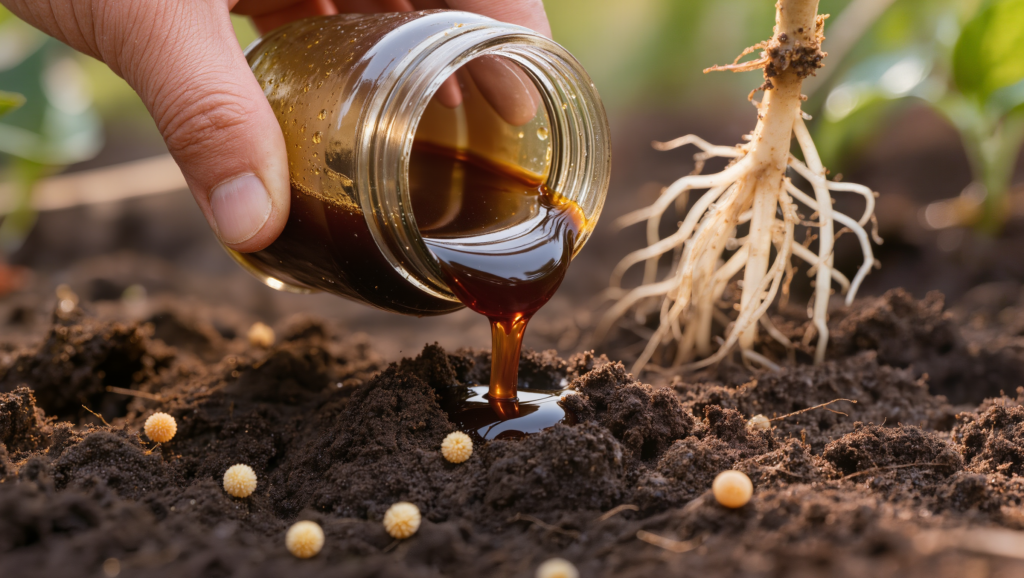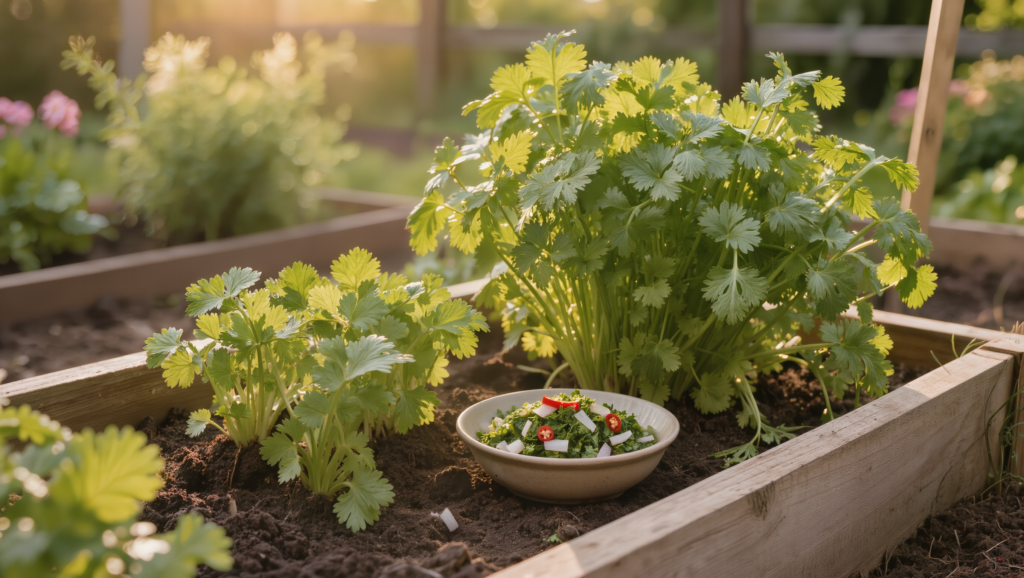












Cilantro is one of the easiest herbs to start and one of the hardest to keep going, which is exactly why so many gardeners call it “bolt-prone.” The trick to endless cilantro is simple: grow it in cool conditions, sow small batches repeatedly, harvest often, and don’t let it get stressed by heat or drought.
If you do that, even a tiny container garden can keep you in fresh leaves for salsa, tacos, chutneys, salads, and weeknight cooking. The real secret is not one magic trick — it’s a system that works with cilantro’s fast life cycle instead of fighting it.
Why Cilantro Bolts So Fast
Cilantro is a cool-season herb, and several gardening guides warn that it bolts quickly when temperatures rise and the days get longer. Once bolting starts, the plant shifts from leafy growth to flower and seed production, which means fewer tasty leaves.
That is why gardeners lose cilantro right when they want it most. The plant is not being difficult on purpose; it is simply responding to heat and seasonal changes. So the first rule of growing endless cilantro is to stop treating it like a permanent bush and start treating it like a quick succession crop.
Best Growing Conditions For Cilantro
Cilantro grows best in cooler weather, with full sun in mild climates and partial shade where summers are hot. Most guides recommend well-draining soil that stays moist but not soggy, with a slightly acidic to neutral pH around 6.2 to 6.8.
For containers, depth matters. Real Simple recommends a planter about 12 inches deep with drainage holes so the long taproot has room to grow. Good Housekeeping suggests at least 8 inches deep, while other guides recommend a container large enough for good airflow and moisture management.
If you are gardening in a hot area, the smartest move is afternoon shade. That one adjustment can make the difference between a leafy cilantro patch and a flowering disappointment.
Seed First, Not Transplants
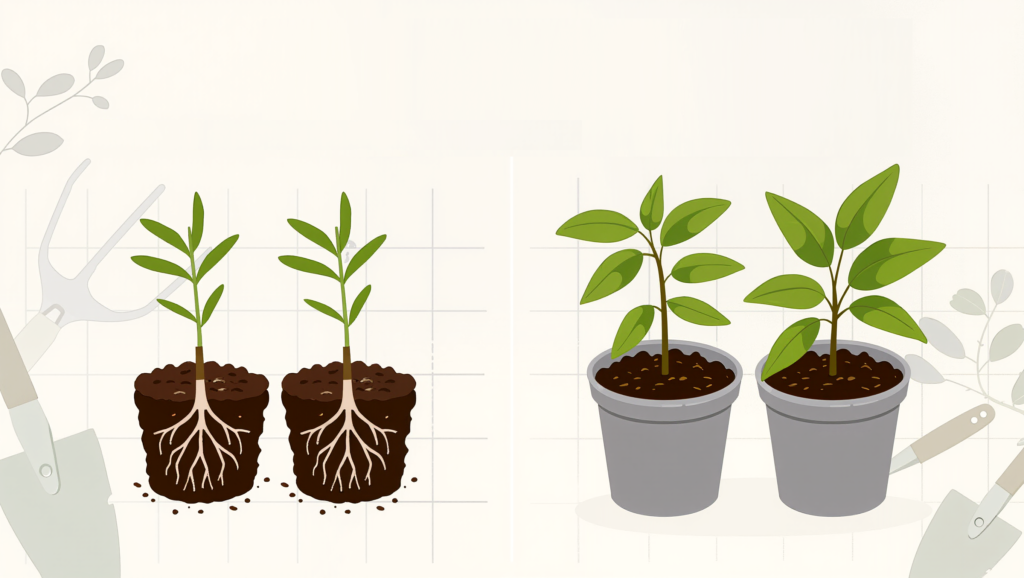
Cilantro is best grown from seed because it develops a taproot and does not love transplanting. That is a huge advantage for small gardens because seeds are cheap, easy to sow, and fast to germinate.
Most sources recommend sowing seeds about 1/4 to 1/2 inch deep. Spacing varies a bit by source, but the overall point is the same: do not overcrowd them so badly that the patch becomes a humidity trap, and do not space them so far apart that you waste precious container space.
If you want a kitchen supply instead of a decorative herb, sow generously. Cilantro is one herb where a thicker stand can actually be useful if you plan to cut it young and often.
Succession Planting Is The Real Hack
This is the big one. If you want endless cilantro, do not plant one batch and hope for the best. Plant new seeds every few weeks so there is always a younger group ready to replace the older bolting plants.
Different guides suggest staggering sowings every 2 to 6 weeks depending on climate and season. That may sound like a lot of work, but in practice it just means dropping a few seeds into the soil on a regular schedule.
A practical rhythm looks like this:
- Sow a small batch now.
- Sow another batch in 2 to 4 weeks.
- Keep sowing through the cool season.
- Start fresh again in late summer or early fall.
This strategy is what turns cilantro from a one-time harvest into a rolling supply.
How To Grow Cilantro In Tiny Spaces
Cilantro is ideal for small gardens because it does not need a huge footprint. You can grow it in a balcony planter, a windowsill pot, a raised bed corner, or a narrow strip of garden soil.
A few small-space rules matter a lot:
- Use a pot at least 8 to 12 inches deep.
- Make sure it drains well.
- Give it bright light, but protect it from intense heat.
- Keep the soil evenly moist.
If your space gets blazing hot in the afternoon, move containers to partial shade. If you are indoors, a sunny south-facing window plus a grow light can help.
Watering Without Killing It
Cilantro likes moisture, but not soggy roots. That means watering consistently rather than flooding the pot and then forgetting about it for a week.
Good Housekeeping and Real Simple both emphasize keeping the soil moist and checking it often as temperatures rise. A useful rule is to water when the top inch of soil feels dry, especially in containers.
If you let cilantro dry out too much, it can stress the plant and encourage bolting. If you overwater, you can invite root problems. The sweet spot is steady, even moisture.
Sunlight And Shade Balance
Cilantro loves bright light, but too much heat is the enemy. In northern or cooler climates, full sun is usually fine. In hotter areas, partial shade is often better, especially in the afternoon.
That balance is one reason cilantro is so easy to mess up. People give it “great gardening conditions” for tomatoes and peppers, and cilantro hates that. It prefers the same broad light exposure, but with a cooler overall environment.
Think of cilantro as an herb that likes brightness without drama.
Harvest Early And Keep It Going
The most important harvest tip is to start picking once the leaves are big enough to eat, usually around 45 to 55 days after planting. Do not wait for a giant plant. That is how you lose time to bolting.
When harvesting, take the outer leaves, cut stems close to the ground, or trim no more than one-third of the plant at a time so it can keep growing. Some guides note that frequent harvesting helps delay bolting and keeps the plant producing leaves longer.
In other words:
- Harvest often.
- Harvest young.
- Do not butcher the whole plant at once.
- Replace bolting plants with fresh sowings.
Indoor Cilantro For Year-Round Salsa
If you truly want endless cilantro, growing indoors is one of the smartest options. Indoor guides recommend placing cilantro near a bright, sunny window and supplementing with grow lights if needed. A cooler room, ideally below 75 F, also helps reduce bolting.
Indoor growing works especially well if you want fresh herbs all winter. Just remember the same rules apply indoors:
- Good drainage.
- Moist soil.
- Bright light.
- Cooler temperatures.
- Regular trimming.
If your indoor setup gets too warm, cilantro will still bolt on you, because cilantro does not care that it is “indoors now.” It only cares about heat.
Should You Grow Cilantro For Leaves Or Seeds?
This is where cilantro gets bonus points. If you let the plant flower, you can harvest coriander seeds from the same plant. That gives you both leafy cilantro and coriander spice from the same crop, depending on when you cut it and whether you let it go to seed.
For leaf production, pull or replace plants once bolting starts. For seed production, let the flowers mature. That means cilantro can serve two different kitchen goals, but not at the same time on the same plant for very long.
The Best Endless Cilantro Strategy
Here’s the simple, high-success version:
- Sow seeds in cool weather.
- Use a deep, draining pot or a well-prepared garden bed.
- Keep the soil consistently moist.
- Give morning sun and afternoon shade if it gets hot.
- Harvest early and often.
- Sow new seeds every 2 to 4 weeks.
- Replace bolting plants instead of trying to rescue them forever.
That system is what creates continuity. Endless cilantro does not come from one heroic plant; it comes from a steady pipeline of small plants.
Bottom Line
Growing endless cilantro in a small garden is absolutely possible if you work with the plant’s natural rhythm. Cilantro wants cool weather, good drainage, regular watering, frequent harvesting, and repeated sowings.
The real “beat the bolt” secret is succession planting. Once you accept that cilantro is short-lived, you stop trying to keep one plant alive forever and start building a fresh, continuous supply of leaves for salsa and beyond. That is how a tiny garden keeps delivering big flavor.