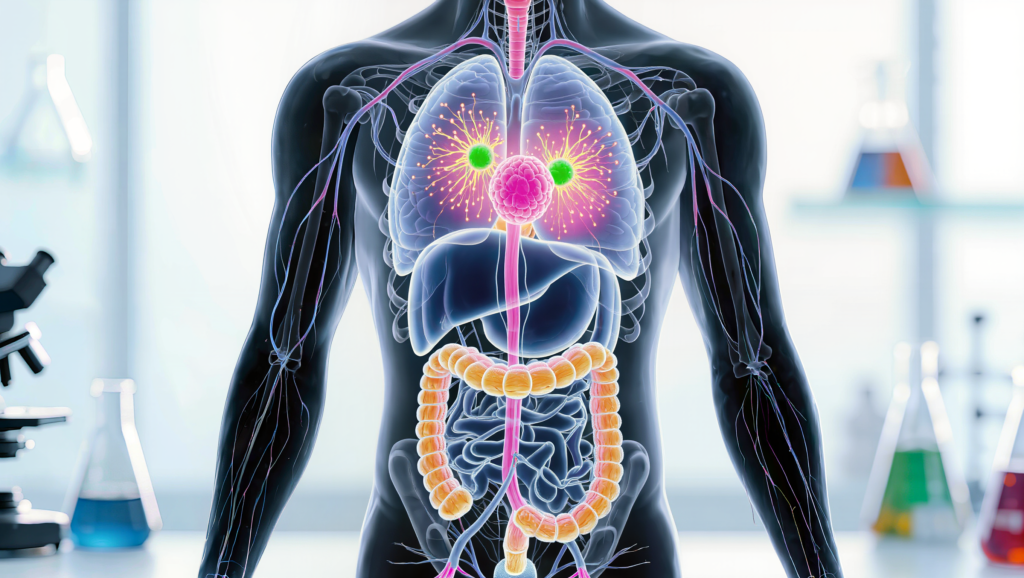












The splanchnic region is basically the inner control center for your digestive system: it includes the abdominal organs, the nerves that regulate them, and the blood supply that keeps digestion running smoothly. If you care about gut health, digestion, meal response, blood flow, or even why your stomach feels weird under stress, the splanchnic region matters more than most people realize.
In simple terms, this region is where your gut’s hardware and wiring live together. It is not just about “the belly” in a vague sense; it is about the organs, circulation, and nervous system pathways that make digestion happen.
What Does “Splanchnic” Mean?
The word splanchnic refers to the viscera, meaning the internal organs, especially those in the abdomen. The term comes from Greek roots related to the entrails or organs, which is why it sounds old-school and a little medical.
When people say “splanchnic organs,” they are usually talking about the stomach, intestines, pancreas, liver, spleen, and sometimes related abdominal structures. So if digestion is the performance, the splanchnic region is the stage, the lighting, and a big chunk of the backstage crew.
The Three Big Pieces
The splanchnic region matters because it brings together three major systems:
- The digestive organs themselves.
- The blood vessels that supply them.
- The nerves that regulate them.
That combination is what makes the region so important for gut health. Digestion is not just about food passing through tubes. It is a coordinated biological event that depends on circulation, nerve signaling, and local tissue responses.
The Splanchnic Circulation
The splanchnic circulation is the blood supply to the digestive organs. PubMed describes it as including the gastric, small intestinal, colonic, pancreatic, hepatic, and splenic circulations, arranged in parallel. The major arteries involved are the celiac trunk, the superior mesenteric artery, and the inferior mesenteric artery.
Why does this matter so much? Because digestion is energy-hungry. When you eat, your gut needs more oxygen and nutrients to break food down, absorb what’s useful, and move everything along. In fact, digestion is accompanied by an increase in total body, splanchnic, and intestinal oxygen consumption.
That means blood flow is not just background plumbing. It is a major part of the digestive process.
Why Blood Flow Changes After Meals
After you eat, your body shifts blood toward the digestive organs and away from less urgent places, like skeletal muscle at rest. That post-meal redistribution helps your stomach and intestines do their work. It is one of the reasons you may feel sleepy or less physically ready to sprint after a big meal.
The digestive organs need more blood because they are actively:
- Breaking down food.
- Absorbing nutrients.
- Moving contents along the gut.
- Communicating with the liver and pancreas.
- Managing local immune and hormonal activity.
So the splanchnic circulation is not a niche anatomical detail. It is one of the main reasons your body can turn food into usable fuel.
The Splanchnic Nerves: The Wiring Behind Digestion
The thoracic splanchnic nerves are part of the sympathetic nervous system and carry signals from the thoracic spinal cord into the abdomen. They contribute to autonomic control of the abdominal organs and help modulate gut function.
Their role is not to directly “push food through” like a mechanical belt. Instead, they help regulate:
- Gut motility.
- Secretion.
- Blood flow.
- Digestive tempo.
- Communication with the enteric nervous system.
This is a big deal because digestion depends on balance. Too much sympathetic tone can slow digestion, while appropriate autonomic coordination helps the gut respond to meals normally.
How Stress Hits The Gut
The reason stress is such a gut troublemaker is that the autonomic nervous system is deeply involved in the splanchnic region. When you are stressed, the body often shifts toward a fight-or-flight pattern, which can reduce blood flow to digestive tissues and alter motility.
That is why you may notice:
- A tight stomach before a stressful event.
- Appetite changes under pressure.
- Nausea or cramping when anxious.
- Slower or faster bowel movements during stress.
Your gut is not being dramatic. It is responding to a very real nervous system signal.
Why The Splanchnic Region Is The “Core” Of Gut Health
If gut health means how well the digestive system functions, then the splanchnic region is central to that process. It includes the organs that digest food, the blood supply that fuels them, and the nerves that coordinate them.
A healthy gut depends on:
- Reliable blood flow to digestive tissues.
- Proper nerve signaling to coordinate secretion and movement.
- Balanced local metabolic activity.
- The ability to shift into “rest and digest” mode after eating.
That is why people with circulatory issues, autonomic dysfunction, or chronic stress can experience digestive problems even if their diet seems fine on paper.
Splanchnic Congestion And Why It Matters
Splanchnic circulation is not just about getting enough blood to the gut. It is also about managing where blood pools and how efficiently it moves. Research on splanchnic congestion notes that venous congestion and altered splanchnic hemodynamics can contribute to intestinal problems, especially in conditions like right-sided heart failure.
That may sound far removed from ordinary digestion, but it illustrates a bigger point: if circulation in the splanchnic region is impaired, gut function can suffer. In other words, your digestive system does not operate in a vacuum. It is tied to whole-body hemodynamics.
Digestion Is A Whole-System Event
One reason the splanchnic region is so important is that digestion is not just chemical breakdown. It is also:
- Neural signaling.
- Blood redistribution.
- Oxygen consumption.
- Hormonal response.
- Immune activity.
PubMed’s physiology summary makes clear that multiple factors influence splanchnic circulation, including the autonomic nervous system, circulating neurohumoral agents, local metabolites, and intrinsic vascular properties. That means the gut is constantly adjusting to what you eat, how you feel, and what your body needs at the moment.
How Splanchnic Region Connects To Everyday Gut Health
The average person usually notices the splanchnic region only indirectly. You feel it when:
- You get sleepy after lunch.
- Your stomach reacts to stress.
- You feel bloated after a meal.
- Your digestion changes with exercise or emotion.
- Your bowels behave differently during illness or fatigue.
These experiences are not random. They reflect changes in blood flow, nerve tone, and digestive workload. The splanchnic region is where those changes are coordinated.
A Simple Analogy
Think of the splanchnic region like a kitchen district in a city. The organs are the kitchens, the circulation is the water and supply trucks, and the nerves are the dispatch system. If the trucks don’t arrive, the kitchens can’t cook well. If the dispatch system is chaotic, the timing gets off. If the kitchens themselves are overloaded, the whole district slows down.
That is basically digestion.
Why This Matters For Health And Disease
Because the splanchnic region is so central, problems in this area can show up as digestive symptoms even when the root cause is elsewhere. Circulatory strain, autonomic imbalance, or chronic stress can all affect how well the gut works.
This is one reason clinicians pay attention to abdominal blood flow and autonomic function in more serious conditions. It is not only about food intolerance or tummy trouble; it is about the body’s ability to keep the digestive organs properly perfused and regulated.
Bottom Line
The splanchnic region is the abdominal network of organs, blood vessels, and nerves that powers digestion and supports gut function. It matters because digestion depends on blood flow, nerve control, and coordinated metabolic activity, all of which happen there.
If you want the core truth in one line: your gut health is not just about what you eat — it is also about how well your splanchnic system moves blood, sends signals, and manages the whole digestive process.
- https://pubmed.ncbi.nlm.nih.gov/4015279/
- https://pmc.ncbi.nlm.nih.gov/articles/PMC6366455/
- https://pubmed.ncbi.nlm.nih.gov/6832382/