











Shatavari has long been one of Ayurveda’s most beloved women’s herbs, and modern research is finally starting to catch up. It is especially known for supporting vitality, reproductive health, and lactation, with newer studies suggesting it may truly help postpartum milk production.
The short version is this: Shatavari is not just traditional wellness folklore. It is a real botanical with a long history of use and a growing body of evidence behind some of its most famous claims. That does not mean it is a miracle cure, but it does mean it deserves more respect than a casual “herbal tonic” label usually gives it.
What Is Shatavari?
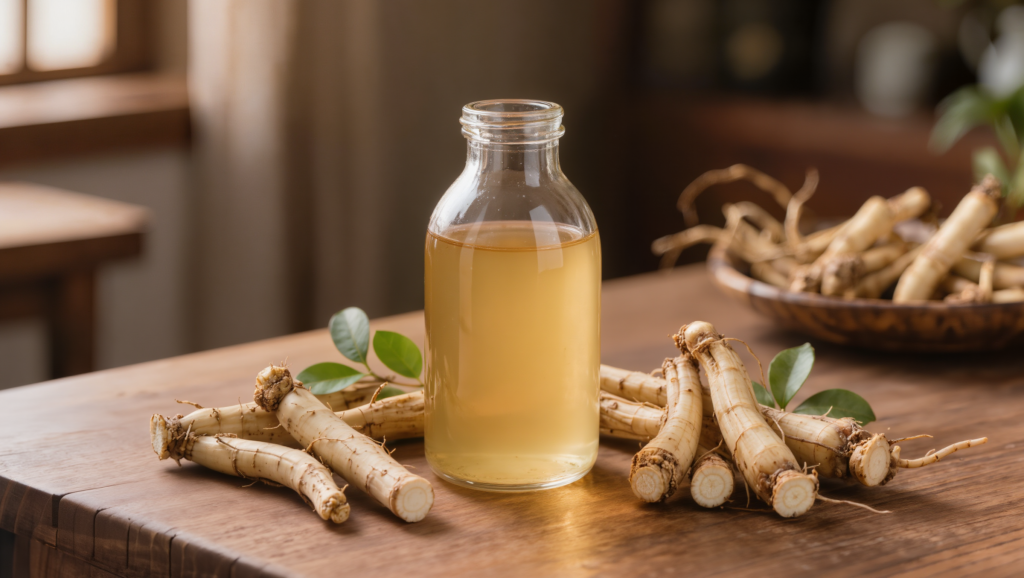
Shatavari is the root of Asparagus racemosus, a climbing plant used in Ayurvedic medicine for centuries. In classical Ayurveda, it is often associated with nourishment, longevity, and women’s reproductive health. Some sources describe it as a rejuvenating herb or even the “Queen of Herbs” because of how broadly it has been used in women’s wellness traditions.
The herb’s name is often translated in ways that emphasize fertility and feminine vitality. While that language can sound dramatic to modern ears, it reflects how deeply rooted Shatavari is in the Ayurvedic idea of supporting the body’s ability to restore, balance, and sustain itself over time.
Why Women Keep Hearing About Shatavari
Shatavari keeps showing up in women’s health conversations because it is traditionally used across major life stages:
- Menstruation.
- Fertility support.
- Pregnancy support.
- Postpartum recovery.
- Lactation.
- Perimenopause and menopause.
That broad usefulness is part of its appeal. Instead of being framed as a one-problem herb, Shatavari is often described as a tonic that supports the whole system. In Ayurveda, that makes it a “rasayana”-style herb, meaning a rejuvenating or restorative remedy.
The Vitality Angle
One of the most common Shatavari claims is that it supports vitality and resilience. That idea is not random. Ayurvedic reviews describe Shatavari as immunomodulatory, nourishing, and rejuvenating. In practical terms, that means it has traditionally been used to help people feel more robust during periods of stress, weakness, or recovery.
Modern herbal marketing often translates this as:
- Better energy.
- Better stress tolerance.
- Better overall well-being.
- Better recovery after reproductive or hormonal transitions.
That does not mean Shatavari is a stimulant. It is more like a tonic — something intended to support rather than jolt the system.
Why Shatavari Matters for Lactation
This is where the modern validation is especially interesting. Shatavari has long been used as a galactagogue, meaning an herb believed to support milk production. Traditional Ayurvedic literature and later reviews repeatedly mention this role.
A 2025 randomized double-blind placebo-controlled study reported that Shatavari root extract improved breast milk volume, shortened time to evident breast fullness, and increased maternal satisfaction with lactation, with no adverse events observed. That is a big deal because it moves Shatavari from “folk tradition” toward measurable clinical effect.
Another review cited prepartum supplementation findings showing increased milk yield, colostrum immunoglobulin, and other beneficial lactation-related outcomes. That supports the longstanding idea that Shatavari may help the body transition into milk production more effectively.
How Shatavari Might Work
The exact mechanism is not fully settled, but reviews suggest Shatavari may influence lactation through the pituitary-adrenal axis and prolactin-related pathways. Some traditional and research summaries describe root powder as potentially stimulating prolactin release, which would help explain its galactagogue reputation.
That said, modern evidence still does not mean one mechanism explains everything. Shatavari also contains bioactive compounds that may have antioxidant, anti-inflammatory, and endocrine-supportive effects. So it may be working through multiple routes at once, which is very common for botanicals.
Hormones, PMS, and Menopause
Another reason women are drawn to Shatavari is its supposed support for hormonal balance. Some modern herbal sources describe it as helpful for irregular cycles, Premenstrual syndrome (PMS), mood swings, and menopausal symptoms, possibly because of phytoestrogen-like compounds and adaptogenic effects.
That sounds promising, but the evidence is more mixed here than it is for lactation. The traditional use is strong, and the mechanistic ideas are plausible, but this area deserves more rigorous human trials. Still, as a supportive herb rather than a replacement for medical treatment, Shatavari is interesting for women moving through hormonal transitions.
Stress, Digestion, And The “Tonic” Part
Shatavari is also commonly described as soothing for the digestive system and useful when stress and hormonal shifts affect the gut. Ayurveda often links reproductive vitality with digestion and nourishment, so a herb that supports both makes sense in that framework.
Some sources describe Shatavari as demulcent, meaning it may have a soothing, coating quality that can calm irritation in the digestive tract. Others highlight its adaptogenic reputation, suggesting it may help the body better handle physical and emotional stress. That combination is part of why it has such a broad “women’s tonic” identity.
What Modern Science Is Actually Validating About Shatavari
Here’s the honest takeaway: science is validating some of the biggest traditional claims, especially around lactation and postpartum support. The more recent placebo-controlled research is especially encouraging because it goes beyond anecdote and into measurable outcomes like milk volume and maternal satisfaction.
Science is also taking the herb more seriously for its immunomodulatory and antioxidant properties. Those qualities do not automatically translate into dramatic clinical effects, but they do help explain why Shatavari has been valued as a restorative tonic.
Where science is still catching up:
- PMS relief.
- Menopause symptom support.
- Fertility claims.
- Broad “hormone balancing” language.
That means the most evidence-backed headline right now is lactation support, with other uses still promising but less firmly proven.
Who Should Consider Taking Shatavari Tonic
Shatavari may be most interesting for:
- New mothers looking for lactation support.
- Women in postpartum recovery.
- People interested in Ayurvedic tonic herbs.
- Women seeking gentle, supportive herbal options during hormonal change.
It is less of a “quick fix” herb and more of a slow, supportive one. That is a useful distinction because many women’s health concerns are not immediate one-pill problems. They are chronic-state issues that need supportive care.
What To Keep In Mind
Even though Shatavari is widely described as safe in many traditional and commercial sources, that does not mean every person should take it without guidance. Herbs can interact with medications, and hormone-related conditions are not always simple. If someone has a hormone-sensitive condition, is pregnant, is breastfeeding, or is using fertility or endocrine medications, caution matters.
There is also the usual herbal issue of product quality. Root extracts, powders, and capsules can vary a lot in potency. So if you are choosing a product, the source and formulation matter.
The Bigger Significance
Shatavari is a good example of how traditional medicine and modern science can meet in the middle. Ayurveda recognized a pattern long ago: some herbs seem to nourish, steady, and support women through reproductive transitions. Modern trials are now beginning to show that at least some of those observations hold up under clinical scrutiny.
That does not make Shatavari magical. It makes it believable. And that is often a better place to be.
Bottom Line
Shatavari is an Ayurvedic tonic herb with a long history of use for women’s vitality, reproductive health, postpartum recovery, and lactation support. The most convincing modern evidence right now is for helping increase milk volume and improve breastfeeding satisfaction after birth.
Its broader reputation as a nourishing, adaptogenic, hormone-supportive herb is still being studied, but the traditional wisdom is no longer operating in a vacuum. Modern science is starting to validate what Ayurveda has said for generations: Shatavari is more than just a folk remedy — it is a serious botanical worth paying attention to.
Sources: