











Adenosine receptors are tiny molecular “switches” spread through your brain and body that help regulate sleep pressure, alertness, heart activity, and even parts of your immune response. They are one of the main reasons caffeine works, and they are a big part of why your brain starts demanding sleep after you’ve been awake for too long.
In plain English: adenosine receptors help your body sense when it is running low on usable energy and needs to slow down, rest, and recover. That makes adenosine one of the most important little molecules you never really think about until you have had way too little sleep.
What Are Adenosine Receptors?
Adenosine is a naturally occurring nucleoside found in human cells. It is closely tied to ATP, which is the body’s main energy currency, because adenosine is part of the ATP molecule and is released as ATP is broken down.
That connection is the whole reason adenosine matters so much. When cells are busy and burning energy, adenosine levels rise. When you are awake for a long time or your neurons are working hard, extracellular adenosine builds up in the brain. In other words, adenosine is a biochemical signal that says, “We’ve been working hard. Time to dial it back.”
Why Receptors Matter More Than The Molecule Alone
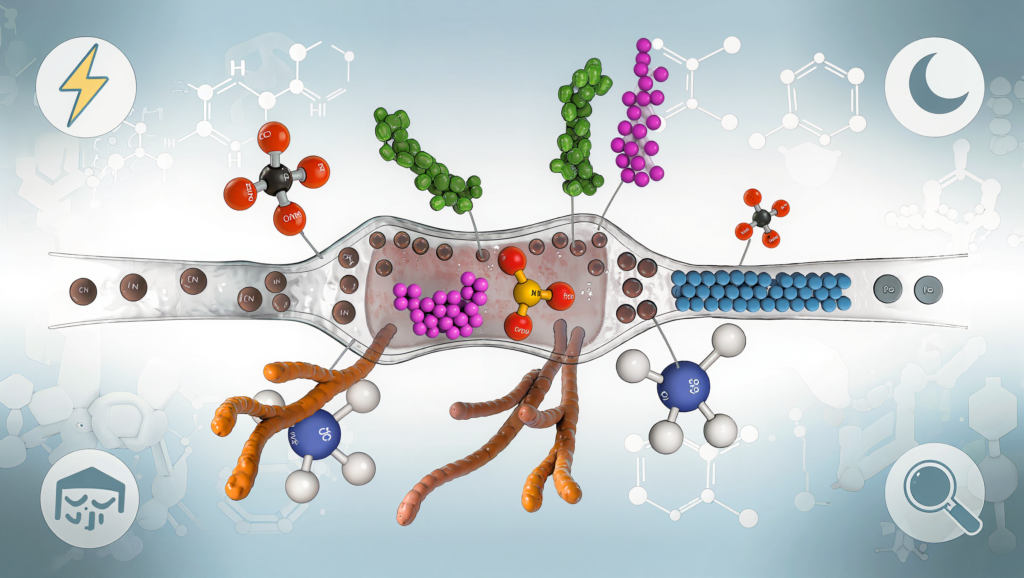
Adenosine does not do its job just by floating around. It works by binding to adenosine receptors, which are protein receptors on cell surfaces. These receptors transmit the signal into the cell and change how the cell behaves.
That is the key idea. Adenosine is the message, but the receptors are the locks that receive it. Without the receptors, the body would not know what to do with the signal. There are four major adenosine receptor subtypes: A1, A2A, A2B, and A3.
The Four Main Adenosine Receptors
The four adenosine receptor subtypes each have their own jobs and distribution patterns.
A1 receptor
The A1 receptor is one of the most important for sleep regulation and neural inhibition. High adenosine concentrations can act through A1 receptors to reduce neuronal activity, which lowers energy demand in the brain. This is part of why adenosine helps push you toward sleep.
A2A receptor
The A2A receptor plays a major role in sleep induction and is strongly linked with the sleep-promoting effect of adenosine. This receptor is also a big reason caffeine is stimulating, because caffeine blocks A2A receptors along with A1 receptors.
A2B receptor
A2B receptors are involved in broader body signaling, including processes like vasodilation and immune-related effects. They are less central to the everyday “I need a nap” story, but they matter in the wider physiology of adenosine signaling.
A3 receptor
A3 receptors also participate in systemic signaling and are part of the body’s broader adenosine network. They are not the main headline act in sleep, but they help explain how widespread adenosine’s effects are across the body.
How Adenosine Controls Sleep Pressure
One of the best-established roles of adenosine is sleep homeostasis, which is the body’s process for balancing sleep and wakefulness. As you stay awake, adenosine accumulates in key brain regions, especially the cortex and basal forebrain, and that increase helps drive the urge to sleep.
Researchers describe adenosine as a kind of “homeostatic regulator” of sleep. The basic idea is simple: the longer you stay awake, the more adenosine builds up, and the sleepier you get. When you sleep, adenosine levels fall again and the pressure eases.
That is why a full night of sleep feels so different from just “resting your eyes.” Sleep is not only about feeling tired less. It is also part of clearing the chemical pressure that accumulated during wakefulness.
Why Caffeine Works So Well In Blocking Adenosine
Caffeine feels like a miracle because it blocks adenosine receptors instead of removing adenosine itself. That means adenosine can still be there, but its signal gets muted.
This is why coffee does not actually “give” you energy in the way people casually say it does. It mainly reduces your perception of sleep pressure by preventing adenosine from binding to its receptors. You are not suddenly more rested; you are temporarily less able to feel how tired you are.
That also explains the classic caffeine crash. The sleep pressure never disappeared. It was just masked for a while.
Adenosine And Focus
Adenosine has a complicated relationship with attention and focus. In normal conditions, it helps promote calmness and sleepiness, which is useful at night but not so great when you are trying to stay sharp.
When adenosine signaling becomes excessive, the brain can feel slower, less alert, and more resistant to concentration. A 2024 review noted that adenosine’s inhibitory effects on cholinergic activity can contribute to attention impairments, especially in ADHD-related contexts. That does not mean adenosine is “bad” for focus. It means focus depends on the right balance of wake-promoting and inhibitory signals.
Adenosine is not there to make you brilliant at 2 p.m. after a terrible night of sleep. It is there to force the issue when your brain is overdue for recovery. That is a very different job.
Adenosine In The Heart
Adenosine is not just a brain molecule. It also plays important roles in the cardiovascular system. It can slow certain electrical signals in the heart and is used clinically to treat some abnormal heart rhythms.
That shows how powerful the receptor system is. When adenosine binds to receptors in the heart and blood vessels, it can influence heart rate, vascular tone, and blood pressure. So the same molecule that helps tell your brain to sleep also participates in life-saving medical treatments for the heart.
Adenosine And Energy Balance
Adenosine is often described as a “retaliatory metabolite,” meaning it rises when cells have been working hard and helps reduce cellular work to restore energy balance. That phrase is a pretty good summary of what adenosine does all over the body.
This is why adenosine is so tightly linked to energy metabolism. When the body is under heavy demand, adenosine rises and encourages a shift toward conservation, recovery, and lower activity. It is not glamorous, but it is extremely efficient.
How Adenosine Builds Up in The Brain After Many Sleepless Nights
When you are sleep deprived, adenosine keeps accumulating in the brain. That buildup is one reason you feel foggy, irritable, sluggish, and less able to focus after too many sleepless nights.
The sleep system is not only responding to how long you’ve been awake; it is also responding to the chemical load left behind by wakefulness. The basal forebrain appears to be especially important in recovery sleep after sleep deprivation, and adenosine increases there can trigger sleep while preventing that increase can abolish recovery sleep.
That is a very strong clue that adenosine is not a side character. It is one of the main drivers of sleep pressure.
The Bigger Biological Picture
Adenosine receptors belong to a large family of G protein-coupled receptors, which are one of the most important signaling systems in biology. They work across the brain, heart, immune system, and other tissues, which is why adenosine has such a broad set of effects.
That breadth is what makes adenosine so interesting. A molecule tied to ATP breakdown can influence sleep, cognition, cardiovascular function, inflammation, and recovery all at once. It is one of those biological systems where the same signal helps coordinate a lot of different body functions around the central theme of energy balance.
Practical Takeaway
If you remember only one thing, make it this: adenosine receptors are the body’s built-in low-energy sensors and sleep regulators. As adenosine builds up during wakefulness, it binds to receptors like A1 and A2A, quiets down wake-promoting activity, and increases sleep pressure.
Caffeine works by blocking those receptors, which buys you wakefulness at the cost of hiding sleepiness, not curing it. And once you understand that, a lot of everyday experiences — the afternoon slump, the caffeine buzz, the “why am I so tired?” feeling after a short night — start making a lot more sense.
Bottom Line
Adenosine receptors are tiny, but they have enormous influence over your energy, sleep, and focus. They detect the buildup of adenosine that comes from energy use, help regulate brain activity, and play major roles in sleep homeostasis, alertness, and even heart function.
So the next time you yawn after a long day or feel that first sip of coffee kick in, you are really noticing a deep biological system at work. Your brain is reading the room, your cells are tracking energy use, and adenosine receptors are quietly deciding whether it is time to keep going or shut things down and sleep.
Sources: