











Elderberry has earned its reputation as one of the most popular cold-season remedies for a reason. The research does not prove it is a magic shield against every virus, but it does suggest elderberry may help reduce the duration and severity of flu-like symptoms when used early, and that makes it a genuinely interesting winter staple.
What makes elderberry especially compelling is the combination of tradition and emerging science. It has a long history as a remedy for upper respiratory illness, while modern studies and reviews point to antiviral and symptom-relief potential, especially for influenza. That does not mean it “cures” colds or replaces medical treatment, but it does mean it deserves a serious look if you want practical, plant-based support during cold and flu season.
What Is Elderberry?
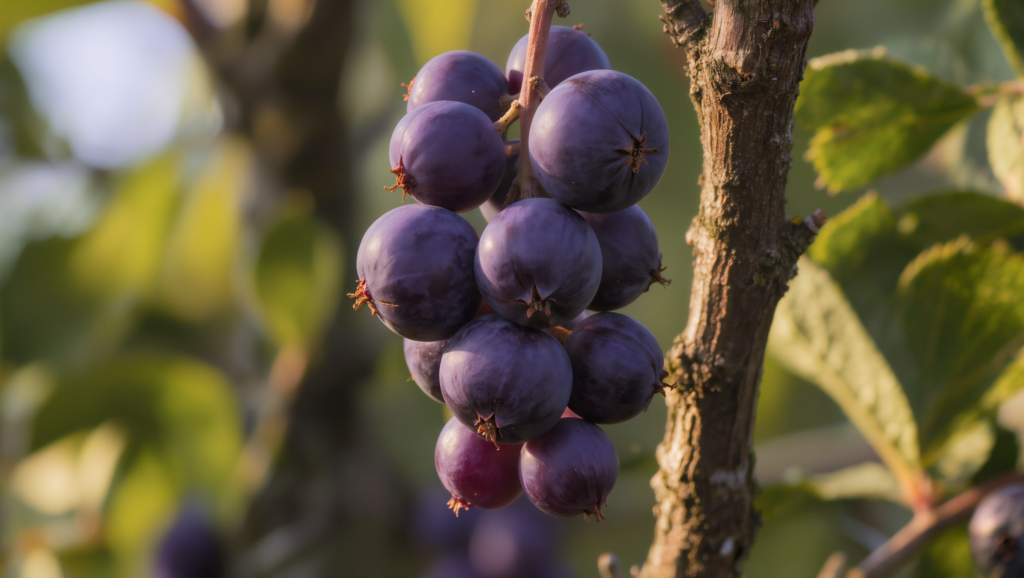
Elderberry usually refers to the dark berries of Sambucus nigra, a plant that has been used in traditional medicine for respiratory complaints for generations. People commonly use it in syrup, lozenges, gummies, capsules, or tea.
Its appeal comes from the fact that elderberries are rich in flavonoids and anthocyanins, which are compounds with antioxidant activity and possible antiviral effects. That chemical profile is one reason elderberry keeps showing up in both old home remedies and newer immune-support products.
Why Elderberry Became A Cold-Season Favorite
The short version is that it seems to do a few useful things at once. Elderberry may help the body respond more effectively to influenza viruses, may reduce inflammation, and may shorten symptom duration when taken early enough.
That combination makes it attractive in winter, when people are:
- Around more germs.
- Sleeping less.
- Traveling more.
- Getting run down.
- Looking for something simple that might help.
Elderberry fits the psychological and practical sweet spot of a “maybe this helps, and it feels natural” remedy. Sometimes that is enough to make it useful in real life, especially if it is one part of a broader cold-season plan.
What Science Actually Says About Elderberry
The evidence is promising, but it is not perfect. A systematic review summarized on PubMed concluded that elderberry may be a safe option for treating viral respiratory illness, but also noted that the evidence on both benefits and harms is uncertain and more information is still needed.
At the same time, reviewed research reports that elderberry extract has shown effectiveness in mitigating the duration and severity of flu symptoms in several influenza strains, based on in vitro and human clinical trials. That is a stronger statement than “it might do something,” but it still needs to be interpreted carefully because the number of studies is not enormous.
Other sources note that limited studies have found elderberry can ease flu symptoms like fever, headache, sore throat, fatigue, cough, and body aches, particularly when started within 24 to 48 hours of symptom onset. Some say elderberry syrup or tea may help reduce the duration and severity of cold and flu symptoms, with some research suggesting a cold may be shortened by about two days.
So the middle ground is this:
- Elderberry is not a guaranteed shield.
- It may not prevent every cold.
- It may be most useful when started early.
- It may help symptoms feel less intense and shorter-lived.
How Elderberry Might Work
Elderberry’s proposed mechanisms are actually pretty interesting. A review describes a few possibilities: elderberry compounds may neutralize viral glycoproteins such as hemagglutinin and neuraminidase, and may activate the healthy immune system and increase inflammatory cytokines.
That sounds technical, but the basic idea is that elderberry may interfere with the virus’s ability to attach and spread, while also helping the immune system respond more effectively. Another article notes that elderberry contains natural flavonoids that seem to reduce swelling, fight inflammation, and boost immune function.
Of course, “immune boost” is one of those phrases that gets overused in wellness marketing. A more careful way to say it is that elderberry may help support a useful immune response during acute respiratory illness. That is a much better claim and a more believable one.
Elderberry For Flu, Not Just “Immune Support”
This is where elderberry differs from a lot of trendy wellness ingredients. It is not only a general “support” herb. The best-known research focuses on influenza and upper respiratory symptoms.
A source notes that elderberry supplements are often used for colds or flu, and that some studies found people taking elderberry had less severe symptoms lasting a shorter time. The science does not say elderberry prevents every infection, but it does suggest the herb may be more valuable as a symptom-shortener than as a broad prophylactic.
That distinction matters. If you are expecting elderberry to stop every exposure, you may be disappointed. If you use it at the first sign of symptoms, you may be using it in the way the evidence most strongly supports.
Why Elderberry Makes Sense In Winter
Cold season is exactly when elderberry tends to shine. That is when people are most likely to catch respiratory viruses, travel through crowded spaces, or get worn down by poor sleep and indoor living.
Some sources even discuss elderberry as part of a preventive wellness routine during periods of increased exposure, such as school season, travel, or seasonal shifts. The practical idea is not that elderberry creates invincibility. It is that it may be worth including in a broader cold-season strategy that also includes rest, hydration, hand hygiene, and smart exposure reduction.
Safety And Realistic Use
Elderberry is generally discussed as a relatively safe option for adults when used appropriately, but “natural” does not mean “no precautions needed.” The biggest issue is product quality and dose consistency, because syrup, tea, lozenges, and capsules can vary widely.
It is also important not to confuse cooked, prepared elderberry products with raw plant parts. Raw elderberries and other parts of the plant can be problematic if improperly handled, so commercially prepared products are the safer route. While that detail is not fully laid out in every summary above, it is one reason to stick with trusted preparations rather than experimenting in the backyard with random berries.
Another caution: if you are seriously ill, especially with high fever, breathing trouble, dehydration, or symptoms that are not improving, elderberry is not a substitute for medical care. It is a supportive tool, not a rescue helicopter.
Best Ways To Use It
If you want to use elderberry in a sensible, evidence-aligned way, the most defensible approach is:
- Start early at the first sign of symptoms.
- Use a reputable product with clear dosing.
- Pair it with rest and hydration.
- Consider it a symptom support tool, not a cure.
- Stop expecting it to outperform basics like sleep and fluids.
Some people also like elderberry as a seasonal routine before major exposure events, like travel or school reopening periods. That can be reasonable, as long as you are not treating it as a guaranteed firewall.
Why People Keep Coming Back To It
There is a reason elderberry keeps outperforming its “trend” status. It has a long traditional history, a favorable sensory profile, and enough scientific support to make people feel like they are not just drinking folklore.
It also has an intuitive appeal. Elderberries are dark, rich in plant pigments, and closely tied to the idea of seasonal resilience. In a world where people want something natural but not totally unscientific, elderberry lands in a very appealing middle zone.
Bottom Line
Elderberry is a cold-season must-have because it has real potential to reduce the severity and duration of cold and flu symptoms, especially when used early. The evidence is promising but not definitive, and it works best as part of a broader winter strategy that includes rest, hydration, and sensible exposure control.
So no, elderberry is not a miracle cure. But it is one of the few backyard-plant remedies that has managed to keep both tradition and science on its side, and that makes it worth keeping in the cold-season toolkit.
Sources: